
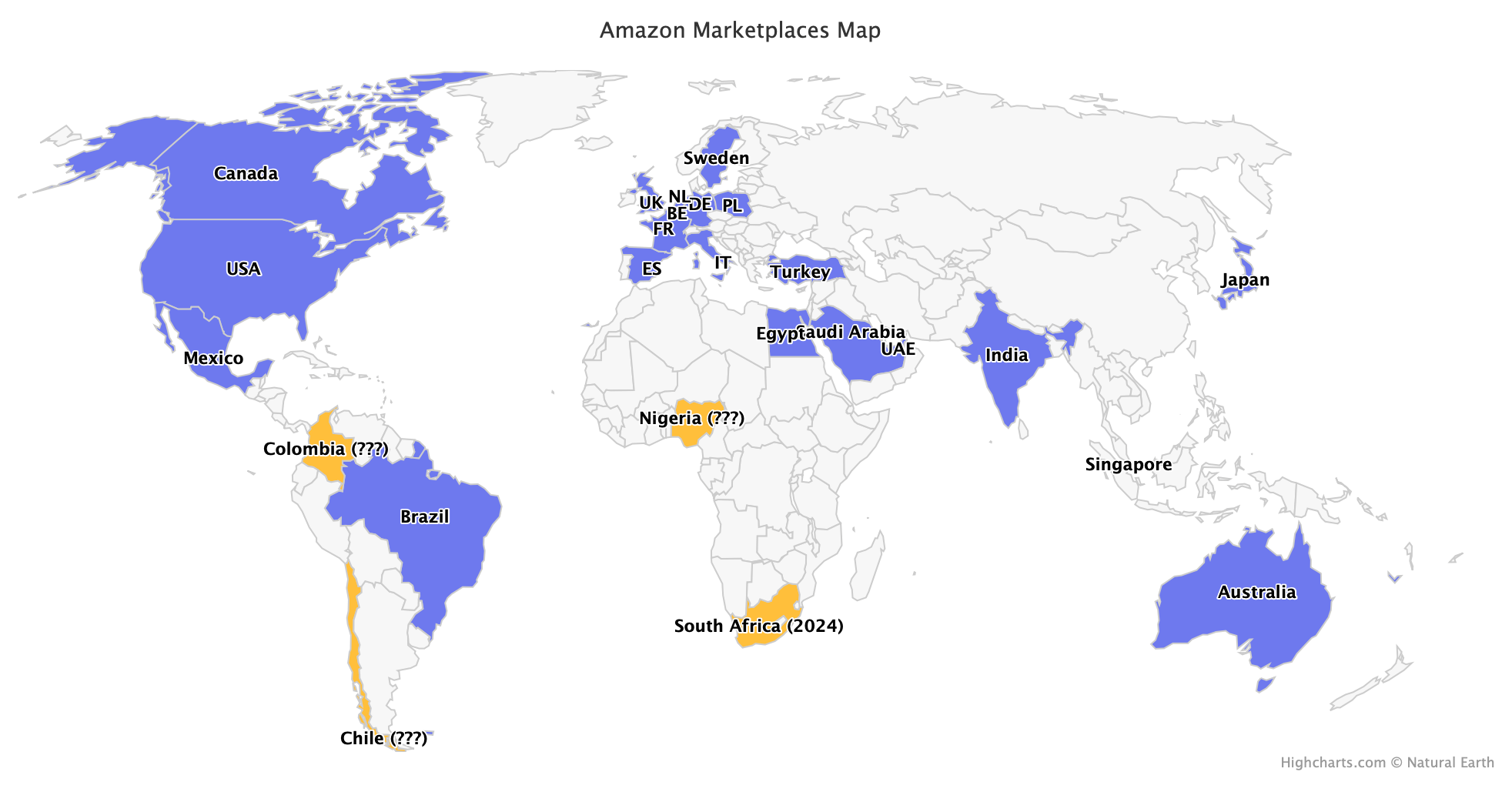
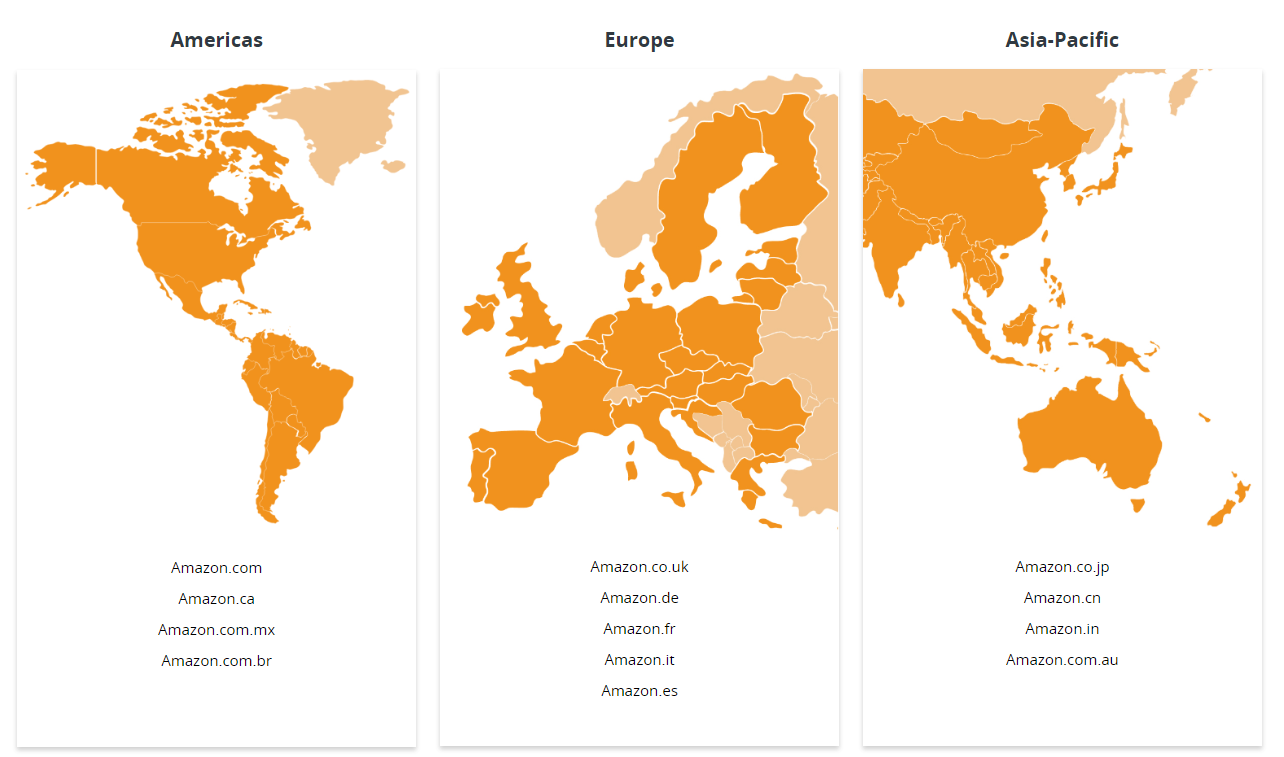
Amazon, a name synonymous with e-commerce, cloud computing, and digital innovation, has meticulously built a brand recognized and utilized by billions worldwide. But to truly grasp the monumental scale of this corporate entity, one must delve into its operational geography. The question “how many countries does Amazon operate in?” isn’t merely a numerical query; it’s a gateway to understanding the strategic brilliance behind a brand that has transcended borders, cultural nuances, and economic landscapes to establish an unparalleled global presence. For brand strategists, marketers, and business leaders, Amazon’s international expansion serves as a compelling case study in brand building, market penetration, and sustainable growth on a global stage. While the exact count can be fluid, encompassing full-fledged retail marketplaces, robust AWS regions, and specific service offerings, Amazon maintains a significant direct retail presence—meaning a dedicated Amazon website and local fulfillment infrastructure—in over 20 countries, including the United States, Canada, Mexico, Brazil, the UK, Germany, France, Italy, Spain, Netherlands, Sweden, Poland, Belgium, Australia, Japan, China, India, UAE, Saudi Arabia, Singapore, and more recently, South Africa. This extensive network underpins a brand that has become a pervasive force in the daily lives of consumers across continents, reflecting a sophisticated approach to global corporate identity and market leadership.
The Global Juggernaut: Amazon’s Unprecedented Expansion Strategy
Amazon’s journey from an online bookseller in Seattle to a global retail and technology behemoth is a testament to an audacious expansion strategy. Its methodical entry into new markets wasn’t just about launching a website; it was about replicating its core brand promise—convenience, selection, and value—while simultaneously adapting to local demands. This dual approach has been pivotal in cementing its brand identity globally.
Early Ventures and Core Markets
Amazon’s initial international forays laid the groundwork for its future global dominance. After establishing its roots in the United States in 1995, Amazon quickly set its sights on international markets, launching in the UK and Germany in 1998, followed by France in 2000 and Japan in 2000. These early expansions into developed economies with robust logistics infrastructures and growing internet penetration were strategic. They allowed Amazon to test its localization strategies, understand international supply chains, and build brand recognition outside its home market. The success in these foundational markets provided invaluable lessons and the financial leverage necessary for more ambitious future endeavors. It demonstrated that Amazon’s core brand values resonated universally, paving the way for further confidence in its global growth trajectory.
The Power of Localized Brand Experience
A key pillar of Amazon’s global brand strategy is its commitment to delivering a localized experience. It’s not enough to simply translate a website; true localization involves understanding cultural preferences, consumer behavior, local payment methods, regulatory frameworks, and even national holidays. For instance, in India, Amazon adapted its platform to support cash-on-delivery, a prevalent payment method, and introduced local language interfaces. In Japan, it focused on high-quality packaging and swift delivery, catering to the country’s high standards for service. By tailoring its offerings, marketing campaigns, and even product selections to specific regions, Amazon ensures that its brand feels familiar and trustworthy, rather than an alien invading force. This deep cultural integration allows the Amazon brand to be perceived as a local entity, deeply rooted in the community it serves, despite its global origins.
Navigating Market Entry Challenges
Entering new markets presents a myriad of challenges, from intense local competition to complex regulatory landscapes and infrastructural deficits. Amazon’s brand strategy has been about demonstrating adaptability and resilience. In China, despite an early entry, Amazon faced formidable local competitors like Alibaba and JD.com, which had a deeper understanding of the local e-commerce ecosystem. While Amazon’s retail marketplace faced an uphill battle there, its AWS (Amazon Web Services) division has flourished, illustrating a flexible brand strategy that capitalizes on different market strengths. Similarly, in emerging markets, Amazon has had to invest significantly in building fulfillment networks, partnering with local logistics providers, and sometimes even educating consumers about online shopping. The brand’s willingness to innovate and pivot in the face of such hurdles underscores its strategic acumen and commitment to long-term market presence.
Beyond Borders: Amazon’s Diverse Operational Models
Amazon’s global presence is not monolithic; it operates through various models, each contributing to its overarching brand identity and market penetration. From its expansive retail marketplaces to its omnipresent cloud services, Amazon’s diversified approach allows it to engage with markets and customers in multiple ways.
Marketplace Dominance and Seller Ecosystem
At the heart of Amazon’s retail brand is its vast marketplace, which extends far beyond Amazon’s own inventory. By allowing third-party sellers to list products, Amazon has created a self-sustaining ecosystem that fuels its global expansion. This model significantly increases product selection, reduces inventory risk, and facilitates hyper-local offerings in diverse markets. For brands, being listed on Amazon’s global marketplaces means immediate access to millions of potential customers, essentially leveraging Amazon’s trusted brand to expand their own reach. This symbiotic relationship strengthens Amazon’s brand as the ultimate global retail platform, offering unparalleled choice and convenience to consumers while empowering businesses of all sizes to participate in the digital economy. The brand reputation of Amazon as a reliable conduit for commerce is a major draw for both buyers and sellers.
Prime’s Global Appeal and Loyalty Building
Amazon Prime, a cornerstone of its customer loyalty strategy, has also been instrumental in its global brand expansion. Offering expedited shipping, streaming services (Prime Video), and exclusive deals, Prime creates a sticky ecosystem that significantly increases customer lifetime value. Introduced in key international markets, Prime has successfully replicated its appeal by tailoring its benefits to local preferences. In India, for example, Prime includes access to Bollywood content, while in other regions, it emphasizes faster delivery in dense urban areas. The Prime brand, therefore, isn’t just a service; it’s a global membership program that fosters a deeper connection with Amazon, reinforcing customer loyalty and driving repeat purchases across its international footprint. This tiered service model enhances Amazon’s brand perception as a provider of premium, value-added experiences.
AWS: The Invisible Backbone of Global Brands
Perhaps the most understated yet profoundly influential aspect of Amazon’s global operation is Amazon Web Services (AWS). While not a consumer-facing retail brand, AWS is the leading cloud computing platform globally, powering countless websites, applications, and corporate infrastructures—including those of many rival brands and governments. AWS operates in over 30 geographic regions with hundreds of data centers worldwide. This expansive infrastructure allows AWS to serve customers in over 190 countries and territories. Its reliability, scalability, and comprehensive suite of services make it an essential component of the digital economy. The success of AWS contributes to Amazon’s overall brand prestige as a technology innovator and a foundational enabler of digital transformation, demonstrating Amazon’s brand power extends far beyond e-commerce into the critical infrastructure layer of the internet.
The Brand Impact of Global Reach: More Than Just Numbers
The sheer number of countries Amazon operates in translates into profound brand implications, shaping consumer perception, competitive dynamics, and its corporate identity.
Building Global Brand Recognition and Trust

Operating in numerous countries intrinsically builds global brand recognition. Wherever consumers go, the Amazon logo, with its distinctive smile arrow, is increasingly visible—whether on a delivery truck, a product package, or a smart device like an Echo. This ubiquity fosters familiarity, and familiarity, in turn, breeds trust. A brand that is accessible and reliable across diverse geographies conveys an image of stability and dependability. For consumers, Amazon’s global presence signifies a robust, well-established entity capable of delivering consistent service, regardless of their location, thereby reinforcing a universal sense of trust in the brand. This recognition allows Amazon to leverage its brand equity from one market to facilitate entry and growth in another, creating a powerful feedback loop.
Cultural Adaptation and Local Relevance
Global reach demands cultural intelligence. Amazon’s brand success hinges on its ability to be a global enterprise that thinks locally. This means more than just language translation; it involves deep cultural adaptation in product sourcing, marketing messages, user interface design, and even customer service protocols. For example, understanding the nuances of gift-giving traditions in different cultures or the preferred modes of communication can make or break a market entry. By demonstrating respect for local customs and tailoring its brand presentation to resonate with specific cultural values, Amazon reinforces its relevance and acceptance in diverse markets, solidifying its position not just as a global retailer, but as a culturally sensitive partner. This careful navigation of cultural landscapes enhances the brand’s adaptability and universal appeal.
Competitive Advantage and Market Leadership
Amazon’s expansive global footprint provides a significant competitive advantage. Its economies of scale in procurement, logistics, and technology infrastructure are difficult for smaller, local competitors to match. By operating across many countries, Amazon can leverage insights and innovations from one market to benefit others, accelerating its learning curve and increasing its operational efficiency. This global synergy allows Amazon to maintain competitive pricing, offer vast product selections, and deliver superior customer service, thereby solidifying its market leadership. The brand’s ability to consistently outcompete rivals across various geographies reinforces its image as an industry leader, further enhancing its brand power and market dominance.
Challenges and Opportunities in Sustaining a Global Brand
Maintaining a global brand as vast and dynamic as Amazon’s is not without its challenges, yet these very hurdles often present opportunities for further innovation and brand strengthening.
Regulatory Landscapes and Brand Reputation
Each country presents its own unique regulatory environment, ranging from data privacy laws (like GDPR in Europe) to competition laws and labor regulations. Navigating this intricate web is a constant challenge for Amazon. Missteps can lead to significant fines, legal battles, and, crucially, damage to brand reputation. For instance, concerns about data handling or anti-competitive practices can erode public trust. Amazon’s strategy involves significant investment in legal and compliance teams globally, but also proactive public relations and corporate social responsibility initiatives to mitigate risks and protect its brand image. Demonstrating ethical practices and compliance is vital for maintaining a positive global brand perception.
Supply Chain Complexity and Customer Expectation
The logistics of operating an e-commerce giant across over 20 primary countries, and shipping to many more, is staggeringly complex. Managing a global supply chain requires sophisticated technology, extensive infrastructure, and local partnerships. Customer expectations for fast and reliable delivery, largely set by Amazon itself, become a constant pressure point. Disruptions due to geopolitical events, natural disasters, or pandemics highlight the vulnerability of even the most robust supply chains. Amazon’s brand is deeply tied to its promise of convenience and speed, making efficient supply chain management paramount to maintaining its brand equity and customer satisfaction worldwide. Any failure in this aspect directly impacts customer trust and brand loyalty.
Future Growth Avenues and Emerging Markets
Despite its vast reach, Amazon still sees significant opportunities for growth. Emerging markets in Africa, Southeast Asia, and Latin America represent vast untapped potential. These markets often present unique challenges—lower internet penetration, nascent logistics infrastructure, and different consumer purchasing powers. However, they also offer the chance to build the Amazon brand from the ground up, adapting its model to suit local conditions and become an integral part of their developing digital economies. Expanding into these new territories is not just about revenue; it’s about extending the Amazon brand’s global narrative and reinforcing its identity as a truly worldwide enterprise.
The Amazon Brand: A Case Study in Global Market Penetration
Amazon’s journey in global market penetration offers invaluable lessons for any brand aspiring for international success. It demonstrates that global leadership is built on a foundation of relentless customer focus, technological innovation, and a deep understanding of local market dynamics.
Leveraging Data for Localized Strategies
At the core of Amazon’s global brand success is its unparalleled ability to collect, analyze, and act on vast amounts of data. From customer search patterns and purchase histories to logistical performance and product reviews, this data informs every aspect of its localized strategies. It enables Amazon to personalize recommendations, optimize pricing, streamline supply chains, and tailor marketing messages with remarkable precision in each market. This data-driven approach ensures that the Amazon brand remains highly relevant and responsive to individual consumer needs and preferences across its diverse global footprint.
The Perpetual Reinvention of a Global Brand
Amazon’s brand identity is not static; it is in a perpetual state of evolution. From its beginnings as a bookseller to a “everything store,” a cloud computing leader, and an entertainment powerhouse, Amazon continuously reinvents itself. This dynamism is crucial for maintaining relevance in fast-changing global markets. Each new service, product, or market entry is an opportunity to reinforce and expand the Amazon brand’s capabilities, demonstrating its commitment to innovation and customer value. This adaptability and forward-thinking mindset is a defining characteristic of its enduring global brand appeal.
The Enduring Legacy of Global Presence
Ultimately, the question of “how many countries does Amazon operate in” points to a broader narrative: the establishment of an enduring global brand legacy. Amazon’s footprint is not just about market share; it’s about shaping consumer expectations, driving technological adoption, and redefining convenience on a global scale. Its international operations showcase a brand that has mastered the art of being both omnipresent and locally resonant, setting a benchmark for global brand management and strategy in the 21st century. As Amazon continues to expand and evolve, its extensive global presence will remain a cornerstone of its formidable brand power, shaping economies and influencing lives across every corner of the world.
aViewFromTheCave is a participant in the Amazon Services LLC Associates Program, an affiliate advertising program designed to provide a means for sites to earn advertising fees by advertising and linking to Amazon.com. Amazon, the Amazon logo, AmazonSupply, and the AmazonSupply logo are trademarks of Amazon.com, Inc. or its affiliates. As an Amazon Associate we earn affiliate commissions from qualifying purchases.