
Investing in the stock market can seem daunting, but it’s a powerful way to build wealth over time. For many, the allure of owning a piece of a global powerhouse like Amazon is particularly strong. Amazon (AMZN) has grown from an online bookstore into a sprawling empire encompassing e-commerce, cloud computing, artificial intelligence, digital streaming, and logistics, making it one of the most significant companies in the world. Its consistent innovation and market dominance have made it a cornerstone investment for many portfolios. This comprehensive guide will walk you through the various ways to invest in Amazon stock, offering insights and actionable steps to help you navigate the process.
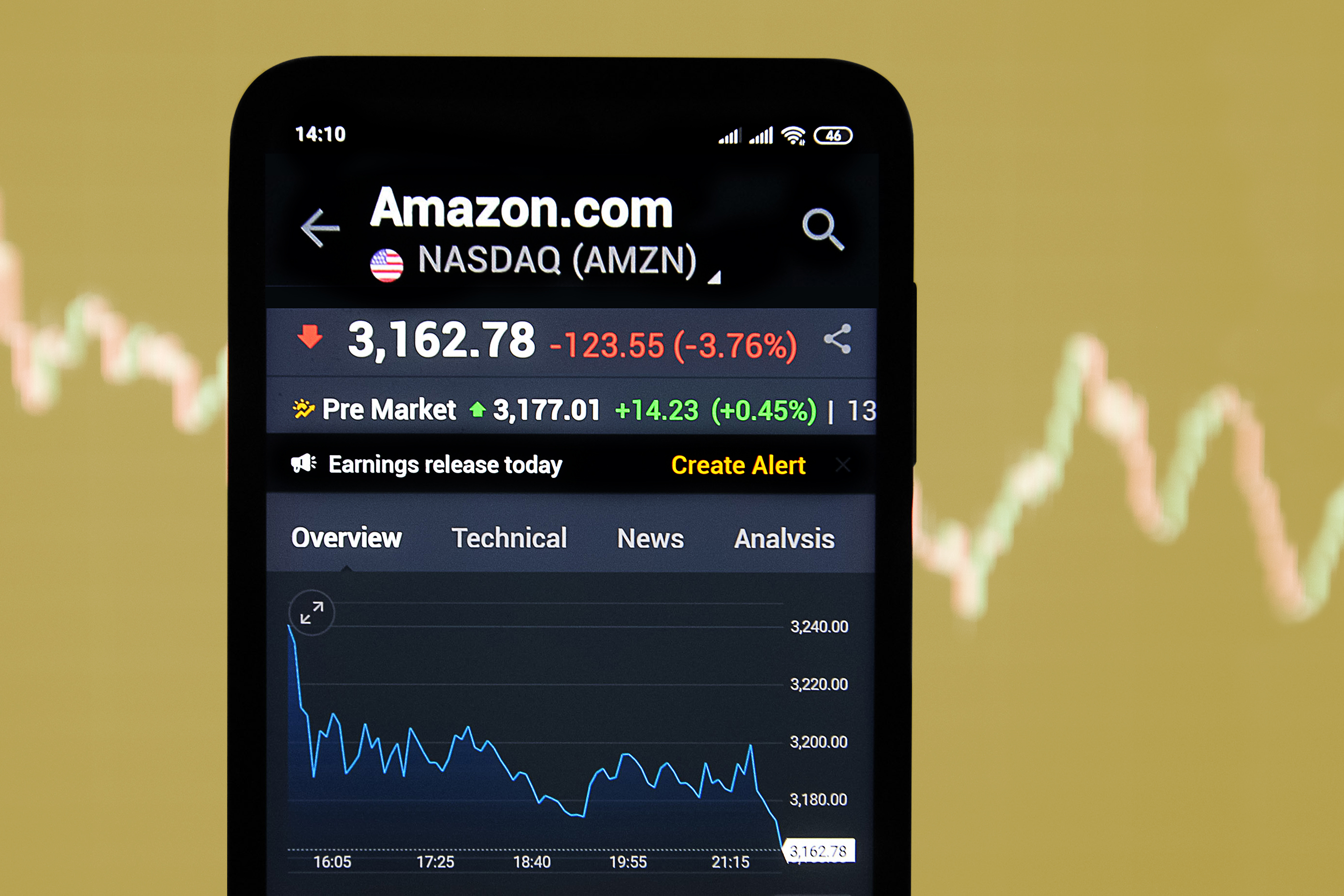
Understanding Amazon as an Investment Vehicle
Before diving into the mechanics of purchasing Amazon stock, it’s crucial to understand what makes Amazon a compelling, albeit sometimes volatile, investment. A clear grasp of its business model, historical performance, and future prospects will equip you to make informed decisions.
A Brief Overview of Amazon’s Business Model
Amazon’s diversified business model is a key driver of its sustained growth. While it started with online retail, its ventures now span multiple high-growth sectors:
- E-commerce (Amazon.com): Still its most recognizable segment, encompassing online sales of goods, subscriptions (Amazon Prime), and third-party seller services. This segment benefits from network effects and a vast logistical infrastructure.
- Amazon Web Services (AWS): The leading cloud computing platform globally, providing on-demand cloud computing platforms and APIs to individuals, companies, and governments. AWS is a high-margin business and a significant profit engine for Amazon.
- Advertising: Amazon’s growing advertising business leverages its vast customer data and e-commerce platform, competing with digital advertising giants like Google and Meta.
- Other Ventures: This includes digital content (Prime Video, Amazon Music), artificial intelligence (Alexa), physical stores (Whole Foods Market), and devices (Kindle, Echo). These diverse streams provide multiple avenues for growth and resilience.
Historical Performance and Growth Drivers
Amazon’s stock performance has been nothing short of remarkable since its IPO in 1997. It has undergone multiple stock splits, making shares more accessible to a broader range of investors and reflecting its phenomenal growth. Key growth drivers include:
- Innovation: Amazon’s relentless pursuit of innovation, from one-click ordering to drone delivery concepts, keeps it ahead of the curve.
- Customer Centricity: Its strong focus on customer experience, expedited shipping, and competitive pricing has fostered unparalleled customer loyalty.
- Global Expansion: Continuous expansion into new international markets provides vast untapped potential.
- Cloud Computing Dominance: AWS continues to be a powerhouse, fueling digital transformation for businesses worldwide.
Potential Risks and Opportunities
Like any investment, Amazon stock comes with its share of risks and opportunities.
- Risks: Intense competition in all its sectors, regulatory scrutiny (especially antitrust concerns), macroeconomic headwinds affecting consumer spending, and dependence on a complex global supply chain. Its high valuation can also make it susceptible to market corrections.
- Opportunities: Continued innovation in AI and machine learning, further expansion of AWS into new industries, growth in emerging markets, and the potential to disrupt new sectors. The stickiness of its Prime ecosystem further solidifies its market position.
Fundamental Ways to Invest in Amazon
Once you’ve assessed Amazon’s investment profile, the next step is to understand the different avenues available to gain exposure to its stock. Your choice will depend on your investment goals, risk tolerance, and the amount of capital you wish to deploy.
Direct Stock Purchase
The most straightforward method is to buy individual shares of Amazon stock. This gives you direct ownership and allows you to participate fully in the company’s performance.
- Pros: Direct control over your investment, potential for higher returns if the stock performs well.
- Cons: Higher risk due to lack of diversification; a single company’s performance dictates your return.
- Best for: Investors who have thoroughly researched Amazon, believe in its long-term potential, and are comfortable with the inherent volatility of individual stocks.
Exchange-Traded Funds (ETFs)
ETFs are baskets of securities that trade like individual stocks. Many ETFs include Amazon as a top holding, especially those focused on technology, growth, e-commerce, or large-cap companies.
- Pros: Instant diversification across multiple companies, often with lower expense ratios than mutual funds. You can still benefit from Amazon’s growth without putting all your eggs in one basket.
- Cons: You own a fraction of Amazon, not the whole share, so its impact on your overall return is diluted.
- Best for: Investors seeking diversified exposure to the tech sector or broad market indices where Amazon is a significant component.
Mutual Funds
Similar to ETFs, mutual funds pool money from many investors to purchase a diversified portfolio of stocks, bonds, or other securities. Actively managed mutual funds focusing on growth, large-cap, or tech stocks often include Amazon in their top holdings.
- Pros: Professional management, diversification, and potentially lower entry barriers than some individual stocks.
- Cons: Higher expense ratios compared to ETFs, potential sales loads, and less control over specific holdings.
- Best for: Investors who prefer professional management and broader diversification, and are willing to pay for expertise.
Robo-Advisors
Robo-advisors are automated digital platforms that provide algorithm-driven financial planning services with little to no human supervision. They build and manage diversified portfolios based on your risk tolerance and financial goals, often including large-cap tech stocks like Amazon.
- Pros: Low fees, automated rebalancing, diversified portfolios, and easy setup.
- Cons: Less personalized advice than a human advisor, limited customization options.
- Best for: Novice investors, those with smaller capital, or individuals who prefer a hands-off, automated approach to investing.
Steps to Buying Amazon Stock
Once you’ve decided on your preferred investment method, the practical steps to acquiring Amazon stock are relatively straightforward. This section outlines the process for direct stock purchases, which forms the basis for understanding other investment vehicles as well.
Open a Brokerage Account
The first step is to open an investment account with a reputable brokerage firm. Many online brokers offer commission-free trading, making it easier and more cost-effective for individual investors.
- Choosing a Broker: Look for platforms with low fees, a user-friendly interface, robust research tools, and excellent customer service. Popular options include Fidelity, Charles Schwab, Vanguard, E*TRADE, Robinhood, and Interactive Brokers.
- Types of Accounts:
- Taxable Brokerage Account: A standard investment account where capital gains and dividends are typically taxed annually.
- Individual Retirement Account (IRA): Tax-advantaged accounts (Traditional or Roth) designed for retirement savings. Investing in Amazon within an IRA can offer tax benefits.
Fund Your Account
After opening your account, you’ll need to deposit funds. Common methods include:
- Electronic Funds Transfer (ACH): Linking your bank account allows you to transfer money directly, usually taking 1-3 business days.
- Wire Transfer: A faster but often more expensive option for larger sums.
- Check Deposit: Less common, but still an option for some brokers.
Place Your Order
Once your account is funded, you can place an order to buy Amazon stock.
- Search for AMZN: Use the stock ticker symbol “AMZN” to find Amazon on your broker’s platform.
- Specify Quantity: Decide how many shares you want to buy.
- Choose Order Type:
- Market Order: Buys or sells shares immediately at the best available price. While quick, the execution price might differ slightly from the displayed price, especially in volatile markets.
- Limit Order: Allows you to specify the maximum price you’re willing to pay per share. Your order will only execute if the stock reaches or falls below that price. This offers more control but might not execute if the price doesn’t hit your limit.
- Review and Confirm: Double-check all details before confirming your purchase.
Fractional Shares
For investors with smaller budgets, many brokers now offer fractional shares. This allows you to invest a specific dollar amount (e.g., $100) into Amazon stock, buying a fraction of a share, rather than needing to afford the full price of one whole share. This democratizes access to high-priced stocks.
Considerations Before Investing
Investing in a single company, even one as strong as Amazon, requires careful consideration. A holistic approach to your financial planning will ensure your investment decisions align with your broader goals and risk tolerance.
Define Your Investment Goals and Risk Tolerance
Before investing, clearly articulate what you hope to achieve (e.g., long-term growth, retirement savings) and your comfort level with potential losses. Amazon, while a growth stock, can experience significant price swings.
- Goals: Are you saving for a house down payment in five years or retirement in thirty? Your timeline impacts your strategy.
- Risk Tolerance: Would a 20% drop in Amazon’s stock price cause you to panic sell, or would you see it as a buying opportunity? Your emotional response to market fluctuations is critical.
Diversification is Key
While Amazon might seem like an unmissable opportunity, putting all your capital into a single stock is inherently risky. Diversification across different companies, industries, and asset classes (stocks, bonds, real estate) helps mitigate risk. If Amazon experiences a downturn, other investments in your portfolio might perform well, balancing out the losses. ETFs and mutual funds are excellent tools for achieving diversification.
Research and Due Diligence
Never invest based solely on hype or emotion. Conduct thorough research:
- Company Financials: Review Amazon’s quarterly and annual reports (10-Q and 10-K filings with the SEC). Pay attention to revenue growth, profitability, cash flow, and debt levels.
- Industry Trends: Understand the broader e-commerce, cloud computing, and advertising landscapes. How does Amazon fit into these trends?
- Analyst Reports & News: Read independent analyst opinions and stay updated on company news, regulatory developments, and market sentiment.
Cost Basis and Taxes
Understanding the tax implications of your investments is crucial. When you sell stock for a profit, you incur capital gains tax.
- Short-Term Capital Gains: Profits from selling stock held for one year or less are taxed at your ordinary income tax rate.
- Long-Term Capital Gains: Profits from selling stock held for more than one year are taxed at a lower, more favorable rate.
This tax treatment encourages long-term investing. Keep accurate records of your purchase price (cost basis) to correctly calculate gains or losses.
Long-Term Strategy and Monitoring
Investing in Amazon, particularly for growth, is often a long-term endeavor. A “set it and forget it” approach rarely works; continuous monitoring and strategic adjustments are often necessary.
Holding vs. Trading
For most individual investors, a long-term “buy and hold” strategy for a company like Amazon is more effective than short-term trading. Growth stocks require time for their underlying businesses to expand and for that growth to be reflected in stock price appreciation. Short-term trading is speculative, highly risky, and often less profitable for non-professionals after accounting for taxes and fees.
Rebalancing Your Portfolio
Over time, the weight of Amazon stock in your portfolio might grow significantly if it performs well. This can inadvertently increase your portfolio’s risk concentration. Periodically rebalancing your portfolio involves selling some of your overperforming assets (like Amazon) and buying underperforming ones to bring your asset allocation back to your desired target. This disciplined approach helps maintain your risk profile and secures some profits.

Staying Informed
The investment landscape is dynamic. While a long-term strategy is advised, it doesn’t mean ignoring your investments. Stay informed about Amazon’s quarterly earnings, strategic announcements, competitive landscape shifts, and any relevant regulatory news. This doesn’t mean reacting to every piece of news, but rather understanding significant developments that could impact the company’s long-term prospects.
In conclusion, investing in Amazon stock offers a compelling opportunity to participate in the growth of a global technology and commerce leader. By understanding Amazon’s business, choosing the right investment vehicle, following the practical steps to purchase, and maintaining a disciplined long-term strategy, you can confidently add this powerful company to your investment portfolio. Remember, patience, due diligence, and diversification are your greatest allies in the journey to financial success.
aViewFromTheCave is a participant in the Amazon Services LLC Associates Program, an affiliate advertising program designed to provide a means for sites to earn advertising fees by advertising and linking to Amazon.com. Amazon, the Amazon logo, AmazonSupply, and the AmazonSupply logo are trademarks of Amazon.com, Inc. or its affiliates. As an Amazon Associate we earn affiliate commissions from qualifying purchases.