
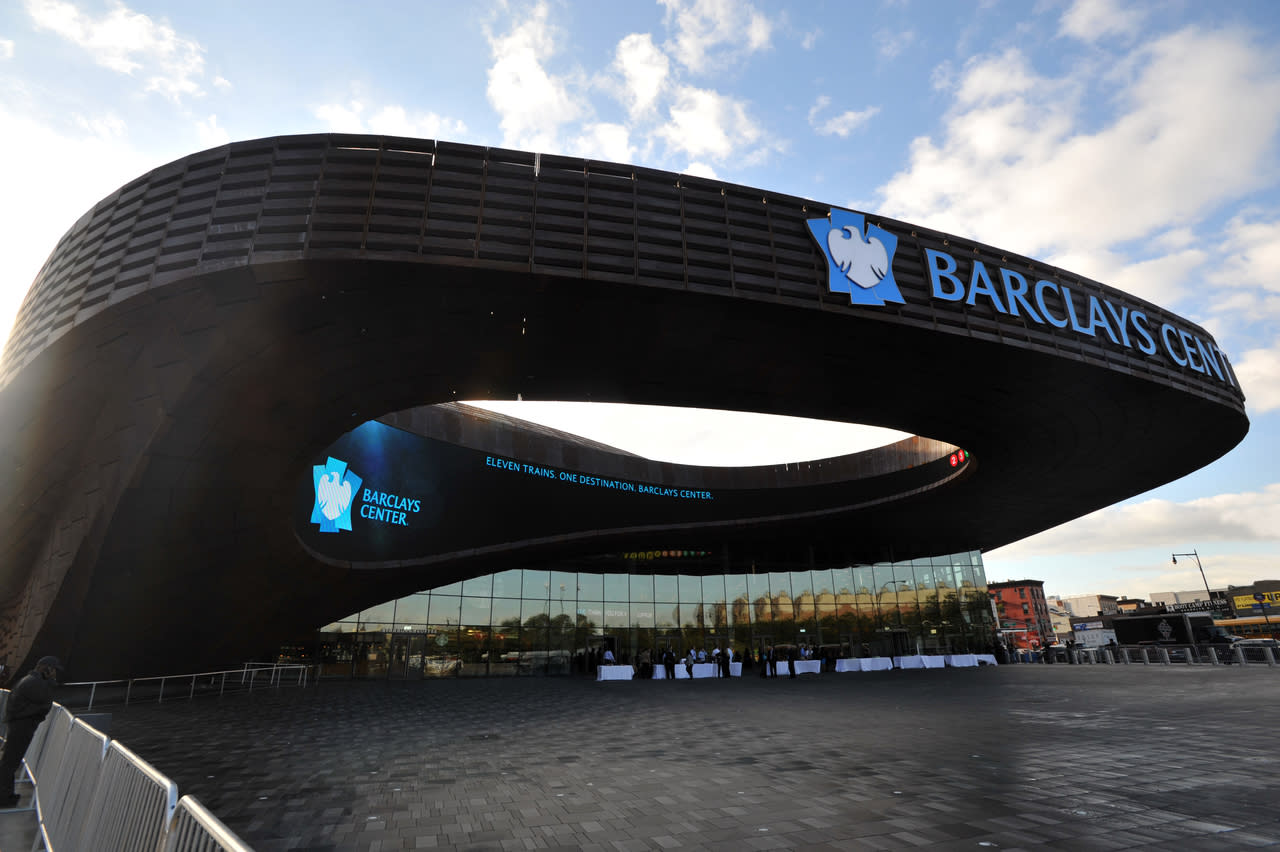
Barclays Center isn’t merely an address; it is a meticulously positioned brand landmark, a vibrant nexus that profoundly shapes and is shaped by the identity of Brooklyn. Located at 620 Atlantic Avenue in the heart of Downtown Brooklyn, adjacent to the Prospect Heights neighborhood, its physical placement is a masterstroke of urban branding and strategic market positioning. More than just a state-of-the-art arena, Barclays Center is a physical manifestation of Brooklyn’s contemporary brand—a blend of historic grit, modern dynamism, and undeniable cultural cachet. Its presence has redefined not only its immediate surroundings but also the global perception of one of New York City’s most storied boroughs, making its “where” central to its “what” and “why.”
The Strategic Nexus of Brooklyn’s Brand Identity
The decision to place Barclays Center in Downtown Brooklyn was far from arbitrary; it was a deliberate strategic choice to anchor a new era for the borough, intertwining the venue’s brand with Brooklyn’s burgeoning identity. Its location serves as a powerful symbol, a physical embodiment of the borough’s transformation and its unwavering commitment to culture, sports, and community.
A Landmark Anchoring the Urban Fabric
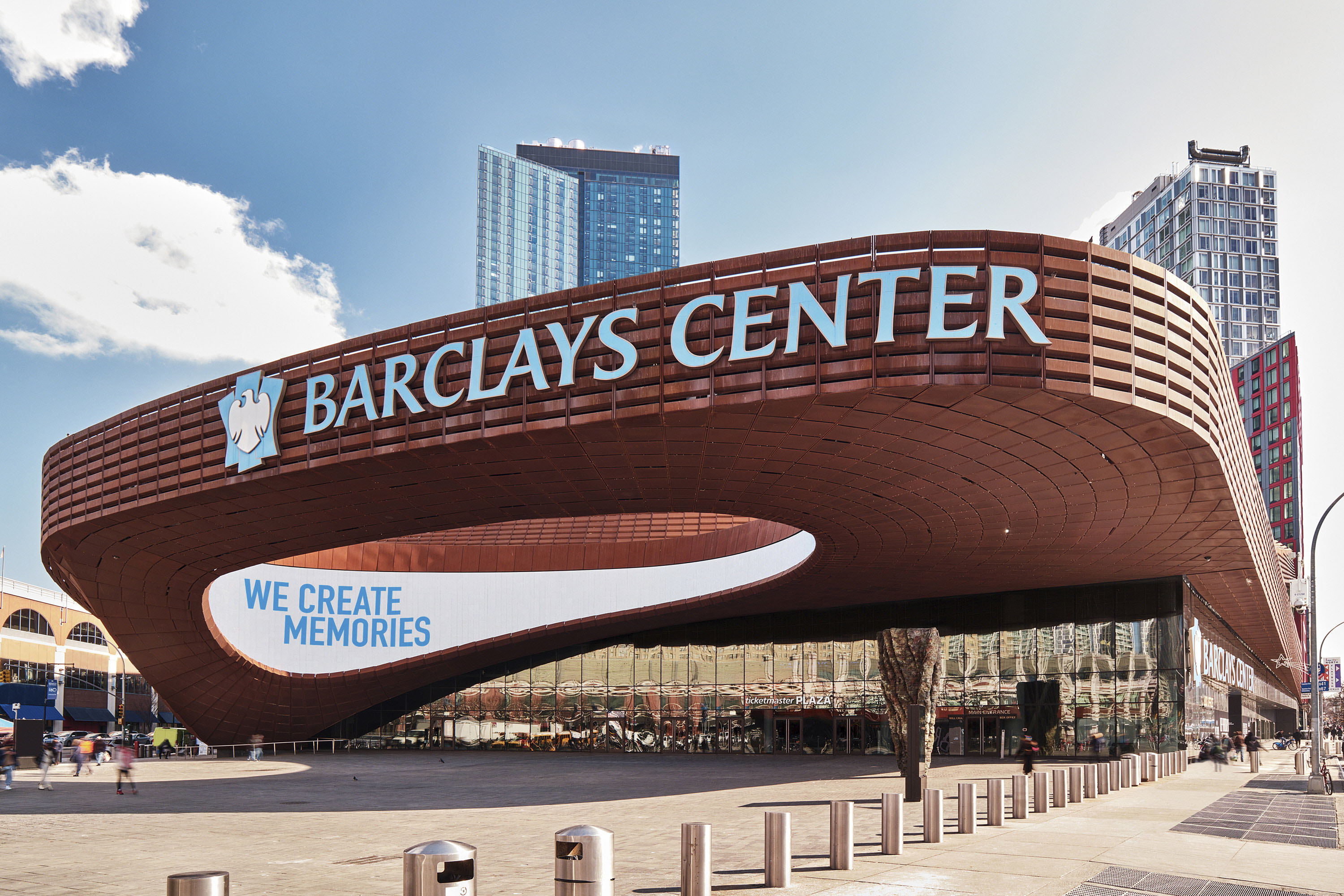
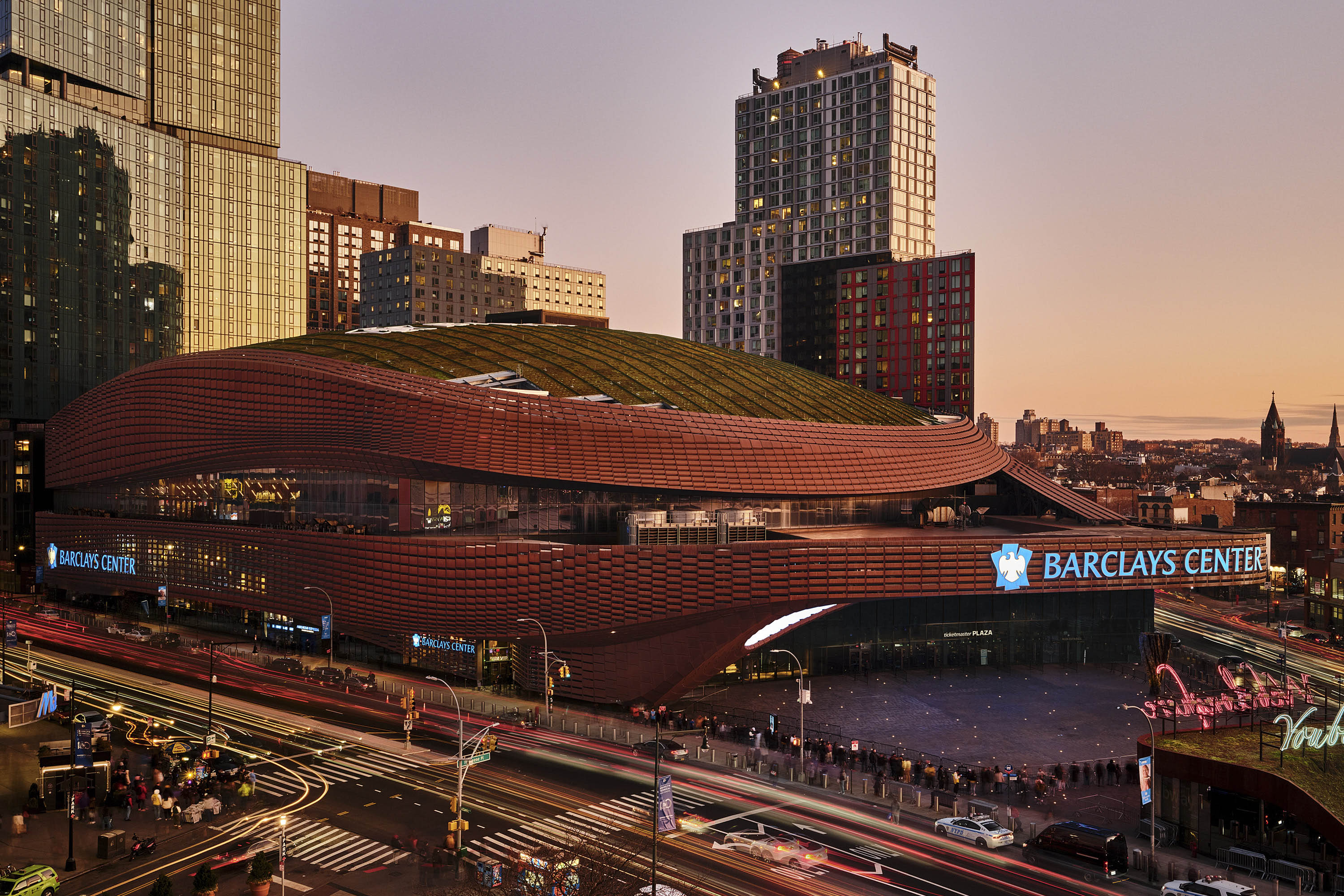
Barclays Center stands as a modern architectural marvel, its distinctive rusted steel façade a nod to Brooklyn’s industrial past while asserting its contemporary significance. Its prominent placement at the intersection of major avenues and transit lines immediately elevated its status beyond a mere building to a definitive landmark. For any brand, becoming a landmark is the ultimate expression of permanence and recognition. The Center doesn’t just exist in Brooklyn; it actively defines a significant portion of its skyline and streetscape, offering a constant visual cue that reinforces its brand presence. This strategic positioning means that whether one is navigating by subway, bus, or car, the Center’s striking silhouette serves as an unmistakable beacon, solidifying its place in the collective consciousness as the sports and entertainment hub of Brooklyn. This physical anchor provides a stable point of reference, essential for building brand recall and association within a dense urban environment.
Evolution of a Borough’s Image
Before Barclays Center, Brooklyn’s brand narrative, while rich in history and diversity, often lacked a singular, modern focal point. The borough was celebrated for its brownstones, cultural enclaves like DUMBO and Williamsburg, and its independent spirit. However, the arrival of a major professional sports team (the NBA’s Brooklyn Nets) and a world-class entertainment venue under one roof provided a new, potent ingredient to this brand mix. The Center became a catalyst, drawing national and international attention, effectively rebranding Brooklyn as a major league city. This infusion of high-profile events, celebrity presence, and architectural ambition diversified Brooklyn’s brand portfolio. It moved from being perceived primarily as a historic residential area or an artistic enclave to a dynamic global destination capable of hosting major sporting events, concerts, and cultural spectacles. The Barclays Center’s location became synonymous with this upward trajectory, allowing Brooklyn to project an image of contemporary sophistication and boundless energy, while still retaining its authentic charm.
Barclays Center: A Brand’s Physical Manifestation
For a brand, its physical location is not just a logistical detail but a core component of its identity, influencing how it is perceived, experienced, and remembered. Barclays Center’s situation in Brooklyn exemplifies this principle, leveraging its surroundings to amplify its brand appeal.
The Power of Place in Brand Recognition
The choice of Brooklyn as the home for Barclays Center imbues the brand with a distinct personality. It’s not just “an arena”; it’s “Brooklyn’s arena,” inheriting the borough’s reputation for authenticity, innovation, and diverse appeal. This geographical branding strategy taps into Brooklyn’s powerful narrative, allowing the Center to resonate with audiences who identify with the borough’s unique cultural cachet. The synergy is profound: the Center boosts Brooklyn’s image, and in turn, Brooklyn lends its cool factor to the Center. This mutual enhancement creates a brand recognition that is deeply rooted and emotionally resonant, far beyond what a generic venue in a less defined location could achieve. The sense of place is so strong that the Center has become an emblem, inseparable from the “Brooklyn” identity, making it a powerful magnet for both residents and visitors seeking an authentic Brooklyn experience.
Crafting Experiences Through Location
A brand’s promise is delivered through experience, and for Barclays Center, its location is instrumental in crafting that experience. The immediate vicinity of the Center is a bustling urban landscape, rich with dining, shopping, and entertainment options. This ensures that a visit to Barclays Center extends beyond the event itself, becoming an immersive outing. The convenient access to multiple subway lines, the Long Island Rail Road, and various bus routes makes it incredibly accessible, reducing logistical friction—a critical factor in positive brand experience. Furthermore, its proximity to diverse neighborhoods means patrons can seamlessly integrate their event attendance with exploration of Prospect Heights, Fort Greene, or Park Slope, adding layers to their experience. This intentional design of accessibility and integration into the urban fabric elevates the Barclays Center brand from a venue to a destination, offering a comprehensive and compelling brand experience that begins long before the event starts and lingers long after it ends.
Marketing Brooklyn Through Its Marquee Venue
The Barclays Center isn’t just a beneficiary of Brooklyn’s brand; it’s a primary engine for marketing the borough itself, leveraging its high-profile events and global reach to spotlight Brooklyn on an international stage.
Leveraging Location for Global Appeal
Hosting NBA games, major concerts, and international events, Barclays Center effectively transforms its physical location into a global stage for Brooklyn. Every broadcast, every concert ticket sold, every international tour stop announcement carries the “Brooklyn” name far and wide. This sustained global visibility serves as an invaluable marketing tool for the borough, attracting tourists, businesses, and new residents who are captivated by the energy and opportunity associated with this marquee venue. The image projected is one of a vibrant, capable, and culturally significant urban center. For a borough that once struggled with negative perceptions, the Center’s presence has helped reposition Brooklyn in the global imagination as a dynamic, forward-thinking metropolis, leveraging its specific physical address to build an encompassing and attractive global brand.
Economic & Cultural Ripple Effects on the Brand of Brooklyn
The presence of Barclays Center creates a powerful feedback loop, generating significant economic activity and cultural enrichment that further solidifies Brooklyn’s brand. Local businesses thrive on event nights, new developments sprout around the arena, and property values reflect the area’s renewed desirability. This economic vitality reinforces the perception of Brooklyn as a place of growth and opportunity. Culturally, the Center’s diverse programming—from sports to pop concerts, family shows to community events—caters to a broad demographic, strengthening Brooklyn’s image as an inclusive and diverse cultural hub. These tangible and intangible ripple effects contribute significantly to Brooklyn’s overall brand equity, demonstrating that the borough is not just a place to live, but a place to experience, invest, and thrive. The Center becomes a symbol of this renewed prosperity and cultural vibrancy, weaving itself into the fabric of the borough’s brand narrative.
The Barclays Naming Rights: A Symphony of Brands
The name “Barclays Center” itself is a prime example of strategic brand alignment, showcasing how a corporate entity can integrate its identity with a major public venue to achieve mutual benefits and enhance brand recognition.
Financial Brand Meets Entertainment Icon
The naming rights deal between the Barclays financial institution and the arena is a textbook example of co-branding strategy. For Barclays, sponsoring a prominent venue in a major global city like New York offers unparalleled brand visibility and association with high-energy, aspirational events. It positions Barclays not merely as a financial service provider but as a brand embedded in culture and lifestyle, enhancing its corporate identity. For the arena, the association with a globally recognized financial powerhouse like Barclays lends credibility, stability, and a sense of gravitas. It elevates the venue’s brand by aligning it with a reputable and established global enterprise. This symbiotic relationship ensures that both brands benefit from shared exposure and positive connotations, demonstrating how carefully chosen partnerships can amplify brand reach and perception. It’s a strategic alliance that transcends mere advertising, embedding the financial brand directly into the cultural landscape.
Maintaining Brand Integrity and Local Relevance
A critical aspect of such a co-branding strategy is ensuring that the corporate sponsor’s global identity resonates with the local context of the venue. Barclays, while a global brand, has been strategic in its association with the Brooklyn Nets and the Center, demonstrating a commitment that goes beyond just monetary sponsorship. This involves local community engagement, supporting borough initiatives, and ensuring that the Barclays name feels integrated into the Brooklyn narrative, rather than imposed upon it. This delicate balance of global brand integrity and local relevance is crucial for long-term success. It ensures that the Barclays Center brand maintains its authenticity and connection with the Brooklyn community, while also projecting a sophisticated, international image. The ability of the Barclays brand to feel both globally significant and locally connected is a testament to the power of strategic brand management in a complex urban environment.
Future-Proofing the Barclays Center Brand in a Dynamic City
In a city as dynamic and ever-evolving as Brooklyn, the Barclays Center brand cannot afford to be static. Its future relevance depends on its ability to adapt, innovate, and continuously reinforce its value proposition.
Adapting to Urban Development and Shifting Demographics
Brooklyn’s landscape is constantly changing, with new residential towers, commercial spaces, and cultural institutions emerging. For Barclays Center, maintaining its brand prominence means actively engaging with and adapting to these developments. This includes strategic partnerships with new businesses in its vicinity, ensuring seamless integration with new transit options, and anticipating the needs of evolving demographic shifts in the borough. The brand must remain agile, understanding that its audience is not fixed but grows and changes with Brooklyn. By proactively responding to urban growth and shifts in its constituent communities, the Barclays Center can ensure its brand remains fresh, relevant, and deeply embedded in the lives of a new generation of Brooklynites and visitors. This foresight in urban branding is essential for any long-term landmark.
Digital Presence Augmenting Physical Location
While its physical location is paramount, the Barclays Center brand leverages a robust digital presence to augment its brick-and-mortar reality. Its website, social media channels, and mobile applications serve as extensions of the physical venue, allowing it to engage with audiences globally, provide real-time information, and foster a strong online community. This digital layer enhances the brand experience, enabling virtual tours, easy ticket purchasing, and behind-the-scenes content that deepens fan engagement. In an increasingly digital world, the successful brand integrates its physical presence with a compelling online narrative. For Barclays Center, this means using digital tools to amplify its events, celebrate its Brooklyn identity, and ensure that its brand remains accessible and engaging even when patrons are not physically present. This integrated approach ensures the Barclays Center brand continues to thrive as a beacon of entertainment and a symbol of Brooklyn’s enduring appeal.
aViewFromTheCave is a participant in the Amazon Services LLC Associates Program, an affiliate advertising program designed to provide a means for sites to earn advertising fees by advertising and linking to Amazon.com. Amazon, the Amazon logo, AmazonSupply, and the AmazonSupply logo are trademarks of Amazon.com, Inc. or its affiliates. As an Amazon Associate we earn affiliate commissions from qualifying purchases.