
When investors ask “how much does Apple stock cost?”, they’re often seeking a straightforward number. However, the true answer is far more nuanced than a single dollar amount. The price of a share of Apple (ticker symbol: AAPL) is a dynamic figure, fluctuating constantly with market forces, company performance, and broader economic trends. More importantly, understanding Apple’s “cost” involves delving into valuation metrics that go far beyond its per-share price, providing a holistic view for informed investment decisions within the vast landscape of personal finance and investing.
The Dynamics of Apple’s Stock Price (AAPL)
The journey to understanding Apple’s stock “cost” begins with recognizing its inherent volatility and the various factors that contribute to its daily valuation. A stock price is a snapshot, not a static entity.
What “Cost” Really Means: Per-Share Price vs. Total Investment
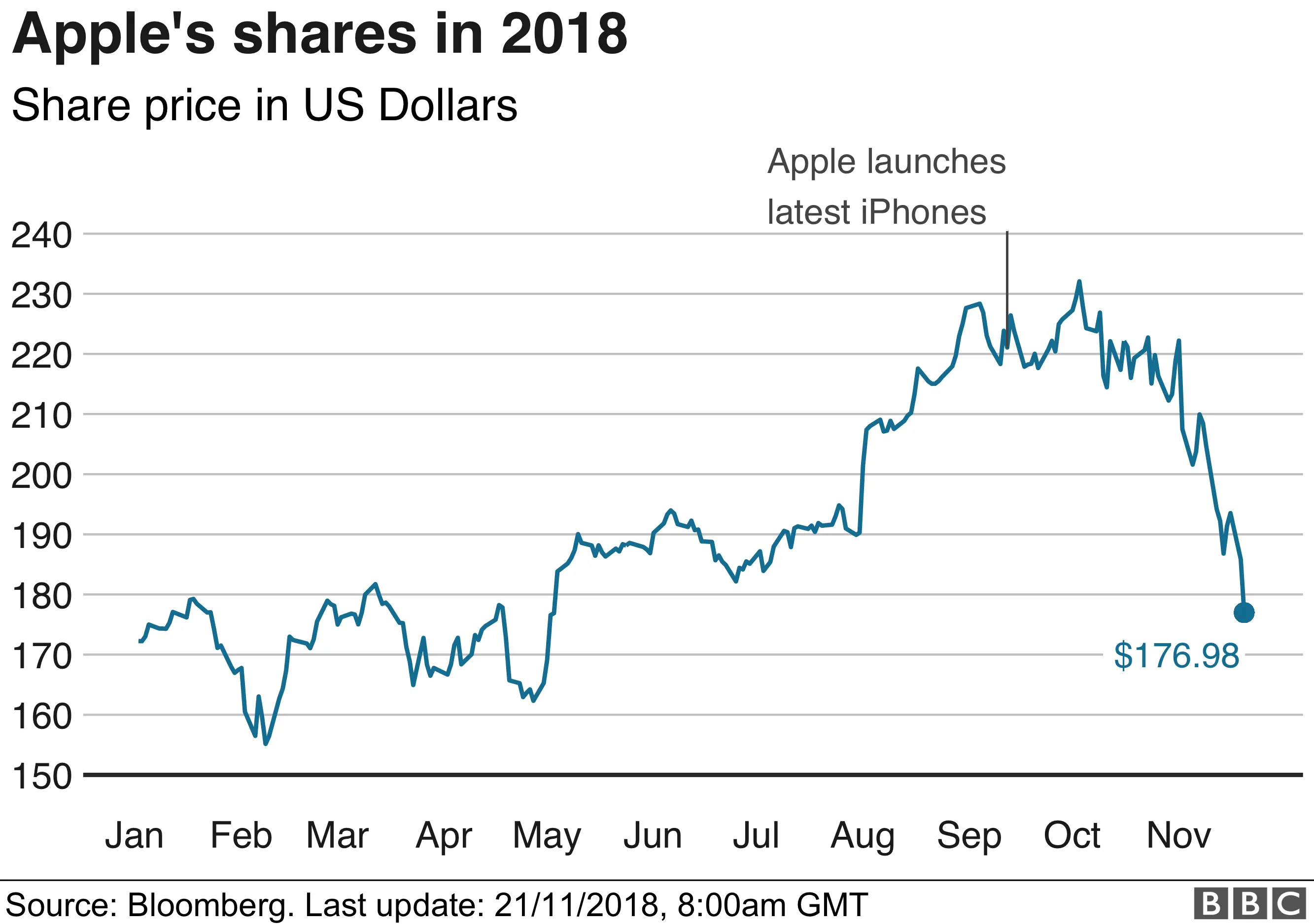
At its most basic, the “cost” of Apple stock refers to its per-share price – the amount of money you would pay for a single share at a given moment. This price is determined by the last transaction on an exchange, reflecting a dynamic equilibrium between buyers and sellers. It’s crucial to understand that buying a share means owning a tiny fraction of the company, not buying “Apple” itself. The total investment an individual makes depends entirely on the number of shares they purchase. For instance, if Apple stock trades at $170 per share, buying 10 shares would cost $1,700 (plus any brokerage fees). This immediate, per-share price is what most people initially refer to, but it’s only one piece of the investment puzzle.
Real-time Fluctuation and Market Factors
Apple’s stock price, like virtually all publicly traded securities, is in constant motion during market hours. This real-time fluctuation is a direct consequence of supply and demand. Positive news about Apple (e.g., strong earnings report, successful product launch, favorable analyst rating) can increase demand, pushing the price up. Conversely, negative news (e.g., supply chain issues, regulatory challenges, weaker-than-expected sales) can decrease demand, causing the price to fall. Broader market sentiment, economic indicators (like inflation or interest rates), and even geopolitical events also play significant roles, creating a complex web of influences that contribute to AAPL’s minute-by-minute price changes.
Historical Performance and Splits
Apple’s history is one of remarkable growth, punctuated by strategic stock splits designed to make shares more accessible to a broader range of investors. A stock split increases the number of shares outstanding while simultaneously reducing the price per share proportionally, meaning the overall market capitalization (total value of the company) remains the same. For example, a 4-for-1 split means that for every one share an investor owned, they now own four, but each of those four shares is worth one-fourth of the original share’s price. Apple has executed multiple splits throughout its history, notably a 2-for-1 split in 2005, a 7-for-1 split in 2014, and a 4-for-1 split in 2020. These splits dramatically reduce the per-share “cost” while maintaining the total value of an investor’s holdings, often making the stock more appealing to retail investors and potentially increasing liquidity. Understanding this history is vital, as it explains why a single share today is much “cheaper” than a single share was decades ago, despite the company’s exponential increase in value.
Beyond the Share Price: Understanding Valuation
While the per-share price is the entry point, savvy investors understand that it’s merely a symptom of a company’s underlying value. To truly assess “how much Apple stock costs” in a meaningful sense, one must look at comprehensive valuation metrics.
Market Capitalization: The True Scale of Apple’s Value
Market capitalization, or “market cap,” provides a far more accurate representation of a company’s total value than its per-share price alone. Calculated by multiplying the current share price by the total number of outstanding shares, market cap reflects what the entire company is theoretically worth on the open market. Apple has historically been one of the world’s largest companies by market cap, often crossing the trillion-dollar and even multi-trillion-dollar thresholds. This colossal market cap signifies investors’ collective belief in Apple’s financial strength, brand power (though we’re sticking to Money niche, brand power translates into financial performance), and future growth prospects. A high share price from a company with few outstanding shares might have a smaller market cap than a company with a lower share price but billions of shares outstanding. Therefore, market cap is a critical metric for comparing Apple’s scale against other corporate giants, providing context beyond the individual share price.
Key Financial Metrics for Assessing Apple (and any stock)
Serious investors delve into a company’s financial statements to assess its health and potential. Several key metrics are particularly illuminating for Apple:
- Earnings Per Share (EPS): This metric indicates how much profit the company makes for each outstanding share of stock. A consistently growing EPS is generally a positive sign, reflecting increasing profitability. Investors look for trends in EPS and compare it against analyst expectations.
- Price-to-Earnings (P/E) Ratio: The P/E ratio is derived by dividing the current share price by the annual EPS. It tells investors how much they are willing to pay for each dollar of a company’s earnings. A high P/E ratio might suggest investors expect strong future growth, while a lower P/E could indicate undervaluation or slower growth expectations. Comparing Apple’s P/E to its historical average and to industry peers (e.g., other large-cap tech companies) helps gauge if the stock is relatively “expensive” or “cheap” based on its earnings power.
- Revenue Growth: While EPS focuses on profit, revenue growth indicates the company’s ability to increase its sales of products and services. For a company as mature and large as Apple, consistent revenue growth, even if modest, is a testament to its continued ability to innovate and expand its market reach.
- Free Cash Flow (FCF): FCF represents the cash a company generates after accounting for cash outflows to support operations and maintain its capital assets. It’s a crucial indicator of a company’s financial flexibility, its ability to pay dividends, repurchase shares, pay down debt, or invest in future growth. Apple’s substantial FCF generation is a cornerstone of its financial strength.
The Influence of Dividends and Share Buybacks
Apple actively returns capital to shareholders through both dividends and share buybacks, which significantly influence the perceived value and attractiveness of its stock.
- Dividends: Apple pays a quarterly dividend, a portion of its earnings distributed to shareholders. For income-focused investors, the dividend yield (dividend per share divided by the stock price) is an important consideration. A consistent and growing dividend signals financial stability and shareholder-friendliness.
- Share Buybacks: Apple frequently engages in massive share buyback programs, purchasing its own stock from the open market. This reduces the number of outstanding shares, which in turn increases the EPS (as the same total earnings are divided by fewer shares) and can boost the share price. These programs are often seen as a signal that management believes the company’s stock is undervalued and is a highly efficient way to return capital to shareholders. Both dividends and buybacks contribute to the total return an investor can expect from holding Apple stock, making the “cost” of the shares more palatable over time.
Factors Influencing Apple’s Stock Performance

Understanding the daily gyrations and long-term trajectory of Apple’s stock price requires a keen eye on a multitude of influencing factors, from internal company performance to global economic shifts.
Company Performance and Innovation Cycle
At the heart of Apple’s stock valuation is its ability to consistently perform and innovate. The company’s product launch cycles are closely watched events. Key drivers include:
- Product Launches: The success of new iPhone models, Mac updates, Apple Watch iterations, and new product categories (like the Vision Pro) directly impacts revenue and investor sentiment. Strong sales figures following these launches can propel the stock upwards.
- Services Growth: Apple has strategically shifted towards growing its Services segment (App Store, Apple Music, iCloud, Apple Pay, advertising). This recurring revenue stream provides greater predictability and higher margins, making it a critical component of Apple’s long-term investment thesis and a significant factor in its valuation.
- Supply Chain Management: Given Apple’s global manufacturing footprint, its ability to manage its complex supply chain, mitigate disruptions, and maintain production efficiency directly impacts its ability to meet demand and, consequently, its financial results.
Macroeconomic Trends and Industry Headwinds
No company, not even one as dominant as Apple, is immune to broader economic forces.
- Macroeconomic Environment: Factors like inflation, interest rate changes (which can impact borrowing costs and discount rates for future earnings), consumer spending confidence, and employment rates all influence the demand for Apple’s premium products and services. A strong economy generally bodes well for Apple, while downturns can lead to reduced consumer spending on discretionary items.
- Regulatory Scrutiny and Geopolitical Tensions: Apple, as a market leader, faces increasing regulatory scrutiny worldwide, particularly concerning antitrust issues, app store policies, and data privacy. Potential fines or forced changes to its business model could impact profitability. Geopolitical tensions, especially between the U.S. and China, can also create significant headwinds given Apple’s substantial manufacturing presence and sales market in the region.
- Competition in the Tech Sector: While Apple holds a unique position, it constantly faces fierce competition from other tech giants in various segments (smartphones, personal computing, streaming services). The ability to maintain its competitive edge through innovation and ecosystem strength is paramount.
Analyst Ratings and Investor Sentiment
The collective opinion of market professionals and the broader investor community plays a considerable role in daily stock price movements.
- Analyst Ratings: Investment banks and financial research firms publish regular reports and ratings (e.g., “buy,” “hold,” “sell”) on Apple stock. Upgrades or downgrades can influence institutional investors and often trigger immediate shifts in demand, impacting the share price.
- Investor Sentiment: Beyond fundamental analysis, the overall mood of the market or specific investor groups can drive prices. Fear, greed, and speculation, often fueled by news cycles or social media trends, can lead to overreactions, causing the stock to become temporarily overvalued or undervalued relative to its intrinsic worth.
Investing in Apple: Practical Considerations
For those considering adding Apple stock to their portfolio, understanding the practicalities of investing and the inherent risks is as important as knowing its current “cost.”
How to Buy Apple Stock
Investing in Apple stock has become highly accessible:
- Brokerage Accounts: The primary way to buy AAPL shares is through an investment brokerage account. These can be traditional full-service brokers or, more commonly, online discount brokers (e.g., Fidelity, Schwab, E*TRADE, Robinhood). Opening an account typically involves providing personal information and linking a bank account.
- Fractional Shares: Many online brokers now offer fractional shares, allowing investors to buy a portion of a single share. This means you don’t need hundreds of dollars to buy a full share of Apple; you could invest as little as $5 or $10, making it easier for new investors to gain exposure to high-priced stocks.
- ETFs/Mutual Funds: For those seeking diversified exposure without picking individual stocks, many Exchange Traded Funds (ETFs) and mutual funds include Apple as a top holding, particularly those tracking major indices (like the S&P 500) or focusing on technology or growth stocks.
Understanding Risk and Diversification
While Apple has a strong track record, no investment is without risk.
- Market Risk: Even the most stable companies can see their stock prices decline due to broader market downturns or economic crises.
- Company-Specific Risk: Despite its size, Apple faces specific risks such as product failure, increased competition, regulatory challenges, or leadership changes.
- Diversification: A fundamental principle of investing is diversification. While Apple may be an attractive investment, putting all your capital into a single stock, no matter how robust, exposes you to significant unsystematic risk. A diversified portfolio, spread across different asset classes, industries, and geographies, helps mitigate the impact of poor performance from any single investment.

Long-term vs. Short-term Investing
Apple is often considered a staple for long-term growth-oriented portfolios.
- Long-term Hold: Many investors buy Apple stock with the intention of holding it for many years, benefiting from potential capital appreciation and consistent dividend payments. This strategy focuses on the company’s fundamental strength and long-term growth trajectory rather than daily price fluctuations.
- Short-term Trading: While possible, actively trading Apple stock in the short term (day trading, swing trading) involves significant risk, requires deep market knowledge, and often incurs higher transaction costs. It’s generally not recommended for novice investors. For most, Apple’s appeal lies in its compounding returns over extended periods.
In conclusion, “how much does Apple stock cost?” is a question that opens the door to a deeper exploration of financial markets, valuation principles, and personal investing strategies. It’s not just about the current dollar amount per share, but about understanding market capitalization, interpreting financial metrics, recognizing influential factors, and aligning investment decisions with a well-thought-out financial plan. Investing in Apple, like any stock, demands informed analysis, a realistic understanding of risk, and often, a long-term perspective to fully realize its potential within a diversified financial portfolio.
aViewFromTheCave is a participant in the Amazon Services LLC Associates Program, an affiliate advertising program designed to provide a means for sites to earn advertising fees by advertising and linking to Amazon.com. Amazon, the Amazon logo, AmazonSupply, and the AmazonSupply logo are trademarks of Amazon.com, Inc. or its affiliates. As an Amazon Associate we earn affiliate commissions from qualifying purchases.