
Prepaid cards, often colloquially referred to as “prepaid credit cards,” offer a versatile financial tool for managing expenses, controlling spending, and facilitating transactions without the complexities of traditional credit lines or bank accounts. Unlike a credit card that allows you to borrow money, a prepaid card requires you to load funds onto it in advance, making it more akin to a debit card in function but without direct linkage to a checking account. Understanding where to obtain these cards and how to choose the right one is crucial for leveraging their benefits effectively within your personal finance strategy.
Understanding Prepaid Cards: A Financial Tool
Before delving into acquisition channels, it’s essential to grasp the fundamental nature of prepaid cards, their target audience, and how they differ from other payment methods. This foundational knowledge empowers consumers to make informed decisions that align with their financial needs.
What is a Prepaid Card?
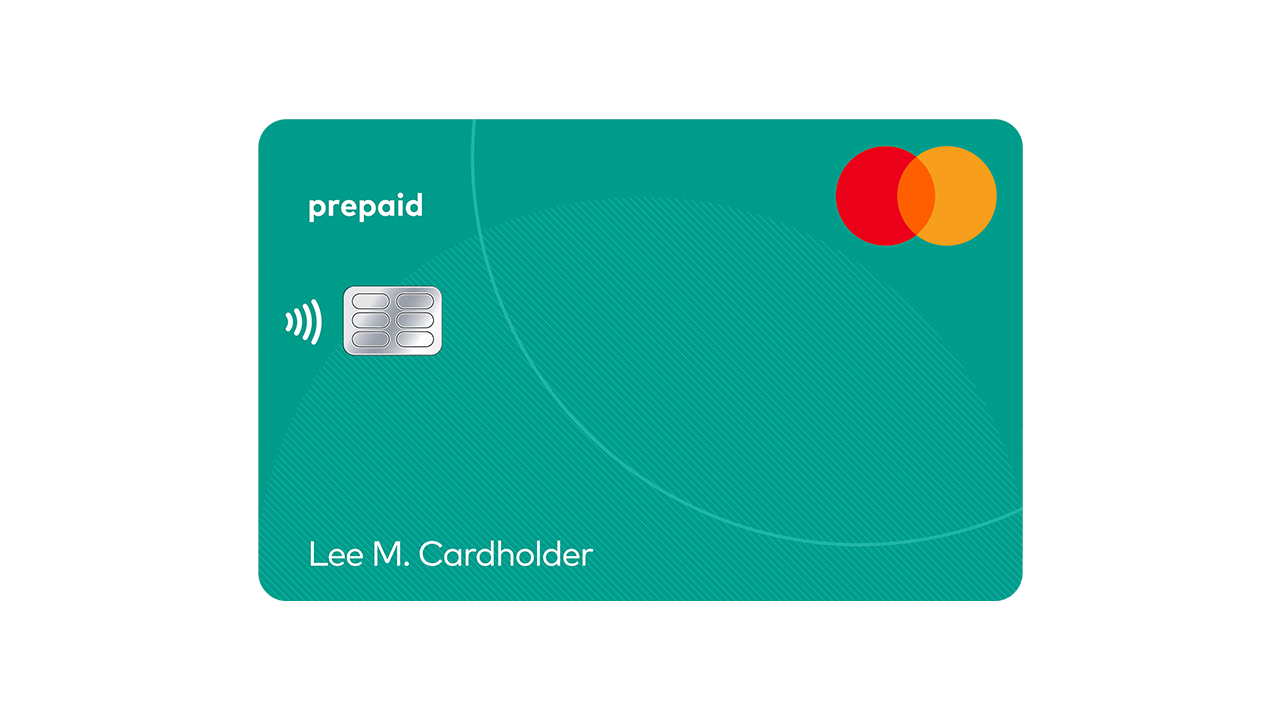
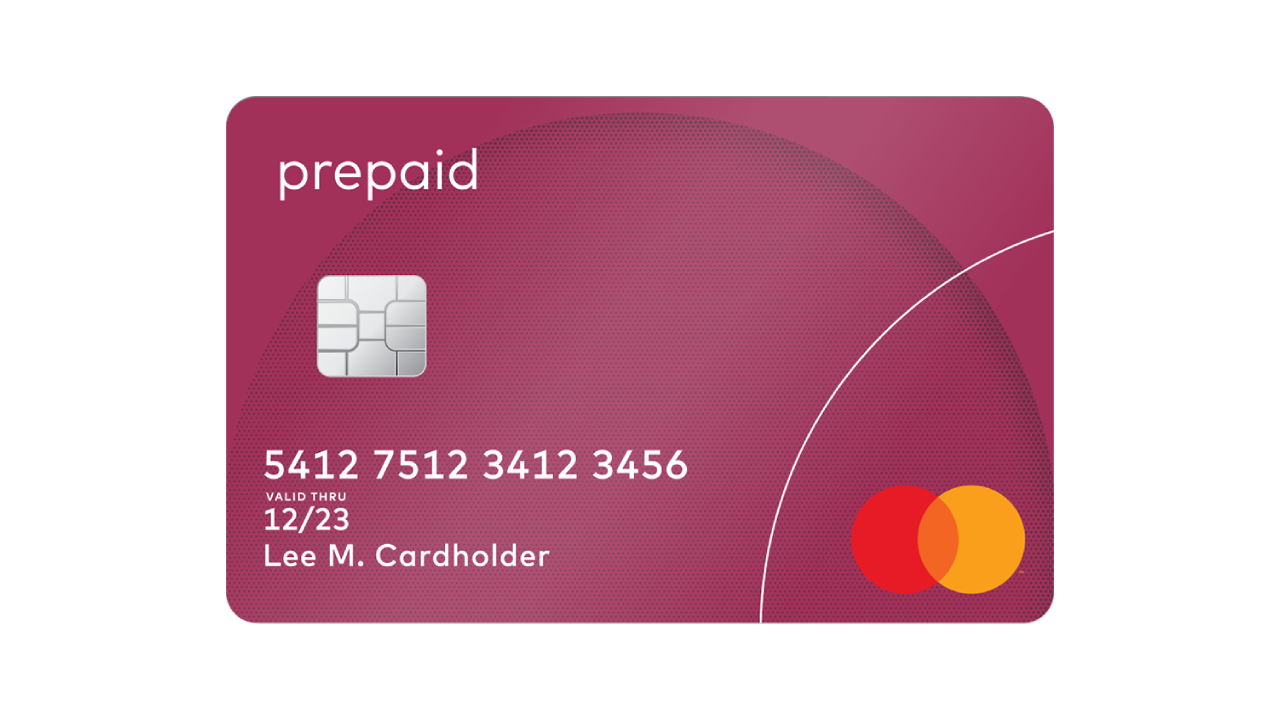
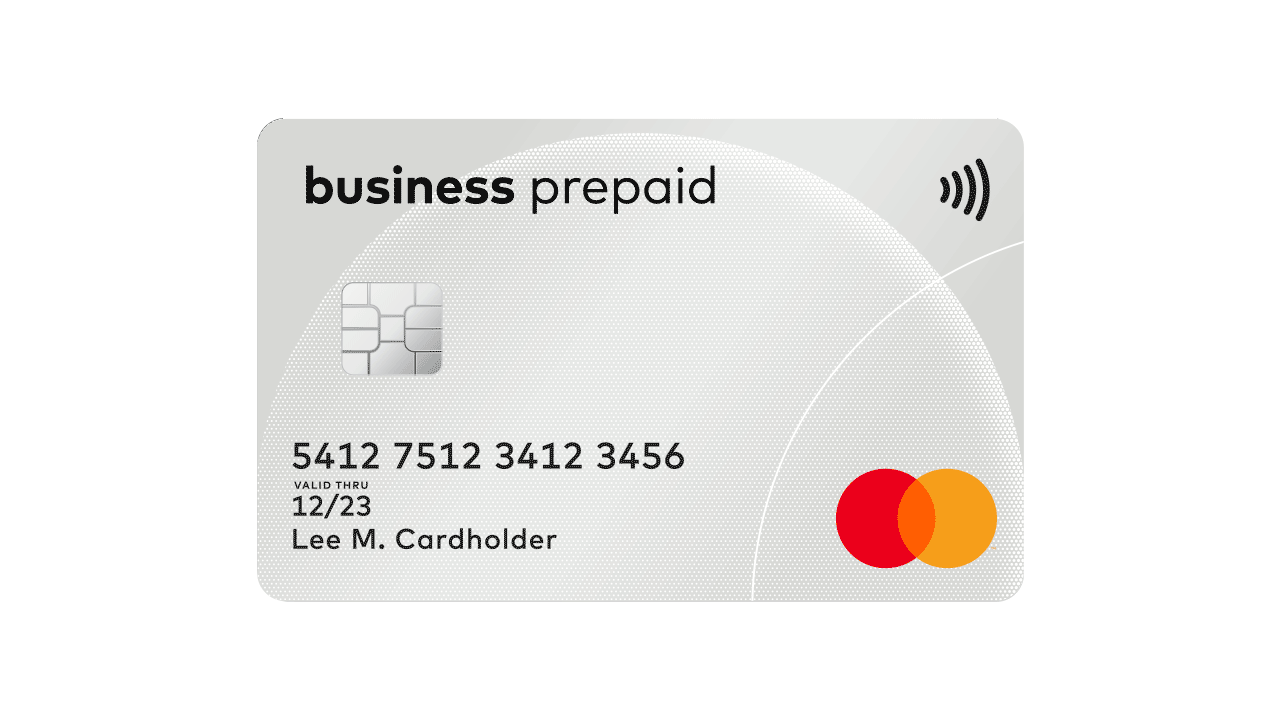
A prepaid card is a payment card loaded with funds before use. It carries a specific monetary value that can be spent wherever cards from its associated network (Visa, Mastercard, American Express, Discover) are accepted. Once the funds are depleted, the card can often be reloaded with more money, making it a sustainable tool for ongoing financial management. These cards are not linked to a bank account in the traditional sense, nor do they extend a line of credit. Instead, they operate on the money you’ve already placed on them, providing a clear boundary for spending. This “pay-as-you-go” model offers significant advantages for budgeting and avoiding debt.
Who Benefits from Prepaid Cards?
Prepaid cards serve a diverse demographic. They are particularly beneficial for individuals who:
- Do not have a traditional bank account: For the unbanked or underbanked, prepaid cards offer a pathway to participate in the digital economy, enabling online purchases, bill payments, and secure transactions without cash.
- Seek strict budgeting control: By loading a specific amount, users can prevent overspending, making them ideal for managing discretionary income, allowances for children, or travel budgets.
- Want to avoid debt: Unlike credit cards, prepaid cards cannot lead to debt, as you can only spend what you’ve loaded. This makes them a safer alternative for those prone to accumulating credit card balances.
- Need a secure alternative to cash: Carrying large amounts of cash can be risky. Prepaid cards offer a more secure option, as they can often be registered and replaced if lost or stolen, with funds protected (subject to specific terms).
- Are traveling internationally: Some prepaid cards offer competitive exchange rates or reduced foreign transaction fees, making them a practical option for managing travel expenses.
- Have poor or no credit history: Since prepaid cards do not require a credit check, they are accessible to almost anyone, including those with limited credit history or past financial difficulties. While they don’t directly build credit, they provide a valuable financial tool for transactional needs.
Key Differences from Debit and Credit Cards
It’s vital to distinguish prepaid cards from their debit and credit counterparts:
- Credit Cards: Offer a revolving line of credit that you borrow against, requiring repayments and accruing interest if balances are carried. They impact your credit score. Prepaid cards do not involve borrowing and do not directly affect your credit score.
- Debit Cards: Directly linked to your checking account, deducting funds immediately. While similar to prepaid cards in using your own money, debit cards require a bank account. Prepaid cards operate independently of a traditional bank account.
- Overdraft Protection: Debit cards sometimes allow overdrafts, leading to fees. Credit cards have credit limits. Prepaid cards simply decline transactions if insufficient funds are available, preventing overdrafts and associated charges.
Major Sources for Obtaining Prepaid Cards
The market for prepaid cards has expanded significantly, offering numerous options from various providers. Knowing where to look is the first step in acquiring one that fits your financial profile.
Retail Stores and Convenience Stores
One of the most accessible ways to get a prepaid card is by purchasing one off the shelf at various retail locations. Major retailers, supermarkets, pharmacies, and convenience stores commonly stock a range of popular prepaid card brands. These typically include cards from major payment networks like Visa and Mastercard, often branded by financial service providers.
- Examples: Walmart, Target, CVS, Walgreens, 7-Eleven, grocery stores.
- Process: You typically purchase the card for a small activation fee, then load funds onto it at the register. Some cards may require online registration before full functionality or FDIC insurance kicks in. This method offers immediate access for basic transactions.
Online Providers and Fintech Companies
The digital landscape has fostered a robust ecosystem of online-only prepaid card providers and fintech companies. These platforms often specialize in specific features, such as low fees, robust mobile apps, or integrated budgeting tools.
- Examples: Netspend, Green Dot, Chime (though Chime offers full banking services, their debit card functions similarly to a prepaid in terms of using your own funds), PayPal Prepaid Mastercard.
- Process: You apply online, providing personal information for identity verification. The card is then mailed to your address. Funds can usually be loaded via direct deposit, bank transfer, or at participating retail locations. These providers often offer more advanced features like online bill pay, sub-accounts, and personalized financial insights.
Banks and Credit Unions
While some traditional banks and credit unions prefer to promote their checking accounts and debit cards, an increasing number now offer their own branded prepaid card options. These can be particularly appealing if you already have a relationship with a financial institution or prefer the familiarity and trust associated with established banks.
- Examples: Wells Fargo (EasyPay Card), U.S. Bank (ReliaCard), or specific regional credit unions. Availability varies widely.
- Process: You can inquire about prepaid card options at a local branch or through their website. They often require similar identity verification as opening a bank account. Funds can be easily transferred from existing bank accounts or loaded through conventional methods.
Payroll Card Programs
Many employers, especially those with a significant unbanked workforce or those looking to streamline payroll, offer prepaid cards as an alternative to paper paychecks or direct deposit to a traditional bank account. These are known as payroll cards.
- Process: Your employer will set up the card for you, and your wages will be directly loaded onto it each pay period. These cards often come with specific features and fee structures agreed upon by the employer, so it’s important to understand the terms. They provide a convenient way for employees to access their earnings without a bank account.
Factors to Consider Before Getting a Prepaid Card
Choosing the right prepaid card involves more than just finding a convenient location. A careful evaluation of various factors will ensure the card meets your financial needs without unexpected costs.
Fees and Charges
Prepaid cards are known for their fee structures, which can vary significantly. Common fees include:
- Activation Fees: A one-time fee to purchase and activate the card.
- Monthly Maintenance Fees: A recurring fee, though many cards offer ways to waive this (e.g., direct deposit a minimum amount).
- Transaction Fees: Charges for specific transactions like ATM withdrawals (especially out-of-network), balance inquiries, or foreign transactions.
- Reload Fees: A fee incurred each time you add money to the card, particularly if done at a retail location.
- Inactivity Fees: Charged if the card remains unused for a certain period.
- Card Replacement Fees: If your card is lost or stolen.
Thoroughly review the cardholder agreement to understand all potential fees before committing.
Reloading Options
Consider how you will regularly add funds to the card. Common reloading methods include:
- Direct Deposit: Your paycheck or government benefits are automatically loaded onto the card. Often the most convenient and cost-effective.
- Bank Transfers: Moving money from a traditional bank account.
- Retail Loads: Adding cash at participating stores (e.g., Western Union, MoneyGram, specific retailers). These often incur a fee.
- Mobile Check Deposit: Depositing a check using a card’s mobile app (if available).
- Card-to-Card Transfers: Sending money from one prepaid card to another.
The ease and cost of reloading will impact the card’s overall utility.
FDIC Insurance and Security
For peace of mind, ensure your prepaid card is issued by an FDIC-insured bank (or NCUA-insured credit union). This protects your funds up to $250,000 in the event the issuing institution fails. Most reputable prepaid cards are issued by banks that provide this insurance, but it’s always worth confirming. Additionally, check for fraud protection policies, such as zero-liability protection, which shields you from unauthorized transactions if your card is lost or stolen. Registering your card is usually a prerequisite for these protections.
Card Features and Benefits
Beyond basic spending, some prepaid cards offer additional features that can enhance their value:
- Online Bill Pay: Conveniently pay bills directly from your card’s balance.
- Mobile App Access: Manage your account, check balances, and track transactions on the go.
- Sub-accounts: Create separate virtual accounts for specific budgeting goals.
- Cash Back Rewards: A rare but appealing feature where you earn a percentage back on purchases.
- Early Direct Deposit: Some cards allow access to direct deposit funds up to two days early.
Identity Verification Requirements
While prepaid cards don’t require a credit check, nearly all reputable cards issued in the U.S. require identity verification (KYC – Know Your Customer) to comply with federal regulations. This typically involves providing your name, address, date of birth, and Social Security number. This process is essential for protecting your funds, enabling FDIC insurance, and preventing illicit activities. Be wary of any prepaid card that doesn’t require identity verification, as it may not offer the same protections or legitimacy.
The Application and Activation Process
Getting a prepaid card is generally a straightforward process, whether you pick one up at a store or apply online.
Purchasing Off the Shelf
If you’re buying a card at a retail location, simply take the desired card to the checkout counter. You’ll pay the card’s activation fee and load an initial amount of funds. The card will be activated for basic use immediately upon purchase and loading. For full features, fraud protection, and FDIC insurance, you will almost always need to register the card online with your personal details.
Online Application Steps
For cards offered by online providers or banks, the application process is similar to opening an online account:
- Visit the provider’s website: Navigate to the prepaid card section.
- Fill out the application form: Provide your personal information, including full name, address, date of birth, and Social Security number.
- Review terms and conditions: Carefully read the cardholder agreement, particularly the fee schedule.
- Submit application: Once approved (which is usually instant as no credit check is involved), your card will be mailed to you, typically arriving within 7-10 business days.
Activating Your Card
Regardless of how you obtained your card, activation is a critical step. Most cards can be activated online via the provider’s website or by calling a toll-free number. You will usually need to provide the card number, security code (CVV), and sometimes your date of birth or a PIN you set during registration. Activation ensures your card is ready for use and often links it to your identity for security and protective features.
Maximizing the Value of Your Prepaid Card
A prepaid card can be a powerful financial instrument when used strategically.
Budgeting and Spending Control
One of the primary advantages of a prepaid card is its ability to enforce strict budgeting. By loading only the amount you intend to spend for a specific category (e.g., groceries, entertainment, travel), you create an immediate spending limit. This “envelope system” in digital form can significantly aid in managing discretionary funds and preventing impulse purchases, helping you stay within your financial goals.
Building a Digital Footprint (Carefully)
For individuals without traditional bank accounts, a prepaid card provides a legitimate way to engage in online transactions, pay bills, and make purchases where cash isn’t accepted. This facilitates participation in the digital economy and can slowly build a transactional history, which, while not directly credit history, can be beneficial for other financial services down the line. However, always be mindful of where you use your card and protect your card details to prevent fraud.
Avoiding Common Pitfalls
To get the most out of your prepaid card, be proactive in avoiding common issues:
- Read the Fee Schedule: Never assume a card is “free.” Understand every potential charge.
- Register Your Card: This is crucial for FDIC insurance, fraud protection, and accessing all features.
- Monitor Your Balance: Regularly check your balance to avoid declined transactions or overspending. Utilize mobile apps or online portals.
- Set Up Direct Deposit: Where possible, this often waives monthly fees and simplifies reloading.
- Know Your Customer Service Options: Understand how to contact support for issues, disputes, or lost cards.
By carefully selecting and managing your prepaid card, you can harness its potential as a flexible and secure tool for personal financial management, offering convenience and control without the burden of debt.
aViewFromTheCave is a participant in the Amazon Services LLC Associates Program, an affiliate advertising program designed to provide a means for sites to earn advertising fees by advertising and linking to Amazon.com. Amazon, the Amazon logo, AmazonSupply, and the AmazonSupply logo are trademarks of Amazon.com, Inc. or its affiliates. As an Amazon Associate we earn affiliate commissions from qualifying purchases.