
American Express Membership Rewards (MR) points are often lauded as one of the most flexible and valuable loyalty currencies available in the personal finance landscape. However, unlike a simple cash back reward with a fixed monetary equivalent, the true value of Amex points is dynamic, fluctuating significantly based on how they are earned, and more importantly, how they are redeemed. Understanding this variability is crucial for anyone looking to maximize their financial utility and ensure they are not leaving substantial value on the table. For the astute financial planner, Amex points represent a powerful tool to achieve savings on travel, experiences, or even reduce everyday expenses, provided one approaches their management with a strategic mindset.
The Multi-Faceted Nature of Amex Membership Rewards Points
At its core, the value of Amex points stems from the diverse array of redemption options offered. Unlike proprietary airline miles or hotel points tied to a single brand, Membership Rewards provides unparalleled flexibility, acting as a transferable currency. This flexibility, while a primary strength, also introduces the complexity of varying values per point depending on the chosen redemption path.
Understanding Membership Rewards (MR) Currency
Membership Rewards is the proprietary loyalty program of American Express, primarily associated with their charge and credit cards like the Amex Platinum, Gold, Green, and EveryDay cards. Points are accumulated through spending, welcome bonuses, and referral programs. What sets MR points apart is their status as a “transferable currency.” This means points are not confined to Amex’s own ecosystem for redemption but can be moved to a multitude of partner loyalty programs, predominantly airlines and hotels. This transferability is the cornerstone of their potentially high value, allowing cardholders to arbitrage opportunities across different loyalty programs.
Fixed-Value vs. Variable-Value Redemption Paths
Amex redemptions generally fall into two broad categories, each with distinct implications for point value:
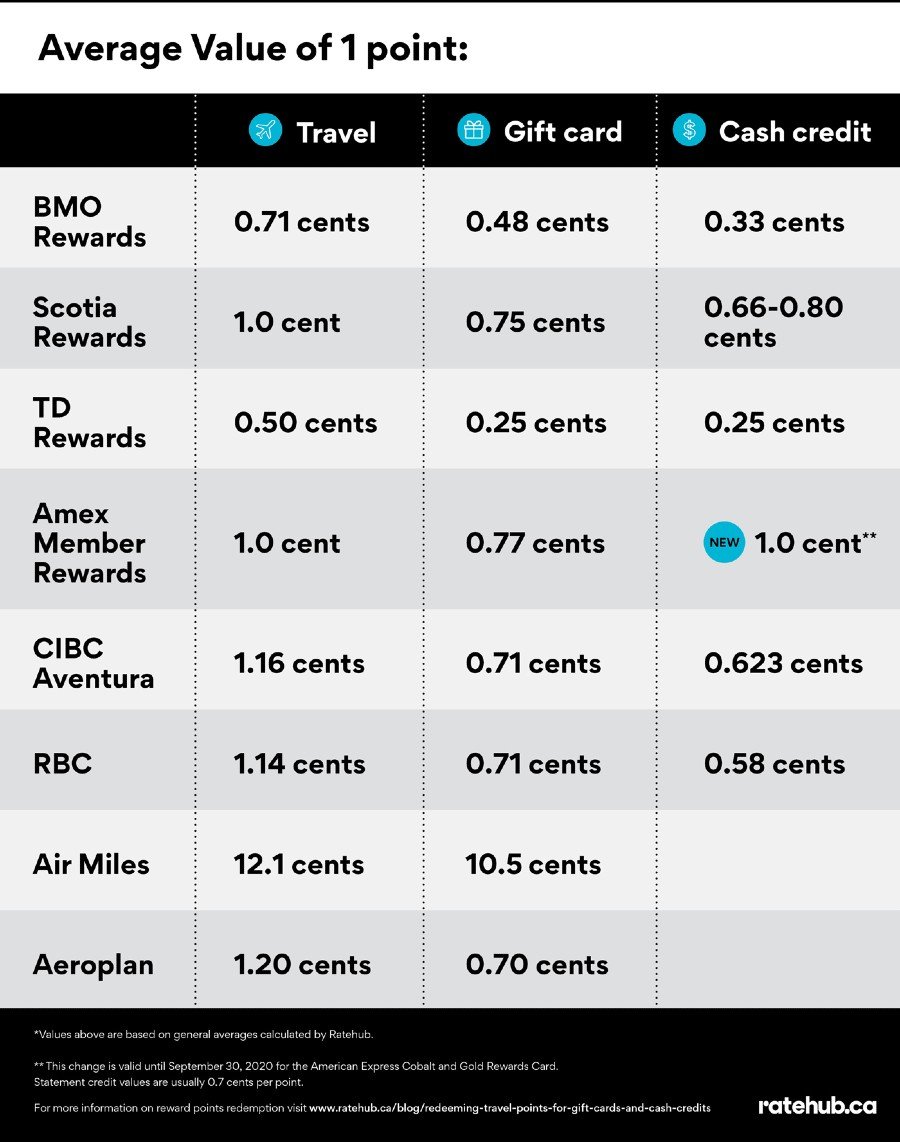
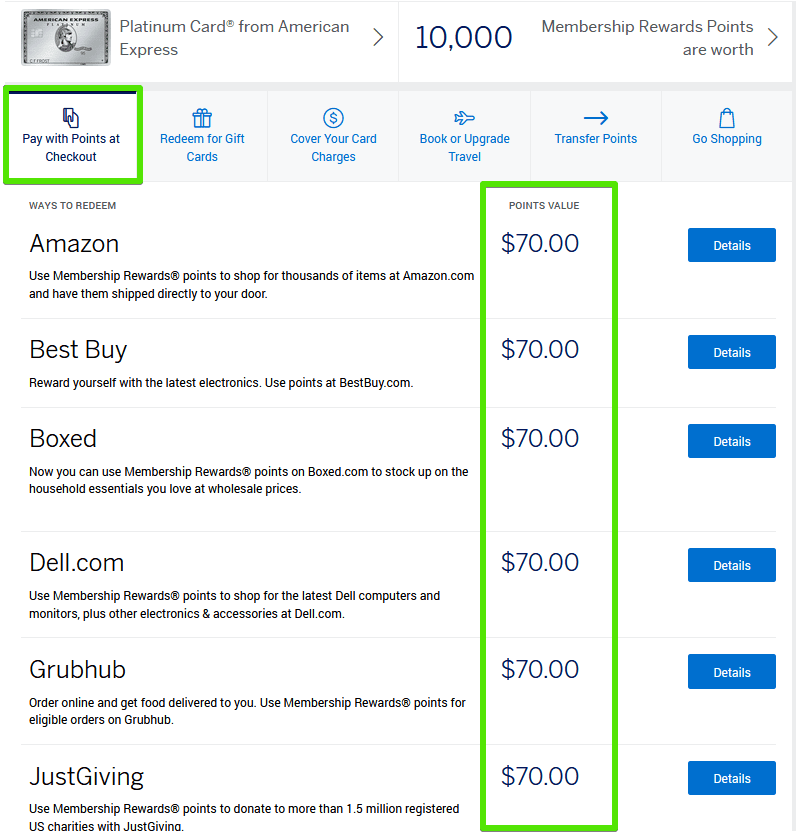
- Fixed-Value Redemptions: These options provide a consistent, predictable, but generally lower value per point. Examples include using points for statement credits, gift cards, merchandise through Amex’s portal, or booking travel directly through Amex Travel. For instance, redeeming points for a statement credit typically yields a value of 0.6 cents per point. While straightforward and convenient, these options often represent the floor of Amex point value, rarely delivering exceptional returns.
- Variable-Value Redemptions: This category primarily involves transferring points to Amex’s airline and hotel partners. The value per point here is not fixed; instead, it depends on the specific partner program, the redemption type (e.g., economy flight vs. business class), and current award availability. It is within this realm that Amex points can achieve their highest valuations, often exceeding 2 cents per point, sometimes even reaching 5 cents or more for premium travel redemptions. This variable nature necessitates a deeper understanding of loyalty programs and strategic planning to unlock maximum financial benefit.
Unlocking Maximum Value: Strategic Redemption Pathways
For financially savvy individuals, the objective with Amex points is almost always to transcend the fixed-value options and delve into the variable-value redemptions that offer a significantly higher return on their accumulated points.
The Power of Airline and Hotel Transfer Partners
The most powerful way to extract outsized value from Amex points is by transferring them to one of Amex’s numerous airline or hotel loyalty partners. Amex maintains partnerships with over 20 airlines and a handful of hotel chains, including major global carriers like Delta SkyMiles, British Airways Executive Club, Air Canada Aeroplan, Singapore Airlines KrisFlyer, Emirates Skywards, and Virgin Atlantic Flying Club, as well as hotel programs like Marriott Bonvoy and Hilton Honors.
When you transfer points, they typically convert at a 1:1 ratio, though promotional transfer bonuses (e.g., 25% or 30% extra points) can occasionally further amplify their worth. The real value comes from leveraging these transferred points for aspirational travel experiences, particularly in business or first class, where cash prices are often exorbitant.
Optimizing for Premium Travel Experiences
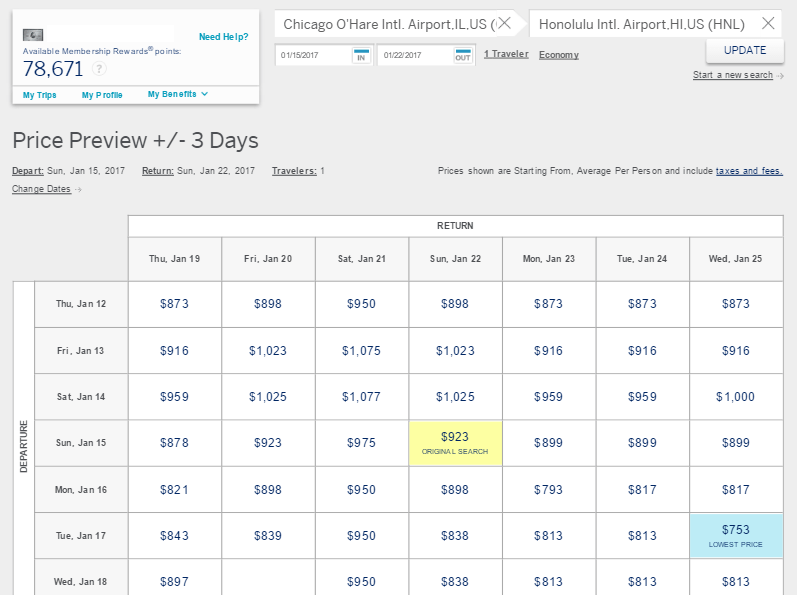
Consider a business class flight from the US to Europe, which might cost $5,000 in cash. Using Amex points transferred to an airline partner, that same flight could potentially be booked for 70,000 to 100,000 points, plus associated taxes and fees. If we assume 70,000 points for a $5,000 flight (ignoring taxes for simplicity), this translates to an impressive value of over 7 cents per point ($5,000 / 70,000 points). This significantly outperforms the typical 0.6 cents per point for a statement credit or 1 cent per point for a flight booked via the Amex Travel portal.
High-value redemptions are often found in:
- International Business and First Class Flights: This is where the highest “cents per point” values are typically achieved, as the cash price for these seats is disproportionately high compared to the number of points required.
- Strategic Economy Redemptions: While less glamorous, certain economy flights, especially for expensive routes or last-minute bookings, can also yield above-average value when booked through partners.
- Sweet Spots in Partner Programs: Many airline loyalty programs have “sweet spots” – specific routes or classes of service that require a comparatively low number of miles. Learning these can drastically enhance point value. For example, using Virgin Atlantic Flying Club miles for Delta One business class flights, or Avios for short-haul flights on partner airlines.
Cash Back, Gift Cards, and Other Redemptions: A Comparative Analysis
While not the optimal use, it’s important to understand the value propositions of other redemption methods:
- Statement Credits: As mentioned, 0.6 cents per point. This is the floor value and should generally be avoided unless you have an urgent need for cash flow and no alternative.
- Gift Cards: Typically yield 0.7 to 1 cent per point, depending on the merchant and any promotions. Marginally better than statement credits but still suboptimal compared to travel.
- Merchandise: Often yields well under 0.7 cents per point. Almost always a poor redemption choice.
- Booking Travel via Amex Travel Portal: Generally provides 1 cent per point for flights and 0.7 cents per point for hotels/rental cars. While convenient, it rarely offers the exceptional value found through transferring to partners, as it simply converts points to a cash equivalent for booking. The exception is when using points from a Business Platinum card for certain airfares, which can offer a 35% points rebate, effectively boosting the value to around 1.54 cents per point.
Quantifying Point Worth: A Personalized Approach
Determining the precise “value” of an Amex point is not a fixed calculation but rather a personal assessment based on individual redemption goals and opportunities. However, establishing a baseline and understanding the factors that influence your personal valuation is key.
Establishing a Baseline: The “Cents Per Point” Metric
The most common metric used to assess the value of loyalty points is “cents per point” (CPP). It’s calculated by dividing the cash cost of a redemption (minus any taxes and fees paid separately) by the number of points required, then multiplying by 100 to convert to cents.
- Formula: (Cash Value of Redemption / Number of Points Used) * 100 = Cents Per Point (CPP)
Using this, a redemption that costs $1,000 and requires 100,000 points yields 1 CPP. A $2,000 redemption for 100,000 points yields 2 CPP.
Industry benchmarks often suggest that:
- < 1 CPP: Poor value
- 1-1.5 CPP: Decent value, often achievable with simple redemptions
- > 2 CPP: Excellent value, typically achieved through strategic airline transfers
Factors Influencing Your Personal Point Value
Your individual valuation of Amex points will be influenced by several factors:
- Travel Goals: If your goal is luxury international travel, your potential for high CPP redemptions is significantly greater than if you only seek domestic economy flights.
- Flexibility: Being flexible with travel dates, destinations, and even airline partners can lead to discovering “sweet spots” and better award availability, thus increasing CPP.
- Time Horizon: If you need to redeem points quickly due to expiring points or immediate travel needs, you might settle for a lower CPP than someone planning a trip months or years in advance.
- Card Type: Certain Amex cards offer specific redemption bonuses (e.g., Amex Business Platinum’s 35% airline bonus), directly impacting the effective value.
- Geographic Location: Proximity to major airport hubs for specific airlines can affect the ease and cost of award travel.
- Personal Financial Situation: For someone struggling to pay bills, even a 0.6 CPP statement credit might offer significant immediate relief, making its subjective value higher for that individual, despite being numerically low.
Case Studies: Low-Value vs. High-Value Redemptions
- Low-Value Example: Using 100,000 Amex points for a $600 statement credit. (600 / 100,000) * 100 = 0.6 CPP. This is a financially inefficient use of points.
- Moderate-Value Example: Booking a domestic economy flight through the Amex Travel portal for $300, requiring 30,000 points. (300 / 30,000) * 100 = 1.0 CPP. A standard, but not exceptional, redemption.
- High-Value Example: Transferring 100,000 Amex points to an airline partner to book a business class flight valued at $4,000. (4,000 / 100,000) * 100 = 4.0 CPP. This demonstrates significant savings and an excellent return on your loyalty investment.
Earning Amex Points Wisely: Fueling Your Financial Goals
Understanding point value is only half the equation; acquiring points efficiently is equally important for maximizing your financial returns. Strategic earning focuses on leveraging welcome bonuses and optimizing spending categories.
Leveraging Welcome Offers and Category Bonuses
The most lucrative way to earn Amex points is through welcome bonuses when opening a new Amex card. These bonuses often range from 50,000 to 150,000 points for meeting specific spending requirements within a few months, representing thousands of dollars in potential travel value. Careful planning of new card applications around spending habits can significantly boost your point balance.
Beyond welcome offers, Amex cards are known for their category bonuses. For instance, the Amex Gold Card offers 4x points on US supermarkets and restaurant spending, while the Platinum Card offers 5x points on flights booked directly with airlines or via Amex Travel. Directing spending to these bonus categories ensures a faster accumulation of points, thereby accelerating your path to high-value redemptions.
Referral Programs and Everyday Spending Optimization
Amex also offers generous referral bonuses for existing cardmembers who refer new applicants. These bonuses can add tens of thousands of points to your account for each successful referral, making them a valuable earning stream. Additionally, utilizing Amex Offers for targeted spending discounts or bonus points can provide incremental gains. For everyday spending outside bonus categories, ensure you’re using a card that offers at least 1x point per dollar, or consider cards with a higher base earning rate if your spending doesn’t align with Amex’s bonus categories.
The Imperative of Strategic Point Management
Ultimately, the value of Amex points is not inherent but constructed through informed decision-making. Treating Membership Rewards points as a valuable financial asset, rather than just a casual perk, is the key to unlocking their full potential.
Avoiding Devaluation and Seizing Opportunities
Like any currency, loyalty points can be subject to devaluation. Airlines and hotels occasionally adjust their award charts, requiring more points for the same redemption. Therefore, holding points indefinitely without a redemption strategy carries a risk. Proactive monitoring of partner programs and being ready to act on attractive award opportunities or transfer bonuses is crucial to safeguard and enhance point value.
Integrating Points into Your Broader Financial Strategy
For those committed to smart personal finance, Amex points should be viewed as an extension of their overall financial strategy. They offer an alternative means to save money on significant expenses like travel, freeing up cash for investments, debt reduction, or other financial goals. By meticulously tracking earnings, understanding redemption options, and planning strategically, Amex points transcend mere rewards, becoming a powerful tool in your financial arsenal for optimizing expenditures and realizing aspirational experiences without impacting your cash flow.
aViewFromTheCave is a participant in the Amazon Services LLC Associates Program, an affiliate advertising program designed to provide a means for sites to earn advertising fees by advertising and linking to Amazon.com. Amazon, the Amazon logo, AmazonSupply, and the AmazonSupply logo are trademarks of Amazon.com, Inc. or its affiliates. As an Amazon Associate we earn affiliate commissions from qualifying purchases.