
Gift cards have become ubiquitous in modern commerce, serving as convenient presents, valuable rewards, and flexible budgeting tools. From birthdays to corporate incentives, these prepaid assets circulate billions of dollars annually. Yet, despite their widespread use, a common oversight often diminishes their utility: a lack of clarity regarding their remaining balance. Failing to know precisely how much money is loaded onto a gift card can lead to awkward moments at the checkout, forgotten funds, or even the complete forfeiture of value due to expiry or dormancy fees. Proactive gift card management, starting with a simple balance check, is not merely a matter of convenience; it’s a fundamental aspect of savvy personal finance, ensuring you extract every penny of value from these often-underestimated financial instruments.
This comprehensive guide will delve into the various methods available for checking your gift card balance, explore why this practice is crucial for financial well-being, and offer insights into maximizing the value of these versatile prepaid assets.
The Financial Utility of Gift Cards: More Than Just a Present
At their core, gift cards are a form of prepaid debit or credit, offering a fixed monetary value for future purchases. Understanding their underlying mechanics and appreciating their role within a broader financial strategy is the first step toward effective management.
Understanding Gift Card Mechanics
Gift cards generally fall into two main categories: store-specific (closed-loop) and open-loop.
- Store-specific cards are redeemable only at the issuing merchant or a group of affiliated stores (e.g., an Amazon gift card, a Starbucks card, a Sephora card). These are essentially a promise of future credit with that particular brand.
- Open-loop cards, typically branded with major payment networks like Visa, Mastercard, or American Express, function much like a debit card and can be used anywhere that network is accepted. While more versatile, they often come with purchase fees or more stringent terms.
Regardless of type, all gift cards are subject to specific terms and conditions. These can include expiration dates (though many states regulate or prohibit these), dormancy fees (fees charged after a period of inactivity), and limitations on how they can be used (e.g., no cash back, specific departments only). Being aware of these details is paramount to avoiding unexpected charges or loss of value.
Why Checking Your Balance Matters
Treating gift cards as mere pieces of plastic instead of valuable financial assets is a common mistake. Regularly checking their balance offers several tangible benefits:
- Avoidance of Embarrassment and Inconvenience: There’s nothing more frustrating than having a purchase declined because you misjudged a card’s balance. A quick check prevents this common retail hiccup.
- Maximizing Value and Preventing Loss: Forgotten or partially used cards often get stashed away and eventually expire or accrue dormancy fees, leading to a complete loss of the remaining funds. Regular checks encourage timely use.
- Budgeting and Financial Planning: Integrating gift card balances into your personal budget allows you to allocate specific funds for certain categories (e.g., using a restaurant gift card for dining out) without dipping into your primary bank account. This can free up cash flow for other expenses or savings goals.
- Fraud Prevention: While less common, gift cards can be susceptible to fraud. Checking a balance immediately upon receipt or before a major purchase can help identify if a card has been tampered with or its funds illicitly accessed.
Diverse Methods for Checking Your Gift Card Balance
The digital age has brought forth a multitude of ways to ascertain your gift card balance, moving beyond simple in-store inquiries. The method you choose often depends on the type of card and your preference for convenience.
Online Verification: The Digital Gateway
For many gift cards, especially those from major retailers or open-loop providers, checking your balance online is the quickest and most convenient method.
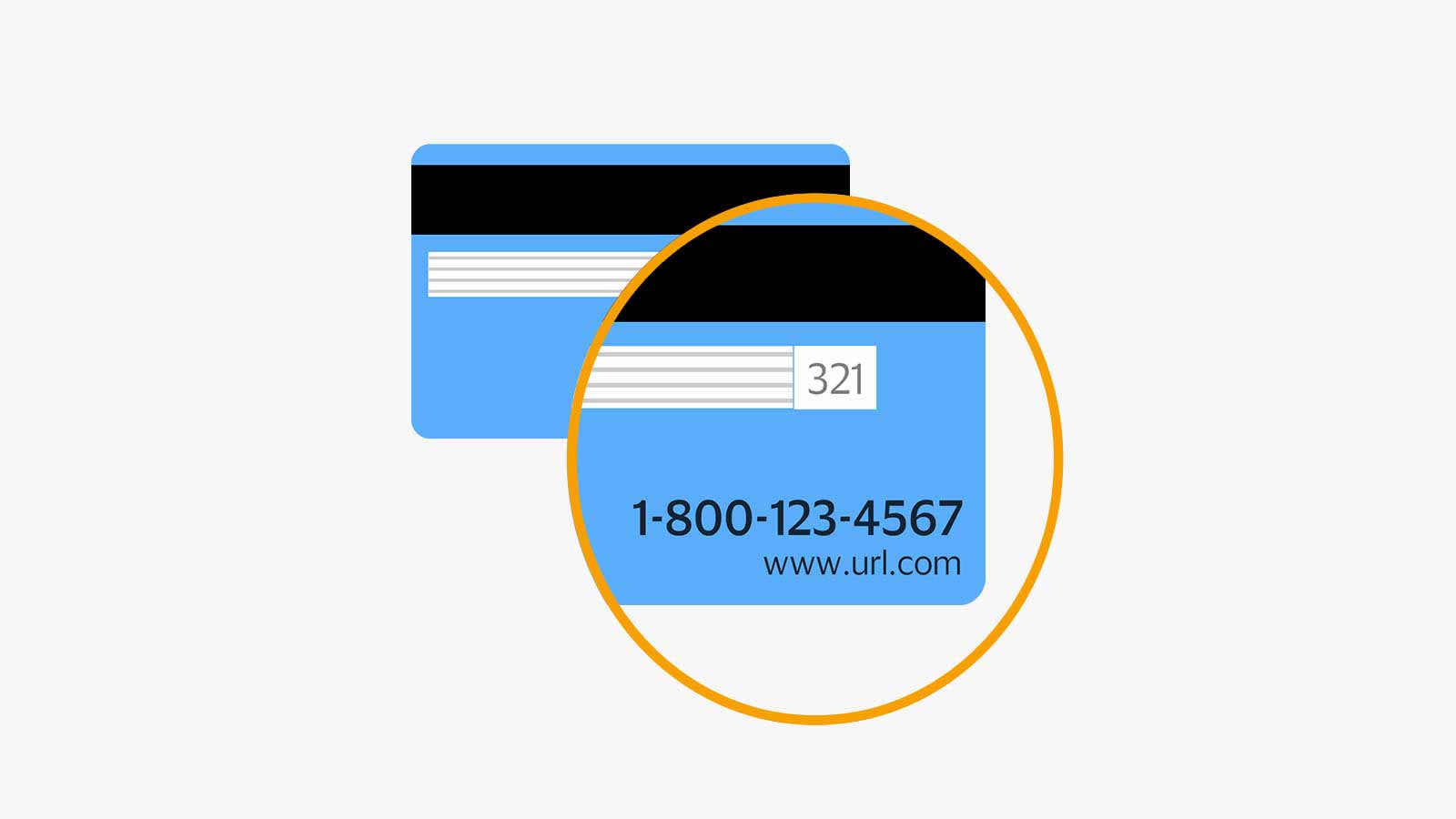
- Dedicated Merchant Websites: Most major retailers (e.g., Amazon, Target, Starbucks, Best Buy) have a dedicated section on their website for checking gift card balances. Typically, you’ll navigate to their customer service, gift card, or “check balance” page. You’ll need to enter the card number and, in some cases, a PIN or security code usually found on the back of the card, often hidden under a scratch-off strip.
- Open-Loop Card Issuer Websites: For Visa, Mastercard, or American Express gift cards, you’ll visit the website listed on the back of the card, usually a specific gift card portal for that issuer. The process is similar, requiring the card number and security code.
- Gift Card Aggregators (Use with Caution): Some third-party websites claim to check balances across multiple retailers. While these can be convenient, exercise extreme caution. Only use reputable sites, and be wary of those asking for excessive personal information, as they could be phishing for data. Stick to official merchant sites whenever possible.
The benefits of online verification are clear: 24/7 access, immediate results, and the ability to check from anywhere with internet access.
In-Store Inquiry: The Traditional Approach
Before the internet made balance checks instantaneous, visiting a physical store was the primary method. This remains a viable and often reassuring option.
- Customer Service Desk or Cashier: Simply present your gift card to a cashier or visit the customer service desk at the issuing merchant. They can usually scan the card or manually enter its details to provide you with the exact balance.
- Self-Service Kiosks: Some larger retailers offer self-service kiosks where you can scan your gift card to check its balance, along with other services like looking up product information.
This method requires the physical card and is limited to store operating hours and locations. However, it offers the benefit of direct human interaction, which can be helpful if you encounter any issues or have questions about the card’s terms.
Phone Verification: A Direct Line to Support
Most gift cards, especially open-loop cards, feature a toll-free customer service number printed on the back.
- Automated Systems: Many numbers connect you to an automated system where you’ll be prompted to enter your gift card number and PIN using your phone’s keypad. The system will then verbally provide your balance.
- Speaking to a Representative: If the automated system isn’t sufficient or you have a more complex inquiry, you can often choose an option to speak with a customer service representative who can assist you.
This method is convenient for those without internet access or who prefer speaking to a person. Be prepared for potential hold times, especially during peak hours.

App-Based Solutions: Checking on the Go
With the proliferation of smartphone apps, several brands now offer dedicated applications that allow for gift card management.
- Merchant-Specific Apps: Many popular retailers (e.g., Starbucks, Target, Amazon) have mobile apps where you can link your gift cards. Once linked, the app often displays your current balance, allows you to reload the card, and even pay directly using the app.
- Digital Wallets: Some digital wallet platforms like Apple Pay or Google Pay allow you to add certain gift cards (primarily open-loop cards or cards from integrated merchants) and track their balances within the app.
App-based solutions offer unparalleled convenience, often integrating loyalty programs and streamlining the checkout process. However, not all gift cards are supported, and you’ll need to download and set up the relevant application.
Receipt Confirmation: A Temporary Record
While not a primary method for checking a balance, many retailers print the remaining gift card balance on the transaction receipt after a partial purchase. This is a useful, albeit temporary, way to keep track of funds after using the card. Always check your receipt for this information, especially if you anticipate having a small balance left.
Maximizing Your Gift Card Value and Preventing Issues
Simply checking your balance is a good start, but truly mastering gift card management involves proactive strategies to prevent loss and fully utilize their financial potential.
Best Practices for Gift Card Management
- Check Balance Immediately Upon Receipt: Especially for physical cards, check the balance as soon as you receive it to ensure it has been properly activated and loaded with the correct amount. Report any discrepancies immediately.
- Securely Record Card Details: For future reference and in case of loss or theft, securely record the full gift card number and PIN. Keep this information separate from the physical card. A password manager or secure note application can be ideal.
- Consolidate Small Balances: If you have multiple gift cards with small, lingering balances from the same merchant, see if the merchant allows you to consolidate them onto a single card. Alternatively, use those small balances for minor purchases (e.g., a coffee, a snack) to clear them out rather than letting them go to waste.
- Use Cards Promptly: Don’t let gift cards linger. Use them within a reasonable timeframe to avoid potential expiry dates, dormancy fees, or simply forgetting about them.
- Consider Reselling or Trading: If you receive a gift card for a store you genuinely won’t use, consider selling it on reputable gift card exchange websites (e.g., CardCash, Raise). You won’t get full face value, but it’s better than letting the card expire unused.
Troubleshooting Common Gift Card Problems
Even with careful management, issues can arise. Knowing how to respond can save your funds.
- Card Not Working/Zero Balance: If a card shows a zero balance or is declined despite your records, first double-check that it was properly activated at the time of purchase. Contact the gift card issuer or merchant with your purchase receipt and the card details.
- Lost or Stolen Cards: Act quickly! Many open-loop cards offer some protection similar to debit cards if you report them lost or stolen promptly. Store-specific cards are generally less protected, but some merchants may replace them if you have the original purchase receipt and card number. Always contact the issuer immediately.
- Expiration Dates/Dormancy Fees: Understand the terms. If an expiration date is approaching, make a plan to use the card. If dormancy fees are a concern, simply making a small purchase on the card (if allowed) can often reset the inactivity clock.
- Fraudulent Activity: If you suspect unauthorized use, contact the gift card issuer or merchant immediately. Provide as much detail as possible to help them investigate.
Integrating Gift Cards into Your Personal Finance Strategy
Beyond simple spending, gift cards can be a smart part of a broader financial plan.
- Targeted Budgeting: Use gift cards for specific categories like groceries, entertainment, or dining out. This helps you stick to your budget for those areas without overspending from your main bank account.
- Saving for Larger Purchases: If you frequently receive gift cards for a particular retailer, you can accumulate them to fund a larger purchase you’ve been saving for, effectively “pre-paying” for a portion of it.
- Leveraging Rewards: Some credit cards offer bonus points for purchasing gift cards at certain retailers. If you’re going to spend money there anyway, buying a gift card with a rewards credit card can effectively earn you extra benefits.
The Future of Gift Cards and Digital Wallets
The evolution of technology continues to reshape how we interact with financial instruments, and gift cards are no exception. The move towards digital solutions offers even greater ease of management and security.
The Rise of Digital Gift Cards
E-gift cards, delivered instantly via email or text, have gained significant traction. These digital versions are less prone to physical loss or damage and often come with built-in features for easy balance checking and redemption via mobile devices. This shift emphasizes convenience and immediacy.
Integration with Digital Wallets
The seamless integration of gift cards into digital wallets like Apple Pay, Google Pay, and Samsung Pay is simplifying the management process. Users can store gift card information alongside their credit and debit cards, streamlining the checkout experience and often providing a centralized location for balance tracking (where supported by the wallet and card issuer). This reduces the clutter of physical cards and ensures your funds are always accessible.
Evolving Consumer Expectations
As technology advances, consumer expectations for gift card management will continue to grow. Users will increasingly demand instant, reliable balance checks across all platforms, enhanced security features to combat fraud, and a more integrated experience with their broader financial tools and apps. The industry will need to adapt, prioritizing user experience and robust security measures.
Conclusion
Gift cards, when managed effectively, are valuable financial assets that offer convenience, flexibility, and a means to control specific spending. The seemingly simple act of checking a gift card’s balance is, in fact, a critical component of responsible personal finance. By employing the diverse methods available—from online portals and dedicated apps to traditional in-store inquiries—and by adopting best practices for their management, you can ensure that you unlock the full value of every gift card you receive or purchase. Treat these prepaid tools with the same diligence you would your bank account or credit card, and you’ll not only avoid inconvenience but also smartly integrate them into your overall financial strategy, maximizing their potential and preventing costly oversights.
aViewFromTheCave is a participant in the Amazon Services LLC Associates Program, an affiliate advertising program designed to provide a means for sites to earn advertising fees by advertising and linking to Amazon.com. Amazon, the Amazon logo, AmazonSupply, and the AmazonSupply logo are trademarks of Amazon.com, Inc. or its affiliates. As an Amazon Associate we earn affiliate commissions from qualifying purchases.