
Gift cards have become a ubiquitous form of currency in modern society, offering both convenience and a thoughtful alternative to traditional cash gifts. From birthdays and holidays to corporate rewards and incentives, these plastic or digital tokens represent real monetary value. However, unlike cash, the exact balance of a gift card isn’t always immediately apparent. Uncertainty about a card’s remaining funds can lead to awkward moments at the checkout, missed opportunities to use the full value, or even the unfortunate expiration of forgotten funds. For anyone aiming to manage their personal finances diligently and maximize the utility of every asset, understanding how to verify a gift card’s balance is a fundamental skill.
This guide delves into the essential methods and best practices for checking gift card balances, ensuring you never leave money on the table. We’ll explore various approaches, offer practical tips for managing your gift card portfolio, and touch upon the broader financial implications of these increasingly popular instruments.
The Financial Prudence of Verifying Gift Card Balances
In the realm of personal finance, every dollar counts. Gift cards, despite their often small denominations, represent tangible assets that, if unmanaged, can lead to financial waste. Proactively checking the balance of a gift card is not just about avoiding an embarrassing moment at the register; it’s a smart financial habit that ensures you fully leverage the value bestowed upon you.
Avoiding Embarrassment and Inconvenience at the Register
Imagine standing in line, ready to make a purchase, only to find that your gift card balance is insufficient. This common scenario can be frustrating, causing delays, requiring a scramble for an alternative payment method, or even forcing you to abandon items. For a budget-conscious individual, such an unexpected shortfall can disrupt carefully planned spending. A quick balance check beforehand eliminates this stress, allowing for a smooth transaction and preventing any uncomfortable situations. It empowers you to shop with confidence, knowing precisely how much you have available.
Preventing Unused Funds from Expiring or Being Forfeited
While many popular retail gift cards in the United States are protected by federal regulations (specifically the CARD Act of 2009, which mandates a minimum five-year expiration period for funds on retail gift cards), not all cards fall under these protections. Promotional cards, reloadable cards with service fees, or cards issued by smaller, independent merchants may have different terms. Furthermore, even if a gift card doesn’t expire, inactivity fees can sometimes chip away at its value over time, though these are also heavily regulated and less common than they once were.
The greater risk, however, is simply forgetting about a card. A drawer full of forgotten gift cards represents lost purchasing power. By regularly checking balances and being aware of the terms and conditions, you can ensure that you redeem your funds before any potential expiration dates or before the card simply slips your mind, effectively forfeiting its value. This active management turns potential losses into realized gains.
Maximizing the Value of Your Gifts and Rewards
Gift cards are, at their core, a form of money. Whether received as a present, a bonus from an employer, or a rebate from a promotion, each card contributes to your overall financial resources. Treating them casually undermines their financial value. By knowing the exact balance, you can integrate gift card spending into your personal budget. This allows for strategic purchases, perhaps saving on items you would have bought anyway, or treating yourself to something special without dipping into other funds. It’s about leveraging every financial tool at your disposal to achieve your spending goals and enhance your financial well-being.
Common Methods for Checking Gift Card Balances
Fortunately, checking a gift card balance is typically a straightforward process, with multiple convenient options available for most cards. The method you choose will often depend on the specific retailer or card issuer, as well as your personal preference for digital or in-person interactions.
Online Portal: The Digital Approach
In today’s digital age, the most prevalent and often most convenient method for checking a gift card balance is through an online portal. Most major retailers and gift card issuers provide a dedicated section on their website for this purpose.
- How it works: Locate the gift card number (usually a long string of digits) and often a PIN (a shorter, usually 4-digit number, often concealed under a scratch-off strip) on the back of your physical gift card. For e-gift cards, this information will be provided in the email or digital delivery. Navigate to the retailer’s website and look for links such as “Check Gift Card Balance,” “Gift Card Inquiry,” or similar phrasing, often found in the footer, customer service section, or a dedicated gift card page. Input the required numbers into the designated fields, and your balance should be displayed instantly.
- Benefits: This method is fast, accessible 24/7 from any device with internet access, and requires no direct interaction with a person. It’s ideal for quickly verifying multiple cards or checking a balance before heading out to shop.
- Considerations: Ensure you are on the legitimate website of the retailer to avoid phishing scams. Always double-check the URL. Some older or smaller merchant cards might not have an online balance check feature.
Phone Inquiry: Direct Customer Service
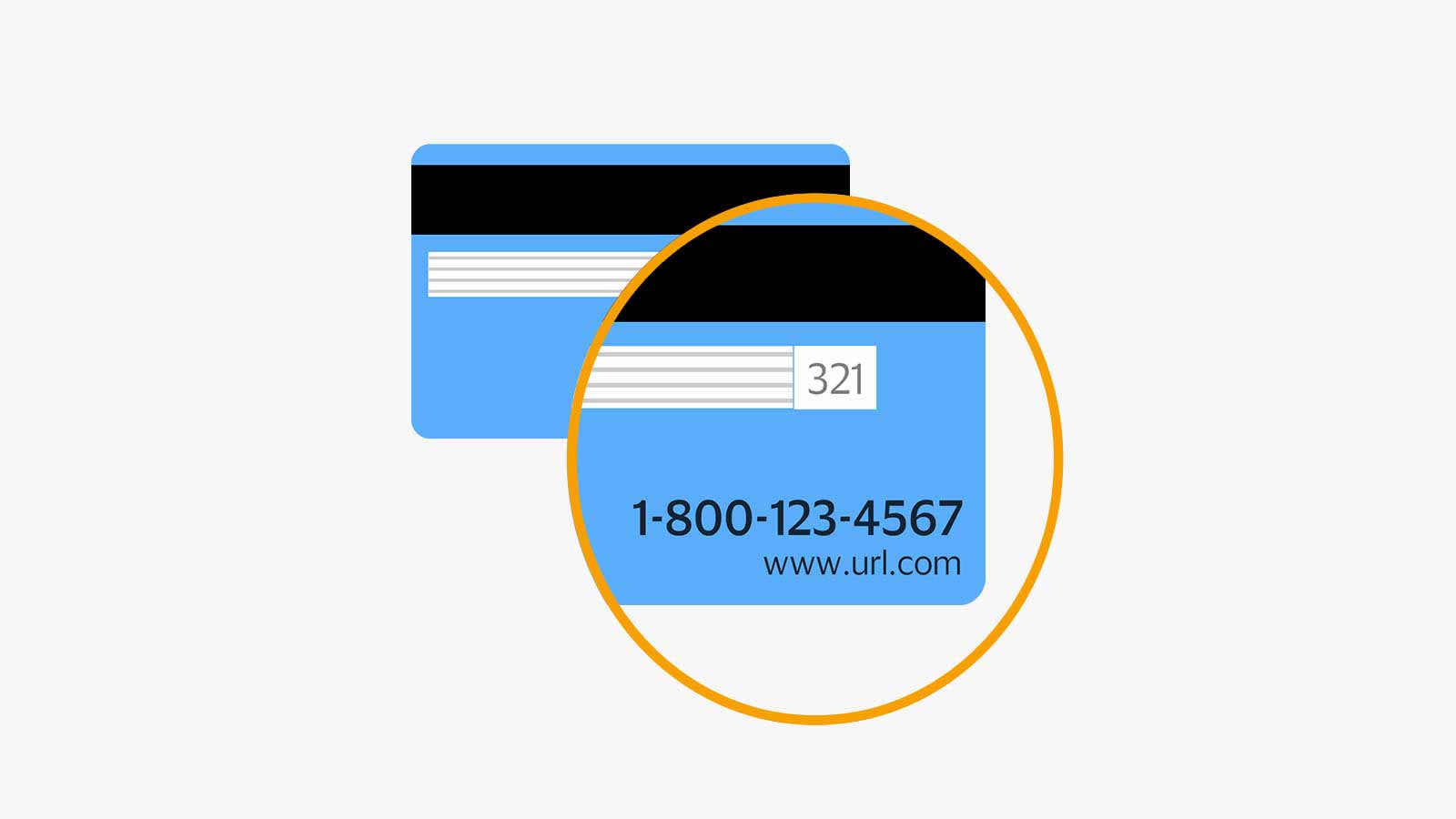
If you prefer a more traditional approach, or if an online check proves difficult, calling a dedicated phone number is an excellent alternative. Most gift cards will have a toll-free customer service number printed on the back.
- How it works: Dial the provided 1-800 number. You will typically be prompted to enter your gift card number and sometimes the PIN using the phone’s keypad. An automated system will then read out your current balance. In some cases, if the automated system cannot assist or if you have specific questions, you may have the option to speak with a customer service representative.
- Benefits: This method is reliable and provides a direct line to customer support if you encounter any issues beyond a simple balance check (e.g., if you suspect an error or need to report a lost card). It’s also a good option for those who may not have internet access or prefer verbal communication.
- Considerations: Be prepared to wait on hold during busy periods. Have your gift card number and PIN ready before you call to expedite the process.
In-Store Check: The Traditional Method
For those who enjoy a physical interaction or are already at the merchant location, checking your balance in-store remains a viable and immediate option.
- How it works: Simply present your gift card to a cashier or customer service representative at any physical store location of the issuing merchant. They will typically swipe the card or manually enter its number into their point-of-sale system to instantly retrieve the balance for you.
- Benefits: This method offers immediate, in-person confirmation, which can be reassuring. It’s particularly convenient if you’re already in the store and planning to make a purchase. You can also ask any immediate questions you might have about the card’s terms.
- Considerations: This method requires a trip to the store, which may not always be convenient. It’s less private than online or phone checks, as the cashier will see your balance.
Mobile Apps: Modern Convenience
Some larger retailers have developed dedicated mobile applications that integrate gift card management features, providing an even more streamlined experience. Additionally, third-party gift card management apps can help track multiple cards.
- How it works: Download the official mobile app for the retailer. Within the app, there is usually a section to “Add Gift Card” or “Check Balance.” You might be able to scan the barcode or manually enter the card number and PIN. Once added, the app can often store the card details and display the balance, sometimes even allowing you to pay directly from the app.
- Benefits: Highly convenient for frequent shoppers of a particular brand. Allows for easy tracking and management of multiple cards in one digital wallet. Can sometimes facilitate in-app purchases or payments.
- Considerations: Not all retailers offer this feature. Third-party apps may require you to trust them with your card details, so choose reputable ones with strong security protocols.

Tips for Managing Your Gift Cards Effectively
Checking your gift card balance is just one aspect of comprehensive financial management. To truly maximize their value and avoid common pitfalls, adopt a proactive approach to managing all your gift cards.
Keep Them Organized and Accessible
The biggest enemy of a gift card’s value is often simply forgetting about it. Establish a system for organizing your cards. This could be a dedicated slot in your wallet, a small organizer or pouch, or a digital spreadsheet. If using physical cards, consider writing the current balance and the date it was last checked directly on the card with a permanent marker, especially after making a partial purchase. For e-gift cards, create a specific folder in your email or use a note-taking app to log the details.
Understand Expiration Dates and Fees
While federal law protects many gift cards from expiring quickly or incurring punitive fees, it’s crucial to understand the specific terms of each card. Promotional gift cards, for instance, often have much shorter expiration windows. Always read the fine print or check the issuer’s website for details on dormancy fees, activation fees, or expiration policies. Prioritize using cards with looming expiration dates or potential fees. This vigilance helps prevent the erosion of your card’s value.
Treat Gift Cards Like Cash
A gift card is a pre-paid payment instrument, essentially cash locked into a specific merchant. This means it carries the same risks as physical currency. If a gift card is lost or stolen, it’s often gone for good, especially if it wasn’t registered with the issuer. Protect your cards diligently. Keep them in a secure place, and if possible, register them with the issuer if that option is provided. Registration can sometimes allow for replacement if the card is lost, provided you have the original purchase receipt. Always make a note of the card number and PIN in a secure location separate from the card itself.
Redeem Promptly to Avoid Forgetting
The best way to ensure you use your gift cards is to redeem them as soon as is practical. Don’t let them sit unused for months, gathering dust or getting lost in a pile. If you have a small balance left on a card that you don’t intend to use soon, consider trying to use it up on a small, practical item, or even combining it with another form of payment for a larger purchase. Some retailers will allow you to consolidate small balances onto a new card, or transfer remaining balances onto a loyalty account. Proactive redemption ensures the funds are utilized and don’t become forgotten liabilities.
Troubleshooting Common Gift Card Issues
Despite careful management, you might occasionally encounter issues when trying to use or check a gift card. Knowing how to troubleshoot these problems can save you frustration and help you retain your funds.
Card Not Found or Invalid
If an online system or cashier reports that your card number is invalid or not found, double-check the numbers you’ve entered. A single misplaced digit can cause an error. If the numbers are correct, the issue might stem from activation. Sometimes, cards are not properly activated at the point of sale. In such cases, you’ll need to contact the issuer’s customer service, ideally with the original purchase receipt, which proves the card was loaded with funds.
Discrepancy in Balance
You’ve checked online, and the balance is different from what you expected. This could be due to a recent purchase that hasn’t fully processed, or an error. If you believe there’s a discrepancy, gather all relevant documentation: the original purchase receipt of the gift card (if you have it), any receipts from partial purchases made with the card, and notes on when and where you last checked the balance. With this information, contact the gift card issuer’s customer service. They can investigate the transaction history and help reconcile the balance.
Lost or Stolen Gift Cards
The unfortunate reality is that many gift cards are like cash: if lost or stolen, they cannot be replaced. However, there are exceptions. If you registered your gift card with the issuer (a feature some provide, particularly for large-denomination or reloadable cards), or if you have the original purchase receipt showing the card number, you might be able to report it and potentially have it replaced with the remaining balance. Always act quickly if you suspect a card has been compromised, as unauthorized use can deplete your funds rapidly.
The Financial Landscape of Gift Cards
Beyond the practical steps of checking balances, understanding the broader financial context of gift cards offers deeper insights into their role in personal finance and consumer spending.
Unclaimed Property Laws and Escheatment
What happens to the millions of dollars on gift cards that are never fully redeemed? This often falls under “unclaimed property” laws, or escheatment. After a certain period of inactivity (which varies by state, often 3-5 years), the unspent balance on a gift card can be transferred to the state’s treasury as unclaimed property. This means that while the original retailer benefits from “breakage” (unredeemed funds), states also have a claim to these dormant assets. As a cardholder, if you discover an old gift card long after you thought it was lost, it’s worth checking your state’s unclaimed property database, as the funds might have been escheated there.
Gift Cards as a Spending Tool
From a personal finance perspective, gift cards can be a powerful budgeting tool. Receiving a gift card for a specific retailer can free up cash that would have otherwise been spent there, allowing those funds to be allocated to other financial goals or necessities. They can also act as a self-imposed spending limit, preventing overspending at a particular store. For individuals managing discretionary spending, a gift card can provide a guilt-free way to enjoy a treat without impacting their regular budget.

Reselling Unwanted Gift Cards
Not all gift cards are desired. Sometimes you receive a card for a store you never visit or for products you don’t need. Instead of letting it go unused, you have the option to resell it. Numerous online marketplaces specialize in buying and selling unwanted gift cards, such as CardCash, Raise, or GiftCash. These platforms typically offer a percentage of the card’s value (e.g., 70-90%) in exchange for your card, providing you with cash or a different gift card that you can actually use. This ensures that the financial value of the gift is realized, even if the original specific form wasn’t ideal.
In conclusion, knowing how to check and manage your gift card balances is a small yet significant aspect of sound personal finance. By employing the various methods available, staying organized, understanding the terms, and proactively addressing any issues, you can ensure that every gift card you receive or purchase delivers its full intended monetary value, contributing positively to your financial landscape.
aViewFromTheCave is a participant in the Amazon Services LLC Associates Program, an affiliate advertising program designed to provide a means for sites to earn advertising fees by advertising and linking to Amazon.com. Amazon, the Amazon logo, AmazonSupply, and the AmazonSupply logo are trademarks of Amazon.com, Inc. or its affiliates. As an Amazon Associate we earn affiliate commissions from qualifying purchases.