
In an increasingly complex financial world, navigating personal finance can feel daunting. Traditional banking often comes with requirements that not everyone can meet, while credit cards carry the risk of debt. For many, a prepaid debit card offers a pragmatic and accessible alternative, providing a degree of financial freedom and control without the associated risks of credit or the stringent requirements of a full-fledged bank account. This guide delves into everything you need to know about acquiring and effectively using a prepaid debit card, positioning it as a powerful tool in your personal financial arsenal within the broader ‘Money’ landscape.
Understanding the Landscape of Prepaid Debit Cards
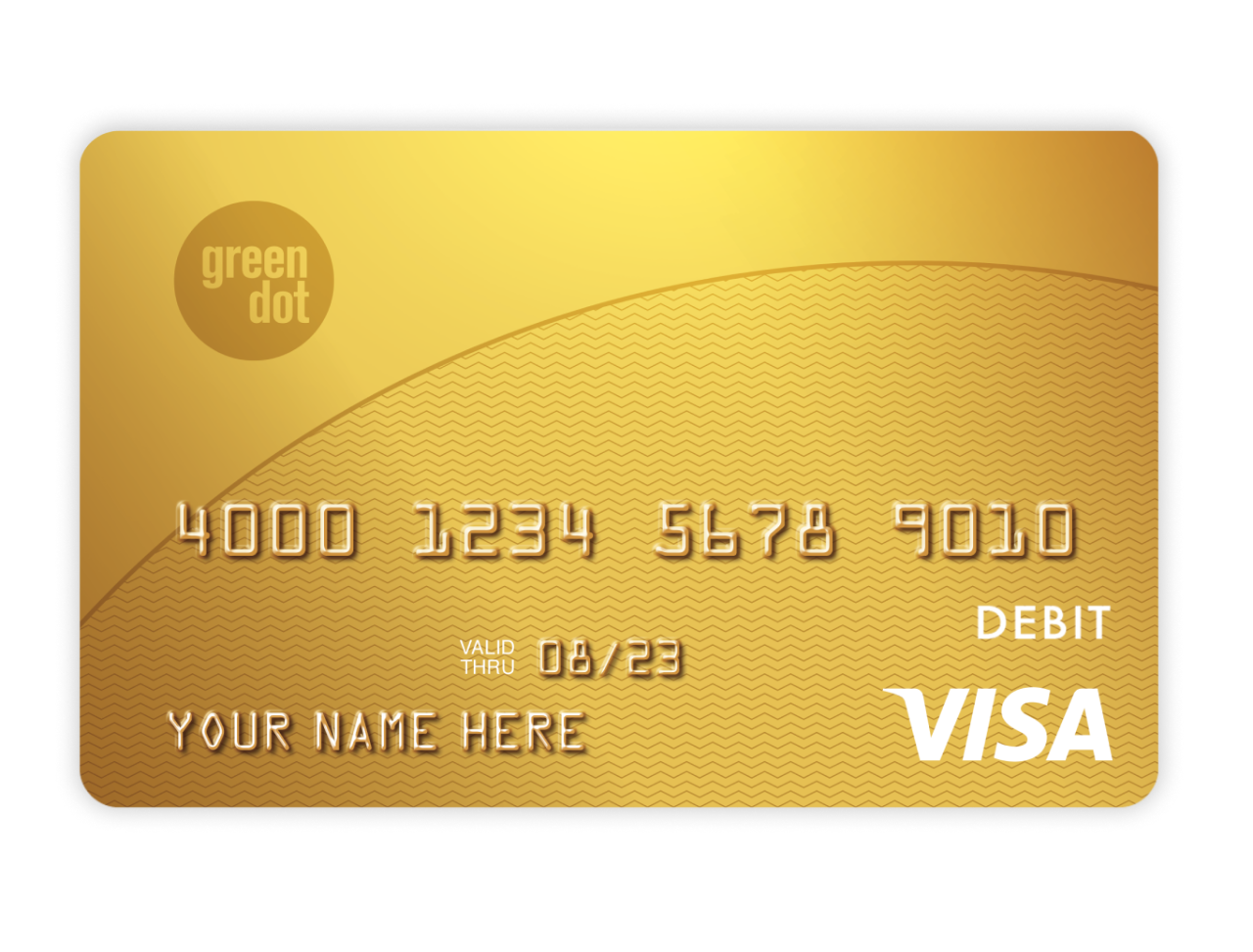
A prepaid debit card is a financial instrument that operates on a “pay-before-you-use” model. Unlike a traditional debit card, which is linked directly to a checking account, or a credit card, which allows you to borrow money up to a certain limit, a prepaid card requires you to load funds onto it in advance. Once loaded, you can use it for purchases, bill payments, and ATM withdrawals, much like any other payment card, until the balance is depleted. This fundamental difference makes it an incredibly versatile tool for a wide range of individuals and financial scenarios.
What Exactly is a Prepaid Debit Card?
At its core, a prepaid debit card functions as a digital wallet. You put money on it, and then you can spend that money. It doesn’t allow you to spend more than you have, effectively eliminating the risk of overdraft fees or accumulating debt. These cards typically carry the logos of major payment networks like Visa, MasterCard, Discover, or American Express, ensuring wide acceptance wherever those cards are honored. They are not linked to a bank account in the traditional sense, though many are issued by banks or financial institutions that are FDIC-insured, offering protection for your funds up to the legal limit. This distinction is crucial: it means you don’t need to pass a credit check or maintain a minimum balance in a checking account to get one.
Who Can Benefit from a Prepaid Card?
The appeal of prepaid debit cards spans a diverse demographic. They are particularly beneficial for:
- The Unbanked or Underbanked: Individuals who do not have a traditional checking or savings account, or who have limited access to banking services, can use prepaid cards to manage their money, receive direct deposits (like paychecks or government benefits), and make electronic payments.
- Budget-Conscious Consumers: For those looking to strictly control their spending, a prepaid card acts as an excellent budgeting tool. By loading only a specific amount for certain expenses (e.g., groceries, entertainment), users can prevent overspending.
- Teenagers and Students: Parents can provide their children with a prepaid card for allowances or emergencies, teaching financial responsibility without the risks associated with credit cards or the complexities of a full bank account. It offers a safe way to shop online or in stores.
- Travelers: When traveling, a prepaid card can be a safer alternative to carrying large amounts of cash. If lost or stolen, only the loaded funds are at risk, and many cards offer fraud protection. It also helps in budgeting travel expenses.
- Individuals with Past Credit Issues: Since there’s no credit check involved, a prepaid card is accessible to those with poor credit histories who might struggle to open a traditional bank account or secure a credit card.
- Online Shoppers: Using a prepaid card for online purchases can add an extra layer of security, as it limits exposure to your primary bank account information.
Key Advantages and Disadvantages
Like any financial product, prepaid debit cards come with their own set of pros and cons that must be weighed:
Advantages:
- No Debt Accumulation: You can only spend what you load, eliminating the possibility of falling into debt.
- Easy Approval: No credit check or bank account required, making them widely accessible.
- Budgeting Tool: Excellent for managing specific spending categories and preventing overspending.
- Security: Safer than carrying cash. Many cards offer fraud protection and are reloadable if lost or stolen (though funds may be temporarily inaccessible).
- Direct Deposit: Many cards allow direct deposit of paychecks or government benefits, offering quicker access to funds than paper checks.
- Online Shopping & Bill Pay: Convenient for making purchases online or paying recurring bills electronically.
Disadvantages:
- Fees: This is often the biggest drawback. Prepaid cards can come with various fees, including activation fees, monthly maintenance fees, reload fees, ATM withdrawal fees, foreign transaction fees, and even inactivity fees.
- No Credit Building: Unlike secured credit cards, prepaid debit cards do not report to credit bureaus, so they cannot help improve your credit score.
- No Interest Earned: Funds held on a prepaid card typically do not earn interest, unlike some savings accounts.
- Limited Protections: While some offer fraud protection, the consumer protections for prepaid cards might not be as extensive as those for traditional debit or credit cards under federal regulations, though this has improved with recent legislation.
- Loading Limits: There are often limits on how much money can be loaded onto the card or withdrawn daily.
Understanding these points is crucial for determining if a prepaid debit card aligns with your financial needs and for selecting the right card.
Step-by-Step Guide to Acquiring a Prepaid Debit Card
Obtaining a prepaid debit card is a straightforward process, designed for accessibility. Unlike opening a traditional bank account, which can involve extensive paperwork and credit checks, acquiring a prepaid card is typically much simpler. However, a little research beforehand can save you from unnecessary fees and lead you to the best card for your specific needs.
Researching Your Options
The market for prepaid debit cards is vast, with numerous providers offering a variety of features and fee structures. Before you commit, it’s wise to compare:
- Providers: Popular options include Green Dot, Netspend, Chime (though Chime offers more of a full banking experience with a prepaid debit card), PayPal Prepaid, and various cards issued by banks or credit unions. Even major retailers like Walmart offer their own prepaid cards (e.g., Walmart MoneyCard).
- Fee Structures: This is paramount. Look for cards with low or waived monthly fees, especially if you meet certain conditions like direct depositing a minimum amount. Compare reload fees, ATM withdrawal fees (both network and out-of-network), foreign transaction fees, and activation fees. Some cards may even have inactivity fees if not used for a certain period.
- Features: Do you need direct deposit? Online bill pay? Mobile check deposit? A linked savings account? ATM access? Some cards offer budgeting tools or rewards programs. Decide which features are essential for you.
- Network: Ensure the card operates on a widely accepted network (Visa, MasterCard, etc.) to avoid inconvenience.
- FDIC Insurance: Confirm that the funds loaded onto the card are FDIC-insured, providing protection in case the issuing financial institution fails.
By comparing these elements, you can narrow down your choices to a card that offers the best balance of low cost and desired functionality.
Where to Purchase a Card
Once you’ve identified a suitable prepaid debit card, acquiring one is generally easy:
- Online Directly from the Provider: Many prepaid card providers allow you to apply and order a card directly from their website. You’ll typically fill out an online application and the card will be mailed to you. This is often the most comprehensive way to sign up, allowing you to link bank accounts for transfers and set up direct deposits immediately.
- Retail Stores: You can often purchase prepaid debit cards off the shelf at various retail locations, including grocery stores, convenience stores, drugstores (e.g., CVS, Walgreens), and big-box retailers (e.g., Walmart, Target). These cards are usually “starter” cards that need to be registered online for full functionality and higher load limits.
- Financial Institutions: Some banks or credit unions offer their own prepaid debit cards. While these might sometimes have more favorable terms for existing customers, they may still carry fees.
Purchasing a card in-store can provide immediate access to the card number, though you’ll still need to register it online for personalized features and full security.
The Application Process
The application process for a prepaid debit card is significantly simpler than opening a traditional bank account or applying for a credit card.
- Provide Personal Information: You’ll typically need to provide your name, address, date of birth, and Social Security number. This information is required by federal law (the PATRIOT Act) to verify your identity and prevent money laundering, not to check your credit.
- No Credit Check: A major advantage is that there is no credit check involved. Your approval is not based on your credit history, making these cards accessible to almost anyone.
- Activation: After receiving your card, you’ll need to activate it, usually by calling a toll-free number or visiting the card’s website and entering the card number and a PIN.
- Verification: In some cases, especially when signing up online, you might be asked to provide additional identity verification, such as uploading a photo of your driver’s license or state ID. This is a standard security measure.
The entire process, from ordering to activation, can often be completed within a few business days, or even instantly if you purchase a starter card in a retail store and register it online.
Activating and Loading Your Card
Once you have your physical card, activation is a simple, mandatory step to ensure your security and enable transactions. Typically, you’ll visit the card issuer’s website or call a dedicated activation line. You’ll input details like your card number, security code, and possibly personal information to confirm your identity.
Loading funds onto your prepaid card is where its true utility begins. Most providers offer multiple convenient ways to add money:
- Direct Deposit: This is often the most cost-effective and convenient method. You can set up direct deposit for your paycheck, government benefits (like Social Security), or tax refunds directly onto your card. This usually bypasses most reload fees and sometimes even waives monthly maintenance fees.
- Cash Reload Networks: Most prepaid cards are part of networks like Green Dot MoneyPak, VanillaDirect, or Netspend Reload Network. You can bring cash to participating retail locations (e.g., Walmart, CVS, 7-Eleven) and have it loaded directly onto your card. Be aware that these services usually charge a small fee per transaction.
- Bank Transfers: If you have a traditional bank account, you can typically link it to your prepaid card and transfer funds electronically. This method is usually free but may take a few business days.
- Mobile Check Deposit: Some advanced prepaid cards offer mobile check deposit features through their app, allowing you to photograph and deposit checks from your smartphone.
- Tax Refunds: You can often opt to have your tax refund deposited directly onto your prepaid card.
- Person-to-Person (P2P) Transfers: Some cards support P2P transfers from other users on the same card network or through services like PayPal.
Always check the specific loading options and associated fees for your chosen card, as these can vary significantly and impact the overall cost of using the card.
Managing and Maximizing Your Prepaid Debit Card
Acquiring a prepaid debit card is just the first step; effectively managing it is key to leveraging its benefits without incurring unnecessary costs. Smart usage involves understanding its fee structure, adopting intelligent loading strategies, adhering to security best practices, and using it as a deliberate budgeting tool.
Understanding the Fee Structure
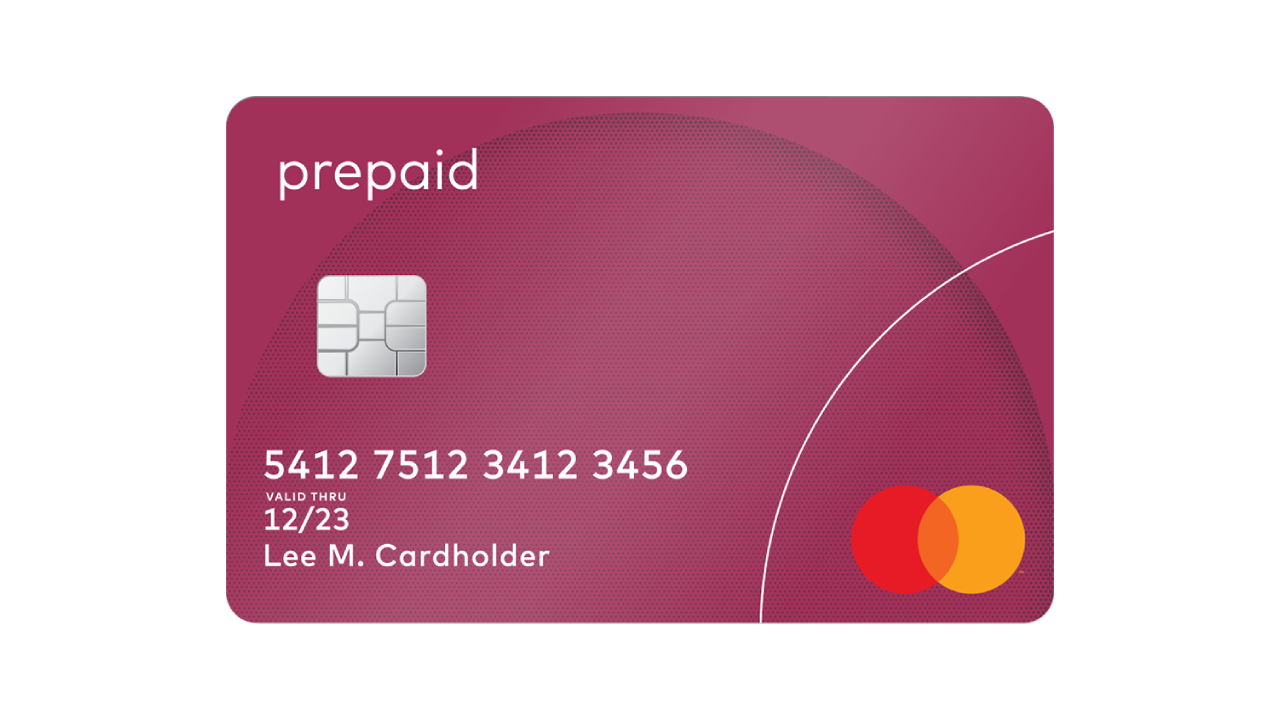
The comprehensive fee structure is perhaps the most critical aspect to master for any prepaid debit card user. Fees can quickly erode the value of your funds if not understood and managed carefully. Common fees include:
- Monthly Maintenance Fee: A recurring charge, often between $3-$10, which can sometimes be waived if you meet certain criteria, such as direct depositing a minimum amount each month.
- Activation Fee: A one-time charge to purchase and activate the card, especially prevalent with cards bought in retail stores.
- Reload Fees: Fees incurred each time you add cash to your card through a retail network (typically $3-$5). Direct deposits and bank transfers are usually free.
- ATM Withdrawal Fees: Charges for withdrawing cash from an ATM. These often include a fee from the card issuer and a separate fee from the ATM owner if it’s out-of-network.
- Transaction Fees: While less common now, some older cards or specific types might charge a fee for each purchase.
- Inactivity Fees: A charge levied if the card hasn’t been used for a specific period (e.g., 90 days or more).
- Foreign Transaction Fees: A percentage charged on purchases made in a foreign currency or outside your home country.
- Balance Inquiry Fees: Sometimes charged for checking your balance at an ATM.
Always scrutinize the cardholder agreement or terms and conditions document before acquiring a card to fully grasp all potential costs. Choosing a card with a transparent and manageable fee schedule is crucial for cost-effectiveness.
Smart Loading Strategies
To minimize costs and maximize convenience, adopt smart loading practices:
- Prioritize Direct Deposit: Whenever possible, set up direct deposit for your income. It’s almost always free, convenient, and can often help waive monthly fees.
- Consolidate Cash Reloads: If you must load cash, try to do it less frequently but with larger amounts, to reduce the number of individual reload fees you incur.
- Utilize Free Bank Transfers: If you have a traditional bank account, linking it for free electronic transfers is an excellent way to move funds without fees, provided you can wait a few days for the transfer to clear.
- Avoid High-Cost Methods: Be wary of third-party check-cashing services that might offer to load funds to your card, as they often come with high fees.
Efficient loading ensures your money goes further and your card remains a cost-effective financial tool.
Security Best Practices
While prepaid cards offer a degree of security, adopting best practices is essential:
- Protect Your PIN: Never share your Personal Identification Number (PIN) and avoid writing it down. Memorize it and use strong, unique PINs.
- Monitor Transactions Regularly: Check your card balance and transaction history frequently, either online or through the card’s mobile app. Report any unauthorized transactions immediately.
- Report Lost or Stolen Cards Immediately: If your card is lost or stolen, report it to the issuer right away. Most cards offer zero-liability protection, meaning you won’t be held responsible for unauthorized transactions if reported promptly. Your funds might be transferred to a new card.
- FDIC Insurance: Confirm your card is FDIC-insured. While not all prepaid cards are, those issued by an FDIC-insured bank protect your funds up to $250,000 in the event the issuing bank fails.
- Use Chip and PIN: Wherever possible, use the card’s chip reader and your PIN for transactions, as this offers stronger security than swiping or signing.
Vigilance and prompt action are your best defenses against fraud and unauthorized use.
Budgeting with Your Prepaid Card
One of the most powerful applications of a prepaid card is its utility as a budgeting instrument. Its “spend what you have” nature inherently encourages fiscal discipline.
- Categorize Spending: Dedicate specific prepaid cards for different spending categories. For example, one card for groceries, another for entertainment, and a third for online subscriptions.
- Set Spending Limits: Load only the exact amount you intend to spend for a particular period or purpose. This hard limit prevents overspending by simply making it impossible to exceed your budget.
- Separate Funds: Use a prepaid card to separate discretionary spending from essential bills, or to ring-fence money for a specific goal like a vacation or a large purchase.
- Track Expenses Easily: Many prepaid card providers offer robust online portals or mobile apps that allow you to track your spending in real-time, making it easy to see where your money is going and adjust your habits as needed.
By integrating a prepaid card into your budgeting strategy, you gain a tangible way to enforce financial discipline and achieve your money goals.
Common Uses and Scenarios for Prepaid Cards
Prepaid debit cards are not just a tool for those without traditional banking access; they offer practical solutions for a variety of financial needs, making them a versatile addition to almost anyone’s financial toolkit. Their flexibility and control make them ideal for specific scenarios where a traditional bank account might be overkill or a credit card too risky.
Travel Companion
When venturing abroad or even just within your own country, a prepaid debit card can be an invaluable travel companion.
- Budgeting for Trips: Load a specific amount for your travel expenses (food, souvenirs, activities). This ensures you stick to your budget and avoid overspending.
- Security Against Theft: Carrying a prepaid card is significantly safer than carrying a large amount of cash. If the card is lost or stolen, you can report it and usually get the remaining funds transferred to a new card, minimizing your financial loss. Your primary bank account details remain secure.
- Managing Exchange Rates (for some cards): While many cards charge foreign transaction fees, some specialized travel prepaid cards offer competitive exchange rates or lower fees, making international spending more predictable.
- Avoiding Overdrafts Abroad: Unlike linked debit cards, you can’t overspend on a prepaid card, preventing potentially costly international overdraft fees.
Always check the foreign transaction fees for your specific card before traveling internationally, as these can add up.
Online Shopping and Bill Payments
In the digital age, secure online transactions are paramount. Prepaid cards excel in this area.
- Enhanced Online Security: By using a prepaid card for online purchases, you isolate your primary bank account from potential data breaches. If a retailer’s database is compromised, only the funds on your prepaid card are at risk, not your entire checking account.
- Controlling Subscription Costs: Load a prepaid card with just enough money for recurring online subscriptions (streaming services, software, apps). This acts as a ‘kill switch’ if you decide to cancel or want to prevent auto-renewals you forgot about.
- Anonymous Purchases (to a degree): While not truly anonymous (as you register the card with your ID), it can offer a layer of separation between specific online purchases and your primary financial records.
- Easy Bill Payments: Many utility companies, landlords, and service providers accept debit card payments online or over the phone. A prepaid card makes it easy to pay these bills without needing a bank account.
Using a prepaid card for online activities provides peace of mind and better control over digital spending.
Youth and Dependent Allowances
Prepaid cards offer a modern, safe, and educational way to manage allowances for children and dependents.
- Teaching Financial Literacy: Providing a prepaid card helps teens learn about budgeting, tracking expenses, and responsible spending in a controlled environment. They experience the mechanics of a card without the complexities or risks of credit.
- Controlled Spending Limits: Parents can load a specific allowance onto the card, ensuring children can only spend what’s available. This prevents impulse purchases beyond a set budget.
- Remote Funding: Parents can easily load funds onto the card from anywhere, which is convenient for emergencies or when a child is away at college.
- Tracking and Oversight: Many cards offer tools for parents to monitor their child’s spending, fostering conversations about financial decisions.
- Safety and Convenience: Safer than carrying cash and more convenient than constantly asking parents for money for every purchase.
For families, a prepaid card bridges the gap between traditional cash allowances and full-fledged banking for younger individuals.
Temporary Financial Solutions
Prepaid cards can serve as excellent temporary solutions during transitional periods or for specific financial needs.
- While Awaiting a Bank Account: If you’ve just moved or are in the process of opening a new bank account, a prepaid card can provide immediate access to funds for daily expenses and bill payments.
- Separating Funds for Projects: Use a prepaid card to manage funds for a specific project, home renovation, or business expense, keeping it separate from your personal finances.
- Gift-Giving (Specific Purpose): For giving a gift with a specific spending intent (e.g., for books, clothes, or groceries), a reloadable prepaid card can be more thoughtful than a generic gift card.
- Emergency Fund Access: While not ideal for an emergency savings account (due to no interest), some people load a small emergency fund onto a prepaid card for immediate access to prevent dipping into their main savings.
These scenarios highlight the versatility of prepaid debit cards beyond just being an alternative to traditional banking.

Conclusion
Prepaid debit cards have firmly established their place in the diverse ecosystem of personal finance tools. Far from being a niche product, they offer an accessible, controlled, and flexible way to manage money for a broad spectrum of individuals. Whether you’re navigating the complexities of being unbanked, striving for stricter budgeting, seeking secure options for online shopping, empowering a teenager with financial responsibility, or simplifying travel expenses, a prepaid debit card presents a compelling solution.
The process of acquiring one is refreshingly straightforward, bypassing the traditional hurdles of credit checks and extensive banking requirements. However, the true art of leveraging a prepaid card lies in diligent research and informed management. Understanding the myriad of fee structures, from monthly maintenance to reload charges, is paramount to ensuring its cost-effectiveness. Opting for direct deposit, monitoring transactions, and adhering to security best practices further solidifies its utility.
In a financial landscape that increasingly values adaptability and control, prepaid debit cards empower users to take charge of their spending and financial boundaries. They serve as a practical bridge for many, offering the convenience of electronic payments without the inherent risks of debt. By carefully selecting a card that aligns with your specific needs and committing to proactive management, a prepaid debit card can be more than just a payment method—it can be a foundational element in a smarter, more secure personal finance strategy.
aViewFromTheCave is a participant in the Amazon Services LLC Associates Program, an affiliate advertising program designed to provide a means for sites to earn advertising fees by advertising and linking to Amazon.com. Amazon, the Amazon logo, AmazonSupply, and the AmazonSupply logo are trademarks of Amazon.com, Inc. or its affiliates. As an Amazon Associate we earn affiliate commissions from qualifying purchases.