
American Express Membership Rewards points are among the most versatile and valuable loyalty currencies available today, offering a rich tapestry of redemption options that extend far beyond simple cash back. For the savvy consumer, these points represent a powerful financial tool, capable of unlocking extraordinary travel experiences, offsetting everyday expenses, and even contributing to charitable causes. However, understanding the optimal ways to utilize Amex points requires insight into their variable valuations and a strategic approach to redemption. This guide delves into the myriad possibilities, helping you transform your accumulated points into tangible value.

Understanding the Value of Your Amex Points
Before diving into specific redemption strategies, it’s crucial to grasp the inherent value of American Express Membership Rewards points. Unlike fixed-value currencies, the worth of an Amex point is dynamic, fluctuating significantly depending on how you choose to redeem it. A critical understanding of this variability is the cornerstone of maximizing your financial return.
The Amex Membership Rewards Program
At its core, the Amex Membership Rewards program is a flexible points system associated with a wide array of American Express credit cards, from entry-level options to premium travel cards. Points are typically earned on purchases, often with bonus categories for specific spending types (e.g., dining, groceries, travel). The beauty of the program lies in its centralized nature: points earned across different Amex cards often pool into a single Membership Rewards account, providing a larger reservoir for more substantial redemptions. This flexibility allows cardholders to accumulate points rapidly and strategically, preparing them for high-value redemptions.
Point Valuations: Cash vs. Travel vs. Other Rewards
The value of an Amex point is often expressed in “cents per point” (CPP). While some redemptions might yield as little as 0.5 to 0.7 CPP, others can soar to 2 CPP or even higher, particularly for premium travel.
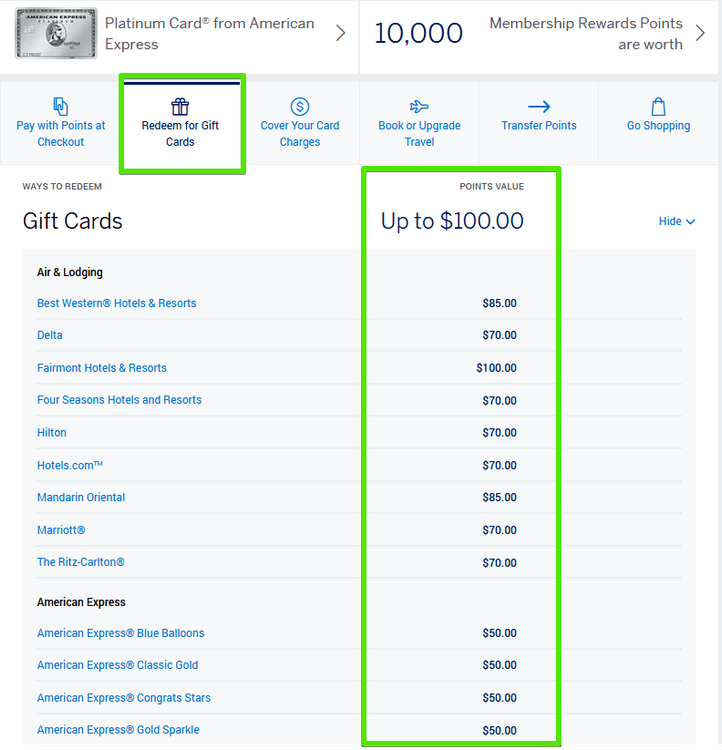
- Lowest Value Redemptions: Generally, redeeming points for statement credits, shopping at partners like Amazon, or buying gift cards offers the lowest value, typically around 0.6-0.7 CPP. While convenient for immediate financial relief, this path effectively devalues your hard-earned points, converting them at a rate far below their potential.
- Mid-Tier Value Redemptions: Booking travel directly through the Amex Travel Portal often provides a fixed value, typically 1 CPP for flights and 0.7 CPP for hotels. This is a reasonable option for simple bookings, especially when seeking flexibility or when specific airline/hotel partners are not ideal.
- Highest Value Redemptions: The pinnacle of Amex point value is almost invariably found through transferring points to airline and, to a lesser extent, hotel loyalty programs. This is where strategic redemptions for business or first-class international flights, or luxury hotel stays, can push your CPP well beyond 1.5-2.0, sometimes even higher. This often involves leveraging sweet spots in partner award charts, taking advantage of transfer bonuses, and finding availability for aspirational travel.
Maximizing Earning Potential
While this article focuses on redemption, it’s worth noting that maximizing your earning potential is the first step. This involves selecting Amex cards that align with your spending habits, leveraging sign-up bonuses, and using cards strategically for category bonuses. A robust earning strategy directly fuels a robust redemption strategy, ensuring you have enough points for significant value extraction.
Redeeming for Travel: The Premier Option
For most financial experts and points enthusiasts, travel redemptions represent the undisputed champion for maximizing the value of American Express Membership Rewards points. The ability to transfer points to a diverse ecosystem of airline and hotel partners unlocks opportunities for aspirational journeys that would otherwise be prohibitively expensive.
Transferring Points to Airline Partners
This is where Amex points truly shine. American Express boasts an extensive list of airline transfer partners, including major global alliances and independent carriers. Key partners include Delta SkyMiles, Emirates Skywards, British Airways Executive Club, Air Canada Aeroplan, Singapore Airlines KrisFlyer, ANA Mileage Club, and many more.
- Strategic Transfers: Instead of redeeming for a fixed value through the Amex portal, transferring points directly to an airline’s frequent flyer program allows you to book “award flights.” The value here is not tied to the cash price of the ticket but to the award chart of the specific airline. For instance, you might transfer points to ANA to book a first-class flight to Japan, or to Avianca LifeMiles for a flight on United, often yielding several cents per point in value.
- Sweet Spots: Each airline partner has its “sweet spots” – specific routes or classes of service that offer disproportionately good value for the number of points required. Researching these sweet spots is crucial for maximizing returns. For example, using Avios (British Airways) for short-haul flights on partner airlines can be incredibly cost-effective.
- Transfer Bonuses: Amex frequently offers transfer bonuses, where you get extra points when transferring to a specific airline partner (e.g., transfer 1,000 Amex points and receive 1,200 airline miles). These bonuses can amplify your points’ value by 15-40% or more, making an already good redemption even better. It’s always advisable to wait for these bonuses if your travel plans are flexible.
Booking Through Amex Travel Portal
While less glamorous than partner transfers, the Amex Travel Portal (travel.americanexpress.com) offers a straightforward way to book flights, hotels, car rentals, and vacation packages directly with your points.
- Fixed Value: Flights booked through the Amex Travel Portal typically yield a fixed value of 1 CPP. For cardholders with The Business Platinum Card® from American Express, there’s a valuable 35% points back rebate on select flights, effectively boosting the value to approximately 1.54 CPP.
- Convenience and Flexibility: This option is excellent when you can’t find award availability with airline partners, for complex itineraries, or for cash-equivalent purchases where 1 CPP is acceptable. Crucially, flights booked this way are considered cash tickets, meaning they typically earn airline miles and contribute to elite status.
Hotel Partners and Stays
While fewer in number compared to airline partners, Amex also has hotel transfer partners like Hilton Honors and Marriott Bonvoy. However, the transfer ratios are often less favorable (e.g., 1 Amex point to 2 Hilton Honors points, but Hilton points have a lower baseline value).
- Niche Value: Hotel transfers can be valuable for specific high-end stays or when trying to top off an existing hotel points balance for a redemption. For instance, using Amex points to cover a night at a luxury Hilton property can still represent good value if the cash price is exceptionally high.
- Amex Fine Hotels + Resorts (FHR): For Platinum Card® and Centurion® cardmembers, booking through the Amex Fine Hotels + Resorts program offers incredible benefits like daily breakfast, late checkout, property credits, and room upgrades. While these bookings are typically paid with cash or statement credit, the value derived from the FHR benefits can make paying with cash (and earning Amex points) more attractive than using points for a less valuable hotel redemption.
Everyday Redemptions and Financial Flexibility
Beyond the allure of premium travel, American Express Membership Rewards points can also be utilized for more routine, day-to-day financial needs. While these options often yield a lower redemption value, they offer convenience and immediate utility, making them suitable for specific situations.
Statement Credits and Gift Cards
Among the most common but least valuable redemptions are statement credits and gift cards.
- Statement Credits: Redeeming points for a statement credit directly against your Amex card balance typically yields 0.6 CPP. This is the simplest way to reduce your bill but comes at a significant cost in terms of point value. It should generally be reserved for situations where you desperately need to offset expenses or have a small residual balance of points that you don’t foresee using for travel.
- Gift Cards: Purchasing gift cards from various retailers (e.g., Amazon, Starbucks, Best Buy) often yields around 0.7 CPP. While slightly better than a statement credit, it’s still far from optimal. The primary advantage here is the ability to use points for specific retailers where you might regularly shop, essentially turning your points into store credit.
Shopping with Points (e.g., Amazon, Retailers)
Many Amex cards allow you to link your account to retailers like Amazon, enabling you to “Pay with Points” at checkout.
- Low Value Alert: This option typically offers a meager 0.7 CPP. While convenient, it’s generally advisable to avoid using points this way. You’re better off paying with cash (or your Amex card to earn more points) and saving your points for higher-value redemptions. The only exception might be when a special promotion offers a temporary boost in value or a discount for using points, but even then, proceed with caution.
- Other Retailers: Amex also partners with various other retailers for direct point redemption. The same low-value warning applies here. Always compare the point cost against the cash price to understand the true value you’re receiving.
Charitable Donations
For those inclined to give back, Amex allows you to use your Membership Rewards points to make donations to a wide array of charitable organizations.
- Goodwill and Tax Implications: This redemption typically yields 0.7 CPP. While not the highest financial value, the primary benefit is the ease of making a charitable contribution directly with your points. Depending on your tax situation and the charity’s status, these donations may also be tax-deductible, adding a potential financial benefit. It’s a convenient way to support causes you care about without directly impacting your cash flow.
Using Points for Amex Charges
Beyond general statement credits, Amex sometimes offers specific ways to use points for certain charges, such as annual fees or specific purchase categories.
- “Cover Your Charges”: Similar to statement credits, this feature allows you to apply points to specific transactions on your statement. The value is usually 0.6 CPP.
- Annual Fees: While possible to use points to cover an annual fee, this is generally a poor redemption value, especially for premium cards with high fees. It’s almost always better to pay the annual fee in cash and save points for high-value travel redemptions, where the cost of the fee can be easily offset by the value gained.
Strategic Considerations for Maximizing Value
The true artistry of managing Amex points lies in strategic planning and an astute understanding of redemption nuances. Maximizing your points’ value involves more than just knowing what to do; it’s about knowing when and how to do it.
Timing Your Transfers: Capitalizing on Bonuses
As mentioned, transfer bonuses are goldmines. They typically appear periodically throughout the year, often for specific airline or hotel partners.
- Be Patient and Proactive: If you have a redemption in mind and it’s not urgent, waiting for a transfer bonus can significantly reduce the number of points you need. Sign up for Amex emails and follow points and miles blogs to stay informed about current offers.
- Just-in-Time Transfers: It’s generally advised not to transfer points speculatively. Once points are transferred to an airline or hotel program, they cannot be transferred back to Amex Membership Rewards. Only transfer when you have a specific award booking confirmed or reasonably certain, especially when aiming for high-demand business or first-class seats.
Understanding Dynamic vs. Fixed Value Redemptions
Distinguishing between these two types of redemptions is paramount.
- Dynamic Pricing: Most airline award charts now employ dynamic pricing, meaning the number of miles required for a flight can vary significantly based on demand, date, and other factors. While this makes finding “sweet spots” harder, it also means that sometimes you can find excellent deals if you’re flexible.
- Fixed Value Redemptions: Options like booking through the Amex Travel Portal for flights (1 CPP) or statement credits (0.6 CPP) offer a fixed, predictable value. These are less exciting but provide a floor for your point value and are useful for certainty or when award space is unavailable.
The Role of Companion Certificates and Elite Status
While not direct point redemptions, these benefits indirectly enhance the value of your Amex points.
- Companion Certificates: Certain Amex cards, like the Delta SkyMiles Reserve or Platinum cards, offer annual companion certificates. Using these for a second passenger on a flight can effectively double the value of your points used for the primary ticket, as you’re getting two tickets for essentially the points cost of one (plus taxes/fees).
- Elite Status Benefits: Holding airline or hotel elite status (sometimes earned through Amex cards or spending) can make award redemptions more comfortable and valuable through benefits like lounge access, upgrades, bonus points, or priority boarding. These perks add to the overall travel experience funded by points.
Avoiding Common Redemption Pitfalls
Many common mistakes can lead to devaluing your points:
- Redeeming for Low Value: As discussed, using points for statement credits or shopping at partners for 0.6-0.7 CPP is almost always a poor choice.
- Transferring Speculatively: Don’t transfer points to an airline or hotel without a clear plan or confirmed booking. Award availability can change rapidly.
- Ignoring Transfer Bonuses: Missing out on a 25-40% bonus means you’re effectively paying more points than necessary for the same redemption.
- Not Comparing Options: Always compare the points cost and cash cost for a redemption. Sometimes, paying cash (and earning more points) is better if the point redemption value is too low.
Advanced Strategies and Long-Term Planning
For the truly dedicated, Amex points can be integrated into a sophisticated financial strategy that extends beyond immediate gratification, enabling long-term financial goals and aspirational experiences.
Combining Points with Cash
In many loyalty programs, you have the option to pay for part of an award ticket or hotel stay with points and the remainder with cash.
- Topping Off Accounts: This is particularly useful if you’re slightly short of the required points for a high-value redemption after a transfer. Instead of transferring a large batch of Amex points for a small deficit, you can pay a small cash supplement, preserving your remaining Amex points for future optimal use.
- Strategic Flexibility: Some programs offer “cash + points” rates that can sometimes be a better deal than full-point redemptions, especially for hotel stays where the cash portion might be minimal for a significant reduction in point cost.
Leveraging Family Accounts and Authorized Users
While Amex Membership Rewards points generally cannot be directly pooled with other individuals outside of specific arrangements, leveraging authorized users on your account can indirectly boost your earning power.
- Consolidated Earning: Authorized users contribute to your primary Membership Rewards balance, accelerating point accumulation. This is a crucial strategy for families or small businesses to reach high-value redemption thresholds faster.
- Transferring to Others (Carefully): While direct transfers between different Amex Membership Rewards accounts are generally not allowed, you can typically transfer points to the loyalty program accounts of authorized users on your card. This opens up possibilities for family travel if a spouse or partner has better award availability or elite status with a particular airline or hotel.
The Art of “Point Hacking” for Specific Goals
“Point hacking” is a broad term for strategically using loyalty programs to achieve specific travel or financial goals with minimal cash outlay. For Amex points, this involves:
- Identifying Aspirational Redemptions: Pinpointing a dream trip (e.g., first-class flight on Emirates, luxury hotel stay in Paris) and then reverse-engineering the point accumulation and redemption strategy. Which airline partner offers the best value for that route? Are there specific transfer bonuses to watch for?
- Mastering Award Charts: Becoming familiar with the award charts of key Amex transfer partners allows you to quickly identify excellent redemption opportunities as they arise, often before they disappear.
- Flexibility is Key: The most successful point hackers often have flexibility in their travel dates, destinations, and even the class of service, allowing them to jump on optimal award availability when it appears.
Regularly Reviewing Your Redemption Strategy
The landscape of loyalty programs is constantly evolving. Award charts change, transfer partners are added or removed, and point valuations shift.
- Stay Informed: Regularly read points and miles blogs, check Amex’s promotions page, and review your own spending habits.
- Adapt and Adjust: What was a great redemption strategy last year might be suboptimal this year. Be prepared to adapt your approach to continue extracting maximum value from your Amex points. Consider whether your current earning strategy still aligns with your redemption goals, or if it’s time to re-evaluate your card portfolio.
In conclusion, American Express Membership Rewards points are far more than just a bonus for spending. They are a robust financial asset that, when managed strategically, can unlock incredible value, primarily through aspirational travel. By understanding the varying valuations, prioritizing high-yield redemptions, and employing careful planning, cardholders can transform their points into memorable experiences and meaningful financial benefits.
aViewFromTheCave is a participant in the Amazon Services LLC Associates Program, an affiliate advertising program designed to provide a means for sites to earn advertising fees by advertising and linking to Amazon.com. Amazon, the Amazon logo, AmazonSupply, and the AmazonSupply logo are trademarks of Amazon.com, Inc. or its affiliates. As an Amazon Associate we earn affiliate commissions from qualifying purchases.