
The world of digital finance has undergone a profound transformation, with cryptocurrency emerging as a powerful, albeit volatile, new asset class. For many, the journey into this financial frontier begins with a trusted platform like Coinbase. As a leading cryptocurrency exchange, Coinbase has democratized access to digital assets, making it possible for millions to participate in the evolving digital economy. This guide provides a comprehensive, money-focused walkthrough for individuals looking to understand and execute their first cryptocurrency purchase on Coinbase, empowering them to make informed investment decisions.
Understanding the Crypto Landscape and Coinbase’s Role in Your Financial Journey
The allure of cryptocurrency isn’t just about technological innovation; it’s fundamentally about a shift in financial paradigms, offering new avenues for investment, wealth generation, and economic participation. Before diving into the mechanics of buying, it’s crucial to grasp the financial implications and context.
The Allure of Cryptocurrency: Why Consider it for Your Portfolio?
Cryptocurrencies, led by pioneers like Bitcoin and Ethereum, represent a decentralized form of digital money, operating independently of central banks and governments. From a financial perspective, they offer several compelling characteristics:
- Potential for High Returns: Historically, some cryptocurrencies have seen exponential growth, attracting investors seeking significant capital appreciation. This potential, however, comes hand-in-hand with substantial risk.
- Diversification: For a traditional investment portfolio, cryptocurrencies can offer a degree of diversification, potentially moving independently of conventional assets like stocks and bonds.
- Future of Finance: Many believe cryptocurrencies and blockchain technology will fundamentally reshape financial services, from payments and lending to asset tokenization. Investing in crypto can be seen as an early bet on this future.
- Inflation Hedge (Debatable): Some proponents argue that Bitcoin, with its capped supply, could serve as a hedge against inflation, similar to digital gold. This theory is still debated and tested.
However, it’s paramount to acknowledge the inherent risks: extreme price volatility, regulatory uncertainty, and the potential for total loss of capital. Any investment in cryptocurrency should be part of a well-considered financial plan, with funds you can afford to lose.
What is Coinbase? Your Gateway to Digital Assets
Coinbase has established itself as one of the most user-friendly and widely recognized platforms for buying, selling, and managing cryptocurrencies. For investors, it functions much like a digital brokerage, providing:
- Accessibility: A simple interface makes it easy for newcomers to navigate the complexities of crypto markets.
- Security: As a publicly traded company (NASDAQ: COIN) regulated in the US, Coinbase adheres to stringent security and compliance standards, including storing a significant portion of assets offline in cold storage and offering FDIC insurance for USD balances.
- Range of Assets: It supports a broad selection of major cryptocurrencies, allowing investors to diversify their holdings.
- Custodial Services: Coinbase acts as a custodian for your digital assets, meaning it manages the private keys on your behalf, simplifying the process for those less familiar with self-custody.
Choosing Coinbase means opting for a regulated entity that prioritizes financial security and ease of access, making it a suitable entry point for most retail investors.
Essential Financial Considerations Before You Begin
Before committing any capital, a prudent investor must address several financial considerations:
- Risk Tolerance: Assess your personal comfort level with financial risk. Cryptocurrency markets are highly volatile; prices can fluctuate dramatically in short periods.
- Investment Horizon: Are you looking for short-term gains (which often involves higher risk and active trading) or long-term growth (hodling)? Your strategy will influence your choices.
- Capital Allocation: Determine how much of your overall investment portfolio you are willing to allocate to cryptocurrency. Financial advisors often recommend a small percentage (e.g., 1-5%) for highly volatile assets.
- Emergency Fund: Ensure you have a robust emergency fund in place before investing in speculative assets. Your crypto investments should never compromise your essential financial stability.
- Debt Management: Prioritize paying down high-interest debt before venturing into crypto investing. The potential returns rarely outweigh the guaranteed savings from debt reduction.
Getting Started: Setting Up Your Coinbase Account
Opening an account on Coinbase is a straightforward process designed to meet regulatory requirements and ensure the security of your financial transactions. This phase is critical for establishing your financial identity within the platform.
The Registration Process: From Sign-Up to Verification
Setting up your Coinbase account involves several key financial and security steps:
- Sign-Up: Begin by providing basic personal information: full name, email address, and a strong password. This is the initial step in establishing your digital financial identity.
- Email Verification: Confirm your email address through a link sent to your inbox. This validates your contact information.
- Phone Verification: Link a mobile phone number for two-factor authentication (2FA), a critical security layer for protecting your financial assets.
- Identity Verification (KYC): This is the most crucial step from a regulatory and financial compliance standpoint. Coinbase, like all regulated financial institutions, must adhere to Know Your Customer (KYC) and Anti-Money Laundering (AML) laws. You’ll be asked to provide:
- Government-Issued ID: A photo of your driver’s license, passport, or national ID card.
- Personal Information: Date of birth, residential address, and potentially your occupation.
- Selfie/Liveness Check: Sometimes, a live photo or video is required to confirm you are the legitimate owner of the ID.
This process ensures that your account is legally tied to your real identity, preventing fraud and illicit financial activities, and ultimately protecting your investments.
Funding Your Account: Connecting Your Fiat
Once your account is verified, the next step is to fund it with fiat currency (e.g., USD, EUR, GBP) to purchase crypto. Coinbase offers several financial methods:
- Bank Account (ACH Transfer): This is a popular and usually low-cost option. You connect your bank account via your bank’s online portal or by providing routing and account numbers. Funds may take a few business days to clear, but you can often initiate crypto purchases immediately, albeit with temporary limits.
- Debit Card: Offers instant purchases, but typically comes with higher fees compared to bank transfers. This method is ideal for smaller, immediate transactions.
- Wire Transfer: For larger deposits, wire transfers offer higher limits and faster clearing times once the wire is received, but may incur bank fees.
- PayPal: In some regions, PayPal can be linked for instant deposits and withdrawals.
Carefully consider the fees and transfer times associated with each method, as they directly impact the total cost and liquidity of your investment.
Understanding Coinbase Fees and Pricing Structures
Fees are an essential financial consideration for any investor. Coinbase’s fee structure can vary based on the transaction type, payment method, and product used (e.g., Coinbase vs. Coinbase Advanced Trade).
- Spread: Coinbase applies a spread (typically 0.50%) on all cryptocurrency purchases and sales. This is the difference between the buy and sell price, similar to how currency exchange bureaus operate.
- Transaction Fees: In addition to the spread, Coinbase charges a separate transaction fee, which can be a flat fee or a percentage of the transaction, whichever is greater. These fees vary by payment method and transaction size. Debit card purchases, for instance, generally incur higher fees than ACH bank transfers.
- Coinbase Advanced Trade (formerly Pro): For more active traders, Coinbase offers “Advanced Trade,” which has a maker-taker fee model, often resulting in significantly lower fees than the standard Coinbase interface, especially for larger transactions. Understanding these different pricing models is crucial for optimizing your investment costs. Always review the fee breakdown before confirming any transaction.
Executing Your First Crypto Purchase
With your account verified and funded, you are ready to make your first financial foray into the cryptocurrency market. This section guides you through the process of selecting an asset and executing a purchase.
Exploring Available Cryptocurrencies on Coinbase
Coinbase offers access to a curated list of cryptocurrencies. For new investors, it’s wise to start with well-established assets:
- Bitcoin (BTC): The original and largest cryptocurrency by market capitalization, often considered the “digital gold.”
- Ethereum (ETH): The second-largest, powering a vast ecosystem of decentralized applications (dApps) and smart contracts.
- Other Major Altcoins: Depending on your risk appetite and research, you might consider other large-cap coins like Solana (SOL), Cardano (ADA), or Polygon (MATIC).
From a financial perspective, focus on assets with strong liquidity, established track records (even if short), and clear use cases. Avoid purely speculative “meme coins” or obscure projects with low market caps until you gain significant experience and conduct thorough due diligence.
Placing a Buy Order: Step-by-Step
The process for buying cryptocurrency on Coinbase is designed for simplicity:
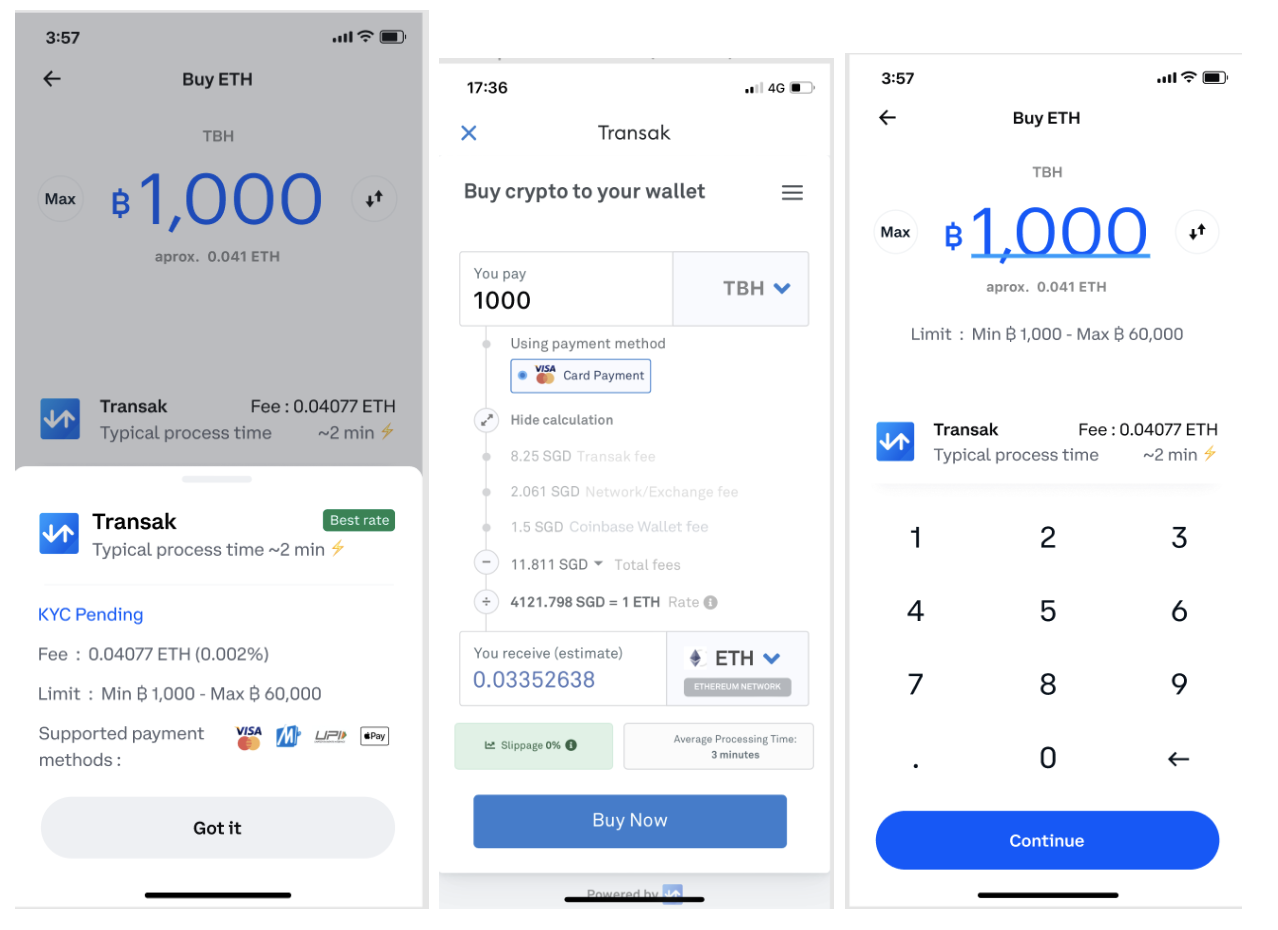
- Navigate to the Buy/Sell Section: On the Coinbase dashboard, locate the “Buy/Sell” button.
- Select Cryptocurrency: Choose the specific cryptocurrency you wish to purchase from the list.
- Enter Amount: Input the amount of fiat currency (e.g., $100) you wish to spend, or the amount of crypto you want to acquire. Coinbase will automatically calculate the equivalent value.
- Select Payment Method: Choose your preferred linked payment method (bank account, debit card, etc.).
- Review Order: Carefully review the order details, including the amount of crypto you will receive, the price, the fees, and the total cost. This is your final chance to understand the financial implications.
- Confirm Purchase: Click “Buy Now” (or similar) to execute the transaction.
Your purchase will typically be executed instantly (or near-instantly, depending on the payment method and network congestion), and the cryptocurrency will appear in your Coinbase portfolio.
Different Order Types: Market vs. Limit Orders
While the standard Coinbase interface primarily offers market orders, understanding these concepts is crucial for managing your financial exposure:
- Market Order (Default on Coinbase): This instructs the exchange to buy or sell a cryptocurrency immediately at the best available current market price. It guarantees execution but not a specific price, making it suitable for quick trades but potentially leading to slight price discrepancies (slippage) in volatile markets.
- Limit Order (Available on Coinbase Advanced Trade): This allows you to set a specific price at which you wish to buy or sell. The order will only execute if the market reaches your specified price or better. This offers greater price control and is preferred by more experienced traders to manage entry and exit points, reducing financial risk at undesirable prices.
For initial purchases, a market order is often sufficient, but as you grow as an investor, exploring limit orders can be beneficial for strategic asset accumulation.
Confirming and Monitoring Your Investment
After your purchase, it’s vital to:
- Confirm Transaction: Check your Coinbase portfolio or transaction history to ensure the purchase was successful and the correct amount of cryptocurrency has been credited.
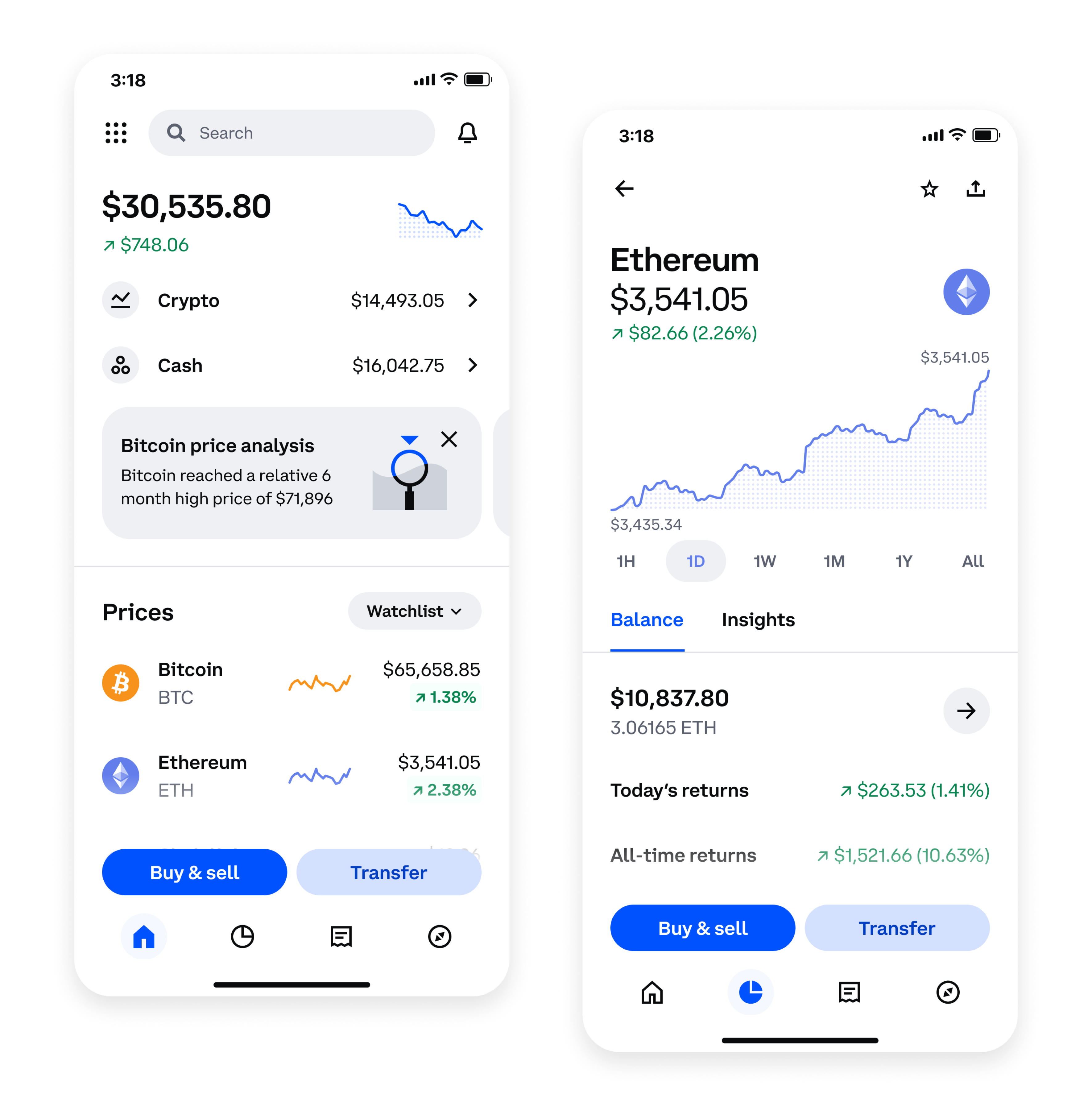
- Monitor Performance: Regularly check the value of your holdings. Coinbase provides a clear dashboard showing your portfolio’s current value, historical performance, and individual asset prices. Remember that these values are constantly fluctuating.
- Set Price Alerts: Utilize Coinbase’s features to set price alerts for your assets, helping you stay informed about significant market movements without constant manual checking. This is a simple tool for managing your financial attention.
Managing Your Crypto Investments on Coinbase
Buying crypto is just the first step. Effective financial management of your digital assets involves security, strategic planning, and understanding tax implications.
Securing Your Assets: Best Practices for Digital Wealth
Protecting your investments is paramount. While Coinbase employs robust security measures, your personal practices are equally important:
- Strong, Unique Passwords: Use complex, unique passwords for your Coinbase account and change them regularly.
- Two-Factor Authentication (2FA): Always enable 2FA using an authenticator app (like Google Authenticator or Authy) rather than SMS, which is less secure. This is your primary defense against unauthorized access to your funds.
- Be Wary of Phishing: Never click on suspicious links or provide account details in response to unsolicited emails or messages. Coinbase will never ask for your password.
- Monitor Account Activity: Regularly review your transaction history for any suspicious activity.
- Understand Custody: On Coinbase, your crypto is held in a custodial wallet. This means Coinbase manages the private keys. While convenient, it’s different from self-custody (holding your own private keys), which offers ultimate control but requires more technical expertise and responsibility. For new investors, Coinbase’s custodial approach is often preferred for its ease of use and inherent security measures.
Diversification and Portfolio Management
Just like traditional investing, diversification is a key financial strategy in crypto:
- Don’t Put All Your Eggs in One Basket: Avoid investing all your capital into a single cryptocurrency. Spread your investments across several promising assets to mitigate risk.
- Asset Allocation: Determine a suitable allocation for different crypto assets based on their market cap, use case, and your risk appetite. For instance, a larger portion in BTC/ETH and a smaller portion in higher-risk altcoins.
- Regular Rebalancing: Periodically review your portfolio and rebalance it to maintain your desired asset allocation. If one asset grows significantly, you might sell some profits to reallocate to underperforming assets or take profits.
Tax Implications of Cryptocurrency Investing
A critical, often overlooked, aspect of crypto investing is taxes. In many jurisdictions, including the US, cryptocurrency is treated as property for tax purposes:
- Taxable Events: Selling crypto for fiat, trading one crypto for another, or using crypto to pay for goods/services are generally considered taxable events.
- Capital Gains/Losses: You’ll owe capital gains tax on profits made from selling crypto. The tax rate depends on whether it’s a short-term gain (held for less than a year) or a long-term gain (held for over a year). Conversely, you can deduct capital losses.
- Record Keeping: Maintain meticulous records of all your crypto transactions, including dates, amounts, prices, and fees. Coinbase provides transaction history, but additional tracking tools can be helpful.
- Professional Advice: It is highly recommended to consult with a tax professional experienced in cryptocurrency to understand your specific obligations and optimize your tax strategy. Ignoring crypto taxes can lead to significant financial penalties.
Selling and Withdrawing Your Crypto
When you decide to realize profits or exit a position, the process is straightforward:
- Select Asset to Sell: Choose the cryptocurrency you wish to sell.
- Enter Amount: Specify the amount of crypto you want to sell.
- Confirm Sale: Review the conversion rate, fees, and the fiat amount you will receive.
- Withdraw Funds: Once sold, the fiat currency will be available in your Coinbase USD wallet. You can then withdraw these funds to your linked bank account or PayPal. Withdrawal times vary based on the method, with bank transfers typically taking a few business days.
Beyond the Basics: Advanced Considerations for the Savvy Investor
As you gain experience, deepening your understanding of market dynamics and long-term financial strategies becomes essential.
Understanding Volatility and Market Cycles
Cryptocurrency markets are notorious for their extreme volatility, often exhibiting significant price swings in short periods. Seasoned investors understand:
- Market Cycles: Crypto markets often move in cycles, characterized by periods of rapid growth (bull markets) followed by corrections or downturns (bear markets). Recognizing these patterns can inform your financial strategy.
- Emotional Discipline: The high volatility can be emotionally taxing. Avoid making impulsive decisions based on fear (selling during dips) or greed (buying at market peaks). Stick to your predetermined financial plan.
- Dollar-Cost Averaging (DCA): A popular financial strategy where you invest a fixed amount of money at regular intervals (e.g., $50 every week), regardless of the asset’s price. This averages out your purchase price over time, mitigating the risk of buying all at once at a market peak.
The Importance of Due Diligence for Investment Decisions
Never invest in a cryptocurrency solely based on hype or recommendations. Always conduct your own financial due diligence:
- Research the Project: Understand the cryptocurrency’s whitepaper, its underlying technology, its use case, and the problem it aims to solve.
- Team and Community: Investigate the development team, their experience, and the strength of the project’s community.
- Tokenomics: Analyze how the cryptocurrency’s tokens are distributed, their supply schedule, and their utility within the ecosystem.
- Market Capitalization and Volume: Assess the project’s market cap (a measure of its overall value) and trading volume (an indicator of liquidity).
- Competitors: Understand who the project’s competitors are and its competitive advantages.
Long-Term vs. Short-Term Investing Strategies
Your investment goals will dictate your strategy:
- Long-Term (HODLing): Many crypto investors adopt a “HODL” (hold on for dear life) strategy, buying assets they believe in and holding them for years, riding out short-term volatility. This requires patience and a strong conviction in the asset’s long-term potential.
- Short-Term Trading: Involves frequent buying and selling to capitalize on short-term price fluctuations. This is high-risk, requires significant market knowledge, technical analysis skills, and can incur higher transaction fees and tax liabilities. For most beginners, long-term investing through DCA is a more prudent approach.
Embarking on the journey of buying cryptocurrency on Coinbase offers a unique opportunity to participate in the future of finance. By understanding the platform, diligently managing your financial security, strategizing your investments, and being aware of your tax obligations, you can navigate this exciting, yet challenging, market with greater confidence and potentially achieve your financial goals. Always remember that knowledge, discipline, and a balanced financial perspective are your most valuable assets in the digital frontier.
aViewFromTheCave is a participant in the Amazon Services LLC Associates Program, an affiliate advertising program designed to provide a means for sites to earn advertising fees by advertising and linking to Amazon.com. Amazon, the Amazon logo, AmazonSupply, and the AmazonSupply logo are trademarks of Amazon.com, Inc. or its affiliates. As an Amazon Associate we earn affiliate commissions from qualifying purchases.