
Coinbase stands as a pivotal entity in the rapidly expanding world of digital finance, serving as one of the most recognized and widely utilized cryptocurrency exchange platforms globally. At its core, Coinbase acts as a sophisticated financial service, enabling individuals and institutions to engage with cryptocurrencies, digital assets that have transcended niche interest to become a significant component of the modern investment landscape. Far from being merely a technology company, Coinbase primarily functions as a financial gateway, providing the infrastructure and tools necessary for buying, selling, storing, and managing a diverse portfolio of digital currencies.
Coinbase as a Gateway to the Crypto Economy
The emergence of cryptocurrencies has introduced a new paradigm in global finance, offering decentralized alternatives to traditional banking systems and investment vehicles. For many, understanding and accessing this burgeoning digital economy can appear complex and daunting. Coinbase has strategically positioned itself to bridge this gap, simplifying the process for millions to participate.
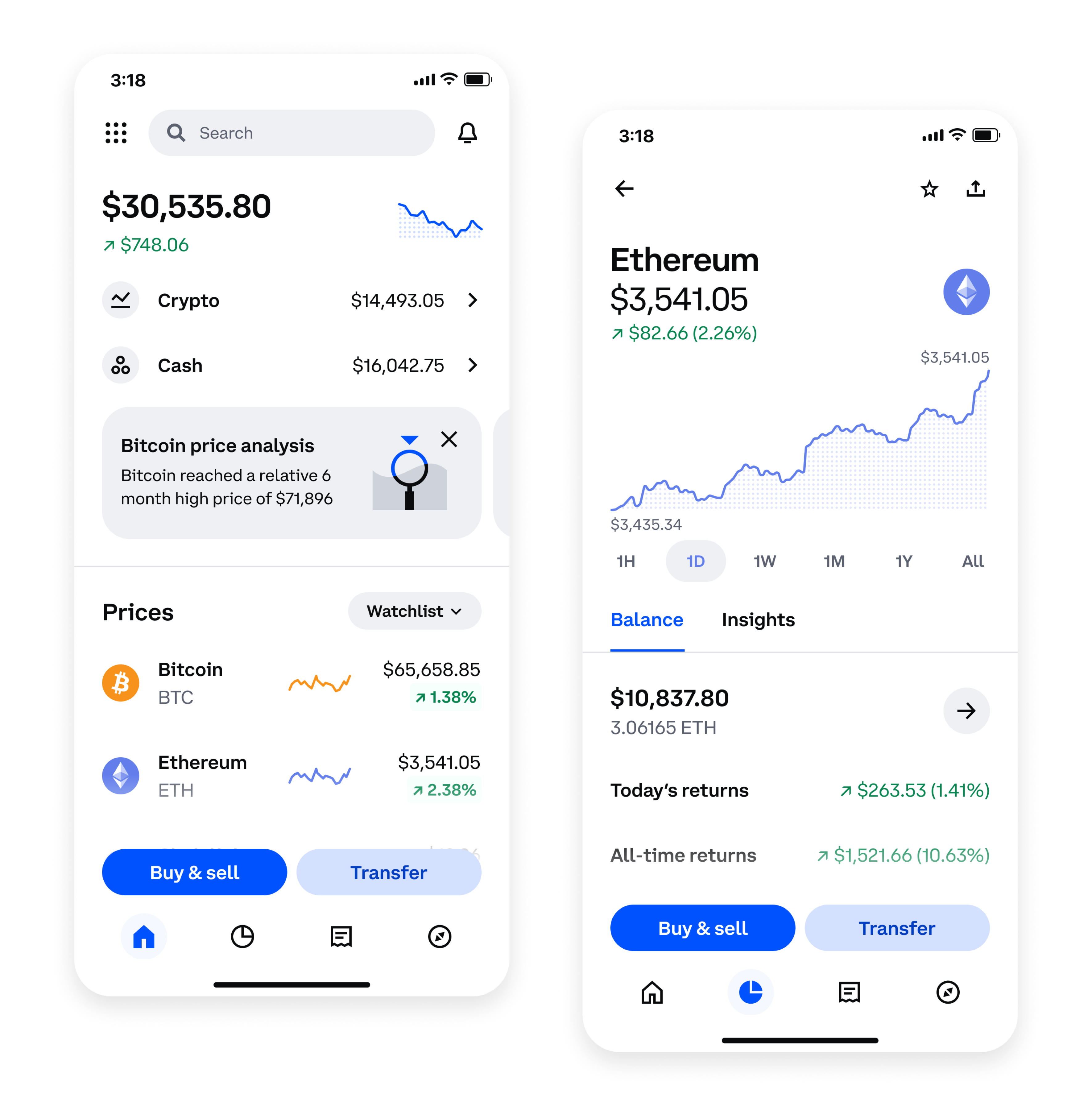
The Digital Asset Revolution
Cryptocurrencies like Bitcoin and Ethereum represent a fundamental shift in how value is created, transferred, and stored. They operate on blockchain technology, a distributed ledger system that ensures transparency and security without the need for intermediaries. Coinbase’s significance lies in its ability to translate the intricate mechanics of blockchain into an accessible platform for the average user. It provides a user-friendly interface that abstracts away much of the technical complexity, allowing investors to focus on financial decisions rather than cryptographic protocols. This ease of entry has been crucial in accelerating the mainstream adoption of digital assets.
Bridging Traditional Finance and Cryptocurrency
Coinbase has been instrumental in normalizing cryptocurrency as a legitimate asset class within broader financial discussions. By offering services that mirror those found in traditional brokerage firms, such as easy deposits from bank accounts, credit/debit card purchases, and transparent transaction histories, it has made the transition smoother for individuals accustomed to conventional financial instruments. This integration helps demystify crypto investing, making it feel less like a speculative venture and more like a standard component of a diversified investment strategy. The platform also offers resources for understanding market trends, asset performance, and the underlying economics of various cryptocurrencies, further embedding them within established financial analytical frameworks.
Core Functionality: Buy, Sell, Trade
The primary financial functions offered by Coinbase revolve around the fundamental transactions of the crypto market. Users can easily purchase a wide range of cryptocurrencies using fiat currencies (like USD, EUR, GBP), sell their digital assets back into fiat, or trade one cryptocurrency for another. This three-pronged functionality forms the backbone of its service, catering to everyone from first-time buyers making a small initial investment to seasoned traders executing complex strategies. The ability to execute these transactions quickly and securely is a cornerstone of Coinbase’s value proposition, directly impacting an investor’s ability to capitalize on market movements and manage their digital asset holdings effectively.
Understanding Coinbase’s Financial Products and Services
Coinbase offers a tiered ecosystem of financial products designed to cater to varying levels of investor sophistication and engagement with the cryptocurrency market. Each service is tailored to specific financial objectives, from simple asset accumulation to advanced trading and decentralized finance participation.
Coinbase Exchange: Spot Trading for Beginners
The standard Coinbase platform is designed with accessibility in mind. It provides a straightforward interface for spot buying and selling cryptocurrencies at market price. This version is ideal for individuals new to crypto investing who prioritize simplicity and security. It allows users to set up recurring buys, enabling a dollar-cost averaging strategy that can mitigate volatility risk over time. While the fees might be slightly higher than its professional counterpart, the ease of use and comprehensive educational resources often justify this for novice investors focused on long-term accumulation rather than frequent trading.
Coinbase Pro (now Advanced Trade): Tools for Active Investors
For more experienced traders, Coinbase provides a more robust trading platform, formerly known as Coinbase Pro and now integrated into the main platform as “Advanced Trade.” This service offers enhanced charting tools, various order types (limit orders, stop orders), and a lower fee structure compared to the basic exchange. It’s built for active investors who require greater control over their trades, want to minimize transaction costs, and engage in more sophisticated trading strategies. The depth of market data and professional-grade tools make it a go-to for serious crypto participants looking to optimize their financial maneuvers in a volatile market.
Coinbase Wallet: Self-Custody and Decentralized Finance (DeFi)
Beyond its exchange services, Coinbase also offers a non-custodial wallet. Unlike the exchange where Coinbase holds the private keys to users’ assets, Coinbase Wallet puts full control and ownership directly in the hands of the user. This is crucial for individuals who prioritize sovereignty over their digital assets and wish to interact directly with the decentralized finance (DeFi) ecosystem. The wallet enables participation in decentralized applications (dApps), NFT marketplaces, and various DeFi protocols, opening up avenues for earning yield, borrowing, lending, and exploring the cutting edge of financial innovation outside of centralized control. It represents a significant step towards true financial independence within the crypto space.
Staking and Earning Opportunities
Coinbase offers various avenues for users to earn passive income on their digital assets, a feature that significantly enhances its financial appeal. Through staking, users can commit certain cryptocurrencies (like Ethereum, Solana, Cardano) to support the operation of a blockchain network and, in return, earn rewards. Coinbase often simplifies this complex process, allowing users to stake directly from their holdings on the platform. Other earning opportunities might include lending programs or rewards for holding specific assets, all designed to maximize the financial utility of dormant crypto holdings. These programs provide an incentive for long-term holding and can contribute to the overall growth of an investment portfolio.
Coinbase Card: Spending Crypto in the Real World
Further blurring the lines between traditional and digital finance, the Coinbase Card is a debit card that allows users to spend their cryptocurrency holdings at any merchant that accepts Visa. When a transaction occurs, Coinbase converts the necessary amount of crypto to fiat currency at the point of sale. This feature makes cryptocurrencies more liquid and practical for everyday financial use, enabling users to leverage their digital assets for immediate purchases without first cashing out to a bank account. It also often comes with crypto rewards, providing an additional financial incentive for using digital assets in daily life.
Navigating the Financial Landscape with Coinbase
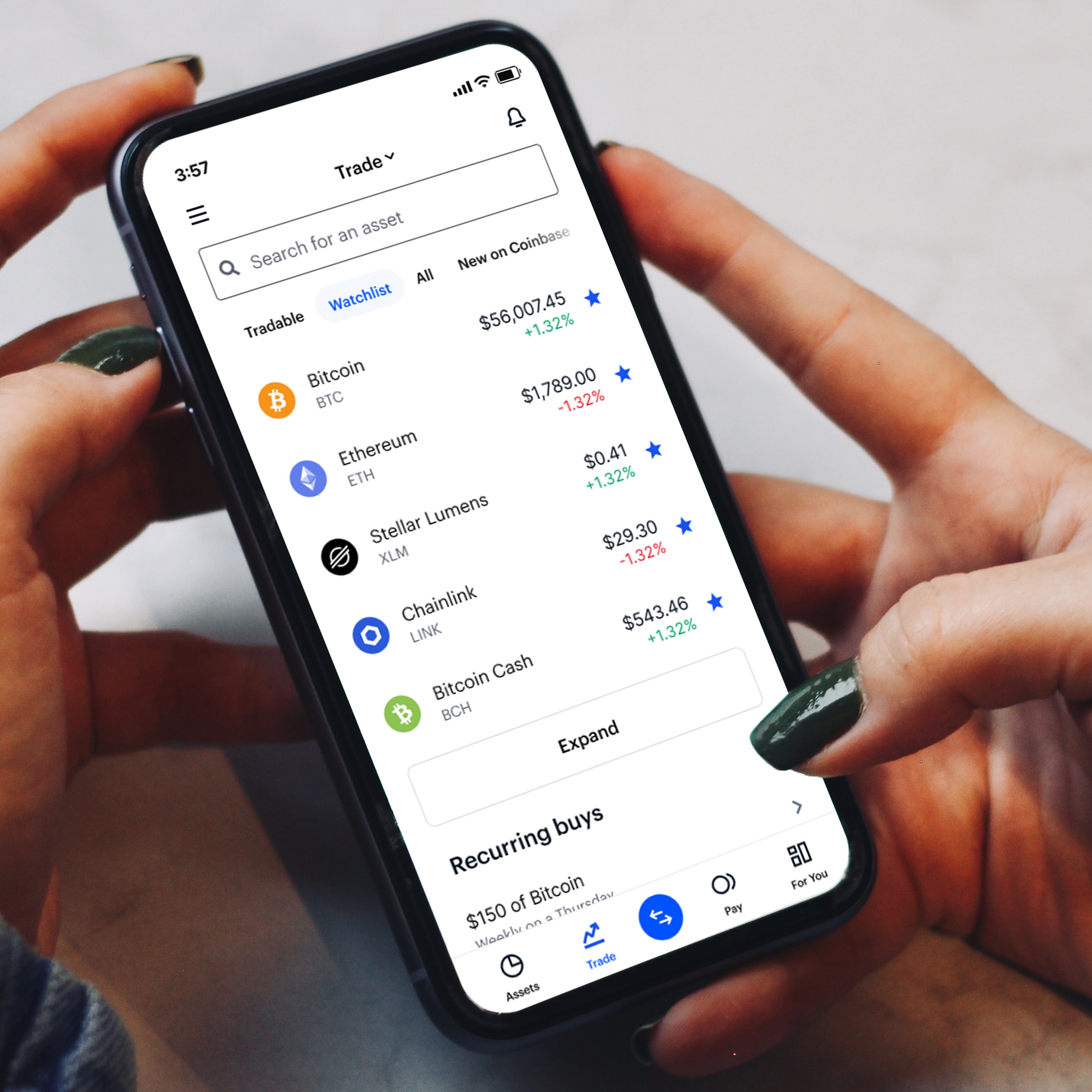
Engaging with Coinbase, like any financial platform, requires a clear understanding of its operational nuances, particularly regarding costs, security, and regulatory adherence. These factors directly impact an investor’s financial outcomes and confidence.
Fees and Transaction Costs: What Investors Need to Know
Understanding Coinbase’s fee structure is critical for managing investment returns. The platform typically charges fees for buying, selling, and converting cryptocurrencies. These fees can vary based on the transaction size, payment method, and the specific Coinbase product used (e.g., standard Coinbase vs. Advanced Trade). For instance, basic purchases may incur a spread and a flat fee or a percentage-based fee, while Advanced Trade offers a maker-taker fee model that rewards higher trading volumes with lower costs. Being aware of these charges allows investors to make informed decisions, optimize their trading strategies, and accurately calculate their net returns on investments.
Security Measures for Protecting Digital Assets
Coinbase implements robust security protocols to protect user funds, a paramount concern for any financial institution handling valuable assets. This includes storing a significant percentage of customer cryptocurrency offline in cold storage, multi-factor authentication, biometric logins, and insured fiat balances (up to certain limits in applicable jurisdictions). For investors, these measures provide a layer of reassurance that their financial holdings are safeguarded against cyber threats and unauthorized access. However, users are also encouraged to practice good personal security habits, as the ultimate responsibility for wallet security often rests with the individual.
Regulatory Compliance and Investor Protection
As a publicly traded company in the United States, Coinbase operates under significant regulatory scrutiny, which can be both a benefit and a constraint for its users. It complies with various financial regulations, including Know Your Customer (KYC) and Anti-Money Laundering (AML) laws, which require users to verify their identity. While this might seem intrusive, it enhances the legitimacy of the platform and offers a degree of investor protection by reducing fraudulent activities. Coinbase’s commitment to regulatory compliance helps to foster trust in the broader crypto ecosystem, making it a more secure environment for financial transactions than unregulated exchanges.
Tax Implications of Cryptocurrency Transactions
A critical aspect of using Coinbase for financial activities is understanding the tax implications. In many jurisdictions, buying, selling, trading, or even spending cryptocurrencies can trigger taxable events. Capital gains or losses from selling crypto, income from staking rewards, or even the fair market value of crypto used for purchases can be subject to taxation. Coinbase typically provides tools and transaction history reports to help users prepare their tax filings, but it is ultimately the individual investor’s responsibility to understand and comply with tax laws relevant to their location. Proper tax planning and record-keeping are essential to avoid future financial penalties.
The Role of Coinbase in Personal Finance and Investment Portfolios
Integrating cryptocurrencies into a personal financial strategy through platforms like Coinbase involves considering various investment approaches and risk management principles.
Diversification with Digital Assets
For many investors, cryptocurrencies represent an opportunity for portfolio diversification. Digital assets, particularly Bitcoin, have historically shown low correlation with traditional asset classes like stocks and bonds, potentially offering an uncorrelated source of returns. Coinbase provides the means to allocate a portion of a personal investment portfolio to these assets, helping investors to spread risk and potentially enhance overall returns, albeit with the understanding of higher volatility inherent in the crypto market.
Long-Term vs. Short-Term Investment Strategies
Coinbase supports both long-term “HODLing” (holding on for dear life) and short-term trading strategies. Long-term investors may use Coinbase to accumulate assets over time, leveraging features like recurring buys and staking to grow their holdings. Short-term traders, conversely, utilize the advanced tools and liquidity of Coinbase’s platforms to capitalize on intraday or swing trading opportunities. The platform’s varied services accommodate different financial goals and risk appetites, allowing users to tailor their approach to their personal finance objectives.
Risk Management in Crypto Investing
Investing in cryptocurrencies through Coinbase comes with inherent risks, primarily due to market volatility. Coinbase emphasizes user education and provides market insights to help investors understand these risks. Effective risk management involves only investing what one can afford to lose, diversifying across multiple assets, and staying informed about market developments. While Coinbase itself provides a secure platform, market risks remain, and individuals must approach crypto investing with caution and a well-defined financial strategy.
Financial Education and Resource Provision
Coinbase places significant emphasis on financial education, offering a wealth of articles, guides, and tutorials. This commitment to user empowerment is crucial in a nascent and often misunderstood market. By providing clear explanations of blockchain technology, cryptocurrency fundamentals, and investment strategies, Coinbase helps users make more informed financial decisions, reducing the knowledge gap and fostering a more literate investor base. This educational aspect is vital for sustainable growth in the digital asset space.
The Future of Digital Finance and Coinbase’s Position
Coinbase is not just a participant but a significant architect in shaping the future of digital finance. Its strategic initiatives and continuous development reflect a vision for a financial system that is more open, efficient, and inclusive.
Expanding Beyond Bitcoin and Ethereum
While Bitcoin and Ethereum remain foundational, Coinbase continually expands its offerings to include a wider array of altcoins and emerging digital assets. This expansion reflects the growing diversity within the crypto ecosystem and the increasing demand from investors to access new projects with potential for significant financial returns. By listing new assets, Coinbase acts as a gatekeeper, often providing a seal of legitimacy that can influence market perception and liquidity for these newer cryptocurrencies.
Institutional Adoption and Mainstream Integration
Coinbase plays a crucial role in facilitating institutional investment in cryptocurrencies through its Coinbase Prime service, which caters to hedge funds, asset managers, and corporate treasuries. This institutional engagement is vital for bringing greater capital, stability, and legitimacy to the crypto market. As more mainstream financial institutions adopt digital assets, Coinbase’s established infrastructure and regulatory compliance make it an attractive partner, further cementing cryptocurrencies as a recognized asset class in global financial portfolios.

The Evolving Regulatory Environment
The regulatory landscape for cryptocurrencies is still evolving globally. Coinbase actively engages with regulators and lawmakers, advocating for clear and sensible policies that foster innovation while protecting investors. Its status as a publicly traded company and its proactive approach to compliance position it to thrive amidst regulatory changes. The ongoing dialogue and adaptation to new rules will define not only Coinbase’s trajectory but also the broader trajectory of digital finance, as the industry seeks to balance innovation with financial stability and consumer protection.
aViewFromTheCave is a participant in the Amazon Services LLC Associates Program, an affiliate advertising program designed to provide a means for sites to earn advertising fees by advertising and linking to Amazon.com. Amazon, the Amazon logo, AmazonSupply, and the AmazonSupply logo are trademarks of Amazon.com, Inc. or its affiliates. As an Amazon Associate we earn affiliate commissions from qualifying purchases.