
Coinbase has emerged as a cornerstone in the cryptocurrency landscape, providing millions of users with a platform to buy, sell, and manage digital assets. For many, it’s not just a gateway to the crypto world but also a potential avenue for generating income. Understanding the various strategies and tools available on Coinbase can empower individuals to integrate cryptocurrency earnings into their broader financial portfolio. This guide explores the multifaceted approaches to making money on Coinbase, from foundational investment strategies to more advanced and passive income opportunities.
Understanding Coinbase and Its Role in Your Financial Strategy
Before diving into specific money-making tactics, it’s crucial to understand what Coinbase offers and how it positions itself in the digital asset economy. As a regulated and publicly traded company, Coinbase provides a layer of security and user-friendliness that attracts both novice and experienced investors.

What is Coinbase?
Coinbase is primarily a cryptocurrency exchange platform that facilitates the buying, selling, and storage of various digital currencies, including Bitcoin, Ethereum, and hundreds of altcoins. It offers a user-friendly interface for retail investors through its main platform and more advanced trading features via Coinbase Advanced (formerly Coinbase Pro). Beyond basic trading, Coinbase has expanded its offerings to include staking, educational rewards, and a secure wallet for decentralized finance (DeFi) interactions. This broad suite of services makes it a versatile tool for engaging with the crypto market.
Why Choose Coinbase for Earning?
Several factors make Coinbase an attractive platform for those looking to earn money through cryptocurrencies. Its reputation for security and compliance, especially in regulated markets, instills confidence. The platform’s intuitive design lowers the barrier to entry for new users, while features like recurring buys simplify consistent investment. Furthermore, Coinbase actively introduces new opportunities, such as its Earn program and staking services, which provide additional avenues for passive income beyond mere price appreciation. Its high liquidity for major assets also ensures efficient execution of trades.
Essential Considerations Before You Start
Engaging with cryptocurrencies, including through Coinbase, involves inherent risks. Market volatility means that asset values can fluctuate dramatically in short periods. Before committing funds, it’s vital to conduct thorough research, understand the specific risks associated with each cryptocurrency, and never invest more than you can afford to lose. Compliance with Know Your Customer (KYC) regulations is also mandatory for identity verification, which is a standard procedure across regulated financial platforms. Additionally, being aware of tax implications for crypto earnings in your jurisdiction is crucial for long-term financial planning.
Direct Investment Strategies on Coinbase
The most straightforward way to potentially make money on Coinbase is through strategic investment in cryptocurrencies. These strategies often revolve around capital appreciation and require a fundamental understanding of market dynamics and a disciplined approach.
Buying and Holding (HODLing) for Long-Term Appreciation
One of the most popular and often recommended strategies for beginners is “HODLing” – a misspelling of “holding” that has become crypto vernacular. This involves buying a cryptocurrency and holding onto it for an extended period, often years, with the expectation that its value will increase over time. Investors employing this strategy typically focus on established cryptocurrencies like Bitcoin (BTC) and Ethereum (ETH), or promising altcoins with strong fundamentals and innovative technology. The key here is patience and the ability to ride out market fluctuations without panic selling. Researching a project’s whitepaper, development team, use case, and community support is critical before making a long-term investment.
Dollar-Cost Averaging (DCA)
Dollar-cost averaging is a powerful strategy, particularly in volatile markets like cryptocurrency. It involves investing a fixed amount of money at regular intervals (e.g., weekly, monthly) regardless of the asset’s price. For example, instead of investing $1,000 all at once, you might invest $100 every week for ten weeks. This strategy mitigates the risk of investing a large sum at a market peak. By regularly buying, you average out your purchase price over time, potentially acquiring more units when prices are low and fewer when prices are high. Coinbase makes DCA easy by allowing users to set up recurring buys for most assets, automating the process and promoting disciplined investment habits.
Staking Cryptocurrencies
Staking is a method of earning passive income by locking up your cryptocurrency to support the operations of a blockchain network. Many modern blockchains, particularly those using a Proof-of-Stake (PoS) consensus mechanism, rely on staking to validate transactions and secure the network. In return for your contribution, you receive staking rewards, often in the form of newly minted coins. Coinbase offers staking services for several popular cryptocurrencies, including Ethereum (ETH 2.0), Solana (SOL), Cardano (ADA), and Tezos (XTZ), among others. The Annual Percentage Yield (APY) can vary, and while staking is generally considered lower risk than active trading, your staked assets are typically locked for a period, meaning they cannot be sold immediately. Understanding the lock-up periods and potential un-staking delays is important.
Passive Income Opportunities and Engagement Programs
Beyond direct investment, Coinbase provides several avenues for earning passive income or rewards through participation and engagement.
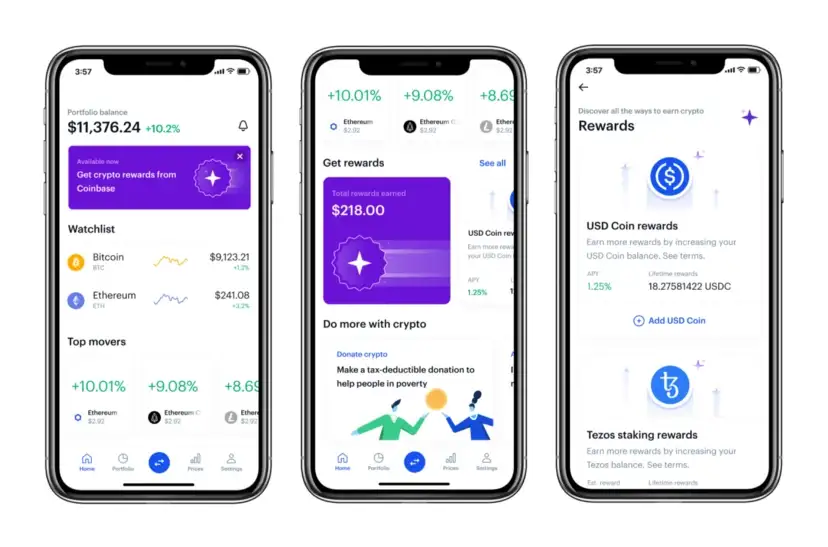
Coinbase Earn Program
The Coinbase Earn program is a unique and accessible way to earn small amounts of cryptocurrency by learning about new digital assets. Users watch short educational videos and complete quizzes about specific cryptocurrencies. Upon successful completion, they are rewarded with a small amount of that cryptocurrency. This program not only helps users expand their knowledge of the crypto ecosystem but also allows them to acquire diverse assets without direct investment. Eligibility often depends on location and KYC verification, and opportunities are updated periodically.
Referral Program
Coinbase offers a referral program that rewards users for inviting new individuals to the platform. Typically, when a new user signs up using your referral link and completes a qualifying action, such as buying or selling a certain amount of cryptocurrency, both the referrer and the new user receive a bonus in Bitcoin or another specified cryptocurrency. This can be an effective way to earn additional crypto by leveraging your social network, especially if you have friends or family interested in entering the crypto market.
USDC Rewards and Savings
USD Coin (USDC) is a stablecoin pegged to the US dollar, meaning its value is designed to remain stable at $1. Coinbase has historically offered varying reward rates for holding USDC, allowing users to earn interest on their stablecoin balances. While these rates can fluctuate based on market conditions and Coinbase’s offerings, earning interest on a stable asset can be an attractive option for preserving capital while still generating a return, especially when compared to traditional savings accounts with lower interest rates. This option provides a stable return without the volatility associated with other cryptocurrencies.
Advanced Trading and Strategic Approaches
For those with more experience and a higher tolerance for risk, Coinbase Advanced (formerly Coinbase Pro) offers tools for more active trading and strategic engagement with market movements.
Active Trading and Day Trading
Active trading involves frequently buying and selling cryptocurrencies to profit from short-term price fluctuations. Day trading, a subset of active trading, involves opening and closing positions within the same trading day. These strategies require a deep understanding of market analysis, chart patterns, technical indicators, and impeccable timing. Coinbase Advanced provides features like limit orders, stop-loss orders, and real-time order books, which are essential for active traders. However, the risks are significantly higher due to the extreme volatility of crypto markets. A robust risk management strategy, including strict stop-loss orders to limit potential losses, is paramount. This approach is not recommended for beginners.
Yield Farming and Decentralized Finance (DeFi) via Coinbase Wallet
While not directly part of the Coinbase exchange, the Coinbase Wallet (a separate self-custody wallet) can be used to interact with decentralized finance (DeFi) protocols. This opens up opportunities for yield farming, where users lend or stake crypto assets in DeFi protocols to earn high returns or governance tokens. Examples include providing liquidity to decentralized exchanges (DEXs) or lending assets through money markets. While potentially offering higher returns than traditional staking, DeFi involves substantially higher risks, including smart contract vulnerabilities, impermanent loss, and the complexities of navigating decentralized protocols. It requires a more advanced understanding of blockchain technology and is typically for experienced users willing to accept significant risk.
Risk Management and Long-Term Financial Planning
Regardless of the specific strategy you choose, effective risk management and integration into a broader financial plan are critical for sustainable success on Coinbase.
Understanding Market Volatility
Cryptocurrency markets are notoriously volatile. Prices can surge or plummet by double-digit percentages in a single day, influenced by news, regulatory changes, technological developments, and broader economic factors. It is essential to develop a resilient mindset and avoid making emotional decisions based on short-term price swings. A clear understanding of your personal risk tolerance is fundamental before allocating capital to crypto assets.
Diversification Strategies
“Don’t put all your eggs in one basket” is particularly relevant in crypto. Diversifying your crypto portfolio by investing in a range of assets across different categories (e.g., major coins, stablecoins, DeFi tokens, NFTs) can help mitigate risk. If one asset underperforms, others might compensate. Additionally, considering your overall financial portfolio, it’s prudent to balance crypto investments with more traditional assets like stocks, bonds, and real estate, based on your long-term financial goals and risk profile.
Security Best Practices
Protecting your assets on Coinbase is paramount. Always enable two-factor authentication (2FA) using an authenticator app (not SMS) for an added layer of security. Use strong, unique passwords and consider a hardware security key. Be vigilant against phishing attempts and scams; always verify the authenticity of emails and websites before entering credentials. Regularly review your account activity and set up alerts for transactions.

Tax Implications of Crypto Earnings
Any profits derived from cryptocurrency activities, whether from trading, staking rewards, or capital gains from selling, are generally subject to taxation in most jurisdictions. It’s crucial to keep meticulous records of all your crypto transactions, including purchase dates, prices, sale dates, and proceeds. This documentation will be essential when calculating capital gains or ordinary income for tax purposes. Consulting a qualified tax professional who specializes in cryptocurrency taxation is highly recommended to ensure compliance and optimize your tax strategy. Ignoring tax obligations can lead to significant penalties.
By understanding these diverse strategies and maintaining a disciplined approach to risk management and financial planning, individuals can leverage Coinbase as a tool to pursue their financial objectives within the dynamic world of cryptocurrency.
aViewFromTheCave is a participant in the Amazon Services LLC Associates Program, an affiliate advertising program designed to provide a means for sites to earn advertising fees by advertising and linking to Amazon.com. Amazon, the Amazon logo, AmazonSupply, and the AmazonSupply logo are trademarks of Amazon.com, Inc. or its affiliates. As an Amazon Associate we earn affiliate commissions from qualifying purchases.