
The seemingly simple question, “What channel is The Walking Dead on?” has evolved dramatically from a straightforward query about a cable TV listing into a complex exploration of modern media technology. In an era where traditional linear broadcasting is increasingly augmented, and often overshadowed, by a fragmented landscape of streaming services, apps, and digital platforms, finding your favorite show requires a deeper understanding of the underlying technological infrastructure. This article delves into the technological ecosystem that dictates where and how you can access “The Walking Dead,” examining the platforms, devices, software, and trends that define contemporary content consumption.

The Evolving Definition of “Channel” in the Digital Age
The concept of a “channel” has undergone a profound transformation, moving far beyond the numerical slots on a cable box. This shift is fundamentally driven by advancements in digital technology, particularly the internet and its capacity for on-demand content delivery.
From Linear Broadcasts to On-Demand Streaming
Historically, “what channel” meant identifying a specific frequency band or a dedicated slot on a cable or satellite provider’s grid. Shows like “The Walking Dead” premiered exclusively at a scheduled time on a single network, AMC, broadcast via traditional electromagnetic signals or coaxial cables. Viewers were bound by broadcast schedules and regional availability, a technological limitation of the era. Recording technologies like VCRs and later DVRs offered some reprieve, allowing for time-shifting, but the core delivery mechanism remained linear.
The advent of broadband internet and robust content delivery networks (CDNs) ushered in the era of on-demand streaming. This technological leap enabled content providers to bypass traditional broadcast infrastructure, delivering high-quality video directly to internet-connected devices. Instead of tuning into a frequency, viewers now connect to a server, streaming data packets that reconstitute into video and audio. This technological paradigm shift fundamentally reshaped viewer expectations, prioritizing convenience and personalization over rigid schedules. For “The Walking Dead,” this meant that while new episodes still debuted on AMC, the show’s past seasons, and increasingly new content, became accessible through a myriad of digital gateways.
The Fragmentation of Content: A Technological Consequence
The shift to digital distribution, while empowering viewers with choice, also led to the fragmentation of content. With lower barriers to entry for content distribution platforms, numerous companies launched their own streaming services, each vying for subscriber attention. This wasn’t merely a business strategy; it was a direct consequence of the technological capability to host and distribute vast libraries of content independently. Each service operates its own tech stack, including content management systems, user interfaces, recommendation algorithms, and digital rights management (DRM) solutions.
For a hugely popular show like “The Walking Dead,” this fragmentation means its content footprint is spread across multiple platforms. AMC, the original network, leveraged this technological shift to launch AMC+, its own dedicated streaming service, offering early access and exclusive spin-offs. Meanwhile, past seasons have been licensed to other major streaming players like Netflix or Hulu, each with their own content delivery infrastructure and user experience. Navigating this landscape requires understanding which tech gateway holds the specific content you wish to access, often necessitating multiple subscriptions or a strategic approach to free trials. This technological decentralization has made the “what channel” question significantly more complex, demanding a user’s familiarity with a diverse array of digital platforms and their unique offerings.
Decoding The Walking Dead’s Digital Footprint: Key Platforms and Tech Gateways
To pinpoint “what channel” “The Walking Dead” is on today, one must understand the primary technological platforms that serve as its digital homes. These range from the original network’s dedicated streaming app to third-party licensing agreements and live TV streaming services.
AMC Networks: The Home Base and Its Technological Extensions
At the core of “The Walking Dead”‘s distribution is AMC Networks. Traditionally, new episodes aired on the AMC cable channel. However, in response to the streaming revolution, AMC launched AMC+. This dedicated subscription streaming service is a prime example of a content owner leveraging technology to build a direct-to-consumer relationship.
AMC+ functions as an over-the-top (OTT) streaming application, powered by sophisticated backend technology for content ingestion, encoding, delivery via CDNs, and user authentication. It offers several key technological advantages:
- Early Access: Subscribers often gain access to new “Walking Dead” episodes up to a week before their linear broadcast on the AMC channel, a feature enabled by direct digital distribution.
- Exclusive Content: AMC+ hosts a growing library of exclusive spin-off series and original content related to “The Walking Dead” universe, such as “The Walking Dead: Dead City” or “The Walking Dead: Daryl Dixon.” This strategy keeps fans within the AMC+ ecosystem, driving subscriptions.
- Ad-Free Viewing: Unlike the ad-supported linear channel, AMC+ provides an uninterrupted viewing experience, a premium feature facilitated by its subscription model.
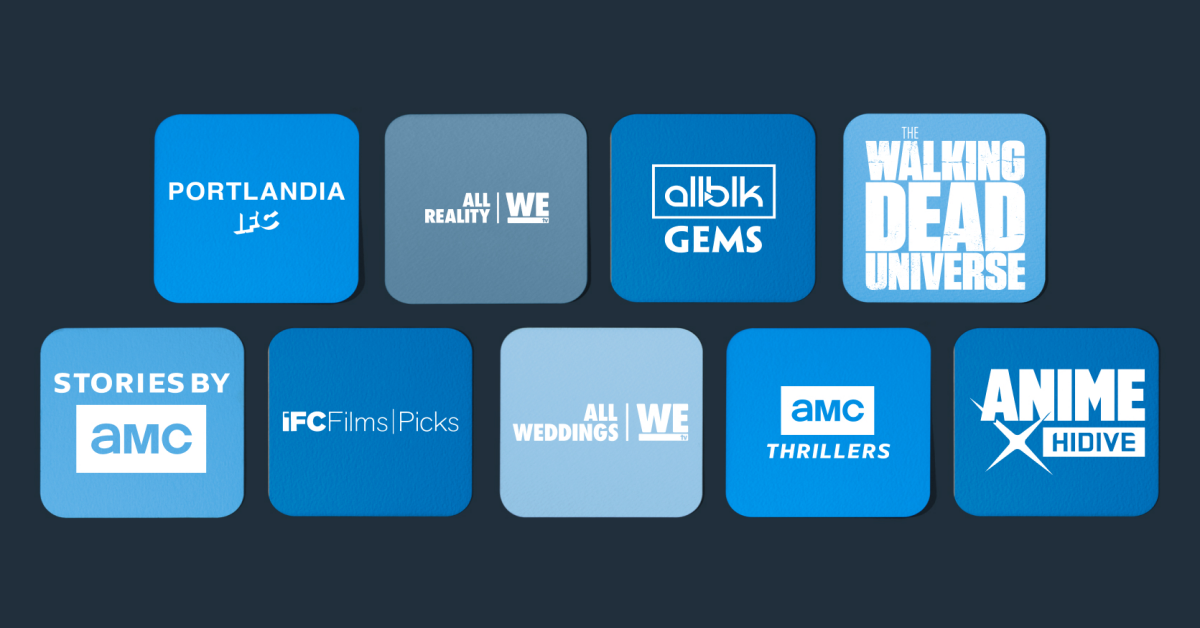
- Consolidated Content: Beyond TWD, AMC+ aggregates content from AMC’s family of networks (SundanceTV, Shudder, IFC Films Unlimited), offering a curated selection through a single interface.
Accessing AMC+ requires a compatible device (smart TV, streaming stick, mobile phone, web browser) and an internet connection. The app itself is a piece of software designed for intuitive navigation, powered by recommendation algorithms and user profiles.
Ancillary Streaming Services: Licensing and Digital Distribution Models
Beyond AMC+, past seasons of “The Walking Dead” have frequently appeared on other major streaming platforms due to licensing agreements. This highlights another critical aspect of content distribution technology:
- Netflix: For many years, Netflix was a key digital home for “The Walking Dead” in various regions, hosting older seasons. This involved intricate licensing deals and the transfer of digital video files, often requiring re-encoding to fit Netflix’s global CDN and diverse device ecosystem. The availability on Netflix is subject to change as licensing agreements expire or are renegotiated, demonstrating the fluid nature of digital rights management.
- Hulu/Amazon Prime Video: Depending on regional rights and specific deals, certain seasons or spin-offs might also appear on services like Hulu (often as an add-on or through specific bundles) or Amazon Prime Video (either for streaming with a Prime subscription or for digital purchase/rental). These platforms utilize their own robust streaming technologies and often serve as aggregators of content from various studios.
The movement of content between these platforms is governed by complex technological and legal frameworks. When a show moves from one platform to another, it involves the secure transfer of high-quality digital assets, updating DRM, and ensuring compatibility across potentially millions of user devices globally.
Live TV Streaming Services: Bridging Traditional and Digital Viewing
For those who still wish to watch “The Walking Dead” as it airs live (or access the AMC channel via digital means), live TV streaming services offer a technological bridge between traditional cable and the internet-driven future. Services like:
- Sling TV
- YouTube TV
- Hulu + Live TV
- Philo (which specifically focuses on entertainment channels like AMC)
These platforms provide digital access to linear television channels via an internet connection. They encode live broadcast signals into IP-deliverable streams, offering features like cloud DVR (digital video recorder) functionality, which allows users to record shows directly to the cloud and watch them later, bypassing physical storage devices. This technological innovation mimics the experience of traditional cable but with the flexibility and accessibility of internet streaming, making them viable “channels” for current TWD episodes.
The Tech Stack for Optimal TWD Consumption: Devices, Apps, and Connectivity
Accessing “The Walking Dead” in its various digital homes requires more than just knowing “what channel”; it demands a reliable tech stack. This involves the hardware you use, the software applications running on them, and the fundamental internet connection powering it all.
Smart TVs and Streaming Devices: The Hardware Hubs
The primary interface for consuming streaming content is typically a smart TV or a dedicated streaming device. These gadgets are powerful micro-computers designed to decode and display high-definition video streams.
- Smart TVs: Modern smart TVs integrate operating systems (like LG’s WebOS, Samsung’s Tizen, Google TV, Roku TV) that come pre-loaded with streaming apps or allow for easy installation. Their internal processors and display technologies (4K, OLED, QLED) are crucial for rendering high-quality video and managing network traffic.
- Streaming Sticks/Boxes: Devices like Roku, Amazon Fire TV, Apple TV, and Google Chromecast turn any HDMI-enabled display into a smart TV. These dedicated gadgets excel at streaming, often boasting more powerful processors, faster Wi-Fi capabilities, and dedicated remote controls for an optimized user experience. They are essentially specialized computers whose primary function is to run streaming applications efficiently.
The choice of hardware can significantly impact the viewing experience, affecting everything from app load times and interface responsiveness to video resolution and audio quality.
Mobile Apps and Cross-Platform Compatibility
Beyond the living room TV, “The Walking Dead” can be accessed via mobile apps on smartphones and tablets. Every major streaming service (AMC+, Netflix, Hulu, YouTube TV, etc.) offers dedicated applications for iOS and Android devices. These apps are sophisticated pieces of software designed for touch interfaces, optimized for mobile data consumption, and often include features like offline downloads (allowing content to be stored locally on the device for viewing without an internet connection).
The underlying technology ensures cross-platform compatibility, allowing users to start watching an episode on their smart TV and seamlessly pick up where they left off on their phone or tablet, thanks to cloud-synced user profiles and watch histories. This flexibility is a core tenet of modern digital content consumption, driven by robust backend databases and API integrations across different device ecosystems.
Internet Connectivity: The Unsung Hero of Streaming
The quality of your internet connection is arguably the most critical technological factor for a smooth streaming experience. High-definition (HD) and especially ultra-high-definition (4K/UHD) content demands significant bandwidth.
- Broadband Speed: For 4K streaming, recommended speeds are typically 25 Mbps or higher per stream. Insufficient bandwidth leads to buffering, reduced video quality, and an overall frustrating experience.
- Wi-Fi Technologies: The type of Wi-Fi router and standard (e.g., Wi-Fi 5, Wi-Fi 6, Wi-Fi 6E) directly impacts local network performance. A congested or outdated Wi-Fi network can bottleneck even a fast internet connection, preventing optimal streaming. Mesh Wi-Fi systems, a recent technological advancement, can extend reliable coverage throughout larger homes, ensuring strong signals for all streaming devices.
- Network Stability: A stable connection with low latency is just as important as raw speed. Drops in connection or high ping can interrupt streams, even if the average speed is adequate.
Without a robust and reliable internet connection, the most advanced smart TV or streaming app becomes effectively useless for on-demand content.
Digital Security and Privacy in the Streaming Ecosystem
As viewers increasingly rely on multiple streaming services, concerns around digital security and privacy become paramount.
- Account Security: Users are entrusting sensitive payment information and personal viewing habits to numerous platforms. Strong, unique passwords and two-factor authentication (2FA) are essential technological safeguards against account compromise.
- Data Privacy: Streaming apps collect vast amounts of data on viewing habits, preferences, and demographics. Understanding privacy policies and managing permissions within app settings becomes crucial for safeguarding personal data.
- VPNs: While often used for legitimate privacy reasons, Virtual Private Networks (VPNs) are sometimes employed to bypass geo-restrictions and access content unavailable in a user’s region. This is a complex area, as using VPNs can violate the terms of service of many streaming platforms, and companies often deploy sophisticated VPN detection technologies to prevent such access.
Enhancing Your Viewing Experience: Tech Tools and Future Trends
Beyond simply finding “The Walking Dead,” technology offers numerous ways to enhance the viewing experience and points towards an exciting future for content consumption.
High-Fidelity Streaming: 4K, HDR, and Spatial Audio
Modern display and audio technologies have elevated the home cinema experience.
- 4K Ultra HD: Provides four times the pixels of standard HD, offering incredibly sharp and detailed images. Many streaming services offer “The Walking Dead” in 4K where available, requiring compatible TVs, streaming devices, and sufficient bandwidth.
- HDR (High Dynamic Range): Enhances contrast and color accuracy, producing brighter whites, deeper blacks, and a wider spectrum of colors than standard dynamic range (SDR). Technologies like Dolby Vision and HDR10 are key to this visual upgrade, delivering a more immersive and realistic picture.
- Spatial Audio/Dolby Atmos: Moving beyond traditional surround sound, spatial audio technologies (like Dolby Atmos) create a three-dimensional soundscape, placing audio elements all around the viewer, including overhead. This significantly enhances immersion, making the growls of walkers or the crack of a gunshot feel more present and impactful.
These advancements are driven by sophisticated video compression codecs (e.g., HEVC) and audio processing algorithms, demanding more powerful hardware in both the content delivery infrastructure and the end-user devices.
Personalized Recommendations and AI in Content Discovery
The sheer volume of content available across streaming services has made content discovery a challenge. This is where Artificial Intelligence (AI) and Machine Learning (ML) play a pivotal role. Streaming platforms use advanced algorithms to analyze viewing history, search queries, and explicit ratings to generate personalized recommendations. For “The Walking Dead” fans, this means the platform might suggest other horror series, post-apocalyptic dramas, or content featuring specific actors from the show.
These AI systems constantly learn and adapt, aiming to predict what a user will want to watch next, reducing browsing fatigue and increasing engagement. The effectiveness of these algorithms relies on massive datasets and powerful computational resources, making AI a central component of the modern streaming experience.
Interactive Viewing and Companion Apps
While not universally adopted, the concept of interactive viewing promises to redefine how audiences engage with stories. Some shows have experimented with choose-your-own-adventure narratives (though TWD has not yet), and companion apps offer supplementary content, polls, or real-time information synchronized with the show. Imagine an app that provides background lore, character bios, or even AR overlays of “walker” statistics during an episode of “The Walking Dead.” These technologies aim to deepen immersion and provide new layers of engagement beyond passive viewing.

The Metaverse and Immersive Storytelling: Beyond the Screen
Looking further into the future, the burgeoning concept of the metaverse and virtual/augmented reality (VR/AR) technologies could fundamentally transform how “The Walking Dead” is experienced. Imagine a VR experience where you navigate a zombie-infested world, or an AR app that overlays “Walking Dead” characters into your living room. Technologies like VR headsets (e.g., Meta Quest) and sophisticated AR frameworks could enable fully immersive narratives, allowing fans to step directly into the world of their favorite show. While still nascent for mainstream entertainment, the underlying technological advancements in rendering, haptics, and spatial computing suggest a future where the “channel” is not just a screen, but a fully realized virtual environment.
In conclusion, answering “what channel The Walking Dead is on” today involves understanding a sophisticated web of technological platforms, devices, software, and future trends. From the backend infrastructure of streaming services to the personal tech stack in your living room, technology is the undeniable driver behind how we find, access, and experience our beloved shows like “The Walking Dead” in the digital age.
aViewFromTheCave is a participant in the Amazon Services LLC Associates Program, an affiliate advertising program designed to provide a means for sites to earn advertising fees by advertising and linking to Amazon.com. Amazon, the Amazon logo, AmazonSupply, and the AmazonSupply logo are trademarks of Amazon.com, Inc. or its affiliates. As an Amazon Associate we earn affiliate commissions from qualifying purchases.