
Understanding the actual cost of a movie outing extends far beyond the ticket price. For many, a trip to the cinema represents a significant discretionary expense, particularly when factoring in the full spectrum of associated expenditures. From the varying base price of admission to the often-surprising cost of concessions and ancillary purchases, dissecting the financial commitment required for a cinematic experience is crucial for effective personal finance management. This exploration delves into the multi-faceted financial landscape of moviegoing, offering insights into budgeting, saving strategies, and the broader economic context of entertainment spending.
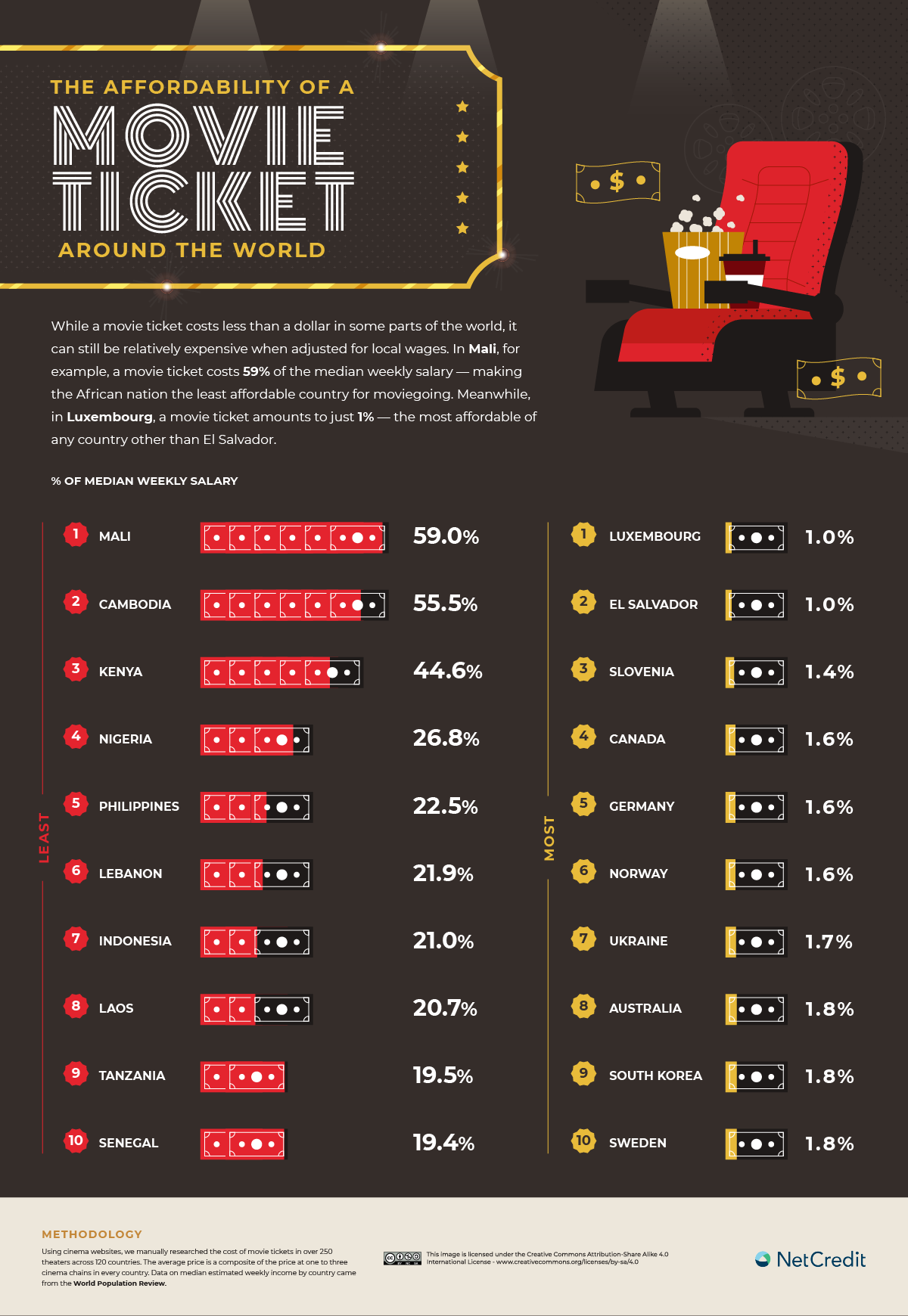
Deconstructing the Average Cost of a Movie Ticket
The core expenditure for any moviegoer is the ticket itself, yet this price is far from static. It fluctuates based on a myriad of factors, creating a complex pricing structure that consumers must navigate.
The Base Price Variability
The national average for a movie ticket often hovers around the $10-$12 mark in the United States, but this figure is a broad generalization. Ticket prices are dynamic, influenced by the time of day, day of the week, and the specific film’s release status. Matinee showings, typically held before 5 PM, are almost universally cheaper, reflecting a strategy to fill seats during off-peak hours. Similarly, Tuesday discounts, a common promotion in many theater chains, aim to stimulate demand on a historically slow day. First-run films, especially major blockbusters in their opening weeks, often command premium pricing due, in part, to high demand and the perceived novelty of early viewing. Conversely, independent cinemas or theaters showing older, second-run films may offer significantly reduced prices, appealing to budget-conscious viewers or those seeking a niche experience.
Geographic and Demographic Influences
Location plays a pivotal role in determining ticket prices. Major metropolitan areas and bustling urban centers typically feature higher prices due to increased operational costs, higher rent, and a denser concentration of consumers with potentially higher disposable incomes. For instance, a ticket in New York City or Los Angeles could easily be 20-30% more expensive than an identical showing in a suburban or rural area. Moreover, demographics within a region can influence pricing. Upscale neighborhoods or areas with a younger, more affluent population might see theaters implement higher base prices, aligning with the expected spending capacity of their patrons. Conversely, theaters in areas with lower average incomes might strategically price tickets more competitively to ensure accessibility and maintain attendance.
Premium Experiences: A Tiered Pricing Model
The rise of enhanced viewing formats has introduced a tiered pricing model, adding another layer of complexity to the cost equation. IMAX, 3D, Dolby Cinema, D-Box, and other luxury experiences command a significant surcharge over standard admission. These formats promise superior audio-visual quality, immersive seating, or interactive elements, justifying an additional $3 to $8 per ticket. For a family of four, opting for an IMAX 3D screening can easily add $12 to $32 to the total ticket cost alone, transforming an already considerable expense into a substantial financial outlay. This tiered structure allows theaters to cater to different segments of the market, from those seeking a basic, affordable viewing to enthusiasts willing to pay a premium for an elevated experience, reflecting a strategic approach to revenue maximization.
Beyond the Ticket: Hidden Costs and Concessions
While the ticket price is the initial barrier to entry, it often represents only a fraction of the total expenditure for a typical movie outing. The true cost frequently escalates dramatically once inside the cinema, primarily driven by the ubiquitous concession stand and other ancillary expenses.
The Concession Stand Markup
The concession stand is widely recognized as a primary profit center for movie theaters, with markups often astonishingly high. Popcorn, soda, and candy are typically sold at profit margins that can exceed 800% in some cases. A large popcorn and soda combo, which might cost the theater less than a dollar to produce, can retail for $15-$20. This aggressive pricing strategy is a critical component of the theater’s business model, helping to offset the relatively slim margins often associated with ticket sales, which must be shared with film distributors. For consumers, this means that a seemingly innocent snack purchase can easily double or triple the cost of their movie experience. Understanding this financial dynamic is key to managing entertainment budgets effectively. Budget-conscious moviegoers often weigh the enjoyment of in-theater snacks against the significant financial hit, leading many to seek alternative solutions.
Parking and Transportation Expenses
An often-overlooked yet significant “hidden” cost is parking or transportation. For those driving to the cinema, parking fees, especially in urban areas or popular entertainment districts, can range from a few dollars to upwards of $20 for an evening. Metered parking, garages, or valet services all contribute to the final bill. Public transportation, while often more economical, still incurs costs for bus fares, subway tickets, or ride-share services. These expenditures, while not directly purchased from the theater, are integral to the overall cost of attending the movies. When calculating the true expense of a movie night, it’s essential to factor in these logistical costs, which can quietly add 10-25% to the total entertainment budget for that specific outing.
Merchandise and Ancillary Purchases
For many blockbusters, especially those with strong fan bases, theaters often feature merchandise kiosks selling film-themed collectibles, toys, or apparel. These impulse purchases, strategically placed near exits or concession stands, can further inflate the total spending. While not a universal expenditure, the allure of movie memorabilia, particularly for children or dedicated fans, can lead to additional unplanned financial outlays. Beyond physical merchandise, some theaters offer arcade games, photo booths, or other pre-show entertainment that require additional payment. These seemingly minor transactions, when accumulated, can significantly impact the overall discretionary spending on a movie trip, highlighting the importance of a well-defined budget to avoid overspending.

Strategic Approaches to Saving Money on Movie Outings
Navigating the financial landscape of moviegoing doesn’t have to break the bank. With a few strategic approaches and a keen eye for value, consumers can significantly reduce their expenditures without sacrificing the enjoyment of the big screen.
Leveraging Matinee and Discount Days
The simplest and most effective way to save money on movie tickets is to utilize off-peak hours and designated discount days. Matinee showings, typically before 5 PM, often offer tickets at a 25-50% reduction compared to evening prices. This strategy is particularly advantageous for students, seniors, or those with flexible schedules. Additionally, many theater chains designate a specific day, most commonly Tuesday, as a discount day where all tickets are sold at a reduced, often flat, rate. These promotions are designed to attract customers during traditionally slow periods and present a prime opportunity for significant savings. By planning movie outings around these times, individuals and families can enjoy the same cinematic experience for a fraction of the cost, making it a cornerstone of budget-friendly entertainment.
Subscription Services and Loyalty Programs
In response to the increasing competition from streaming services, many major theater chains have introduced subscription models and robust loyalty programs. Subscription services, such as AMC Stubs A-List or Cinemark Movie Club, typically involve a monthly fee in exchange for a set number of free tickets (often 3 per week or month) and discounts on concessions. For frequent moviegoers, these services can offer substantial savings, effectively reducing the per-ticket cost to a fraction of the standard price. Loyalty programs, even without a monthly fee, often provide points for every dollar spent, redeemable for free concessions, tickets, or exclusive perks. Signing up for these free programs is a no-brainer for any regular cinema visitor, as they transform routine spending into future savings, functioning as an intelligent financial tool for entertainment.
BYOS (Bring Your Own Snacks) – The Debate and Reality
The significant markup on concession items makes bringing outside food and beverages an appealing, albeit often prohibited, cost-saving tactic. While most major theater chains explicitly forbid outside food, the enforcement varies. Some independent theaters are more lenient, and many moviegoers discreetly bring in their own snacks and drinks to bypass the exorbitant concession prices. This strategy, when successful, can cut the total cost of a movie outing by 30-50%. However, consumers must weigh the potential for being asked to discard items against the financial savings. For those unwilling to risk it, eating a meal or snack before arriving at the theater can mitigate the urge to purchase expensive concessions, effectively managing the “hidden cost” aspect of moviegoing.
Off-Peak and Indie Theater Options
Exploring alternative venues can also lead to significant savings. Second-run theaters, repertory cinemas, and independent movie houses often feature much lower ticket prices, sometimes as low as $5-$7 per person. While they may not show the latest blockbusters on opening weekend, they provide an excellent opportunity to catch critically acclaimed films, independent features, or older classics at a fraction of the cost. These theaters often have a unique charm and may even permit outside food or offer more reasonably priced concessions. Choosing to support these local gems not only saves money but also contributes to the diversity and cultural richness of the cinematic landscape, offering a unique value proposition for the discerning, budget-conscious viewer.
The Financial Landscape of Moviegoing in the Digital Age
The advent of digital streaming and robust home entertainment systems has profoundly reshaped consumer habits and the financial dynamics of the movie industry. Understanding this evolving landscape is crucial for contextualizing the cost of a movie ticket today and predicting its future trajectory.
The Rise of Streaming and Its Impact on Theater Attendance
The proliferation of streaming services like Netflix, Disney+, HBO Max, and Amazon Prime Video has fundamentally altered the entertainment consumption model. For a fixed monthly fee, subscribers gain access to vast libraries of films and TV shows, including new releases that often become available shortly after their theatrical run, or sometimes even simultaneously (e.g., Premier Access models). This accessibility and affordability pose a direct challenge to traditional cinema attendance. Many consumers now weigh the cost of a single movie ticket and associated expenses for a family against the monthly subscription fee for unlimited home viewing. This shift has put immense pressure on theaters to justify their premium pricing, forcing them to enhance the “experience” aspect of moviegoing beyond just the film itself.
Value Proposition: Cinema vs. Home Entertainment
From a pure financial perspective, the value proposition between cinema and home entertainment has become starkly different. For the cost of two adult movie tickets, a medium popcorn, and two sodas (easily $50+), a household could subscribe to a premium streaming service for an entire month, offering hundreds of hours of content. Even purchasing a brand-new digital rental or early access PVOD (Premium Video On Demand) release typically costs around $20-$30, still less than a family outing to the movies. This economic comparison highlights why many households, particularly those with tight budgets, are increasingly opting for home viewing. The convenience, comfort, and cost-effectiveness of streaming have forced cinemas to re-evaluate their pricing strategies and innovate with amenities like luxury seating, full-service dining, and immersive technologies to maintain their unique appeal and justify their price point.
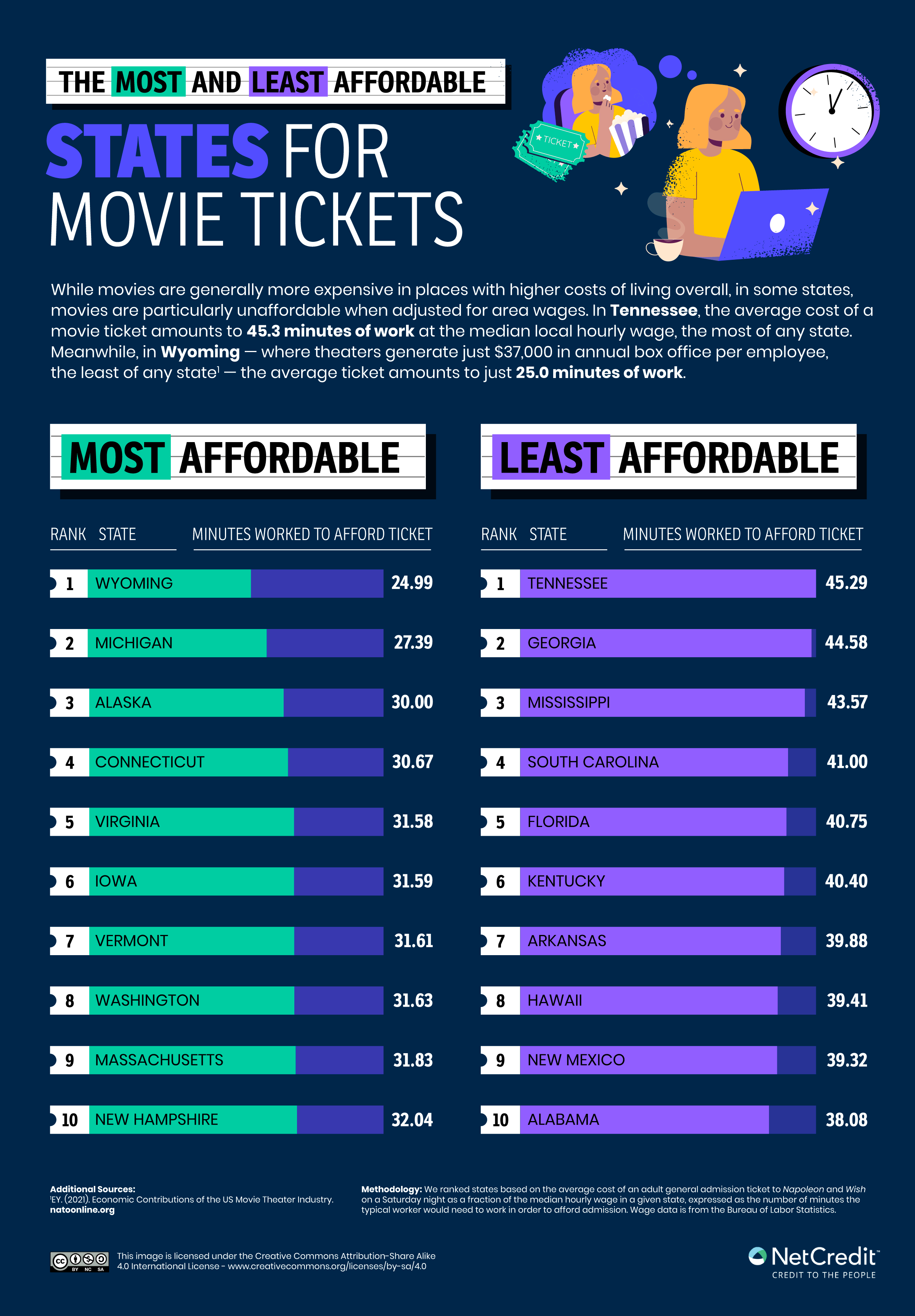
The Future of Movie Ticket Pricing and Consumer Habits
The future of movie ticket pricing is likely to be characterized by continued experimentation and differentiation. We may see more dynamic pricing models, similar to airline tickets, where prices fluctuate based on demand, time of day, and even individual customer data. Theaters might further lean into premium experiences, making standard tickets more affordable while heavily investing in luxury formats and amenities that command higher prices. Subscription services are also poised to evolve, potentially offering more flexible tiers or integrated bundles with streaming platforms.
Consumer habits will continue to be driven by a balance of cost, convenience, and the desire for unique experiences. While the communal magic of the big screen will always hold appeal, the financial practicality of home entertainment ensures that theaters must remain vigilant in demonstrating their value. Savvy moviegoers will continue to leverage discounts, loyalty programs, and strategic timing to manage their entertainment budgets, affirming that understanding the true cost of getting in the movies remains a critical component of personal financial literacy in the digital age.
aViewFromTheCave is a participant in the Amazon Services LLC Associates Program, an affiliate advertising program designed to provide a means for sites to earn advertising fees by advertising and linking to Amazon.com. Amazon, the Amazon logo, AmazonSupply, and the AmazonSupply logo are trademarks of Amazon.com, Inc. or its affiliates. As an Amazon Associate we earn affiliate commissions from qualifying purchases.