
In an era defined by digital transformation and the proliferation of streaming services, the simple act of “watching TV” has evolved into a complex ecosystem of apps, platforms, and devices. For fans of critically acclaimed dramas, cult classics, and captivating original series, AMC (American Movie Classics) stands as a beacon of quality programming. From the groundbreaking narratives of Mad Men and Breaking Bad to the zombie apocalypse saga of The Walking Dead and the dark humor of Better Call Saul, AMC has consistently delivered content that shapes popular culture. However, the question “how do I watch AMC?” is no longer answered by simply tuning into a cable channel. It now requires a nuanced understanding of various technological pathways, subscription models, and digital interfaces.
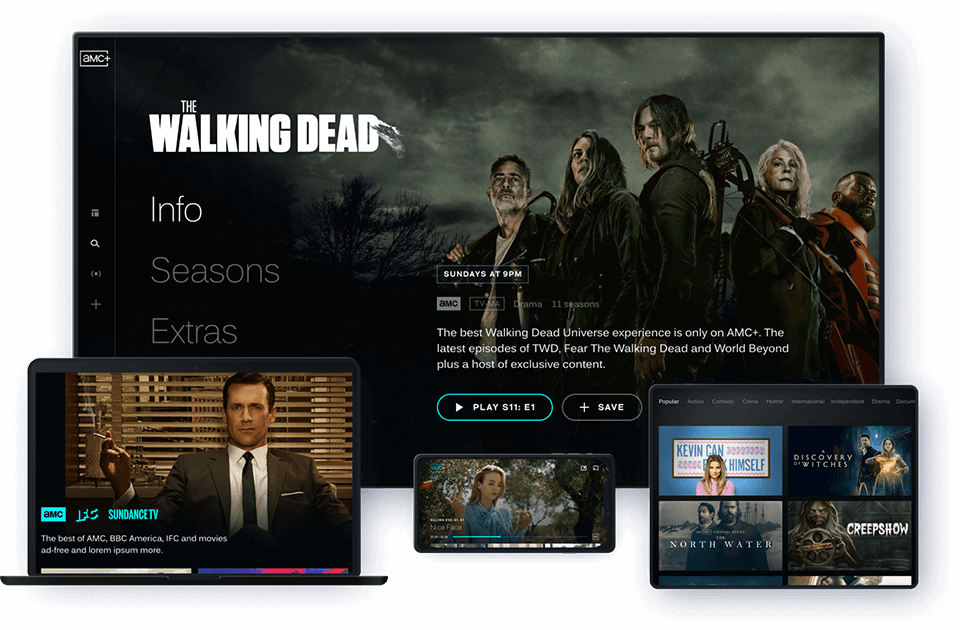
This guide delves exclusively into the technological aspects of accessing AMC content, providing a detailed roadmap for navigating the modern media landscape. We will explore the platforms, devices, software, and connectivity requirements that empower you to enjoy AMC’s extensive library, ensuring you leverage the full potential of today’s tech-driven entertainment experience.
Understanding AMC’s Evolving Digital Landscape
The journey to watch AMC today is intrinsically linked to the broader shifts within the entertainment industry, particularly the pivot from linear television to on-demand digital consumption. Understanding this evolution is crucial for optimizing your viewing strategy.
The Shift from Traditional Cable to Streaming
For decades, AMC was primarily accessible via traditional cable or satellite television subscriptions. Viewers would simply find the AMC channel number on their provider’s lineup and tune in. This model, while straightforward, offered limited flexibility, often locking users into expensive bundles and fixed broadcast schedules.
The advent of high-speed internet and sophisticated streaming technologies fundamentally altered this paradigm. Viewers increasingly demand control over what they watch, when they watch it, and on what device. This consumer-driven shift has compelled media companies, including AMC Networks, to invest heavily in digital distribution, developing their own streaming services and partnering with third-party platforms. The result is a diversified access model that prioritizes digital convenience while still offering traditional avenues. This transition isn’t just about content delivery; it’s about the underlying software infrastructure, data centers, and network protocols that make seamless, on-demand viewing possible across a global scale.
AMC Networks’ Digital Footprint
AMC Networks, the parent company of AMC, has strategically expanded its digital footprint to meet these evolving demands. This expansion isn’t limited to just one platform; it’s a multi-pronged approach that includes proprietary services and widespread partnerships. Their flagship direct-to-consumer offering, AMC+, represents the pinnacle of their digital strategy, bundling content from across their portfolio. Beyond this, AMC content is distributed through various digital aggregators and virtual multichannel video programming distributors (vMVPDs), ensuring broad accessibility.
The technological infrastructure supporting this digital footprint is immense. It involves robust content delivery networks (CDNs) to minimize latency and buffering, advanced digital rights management (DRM) systems to protect intellectual property, and sophisticated recommendation engines to personalize user experiences. Each app and platform serves as a distinct software interface, designed to optimize content discovery and playback on specific hardware architectures.
Core Streaming Platforms for Live and On-Demand AMC Content
Accessing AMC content in the digital age primarily revolves around a select group of streaming platforms, each offering a distinct pathway to live broadcasts, on-demand libraries, or a combination of both.
AMC+: The Premium Hub
AMC+ is the quintessential direct-to-consumer streaming service for hardcore AMC fans and those seeking an all-encompassing experience. Technologically, AMC+ operates as a standalone over-the-top (OTT) streaming platform. It offers an extensive library of AMC’s current and past programming, often with early access to new episodes before their linear broadcast, as well as exclusive original series and movies.
The platform bundles content from AMC, Shudder (horror), SundanceNow (indie films and series), and IFC Films Unlimited (independent cinema), effectively aggregating niche content libraries under a single subscription. This technological bundling simplifies user access and reduces subscription fatigue. Users can subscribe directly through the AMC+ website or app, or often as an add-on channel via other major streaming providers like Amazon Prime Video Channels, Apple TV Channels, Roku Channels, or Sling TV. This “channel within a channel” model leverages existing billing and user authentication systems of larger platforms, streamlining the signup and management process for consumers while expanding AMC+’s reach. The AMC+ app itself is a piece of software designed for various operating systems, optimized for streaming video efficiently, managing user profiles, and handling secure transactions.
Live TV Streaming Services
For those who prefer a more traditional “channel surfing” experience combined with the flexibility of streaming, several live TV streaming services offer AMC as part of their channel lineups. These virtual multichannel video programming distributors (vMVPDs) mimic the cable TV model but deliver content over the internet.
Key services that typically include AMC are:
- Sling TV: Known for its customizable channel packages, Sling TV offers AMC in its “Sling Orange” and “Sling Blue” base packages. It’s a cost-effective option that allows users to pick and choose channel bundles. The Sling TV app is engineered to provide a live TV grid experience, DVR functionality (cloud-based), and on-demand access to content from included channels.
- YouTube TV: A comprehensive live TV streaming service that includes AMC among its extensive array of channels. YouTube TV boasts an intuitive interface, unlimited cloud DVR storage, and robust family sharing features, all built on Google’s formidable cloud infrastructure.
- Hulu + Live TV: Combining Hulu’s vast on-demand library with a strong live TV offering, Hulu + Live TV includes AMC. This service leverages Hulu’s well-established streaming technology, offering a seamless transition between live and on-demand content.
- Philo: A more budget-friendly option focusing on entertainment and lifestyle channels, Philo also includes AMC. Its technology emphasizes simplicity and affordability, often at the expense of sports or news channels found in higher-priced vMVPDs.
- DIRECTV STREAM: Formerly AT&T TV, DIRECTV STREAM offers multiple packages, with AMC included in most. It provides a premium live TV streaming experience, often catering to users seeking a broader range of channels akin to traditional satellite TV.
Each of these services requires a dedicated app or web interface, utilizing adaptive bitrate streaming technology to adjust video quality based on internet connection speed, ensuring a smooth viewing experience regardless of bandwidth fluctuations. Their DVR functionalities rely on cloud storage, allowing users to record and store broadcasts without needing physical hardware.
On-Demand Access via Other Platforms
Beyond dedicated live TV streaming, various digital storefronts and subscription services offer AMC content on an on-demand basis, either through episodic purchases or as part of a larger content library.
- Amazon Prime Video Channels: As mentioned, AMC+ can be added as a channel within Amazon Prime Video. Additionally, individual seasons or episodes of many AMC series are available for digital purchase or rental directly through Amazon’s vast digital marketplace. This integrates AMC content seamlessly into the Amazon ecosystem, leveraging its robust recommendation engine and user interface.
- Apple TV Channels: Similar to Amazon, Apple TV allows users to subscribe to AMC+ directly within the Apple TV app, simplifying billing and content discovery for Apple device users. Individual AMC shows are also available for purchase through iTunes.
- Google Play Store/YouTube: Episodes and seasons of AMC shows can be purchased or rented digitally through the Google Play Store or directly on YouTube, making them accessible across Android devices and any platform with YouTube access.
- Vudu/FandangoNow: These digital movie and TV stores offer a wide selection of AMC series for purchase, providing a platform for users to build a permanent digital library.
These platforms utilize standard digital rights management (DRM) protocols to protect purchased content and ensure it’s only played on authorized devices, maintaining the integrity of the content distribution model.
Devices and Apps: Your Gateway to AMC
The versatility of modern streaming means you can watch AMC content on virtually any internet-connected device, thanks to dedicated apps and web browser compatibility.
Smart TVs and Streaming Devices
The most common way to watch AMC content on a large screen is through smart TVs or dedicated streaming devices. These devices are purpose-built for media consumption and provide optimized app experiences.
- Smart TVs (Samsung, LG, Sony, Vizio, etc.): Most modern smart TVs come with pre-installed app stores (e.g., Tizen OS for Samsung, webOS for LG, Android TV for Sony). Users can download the AMC+, Sling TV, YouTube TV, Hulu, or other relevant apps directly to their TV, eliminating the need for external hardware. These apps are specifically developed and optimized for the TV’s operating system, offering remote control navigation and high-definition playback.
- Roku: A leading streaming device platform, Roku offers a comprehensive app ecosystem. The AMC app, AMC+, Sling TV, YouTube TV, Hulu, and many other vMVPD apps are readily available on Roku devices (Roku Express, Roku Streaming Stick, Roku Ultra, Roku TVs).
- Amazon Fire TV: Amazon’s line of streaming devices (Fire TV Stick, Fire TV Cube, Fire TV Edition Smart TVs) provides access to a similar range of apps. The Fire TV ecosystem is deeply integrated with Amazon’s services, offering voice control via Alexa for launching apps and searching for content.
- Apple TV: For users within the Apple ecosystem, the Apple TV streaming box offers a premium experience with robust integration with other Apple services. All major AMC-carrying apps are available on the Apple TV App Store.
- Chromecast (Google TV): Google’s Chromecast devices, particularly the newer Chromecast with Google TV, transform any HDMI-enabled display into a smart TV. Users can cast content from mobile apps or directly use the Google TV interface to download streaming apps.
These devices employ specialized hardware and software for video decoding, often supporting 4K HDR playback and advanced audio formats, providing an immersive viewing experience.
Mobile and Tablet Apps
For on-the-go viewing, dedicated mobile and tablet applications are indispensable.
- iOS (iPhone, iPad): The Apple App Store hosts AMC+, Sling TV, YouTube TV, Hulu, and other apps. These apps are optimized for touch interfaces, offer push notifications for new content, and often allow for offline downloads of select content.
- Android (Smartphones, Tablets): The Google Play Store offers a parallel suite of apps for Android devices. Like their iOS counterparts, these apps are designed for mobile usability, offering adaptive streaming and sometimes picture-in-picture modes for multitasking.
These mobile apps are built with mobile network optimization in mind, adjusting stream quality to conserve data usage on cellular networks and ensuring a stable connection even in varying signal conditions.
Web Browsers and Desktop Viewing
For those who prefer watching on a laptop or desktop computer, most streaming services that carry AMC content offer web browser access. Simply navigate to the service’s official website, log in, and stream directly through your browser (e.g., Chrome, Firefox, Safari, Edge). This method requires no additional software installation beyond a modern web browser and typically relies on HTML5 video playback, eliminating the need for plugins like Flash. This offers maximum flexibility, especially for users who frequently switch between devices or prefer a larger screen without a dedicated streaming box.
Maximizing Your AMC Viewing Experience
Accessing AMC is one thing; ensuring a smooth, high-quality, and enjoyable viewing experience requires attention to a few technical details.
Internet Connection Requirements
A stable and sufficiently fast internet connection is the cornerstone of any streaming experience. For standard definition (SD) content, a minimum of 3-5 Mbps (megabits per second) is generally recommended. For high definition (HD) content, 5-8 Mbps is usually sufficient, while 4K Ultra HD (UHD) streaming demands 20-25 Mbps or more. Buffering, pixelation, and dropped connections are almost always attributable to an inadequate or unstable internet connection. Using a wired Ethernet connection instead of Wi-Fi, especially for primary viewing devices, can significantly enhance stability and speed by reducing wireless interference.
Navigating User Interfaces and Features
Each streaming app and platform has its unique user interface (UI) and set of features. Familiarizing yourself with these can greatly enhance content discovery and management. Look for features such as:
- Search Functionality: Essential for quickly finding specific shows or movies.
- Watchlists/Favorites: To keep track of content you want to watch later.
- Profiles: Allows different household members to have personalized recommendations and viewing histories.
- Parental Controls: To restrict access to age-inappropriate content.
- Closed Captions/Subtitles & Audio Descriptions: Crucial accessibility features, usually found in playback settings.
- Playback Controls: Standard play, pause, rewind, fast-forward, and episode selection.
Many interfaces leverage AI-driven recommendation engines, which analyze your viewing habits to suggest new content you might enjoy, making discovery more intuitive and personalized.
Troubleshooting Common Streaming Issues
Even with the best tech, occasional glitches can occur. Here are some common issues and their tech-based solutions:
- Buffering/Low Quality:
- Check Internet Speed: Use an online speed test.
- Reduce Network Congestion: Disconnect other devices using bandwidth.
- Restart Router/Modem: A classic solution for many network issues.
- Lower Stream Quality: Many apps allow manual adjustment of video quality in settings.
- Use Wired Connection: If possible, switch from Wi-Fi to Ethernet.
- App Crashes/Freezing:
- Restart App: Close the app completely and reopen it.
- Restart Device: Power cycle your streaming device or smart TV.
- Clear Cache/Data: In device settings, clear the app’s cache or data (note: clearing data may require re-login).
- Update App/OS: Ensure both the streaming app and your device’s operating system are up to date.
- Login Issues:
- Double-check Credentials: Ensure correct username and password.
- Reset Password: Use the “forgot password” option.
- Check Subscription Status: Verify your subscription is active.
These troubleshooting steps focus on the software and network layers, empowering users to resolve common technical hiccups independently.
The Future of Watching AMC: New Technologies and Trends
The trajectory of content consumption is relentlessly forward, and the ways we watch AMC will continue to evolve with new technological advancements.
The Role of Aggregators and Bundles
The trend towards bundling and content aggregation, already evident with AMC+ and its integration into larger platforms like Amazon Channels, is likely to intensify. As the number of streaming services proliferates, users face “subscription fatigue” and the challenge of navigating myriad apps. Future tech solutions will likely focus on even more seamless aggregation, where a single interface (perhaps driven by AI) can pull content from all your subscribed services, offering a unified content library and search experience. This could involve universal watchlists, cross-service recommendations, and streamlined billing, all managed by advanced software platforms.

AI-Enhanced Recommendations and Personalization
Artificial intelligence already plays a significant role in content recommendations, but its capabilities are set to expand dramatically. Future AI systems will likely move beyond simple genre matching to understand nuanced preferences, emotional responses to content, and even predict what you might want to watch based on contextual cues (e.g., time of day, mood, company). This hyper-personalization, driven by increasingly sophisticated machine learning algorithms, will make discovering AMC content—and indeed, all content—more intuitive and engaging, reducing the cognitive load of decision-making and enhancing user satisfaction.
In conclusion, watching AMC in the modern era is a testament to the power and flexibility of contemporary technology. Whether you opt for the dedicated premium experience of AMC+, integrate it into a comprehensive live TV streaming service, or purchase content on demand, the digital ecosystem offers numerous sophisticated pathways. By understanding the underlying platforms, devices, apps, and connectivity requirements, you can unlock a world of compelling storytelling and ensure an uninterrupted, high-quality viewing experience, perfectly tailored to your tech preferences.
aViewFromTheCave is a participant in the Amazon Services LLC Associates Program, an affiliate advertising program designed to provide a means for sites to earn advertising fees by advertising and linking to Amazon.com. Amazon, the Amazon logo, AmazonSupply, and the AmazonSupply logo are trademarks of Amazon.com, Inc. or its affiliates. As an Amazon Associate we earn affiliate commissions from qualifying purchases.