
Navigating the world of car loans can feel like driving through a dense fog, especially when trying to pinpoint the elusive “current interest rate.” The truth is, there isn’t a single, universal interest rate for car loans. Instead, a myriad of factors coalesce to determine the rate you’ll be offered, ranging from your personal financial health to broader economic conditions. Understanding these dynamics is crucial for anyone looking to finance a vehicle, as even a seemingly small difference in interest can translate into hundreds, if not thousands, of dollars over the life of a loan. This comprehensive guide aims to demystify car loan interest rates, equipping you with the knowledge to secure the best possible financing for your next car.
Understanding the Landscape of Car Loan Interest Rates
The journey to understanding car loan interest rates begins with recognizing that they are not static. They ebb and flow with economic tides, lending policies, and individual borrower profiles. Grasping the underlying mechanisms that drive these rates is the first step towards becoming an informed consumer.
Key Factors Influencing Car Loan Rates
Several pivotal factors contribute to the interest rate a lender will offer you. These include:
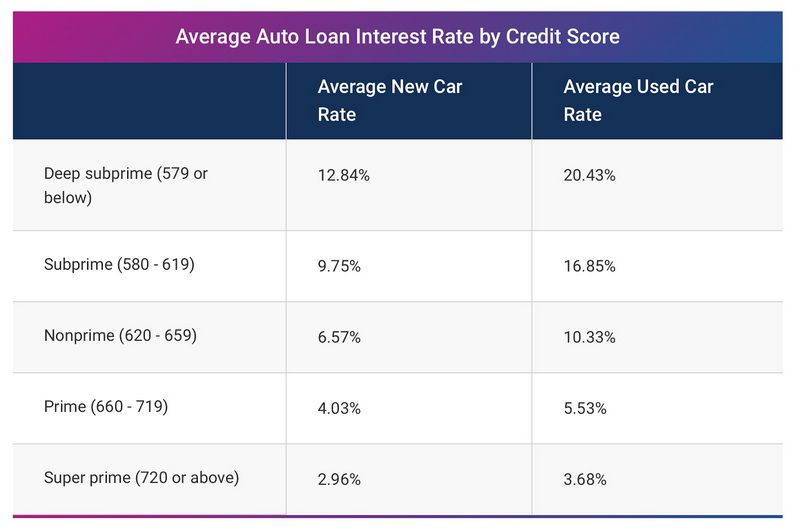
- Credit Score: This is arguably the most significant determinant. Lenders use your credit score as a primary indicator of your creditworthiness and your likelihood of repaying the loan. Borrowers with excellent credit (typically FICO scores of 720 and above) consistently qualify for the lowest rates, while those with lower scores face higher rates to compensate lenders for the increased risk.
- Loan Term: The length of your repayment period plays a crucial role. Shorter loan terms (e.g., 36 or 48 months) generally come with lower interest rates because the lender’s money is tied up for a shorter duration, reducing their risk. Longer terms (e.g., 60, 72, or even 84 months) often have higher rates but offer lower monthly payments, which can be tempting but ultimately more expensive due to accumulated interest.
- Loan Amount: While not as direct as credit score or term, the total amount borrowed can sometimes influence the rate, especially for very large loans where lenders might offer slightly more competitive rates or for very small loans that might have higher administrative costs factored in.
- Down Payment Size: A larger down payment reduces the amount you need to borrow, thereby lowering the lender’s risk. This reduced risk often translates into a lower interest rate for the borrower. It also means you’re building equity in the vehicle faster.
- New vs. Used Car: Loans for new cars often have slightly lower interest rates than those for used cars. This is because new cars typically hold their value better, making them less of a risk for lenders. Used cars can be more unpredictable in terms of depreciation and potential repair costs, which lenders account for with higher rates.
- Economic Conditions: Broader economic factors, such as the prime rate set by the Federal Reserve, inflation, and the overall health of the economy, significantly influence general interest rate trends. When the Fed raises rates, borrowing costs for consumers tend to rise across the board, including for car loans.
Current Market Trends and Economic Indicators
As of late 2023 and early 2024, the landscape for car loan interest rates has been characterized by a period of elevated rates following aggressive monetary policy tightening by central banks to combat inflation. While inflation has shown signs of cooling, interest rates remain higher than pre-pandemic levels.
Average new car loan rates for borrowers with excellent credit (780+) currently hover around 5-7%, while those with good credit (660-719) might see rates in the 8-12% range. For used car loans, rates tend to be 1-3 percentage points higher across all credit tiers. These are broad averages, and actual rates can vary significantly. Factors like a robust job market and consumer spending can keep demand for vehicles high, influencing loan terms and rates. Conversely, any economic slowdown could prompt lenders to tighten credit standards or adjust rates to reflect perceived risk.
How Lenders Determine Your Rate
When you apply for a car loan, lenders engage in a sophisticated risk assessment process. They pull your credit report, which details your credit history, payment behavior, existing debts, and inquiries. Based on this information, along with the loan specifics you’ve requested (term, amount, down payment), they assign a risk profile. Low-risk borrowers (excellent credit, large down payment, shorter term) are offered the most competitive rates, as the lender perceives a high probability of timely repayment. High-risk borrowers (lower credit scores, minimal down payment, longer term) are offered higher rates to compensate the lender for the increased likelihood of default or late payments. This is why two individuals applying for the exact same car loan might receive vastly different interest rate offers.
Navigating Different Loan Types and Lenders
Beyond the personal factors, the type of car you buy and where you seek financing also play a critical role in the interest rate you’ll ultimately pay. Exploring your options is not just about finding a lender but finding the right lender for your specific situation.
New vs. Used Car Loan Rates
As briefly mentioned, new car loans generally carry lower interest rates than used car loans. This is primarily due to several factors:
- Depreciation: New cars depreciate predictably, making them a more stable asset from a lender’s perspective. Used cars, particularly older models, can have more volatile depreciation and may require more maintenance, increasing the risk.
- Manufacturer Incentives: Car manufacturers often offer special financing deals on new vehicles, sometimes as low as 0% APR for qualified buyers, to boost sales. These incentives are rarely available for used cars.
- Vehicle Reliability: New cars typically come with manufacturer warranties, reducing the likelihood of unexpected repair costs for the borrower, which implicitly lowers the risk for the lender.
While used cars often have a lower purchase price, the higher interest rate on a used car loan can sometimes diminish the overall savings compared to a new car, especially over longer loan terms. It’s crucial to calculate the total cost of the loan (principal + interest) for both scenarios.
Dealer Financing vs. Bank/Credit Union Loans
When shopping for a car, you’ll typically encounter two primary sources of financing: the dealership itself (which acts as an intermediary for various lenders) and direct lenders like banks and credit unions.
- Dealer Financing: Dealerships often partner with multiple banks and financial institutions, acting as a one-stop shop for financing. They can present you with a range of options and may even offer special promotions or incentives. While convenient, it’s essential to understand that dealerships sometimes add a markup to the interest rate offered by the underlying lender, which is their profit margin. However, they can also leverage their relationships to find competitive rates, especially for prime borrowers or during promotional periods.
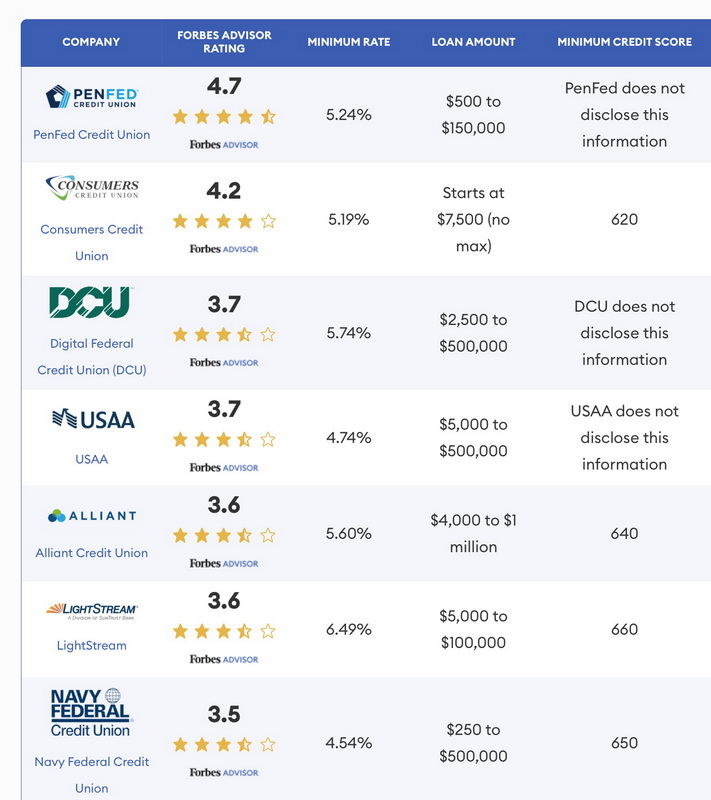
- Bank and Credit Union Loans: Obtaining pre-approval from a bank or credit union before visiting the dealership is a highly recommended strategy. This allows you to walk into the dealership with a firm interest rate offer in hand, giving you a strong negotiating position. Credit unions, in particular, are known for offering competitive rates because they are not-for-profit organizations focused on providing value to their members. Banks offer a wide range of products and can be competitive, especially for existing customers.
Comparing offers from both types of lenders is vital to ensure you’re getting the best deal.
The Role of Online Lenders
In recent years, online lenders have emerged as a powerful force in the auto loan market. Companies specializing in online lending offer a streamlined application process, often with quick approval times. They typically have lower overhead costs than traditional brick-and-mortar institutions, which can sometimes translate into more competitive interest rates. Online lenders also provide the convenience of shopping for rates from multiple providers without leaving your home, making it easier to compare offers and find the best fit for your financial situation. However, it’s crucial to vet online lenders carefully to ensure they are reputable and secure.
Strategies to Secure a Lower Interest Rate
While some factors influencing interest rates are beyond your immediate control (like the prime rate), many are within your power to improve. Proactive steps can significantly reduce the cost of your car loan.

Improving Your Credit Score
Your credit score is the cornerstone of your borrowing power. Before applying for a car loan, take steps to improve it:
- Review Your Credit Report: Obtain free copies of your credit report from Equifax, Experian, and TransUnion. Dispute any errors or inaccuracies, as these can negatively impact your score.
- Pay Bills on Time: Payment history is the most important factor in your credit score. Make sure all your credit card bills, utility payments, and other loan payments are made on or before their due dates.
- Reduce Debt: Lowering your credit utilization ratio (the amount of credit you’re using compared to your total available credit) can boost your score. Pay down credit card balances if possible.
- Avoid New Credit: Refrain from opening new credit accounts or making large credit inquiries in the months leading up to your car loan application, as this can temporarily ding your score.
Making a Substantial Down Payment
A larger down payment signals to lenders that you are a serious and responsible borrower, reducing their risk. It also means you’ll be borrowing less money, which directly translates to lower interest paid over the life of the loan. Aim for at least 10-20% of the car’s purchase price, if possible. A significant down payment also helps to mitigate the impact of depreciation, preventing you from being “upside down” (owing more than the car is worth) early in the loan term.
Shortening Your Loan Term
While a longer loan term offers lower monthly payments, it invariably leads to paying more in total interest. If your budget allows, opt for the shortest loan term you can comfortably afford. For example, a 60-month loan will almost always have a lower interest rate than a 72- or 84-month loan, and you’ll save significantly on total interest paid. Calculate different scenarios to see the impact on both your monthly payment and the overall cost of the loan.
Shopping Around and Comparing Offers
This is perhaps the most effective strategy. Do not settle for the first loan offer you receive. Apply for pre-approval from several different lenders – banks, credit unions, and online lenders – within a short window (typically 14-45 days, depending on the credit scoring model). Multiple inquiries within this period are often treated as a single inquiry, minimizing the impact on your credit score. With multiple offers in hand, you can then leverage them to negotiate with the dealership or choose the most competitive rate directly.
Beyond the Rate: Other Considerations for Your Car Loan
While the interest rate is undeniably crucial, it’s not the only component of a car loan that deserves your attention. A holistic view ensures you understand the true cost and implications of your financing decision.
Understanding APR vs. Interest Rate
Many consumers mistakenly use “interest rate” and “APR” (Annual Percentage Rate) interchangeably, but there’s a critical difference.
- Interest Rate: This is the percentage charged by the lender for borrowing the principal amount. It directly impacts your monthly payments and the total interest you’ll pay.
- APR: This is a broader measure of the total cost of borrowing money. It includes the interest rate plus any additional fees associated with the loan, such as origination fees, application fees, or discount points. Because APR encompasses all these costs, it’s generally a more accurate and comprehensive figure for comparing different loan offers. Always compare APRs when evaluating loans to get a true sense of the cheapest option.
The Impact of Fees and Additional Costs
Beyond the interest rate and APR, be vigilant for various fees that can inflate the total cost of your car loan. These might include:
- Loan Origination Fees: A fee charged by the lender for processing the loan.
- Documentation Fees: Charged by the dealership for preparing the paperwork.
- Prepayment Penalties: Some loans might penalize you for paying off the loan early. Ensure your loan agreement does not include such clauses if you plan to pay it off ahead of schedule.
- Optional Add-ons: Be wary of extended warranties, GAP insurance, or other add-ons that might be rolled into your loan without clear explanation. While some may be beneficial, others might be overpriced or unnecessary, increasing your loan amount and total interest paid.
Always read the fine print and ask for a detailed breakdown of all costs and fees before signing any loan agreement.
The Importance of the Total Loan Cost
Focusing solely on the monthly payment can be a trap. A lower monthly payment achieved through a longer loan term or a higher interest rate will inevitably lead to a higher total cost over the life of the loan. It’s essential to calculate the total amount you will pay over the entire loan term, including all principal and interest. Use online car loan calculators to compare different scenarios (different rates, terms, and down payments) to understand the full financial commitment. Aim to minimize the total loan cost, not just the monthly payment.
Forecasting Future Rate Movements and Preparing for Your Purchase
The economic climate is dynamic, and interest rates reflect this constant flux. Staying informed and strategically preparing can make a significant difference in your car purchase experience.
Economic Outlook and Central Bank Policies
The primary driver of prevailing interest rates is the monetary policy set by central banks, such as the Federal Reserve in the United States. When inflation is high, central banks tend to raise interest rates to cool the economy, making borrowing more expensive. Conversely, during periods of economic slowdown, they might lower rates to stimulate borrowing and spending. Keeping an eye on economic forecasts, inflation reports, and signals from central bank officials can provide clues about the likely direction of interest rates. If rates are expected to rise, it might be wise to expedite your purchase or lock in a rate. If rates are projected to fall, waiting a few months could result in savings.
When to Lock in a Rate
Some lenders offer the option to “lock in” an interest rate for a certain period (e.g., 30-60 days) after you’ve been pre-approved. This protects you if interest rates rise before you finalize your purchase. However, if rates are falling, you might miss out on a lower rate. Understand the terms of any rate lock offer. Generally, if you’re close to purchasing and foresee rates climbing, a rate lock can be a valuable tool.
Building a Strong Financial Position for Car Ownership
Ultimately, the best way to secure a favorable car loan interest rate, regardless of market conditions, is to cultivate a strong personal financial profile.
- Maintain Excellent Credit: Consistently managing your credit responsibly will always open doors to the most competitive rates.
- Save for a Down Payment: A substantial down payment reduces your borrowing needs and lowers the lender’s risk.
- Budget Effectively: Understand your monthly income and expenses to determine a realistic car payment you can comfortably afford, including insurance, maintenance, and fuel costs. Don’t overextend yourself, even if you qualify for a large loan.
By understanding the multitude of factors at play, diligently preparing your finances, and strategically shopping for the best loan, you can navigate the complex world of car loan interest rates with confidence and drive away with a deal that genuinely benefits your financial well-being.
aViewFromTheCave is a participant in the Amazon Services LLC Associates Program, an affiliate advertising program designed to provide a means for sites to earn advertising fees by advertising and linking to Amazon.com. Amazon, the Amazon logo, AmazonSupply, and the AmazonSupply logo are trademarks of Amazon.com, Inc. or its affiliates. As an Amazon Associate we earn affiliate commissions from qualifying purchases.