
Navigating the world of car financing can feel like deciphering a complex code. Among the myriad terms and conditions, the interest rate stands out as one of the most critical factors influencing the total cost of your vehicle. But what exactly constitutes a “good” car loan interest rate? It’s a question without a universal answer, as what’s good for one borrower might be unattainable or even suboptimal for another. Understanding the nuances of car loan interest rates requires a deep dive into personal financial health, market conditions, and the intricacies of lending practices.
At its core, a good interest rate is one that minimizes your cost of borrowing while remaining affordable within your monthly budget. For some, this might mean securing a rate below the national average. For others, particularly those with less-than-perfect credit, a good rate could simply be one that allows them to get approved and drive away with reasonable terms. This comprehensive guide will dissect the factors that shape car loan interest rates, equip you with strategies to secure the best possible deal, and illuminate the broader financial implications of your borrowing decisions.
Understanding the Landscape of Car Loan Interest Rates
Before you even start shopping for a car, it’s crucial to understand what drives interest rates and how they are benchmarked. This foundational knowledge empowers you to approach lenders with confidence and an informed perspective.
What Defines “Good”? Benchmarks and Averages
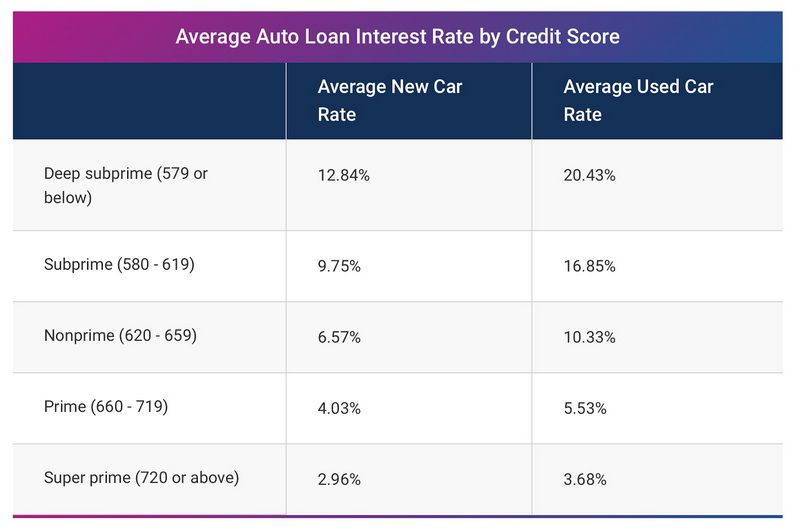
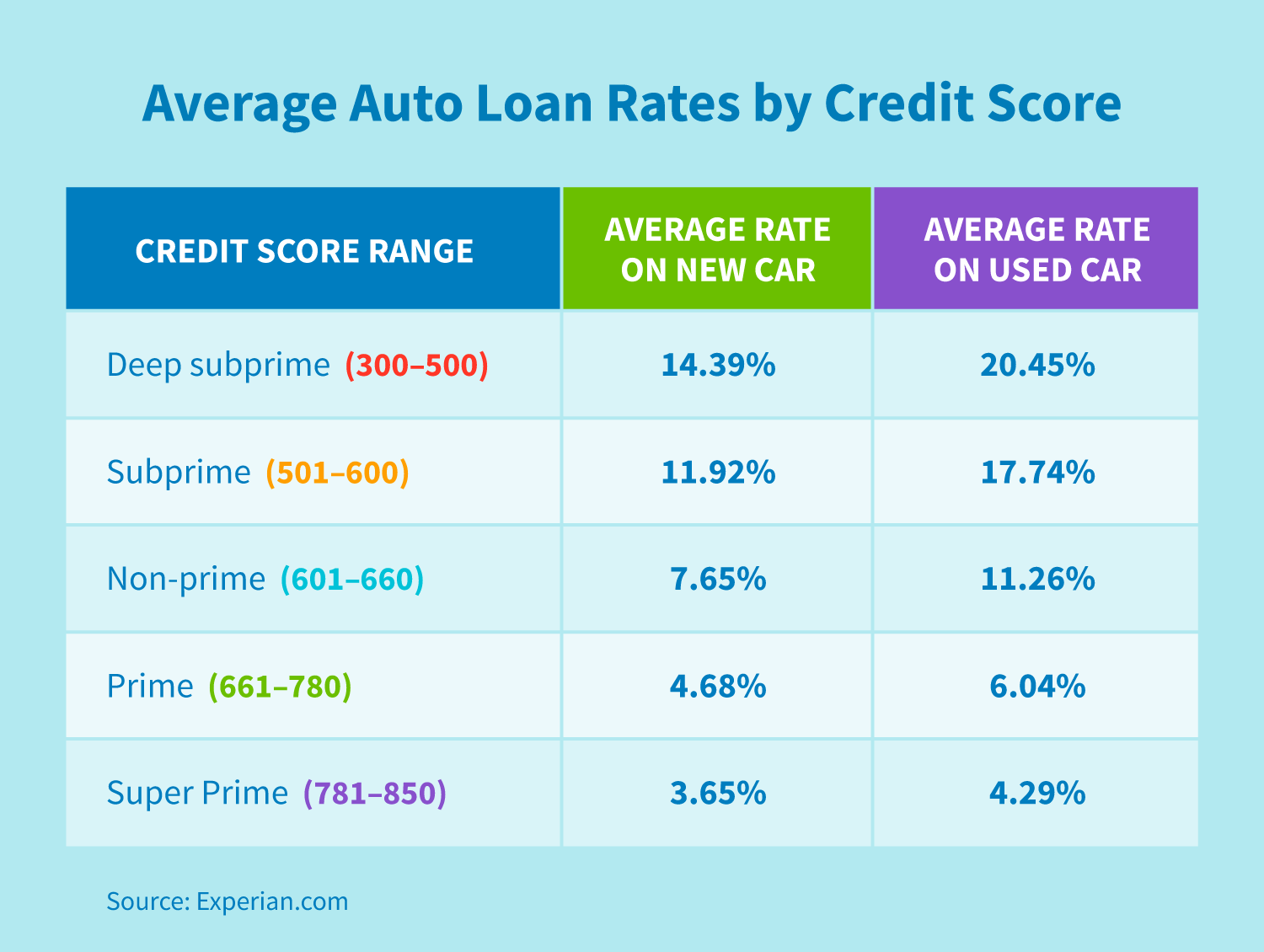
The perception of a “good” car loan interest rate is often set against prevailing market averages and the prime rate. As of various periods, national average interest rates for new car loans can hover anywhere from 3% to 7% for borrowers with excellent credit, while used car loans typically carry slightly higher rates, ranging from 4% to 9% for prime borrowers. However, these are just averages. A truly excellent rate for an individual with an impeccable credit history might be in the low single digits (e.g., 2.99% or less), sometimes even zero percent in promotional offers from manufacturers.
Conversely, someone with a fair or poor credit score might consider a 10% to 15% rate “good” if it’s the lowest they can find. The Federal Reserve’s benchmark interest rates also play a significant role, influencing the cost of funds for banks and, subsequently, the rates they offer to consumers. When the Fed raises rates, car loan rates tend to follow suit, and vice versa. Staying aware of these broader economic trends can help you gauge if you’re getting a competitive offer.
The Cost of Borrowing: APR vs. Interest Rate
While often used interchangeably, the interest rate and the Annual Percentage Rate (APR) are distinct and understanding the difference is vital. The interest rate is the percentage charged by the lender for borrowing the principal loan amount. It directly determines how much extra you pay back each month on top of the principal.
The APR, on the other hand, provides a more holistic view of the total annual cost of borrowing. It includes the interest rate plus any additional fees associated with the loan, such as origination fees, documentation fees, or other charges rolled into the loan. When comparing loan offers, always focus on the APR, as it gives you the true cost of credit on an annual basis. A lower interest rate might look appealing, but if it comes with high upfront fees that inflate the APR, it might not be the better deal.
Key Factors Influencing Your Car Loan Interest Rate
Lenders assess risk when extending credit, and your interest rate is a direct reflection of that assessment. Several key factors contribute to how lenders evaluate your creditworthiness and set your rate.
Your Credit Score: The Ultimate Predictor
Without a doubt, your credit score is the most significant determinant of the interest rate you’ll be offered. Lenders use credit scores (like FICO or VantageScore) to quickly gauge your history of managing debt.
- Excellent Credit (780-850): Borrowers in this tier typically qualify for the lowest rates available, often below national averages.
- Good Credit (670-739): Still qualifies for very competitive rates, though slightly higher than those with excellent credit.
- Fair Credit (580-669): Rates become noticeably higher as lenders perceive a greater risk.
- Poor Credit (300-579): Borrowers in this range face the highest interest rates, often in the double digits, if approved at all.
A higher credit score signals to lenders that you are a reliable borrower with a strong track record of making timely payments, thus reducing their perceived risk and resulting in more favorable rates.
Loan Term and Loan-to-Value (LTV)
The length of your loan (the loan term) also impacts the interest rate. Shorter loan terms (e.g., 36 or 48 months) generally come with lower interest rates because the lender’s risk is spread over a shorter period. While monthly payments will be higher, you’ll pay significantly less in total interest over the life of the loan. Longer loan terms (e.g., 60 or 72 months) typically have higher interest rates, as the lender is taking on risk for a longer duration, and the collateral (the car) depreciates over time. These longer terms, while offering lower monthly payments, result in much more interest paid overall.
Loan-to-Value (LTV) is another critical metric, representing the loan amount divided by the car’s value. A higher LTV (meaning you’re borrowing a larger percentage of the car’s value, often due to a small or no down payment) can lead to a higher interest rate, as it signifies greater risk for the lender should the car depreciate rapidly or if you default.
Economic Environment and Lender Policies
Broader economic factors play a substantial role. When the Federal Reserve raises its benchmark rates, the cost of borrowing for banks increases, which in turn leads to higher interest rates for consumers. Conversely, in periods of economic slowdown, the Fed might lower rates to stimulate borrowing, often resulting in more attractive car loan rates.
Individual lender policies also matter. Large national banks, local credit unions, online lenders, and dealership financing arms all have different risk appetites, overhead costs, and competitive strategies, leading to variations in the rates they offer. Captive finance companies (e.g., Toyota Financial Services, Ford Credit) might offer special promotional rates (sometimes 0%) to boost sales of their specific brands, especially on new vehicles.
Debt-to-Income Ratio (DTI) and Down Payment
Your Debt-to-Income (DTI) ratio is another important factor. This ratio compares your total monthly debt payments (including the proposed car payment) to your gross monthly income. A high DTI suggests that you might struggle to manage additional debt, making you a higher risk in the eyes of lenders and potentially leading to a higher interest rate. Lenders prefer DTI ratios below 40% to 50%, with lower being better.
A substantial down payment not only reduces the amount you need to borrow but also signals financial stability to lenders. It lowers their risk exposure, as you have more equity in the vehicle from day one. This often translates to a better interest rate. A down payment of 10-20% of the vehicle’s price is generally recommended.
Strategies to Secure the Best Possible Rate

Knowing what influences rates is one thing; actively working to get the best rate is another. Here are actionable strategies to put you in the driver’s seat of your car financing.
Credit Score Optimization: Before You Apply
The most effective way to secure a good interest rate is to have a strong credit score before you apply for a loan.
- Check Your Credit Report: Obtain free copies of your credit report from Equifax, Experian, and TransUnion via AnnualCreditReport.com. Scrutinize them for errors and dispute any inaccuracies, which can artificially depress your score.
- Pay Bills on Time: Payment history is the biggest factor in your credit score. Make sure all your bills are paid punctually.
- Reduce Existing Debt: Lowering your credit card balances can improve your credit utilization ratio, which positively impacts your score.
- Avoid New Credit Applications: Limit applying for new credit in the months leading up to a car loan application, as each “hard inquiry” can temporarily lower your score.
Shopping Around: Comparing Offers from Multiple Lenders
Never take the first loan offer you receive, especially from a dealership. Instead, “shop” for your loan as diligently as you shop for your car.
- Banks and Credit Unions: Start with your existing bank or credit union, as they may offer preferential rates to established customers. Credit unions are often known for competitive rates.
- Online Lenders: Platforms like LightStream, Capital One Auto Finance, and others specialize in online auto loans and can offer quick pre-approvals and competitive rates.
- Dealership Financing: While often convenient, dealership financing can sometimes be marked up. However, dealerships also have access to various lenders and can sometimes beat other offers, especially through captive finance companies with promotional rates. Get a pre-approval from an independent lender first to use as leverage.
Aim to get pre-approved by at least 2-3 lenders within a short window (typically 14-45 days, depending on the credit scoring model). Multiple inquiries for the same type of loan within this window are usually counted as a single inquiry, minimizing the impact on your credit score.
Negotiation and Timing Your Purchase
Armed with pre-approvals, you gain significant negotiation power.
- Negotiate the Car Price Separately: Always finalize the vehicle’s purchase price before discussing financing. This prevents the dealer from shifting numbers around to make it seem like you’re getting a good deal on one while overpaying on the other.
- Leverage Offers: Use your best pre-approved rate to challenge the dealership to beat it. They often can, especially if they want to earn your business and meet sales targets.
- Strategic Timing: The end of the month, quarter, or year can be opportune times to buy a car, as dealerships and salespersons are motivated to meet quotas, which can translate into better deals on both the car and financing.
The Power of a Down Payment
As discussed, a larger down payment reduces the amount you need to borrow, which directly translates to lower monthly payments and less interest paid over time. Beyond that, it signals financial responsibility to lenders, potentially qualifying you for a lower interest rate. Aim for at least 20% down, especially for new cars, to avoid being “upside down” (owing more than the car is worth) early in the loan term due to depreciation.
Beyond the Rate: Hidden Costs and Long-Term Implications
A low interest rate is fantastic, but it’s only one piece of the financial puzzle. Overlooking other aspects of your loan can lead to unforeseen costs and long-term financial strain.
Understanding Loan Fees and Add-ons
Always review the loan agreement meticulously for any hidden fees. These can include:
- Origination Fees: A charge for processing the loan.
- Documentation Fees: Charged by the dealership for processing paperwork.
- Prepayment Penalties: Some lenders charge a fee if you pay off your loan early. While less common with auto loans, always check.
- Add-ons: Dealerships might try to roll expensive extended warranties, GAP insurance, or anti-theft devices into your loan, inflating the principal and the total interest you pay. Evaluate these separately and purchase only what you truly need.
The Total Cost of Ownership: Interest Over Time
It’s easy to focus solely on the monthly payment, but a lower monthly payment often comes at the cost of a longer loan term and significantly more interest paid over the life of the loan. For example, a $30,000 loan at 5% over 60 months results in approximately $3,950 in interest. The same loan at 5% over 72 months might lower your monthly payment by about $50, but you’ll pay around $4,870 in interest – nearly $1,000 more. This difference becomes even more pronounced with higher interest rates. Always calculate the total cost of the loan (principal + total interest) to understand its true impact on your finances.
Refinancing Options: When and Why
Even if you don’t get an ideal rate initially, you might have options later. Refinancing your car loan can be beneficial if:
- Your Credit Score Has Improved: If you’ve diligently paid your bills and seen your credit score rise since taking out the initial loan, you may qualify for a lower rate.
- Market Interest Rates Have Dropped: If overall auto loan rates have fallen since your original purchase, refinancing could save you money.
- You Want a Shorter Term: You might refinance to a shorter term if your financial situation has improved and you can afford higher monthly payments, thus saving on total interest.
Look into refinancing options after about 6-12 months of consistent payments to give your credit score time to reflect positive changes.
Making an Informed Decision for Your Financial Health
Ultimately, a “good” car loan interest rate is one that aligns with your financial goals and capabilities. It’s not just about the lowest number possible, but the smartest financial move for you.
Balancing Monthly Payments with Total Interest Paid
While a lower monthly payment can free up cash flow for other needs, a longer loan term or higher rate that achieves this also increases the total amount of interest you’ll pay. Conversely, a shorter term with a higher monthly payment will save you thousands in interest over time. Carefully weigh your current budget constraints against your long-term financial goals. Consider what you can comfortably afford each month without compromising other essential expenses or savings goals, but always be aware of the total cost.
The Importance of a Budget and Financial Planning
Before you even start looking at cars, solidify your budget. Determine how much you can truly afford for a monthly car payment, including insurance, fuel, and maintenance, without straining your finances. Use online car loan calculators to model different scenarios (loan amounts, interest rates, terms) to understand the impact on your monthly payment and total interest. A car is often one of the largest purchases most people make outside of a home, and approaching it with meticulous financial planning will ensure it enhances, rather than detracts from, your financial well-being.
In conclusion, a good car loan interest rate is a blend of market competitiveness, personal creditworthiness, and diligent comparison shopping. By understanding the factors at play, optimizing your financial profile, and carefully evaluating all aspects of a loan offer, you can secure financing that truly serves your best financial interests.
aViewFromTheCave is a participant in the Amazon Services LLC Associates Program, an affiliate advertising program designed to provide a means for sites to earn advertising fees by advertising and linking to Amazon.com. Amazon, the Amazon logo, AmazonSupply, and the AmazonSupply logo are trademarks of Amazon.com, Inc. or its affiliates. As an Amazon Associate we earn affiliate commissions from qualifying purchases.