
The allure of a new car is undeniable: the gleam of fresh paint, the smell of new upholstery, the promise of effortless journeys. For many, a car represents freedom, status, and a crucial tool for daily life. However, the question “how much car” extends far beyond the initial sticker price. It delves into the intricate web of personal finance, long-term budgeting, and the often-overlooked costs of ownership that can significantly impact your financial well-being. In a world saturated with appealing advertisements and easy financing options, making an informed decision about your next vehicle is more critical than ever. This guide will help you navigate the financial complexities of car ownership, empowering you to choose a vehicle that not only meets your needs but also aligns perfectly with your financial goals. We’ll explore the true cost of a car, practical budgeting rules, different purchasing strategies, and smart financing tips, ensuring your automotive dream doesn’t become a financial nightmare.

Beyond the Sticker Price: Understanding Total Cost of Ownership (TCO)
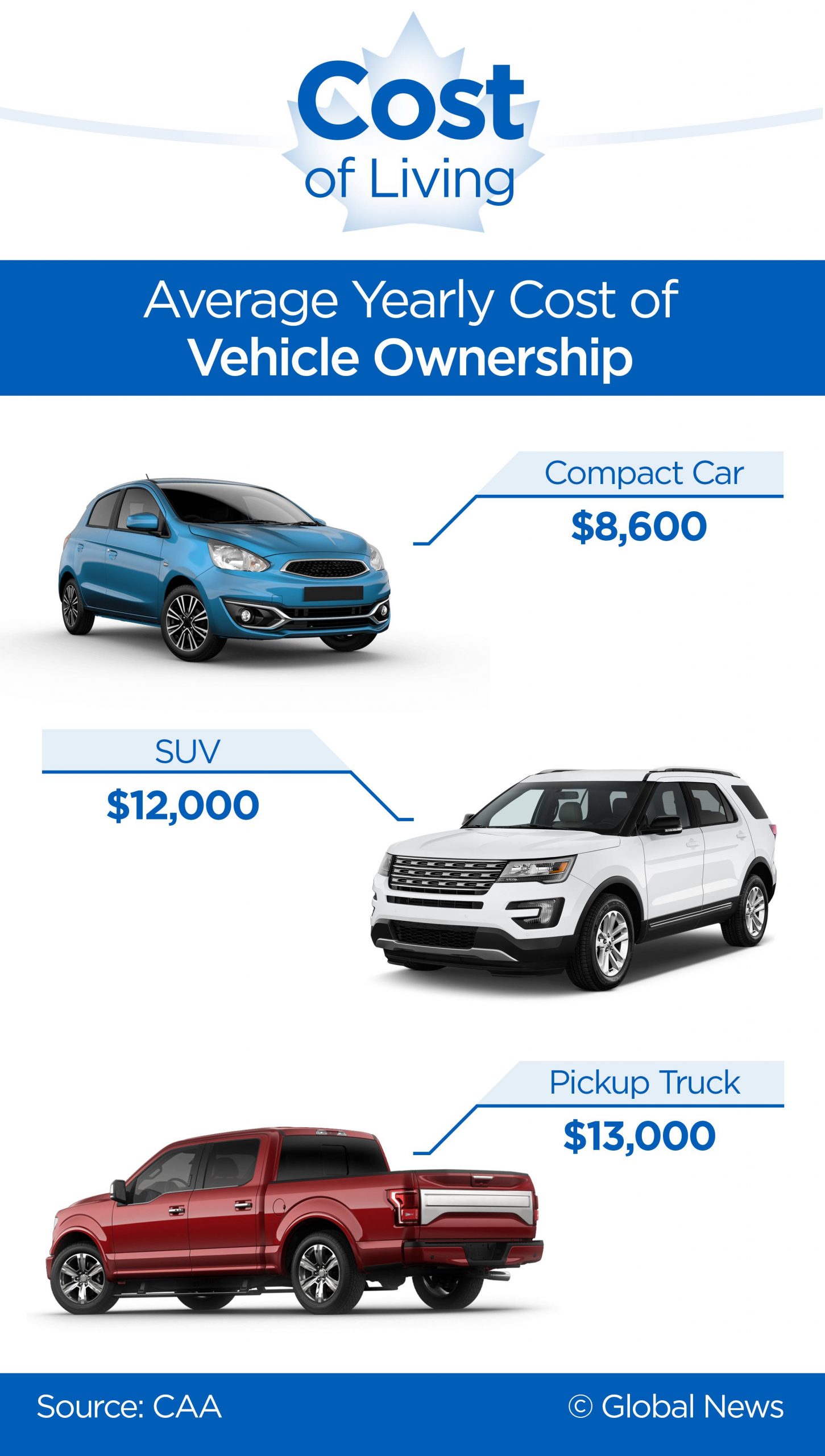
Many prospective car buyers make the mistake of focusing solely on the monthly payment or the advertised price. However, the real cost of a car, known as the Total Cost of Ownership (TCO), encompasses a much broader range of expenses that accrue over its lifespan. Understanding TCO is the first step toward making a financially sound decision.
The Initial Investment: Purchase Price and Down Payment
The purchase price is the most obvious cost. Whether you’re buying new or used, this is the figure you’ll see on the window sticker or negotiate with the seller. Equally important is the down payment. A substantial down payment reduces the amount you need to finance, thereby lowering your monthly payments and the total interest paid over the life of the loan. While some lenders offer zero down payment options, these often come with higher interest rates and leave you with less equity in the vehicle, increasing the risk of being “upside down” on your loan (owing more than the car is worth). Aim for at least 10-20% of the purchase price as a down payment if possible.
Financing Your Ride: Interest Rates and Loan Terms
Unless you’re paying cash, financing is a significant component of your car’s cost. The interest rate—the cost of borrowing money—is heavily influenced by your credit score. A higher score typically translates to a lower interest rate, saving you thousands over the loan term. The loan term, or duration, also plays a crucial role. Longer terms (e.g., 72 or 84 months) lead to lower monthly payments, which might seem attractive, but they also mean you’ll pay more in total interest and extend the period during which you’re making payments. Shorter terms (e.g., 36 or 48 months) have higher monthly payments but result in less interest paid and faster ownership. It’s a delicate balance between affordability and efficiency.
Ongoing Expenses: Insurance, Fuel, and Maintenance
Once you drive off the lot, new costs begin to accrue immediately. Car insurance is mandatory and can vary wildly based on your age, driving record, location, and the make and model of your vehicle. Don’t forget to get insurance quotes before you commit to a purchase. Fuel costs are another consistent drain on your wallet, especially with fluctuating gas prices and varying vehicle fuel efficiencies. A thirsty SUV will cost significantly more to run than a compact sedan. Finally, maintenance and repairs are unavoidable. Even new cars require regular servicing, oil changes, tire rotations, and eventual brake pads or battery replacements. Older vehicles may demand more frequent or costly repairs. Budgeting for these ongoing expenses is crucial for a realistic TCO.
Depreciation: The Hidden Cost of Car Ownership
Perhaps the most significant, yet often overlooked, cost of car ownership is depreciation. This is the decrease in a vehicle’s value over time. A new car can lose 10-20% of its value in the first year alone, and up to 50% or more within five years. While you don’t write a check for depreciation, it represents a real financial loss, especially if you plan to sell or trade in your car in the future. It impacts your equity and the potential return on your investment. Understanding depreciation helps you assess the true long-term financial impact of your purchase, particularly when comparing new vs. used cars.
The Golden Rules of Car Affordability: Budgeting Best Practices
Making a financially sound car purchase requires more than just understanding costs; it demands disciplined budgeting and adherence to proven financial guidelines. These principles help ensure your car payment and associated expenses fit comfortably within your overall financial picture.
The 20/4/10 Rule: A Practical Guideline
A widely recommended guideline for car affordability is the 20/4/10 rule. This suggests:
- 20% Down Payment: Put at least 20% down to reduce your loan amount, lower monthly payments, and minimize the risk of being underwater on your loan.
- 4-Year Loan Term: Aim for a loan term no longer than four years (48 months). This minimizes the total interest paid and ensures you build equity faster.
- 10% of Gross Income: Your total monthly car expenses (loan payment, insurance, and estimated fuel/maintenance) should not exceed 10% of your gross monthly income. This ensures your car doesn’t consume an outsized portion of your budget. While a guideline, adhering to this can prevent financial strain.
Assessing Your Monthly Income and Fixed Expenses
Before even looking at cars, meticulously assess your current financial situation. Calculate your net monthly income (take-home pay) and itemize all your fixed monthly expenses: rent/mortgage, utilities, student loans, credit card payments, groceries, and other essential bills. The remaining amount is your discretionary income. Your car payments and associated costs must fit comfortably within this discretionary portion, leaving ample room for savings, emergencies, and other life expenses. Be realistic and conservative in your estimates. Overestimating income or underestimating expenses can lead to financial stress down the road.
The Importance of an Emergency Fund
A robust emergency fund, typically 3-6 months’ worth of living expenses, is a cornerstone of sound personal finance. When considering a car purchase, ensure your emergency fund remains untouched. Draining your savings for a down payment or to cover high monthly payments leaves you vulnerable to unexpected financial shocks, such as job loss, medical emergencies, or—ironically—unforeseen car repairs. A car is an asset, but it can also be a liability if it drains your financial safety net.
Opportunity Cost: What Else Could Your Money Do?
Every dollar spent on a car is a dollar that cannot be used for something else. This concept is known as opportunity cost. Could that substantial down payment contribute to a house down payment, a retirement fund, or a child’s education? Could those high monthly payments be invested, allowing your money to grow over time? While a car is often a necessity, it’s crucial to weigh its financial impact against your broader financial goals. Sometimes, a more modest vehicle choice can free up significant capital to accelerate progress toward other long-term financial aspirations.
Navigating the Market: New vs. Used, Lease vs. Buy
The decision of what kind of car to get, and how to acquire it, presents several financial pathways, each with its own set of advantages and disadvantages. Understanding these options is key to optimizing your financial outcome.
The Allure of New Cars: Pros and Cons
New cars offer the latest technology, safety features, manufacturer warranties, and the psychological satisfaction of being the first owner. You get to choose the exact specifications and often benefit from attractive financing offers from dealerships. However, the primary con is rapid depreciation; a new car loses a significant chunk of its value the moment it’s driven off the lot. They also come with higher insurance premiums and sales taxes. For buyers who prioritize peace of mind, cutting-edge features, and long-term reliability without immediate repair concerns, a new car might be appealing, provided they can comfortably absorb the depreciation and higher initial cost.

The Value Proposition of Used Vehicles
Used cars represent excellent value, primarily because they’ve already absorbed the steepest depreciation hit. You can often purchase a higher-trim model or a luxury brand for the price of a new base model. Lower purchase prices typically mean lower sales tax, insurance premiums, and a potentially smaller loan amount. The main considerations for used cars include potential for higher maintenance costs (especially for older models), the absence of a full factory warranty, and the need for thorough inspections to avoid hidden problems. Certified Pre-Owned (CPO) programs from manufacturers offer a middle ground, providing warranty coverage and rigorous inspections for slightly higher prices than typical used cars.
Leasing: Flexibility vs. Long-Term Equity
Leasing is essentially long-term renting. You make monthly payments for the right to drive a car for a specified period (typically 2-4 years) and mileage limit. At the end of the lease, you return the car or have the option to buy it. Leasing offers lower monthly payments than purchasing a new car, allows you to drive a new vehicle every few years, and avoids the hassle of selling. However, you never own the vehicle, build no equity, and face potential penalties for excess mileage, wear and tear, or early termination. For individuals who prefer always driving a new car, have predictable mileage, and don’t mind not owning the asset, leasing can be a viable option, but it’s rarely the most financially efficient path to long-term car ownership.
Strategic Timing for Your Purchase
The timing of your car purchase can also impact the price you pay. Dealerships often offer incentives at the end of the month, quarter, or year to meet sales targets. New models typically arrive in the fall, meaning previous year’s models might be discounted. Holidays like Black Friday or President’s Day can also bring special deals. For used cars, prices can fluctuate less predictably but are often influenced by the release of new models, which can flood the used market with trade-ins. Being patient and strategic with your timing can lead to significant savings.
Smart Financing Strategies and Tools
Once you’ve determined how much car you can afford and decided on a general purchasing strategy, implementing smart financing tactics can further optimize your expenditure, securing better terms and saving you money over the long run.
Improving Your Credit Score for Better Rates
Your credit score is paramount in determining the interest rate you’ll receive on a car loan. Lenders view a higher score as an indication of lower risk, leading to more favorable terms. Before applying for a loan, check your credit report for errors and take steps to improve your score if needed. This could involve paying down existing debts, making all payments on time, and avoiding opening new credit accounts. Even a small improvement in your credit score can translate into substantial savings on interest over the life of a car loan.
The Power of a Substantial Down Payment
Revisiting the down payment, its importance cannot be overstated. A larger down payment reduces the principal amount you need to borrow, which directly lowers your monthly payments and the total interest you’ll pay. It also helps you avoid being “upside down” on your loan, where the outstanding balance exceeds the car’s market value. This is particularly crucial given rapid depreciation in the initial years of ownership. Saving up a significant down payment is one of the most effective strategies to make your car more affordable in the long run.
Refinancing Options
If you’ve already purchased a car and your credit score has improved, or interest rates have dropped since you took out your original loan, consider refinancing. Refinancing involves taking out a new loan to pay off your old one, ideally at a lower interest rate or with a more favorable term. This can significantly reduce your monthly payments or the total amount of interest you pay over the loan’s life. Always compare the new loan’s terms, including any fees, against your current loan to ensure it’s a financially advantageous move.
Leveraging Financial Calculators and Advisors
Don’t go into a negotiation unprepared. Utilize online car loan calculators to estimate monthly payments based on different purchase prices, down payments, interest rates, and loan terms. These tools empower you to model various scenarios and understand their financial implications. Furthermore, if you find the process overwhelming or have complex financial circumstances, consulting a financial advisor can provide personalized guidance. They can help you integrate a car purchase into your broader financial plan, ensuring it aligns with your long-term wealth-building goals.
Future-Proofing Your Car Purchase
A car is a significant long-term investment, and looking beyond the immediate financial implications to consider future trends and personal circumstances can lead to a more resilient and cost-effective choice.
Considering Resale Value and Demand
While depreciation is inevitable, some cars hold their value better than others. Researching resale value for different makes and models can inform your decision. Vehicles with strong reputations for reliability, specific body styles (like SUVs or trucks in certain markets), and popular features often command higher prices on the used market. Choosing a car with good resale value can mitigate the impact of depreciation when it comes time to sell or trade in, effectively lowering your overall cost of ownership.
The Impact of Fuel Efficiency and Emissions
As environmental awareness grows and fuel prices remain volatile, the fuel efficiency of your vehicle becomes an increasingly important financial factor. High MPG (miles per gallon) or electric vehicles (EVs) can lead to substantial savings on operating costs over time. Moreover, regulatory landscapes regarding emissions are evolving, with potential future incentives or disincentives tied to vehicle emissions. Considering an electric or hybrid vehicle, if it fits your budget and lifestyle, can future-proof your car ownership against rising fuel costs and potential environmental regulations.
Technology and Maintenance Costs Over Time
Modern cars are packed with sophisticated technology, from advanced infotainment systems to complex driver-assistance features. While these enhance the driving experience, they can also lead to higher repair costs down the line. A simple sensor replacement on a high-tech car might be significantly more expensive than on a more basic model. Research the long-term reliability and typical maintenance costs associated with the technology in your desired vehicle to avoid unexpected financial burdens years into ownership.
Adapting to Life Changes
Life is unpredictable, and your automotive needs might change. A single person might later need a family-friendly vehicle, or someone commuting long distances might switch to a shorter commute. When choosing a car, consider how well it might adapt to potential future life changes. A versatile vehicle or one with good resale value provides more flexibility if you need to downsize, upgrade, or change your driving habits in the future, minimizing financial friction during transitions.
Making an informed decision about “how much car” goes beyond simply affording the monthly payment. It’s about understanding the total financial commitment, aligning it with your overall financial health, and making strategic choices that support your long-term goals. By meticulously budgeting, considering all costs of ownership, exploring various purchasing options, leveraging smart financing, and future-proofing your decision, you can ensure your next vehicle enhances your life without compromising your financial freedom.
aViewFromTheCave is a participant in the Amazon Services LLC Associates Program, an affiliate advertising program designed to provide a means for sites to earn advertising fees by advertising and linking to Amazon.com. Amazon, the Amazon logo, AmazonSupply, and the AmazonSupply logo are trademarks of Amazon.com, Inc. or its affiliates. As an Amazon Associate we earn affiliate commissions from qualifying purchases.