
Bitcoin, the world’s inaugural decentralized digital currency, has transcended its origins as a niche technological experiment to become a formidable force in global finance. Its journey has been characterized by unprecedented volatility, groundbreaking innovation, and continuous debate, captivating investors, financial institutions, and policymakers alike. As Bitcoin navigates its second decade, the central question remains: Where is it headed? Is it poised to become a cornerstone of global reserve assets, a specialized digital commodity, or something entirely novel? Answering this demands a rigorous financial lens, examining its current market standing, the catalysts driving its evolution, and the intricate dance between technology, market dynamics, and regulatory frameworks, all firmly rooted in the realm of money and investment.
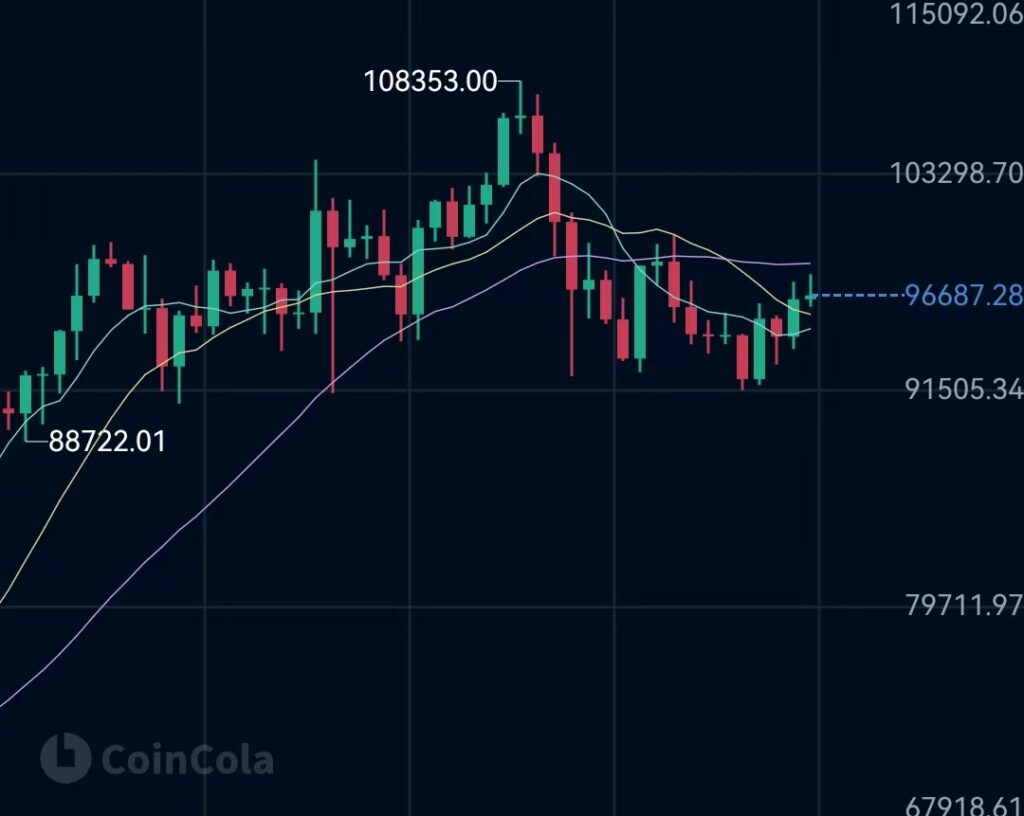
Bitcoin’s Evolving Role in the Global Financial Landscape
Bitcoin’s narrative has undergone a profound transformation. Once dismissed as a curiosity, it has steadily solidified its position as a legitimate, albeit volatile, asset class. This shift from an obscure digital token to a multi-trillion-dollar market capitalization reflects a significant re-evaluation of its financial utility and purpose within the broader economic ecosystem.
From Niche Asset to Mainstream Investment
For its initial years, Bitcoin ownership was largely concentrated among early tech adopters and libertarian idealists. Its primary use cases revolved around peer-to-peer transactions outside traditional banking rails. However, as its market capitalization surged and liquidity deepened, Bitcoin began attracting a more diverse investor base. Retail investors, particularly during periods of economic uncertainty, started perceiving it as an alternative store of value, a digital hedge against inflation, and a speculative play offering high upside potential. This marked its critical transition from a fringe digital asset to a recognized, albeit alternative, investment vehicle integrated into many individual portfolios.
Institutional Adoption and Market Maturation
Perhaps the most pivotal development in recent times has been the escalating embrace of Bitcoin by institutional investors. Major corporations have strategically allocated Bitcoin to their balance sheets, acknowledging its potential as a treasury reserve asset. Investment funds, hedge funds, and even certain pension funds have initiated allocations, either through direct holdings or via derivatives. This institutional influx injects substantial capital, sophisticated analytical approaches, and heightened regulatory scrutiny into the Bitcoin market. Concurrently, it has spurred the development of robust financial infrastructure, including institutional-grade custody solutions, advanced trading platforms, and clearer market data, all contributing to its maturation as a bonafide financial asset class. This wave of institutional interest underscores a growing conviction in Bitcoin’s long-term viability and its capacity to diversify traditional investment portfolios.
The Digital Gold Narrative Revisited
The “digital gold” thesis has been a recurring theme throughout Bitcoin’s financial story. Proponents argue that Bitcoin shares fundamental characteristics with traditional gold, making it an attractive store of value: absolute scarcity (a fixed supply of 21 million coins), divisibility, portability, and censorship resistance. In an era marked by unprecedented fiat currency expansion and geopolitical instability, Bitcoin’s appeal as a potential safe-haven asset has intensified. While its volatility still significantly exceeds that of gold, its performance during specific periods of economic stress has lent credence to this narrative. The market’s continued perception of Bitcoin as a hedge against inflation or a “safe-haven” will remain a key determinant of its valuation and broader adoption, particularly as global economic conditions remain unpredictable.
Catalysts for Future Growth and Volatility
Bitcoin’s future trajectory will be dynamic and multifaceted, shaped by a confluence of unique economic mechanics, ongoing technological evolution (viewed through its financial impact), and evolving market structures. Comprehending these drivers is paramount for any investor seeking to understand or capitalize on the future of this digital asset.
Halving Events and Supply Economics
A distinctive feature of Bitcoin’s monetary policy is the “halving” event, occurring approximately every four years. This programmatic reduction slashes the reward for mining new blocks by half, effectively decelerating the rate at which new Bitcoin enters circulation. Historically, halvings have been correlated with significant price rallies, as the reduction in new supply, coupled with consistent or increasing demand, generates upward price pressure. While past performance offers no guarantee, this embedded scarcity mechanism remains a powerful fundamental driver. It ensures Bitcoin’s supply growth rate continuously diminishes, reinforcing its deflationary characteristics and positioning it as a potentially attractive asset in an inflationary global economy. Investors meticulously monitor these cycles for potential market movements.
Macroeconomic Factors and Investor Sentiment
Despite its decentralized architecture, Bitcoin is intrinsically linked to global macroeconomic forces. Factors such as inflation rates, central bank interest rate decisions, geopolitical instability, and the overall health of the global economy profoundly influence investor sentiment towards all risk assets, including Bitcoin. During periods of traditional market uncertainty or decline, some investors may seek refuge in Bitcoin, while others might liquidate holdings to cover losses elsewhere. The correlation between Bitcoin and traditional assets like the S&P 500 has varied, but it is increasingly integrated into the broader financial market’s risk-on/risk-off dynamics. Understanding these macro trends is indispensable for forecasting Bitcoin’s short-to-medium term price movements and assessing its role within a diversified investment portfolio.
Technological Advancements and Scalability Solutions
While this article focuses on the financial domain, the economic impact of Bitcoin’s underlying technology cannot be overstated. Ongoing developments aimed at enhancing Bitcoin’s scalability, security, and user experience are critical for its long-term financial viability and widespread adoption. Innovations such as the Lightning Network, which facilitates faster and cheaper off-chain transactions, reduce the friction associated with using Bitcoin for everyday payments. This significantly expands its utility beyond merely a store of value, potentially fostering its adoption as a transactional currency. Further advancements in cryptography, privacy features, and interoperability with other blockchain networks or traditional financial systems could unlock novel use cases and substantially bolster its overall value proposition, attracting more capital and users. These improvements are crucial for its continued evolution as a transactional and programmable financial asset.
The Emergence of Spot ETFs and Derivatives
The approval of spot Bitcoin Exchange-Traded Funds (ETFs) in major financial markets represents a watershed moment in Bitcoin’s financial journey. ETFs provide a regulated, accessible, and familiar investment vehicle for traditional investors to gain exposure to Bitcoin without the complexities of direct ownership. This dramatically lowers the barrier to entry for a vast pool of institutional and retail capital, potentially leading to unprecedented inflows and increased market liquidity. Similarly, a robust market for Bitcoin derivatives (futures, options) enables sophisticated risk management strategies, hedging, and arbitrage opportunities, further intertwining Bitcoin with the intricate web of global financial instruments. The continuous development and expansion of these regulated products will play a crucial role in its price discovery, market stability, and overall financial integration.
The Regulatory Tightrope and Its Financial Implications
Regulation is arguably the most impactful external factor dictating Bitcoin’s future financial trajectory. Governments worldwide are actively grappling with how to classify, oversee, and integrate this novel asset class, and their decisions will profoundly shape its accessibility, utility, and market value.
Balancing Innovation with Investor Protection
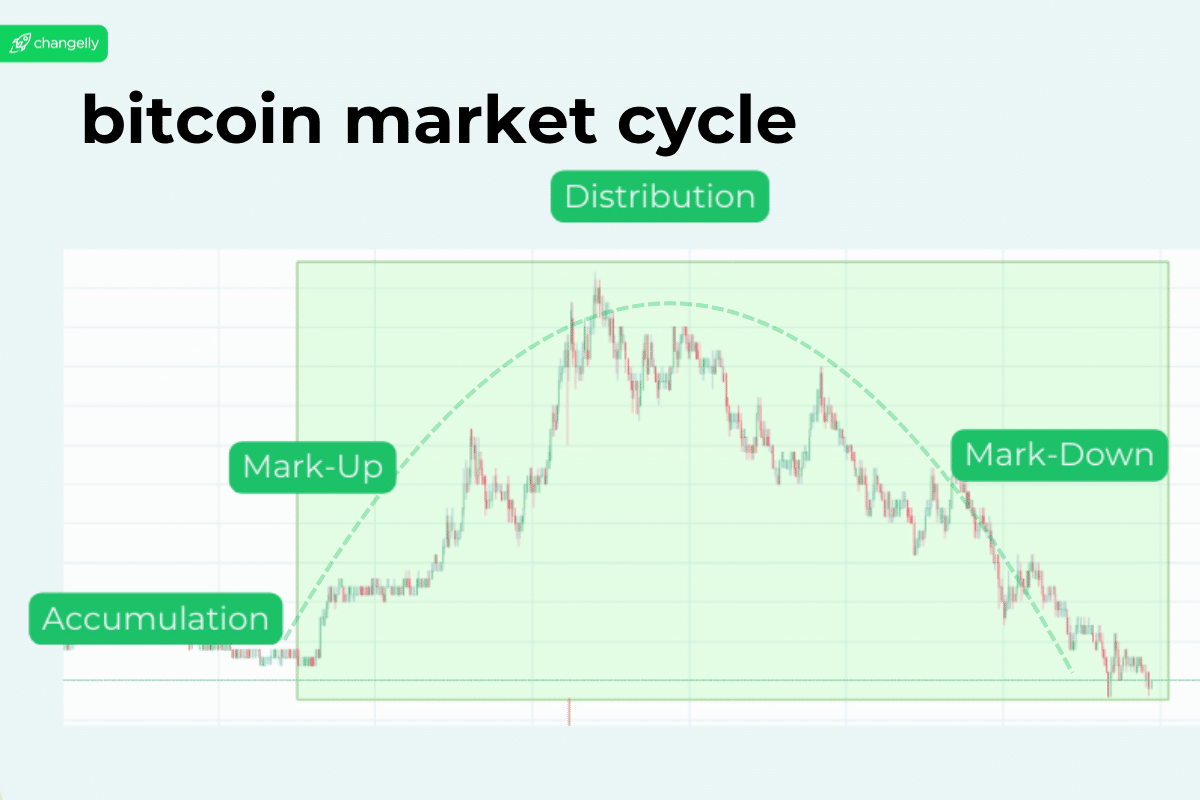
Regulators face a delicate and complex balancing act. On one hand, they acknowledge the immense potential for financial innovation that Bitcoin and blockchain technology represent, including enhanced payment systems and novel investment opportunities. On the other hand, their mandate includes safeguarding consumers from fraud, market manipulation, and systemic financial instability. Achieving this balance necessitates creating frameworks that foster responsible innovation while effectively mitigating inherent risks. The outcome of these regulatory deliberations directly impacts investment strategies, compliance costs for businesses operating in the crypto sphere, and the overall confidence of mainstream financial institutions in engaging with Bitcoin. A clear, supportive regulatory environment can unlock significant capital flows, whereas an overly restrictive or uncertain one can severely stifle growth.
Global Regulatory Patchwork and Harmonization Efforts
Presently, the regulatory landscape for Bitcoin is a fragmented patchwork, exhibiting considerable variations across jurisdictions. Some nations have enthusiastically embraced Bitcoin, establishing clear legal frameworks for its trading and taxation, while others have imposed outright bans or severe restrictions. This global inconsistency poses significant challenges for cross-border transactions, international businesses, and investors seeking legal clarity. Efforts towards regulatory harmonization, whether led by international bodies or through bilateral agreements, could provide much-needed clarity and stability, thereby facilitating Bitcoin’s seamless integration into a globalized financial system. The direction of travel—towards more unified and rational regulation versus continued fragmentation—will critically influence Bitcoin’s global liquidity and widespread financial acceptance.
Taxation and Compliance Challenges for Investors
For both individual and institutional investors, the evolving tax treatment of Bitcoin is a paramount financial consideration. Governments are increasingly seeking to tax capital gains, income derived from mining, and other Bitcoin-related activities. The complexity arises from Bitcoin’s fungibility, its global nature, and the lack of standardized reporting mechanisms across jurisdictions. Navigating these tax obligations demands meticulous record-keeping and often specialized financial advice. Businesses operating with Bitcoin also confront substantial compliance challenges related to Anti-Money Laundering (AML) and Know Your Customer (KYC) regulations, which are designed to prevent illicit financial activities. The establishment of clear, yet reasonable, tax and compliance rules can legitimize Bitcoin in the eyes of traditional finance, but overly burdensome requirements could deter adoption and inadvertently push activity into less regulated segments of the market.
Bitcoin as an Investment: Opportunities and Risks
As Bitcoin matures, its evaluation as an investment asset becomes increasingly sophisticated. Investors must meticulously weigh its unique opportunities against its inherent risks within the context of a comprehensively diversified financial portfolio.
Portfolio Diversification and Risk Management
One of Bitcoin’s primary appeals for discerning investors is its potential for portfolio diversification. Historically, Bitcoin’s price movements have not always correlated directly with traditional asset classes, offering the potential for enhanced risk-adjusted returns. However, its pronounced volatility mandates that any allocation requires careful consideration of an investor’s risk tolerance and the overall portfolio construction. Modern portfolio theory suggests that a small, strategically managed allocation to Bitcoin could potentially optimize overall portfolio performance, but investors must remain acutely aware of the potential for significant drawdowns. Effective risk management, encompassing proper position sizing and a clear understanding of personal financial goals, is absolutely paramount when integrating Bitcoin into any investment strategy.
Long-Term Value Proposition vs. Short-Term Speculation
The debate over Bitcoin’s true value proposition often pits long-term holders (“hodlers”) against short-term speculators. For long-term investors, Bitcoin represents a revolutionary technology with the potential to fundamentally disrupt traditional finance, offering a censorship-resistant, decentralized store of value. Their focus rests on its fundamental scarcity and expanding network effects. Short-term traders, conversely, are drawn to its price volatility, seeking to capitalize on rapid price swings. Both approaches carry distinct merits and inherent risks. Understanding one’s own investment horizon and objectives is crucial. Bitcoin’s long-term financial trajectory will ultimately depend on its ability to continue attracting significant capital based on its foundational principles, rather than being driven purely by speculative interest.
The Threat of Central Bank Digital Currencies (CBDCs) and Competing Assets
While Bitcoin currently holds a unique market position, its future financial dominance is by no means guaranteed. The impending emergence of Central Bank Digital Currencies (CBDCs) from major global economies presents a formidable potential challenge. CBDCs, while digital, would be centralized, government-backed, and programmable, offering a distinct set of features that could compete for mindshare and transactional volume. Furthermore, a myriad of other cryptocurrencies and digital assets continue to innovate rapidly, potentially emerging as strong competitors for specific use cases or as alternative stores of value. Bitcoin’s ability to maintain its unique value proposition—its unparalleled decentralization, fixed supply, and censorship resistance—will be critical in distinguishing itself within an increasingly crowded digital asset landscape and ensuring its enduring financial relevance.
The Road Ahead: Potential Scenarios for Bitcoin’s Future
Looking ahead, Bitcoin’s path is not singular, but rather a spectrum of plausible scenarios. These range from profound global integration to sustained niche status, each carrying distinct financial implications for investors and the global economy.
Hyperbitcoinization or Niche Asset?
One ambitious scenario, coined “hyperbitcoinization,” posits a future where Bitcoin evolves into the world’s primary currency and store of value, fundamentally displacing fiat currencies and even traditional assets like gold. This would entail an unprecedented level of global adoption and a radical restructuring of the global financial system, leading to exponential value appreciation for Bitcoin. Conversely, Bitcoin could settle into a role as a significant, yet still niche, digital asset. In this scenario, it would robustly coexist with traditional finance, primarily serving as an alternative investment, a cross-border payment rail, or a strategic hedge against specific economic conditions, without displacing national currencies. The financial impact of these two scenarios would diverge dramatically, ranging from transformative wealth creation to steady, incremental gains.
Integration into Traditional Finance
A more probable near-to-mid-term scenario involves Bitcoin becoming progressively integrated into the existing traditional financial system. This trajectory includes the proliferation of spot ETFs, an expansion of regulated derivative products, clearer banking pathways for crypto-focused businesses, and perhaps even its inclusion in mainstream financial products like retirement accounts. This deep integration would foster greater liquidity, potentially reduce extreme volatility (due to wider participation and hedging mechanisms), and enhance its overall legitimacy. While it might temper some of the extreme price swings characteristic of its early days, it would firmly solidify Bitcoin’s status as a recognized asset class, making it accessible to a much broader investor base and significantly increasing its overall market capitalization.

Bitcoin as a Sovereign Store of Value
Another compelling vision positions Bitcoin as a “sovereign store of value”—a truly global, neutral asset that operates beyond the direct control of any single nation-state or central bank. In this scenario, it would function as an ultimate settlement layer, offering a reliable anchor for wealth in an increasingly fragmented and uncertain geopolitical landscape. Nations, multinational corporations, and individuals could leverage Bitcoin to safeguard capital, facilitate international trade with reduced counterparty risk, and hedge against the devaluation of national fiat currencies. This future would embed Bitcoin as a fundamental component of global financial infrastructure, providing a decentralized alternative to existing reserve assets and profoundly reshaping international finance.
Conclusion:
Bitcoin currently stands at a pivotal juncture in its relatively short but impactful history. Its journey has been defined by remarkable growth and disruptive potential, yet its ultimate destination remains a subject of intense speculation and rigorous financial analysis. Within the “Money” niche, Bitcoin’s future trajectory hinges on a complex interplay of its inherent economic mechanics (such as halvings), the relentless forces of global macroeconomic trends, the pace of technological innovation (as it impacts financial utility), and, most critically, the evolving global regulatory environment. While significant challenges persist, ranging from inherent market volatility to ongoing regulatory uncertainty, the increasing institutional adoption, the legitimization afforded by products like spot ETFs, and its enduring appeal as a scarce, decentralized asset strongly suggest a future where Bitcoin plays an increasingly significant role in the global financial system. Whether it achieves “hyperbitcoinization” or solidifies its place as a robust alternative investment and digital store of value, Bitcoin’s path forward promises to be one of the most compelling financial narratives of our time, demanding continued attention from investors, economists, and all those interested in the future of money.
aViewFromTheCave is a participant in the Amazon Services LLC Associates Program, an affiliate advertising program designed to provide a means for sites to earn advertising fees by advertising and linking to Amazon.com. Amazon, the Amazon logo, AmazonSupply, and the AmazonSupply logo are trademarks of Amazon.com, Inc. or its affiliates. As an Amazon Associate we earn affiliate commissions from qualifying purchases.