
Bitcoin, the pioneering cryptocurrency, holds a value that is fluid, multifaceted, and subject to an intricate interplay of economic, technological, and psychological factors. Unlike traditional currencies backed by governments or commodities, Bitcoin’s worth is derived from its decentralized network, mathematical scarcity, and the collective belief of its users and investors. Understanding its value requires moving beyond a simple price tag and delving into the underlying mechanics and market dynamics that dictate its financial standing in the global economy.
The Volatile Nature of Bitcoin’s Valuation
The most striking characteristic of Bitcoin’s worth is its inherent volatility. Its price can swing dramatically within hours, days, or weeks, making it both an alluring and a daunting asset for investors. This dynamism is not random but a consequence of several powerful forces. Bitcoin’s fixed supply cap of 21 million coins, combined with increasing global demand and adoption, creates a unique supply-demand imbalance that often drives rapid price appreciation. However, this same mechanism can lead to sharp corrections when market sentiment shifts or when large holders decide to sell.

Market sentiment plays a pivotal role. News events, regulatory announcements, macroeconomic trends (such as inflation or interest rate changes), and even social media narratives can trigger significant price movements. A positive development, like a country adopting Bitcoin as legal tender or a major financial institution launching a Bitcoin-backed product, can fuel optimism and push prices higher. Conversely, regulatory crackdowns, security breaches on exchanges, or widespread FUD (Fear, Uncertainty, Doubt) can lead to rapid sell-offs. The global, 24/7 nature of cryptocurrency markets means there are no closing bells to halt trading, further amplifying price reactions to real-time events.
Historically, Bitcoin’s journey has been marked by periods of exponential growth followed by substantial corrections, often referred to as “bear markets.” From its humble beginnings, where a single Bitcoin was worth mere cents, to reaching multiple all-time highs only to retrace, its price history is a testament to its speculative yet resilient nature. This pattern underscores that “what is a Bitcoin worth” is not a static question but rather a dynamic inquiry into its current market valuation at any given moment.
Bitcoin as a Digital Investment Asset
For many, Bitcoin is primarily viewed not as a transactional currency but as a digital investment asset, akin to a commodity or a speculative growth stock. Its characteristics lend themselves to this interpretation, particularly the ongoing debate about its role as a “store of value” and an inflation hedge.
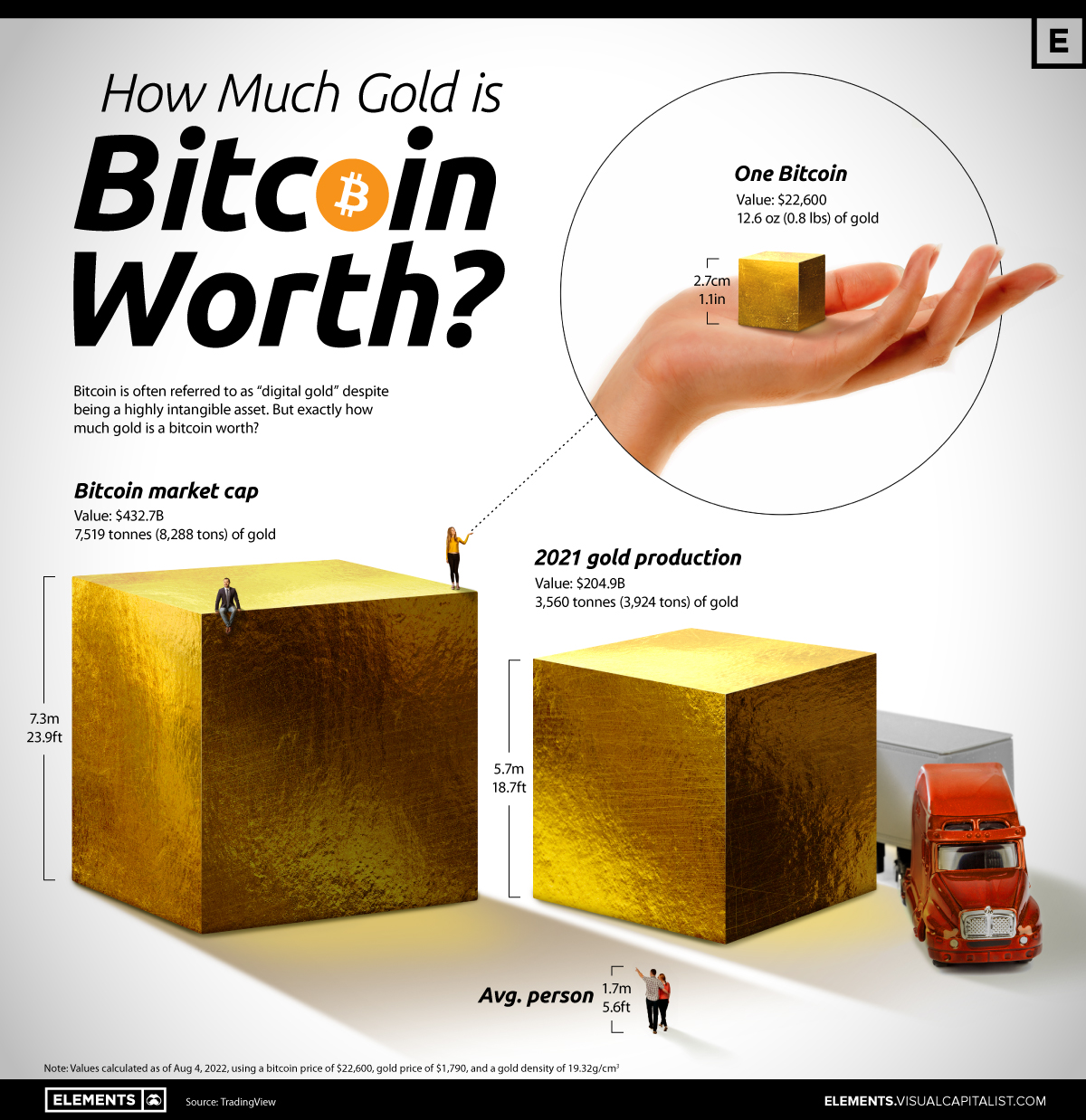
The concept of Bitcoin as “digital gold” gained prominence due to its scarcity, decentralization, and resistance to censorship. Like gold, Bitcoin’s supply is limited and predictable, with new coins being “mined” at a decreasing rate through a process known as halving, which occurs approximately every four years. This programmed scarcity is a core tenet of its value proposition, contrasting sharply with fiat currencies that can be printed infinitely by central banks, potentially leading to inflation and devaluation. Investors often turn to Bitcoin during periods of economic uncertainty or rising inflation, seeing it as a potential hedge against the erosion of purchasing power.
However, Bitcoin also carries significant risks. Its price volatility means that while the potential for high returns is substantial, so too is the risk of significant losses. Investors must approach Bitcoin with a clear understanding of their risk tolerance and financial goals. Diversification remains a crucial strategy in any investment portfolio that includes such a volatile asset. The long-term investment horizon is often advocated for Bitcoin, allowing investors to ride out short-term fluctuations and potentially benefit from its overall growth trajectory as adoption increases and its ecosystem matures.
Key Factors Driving Bitcoin’s Market Price
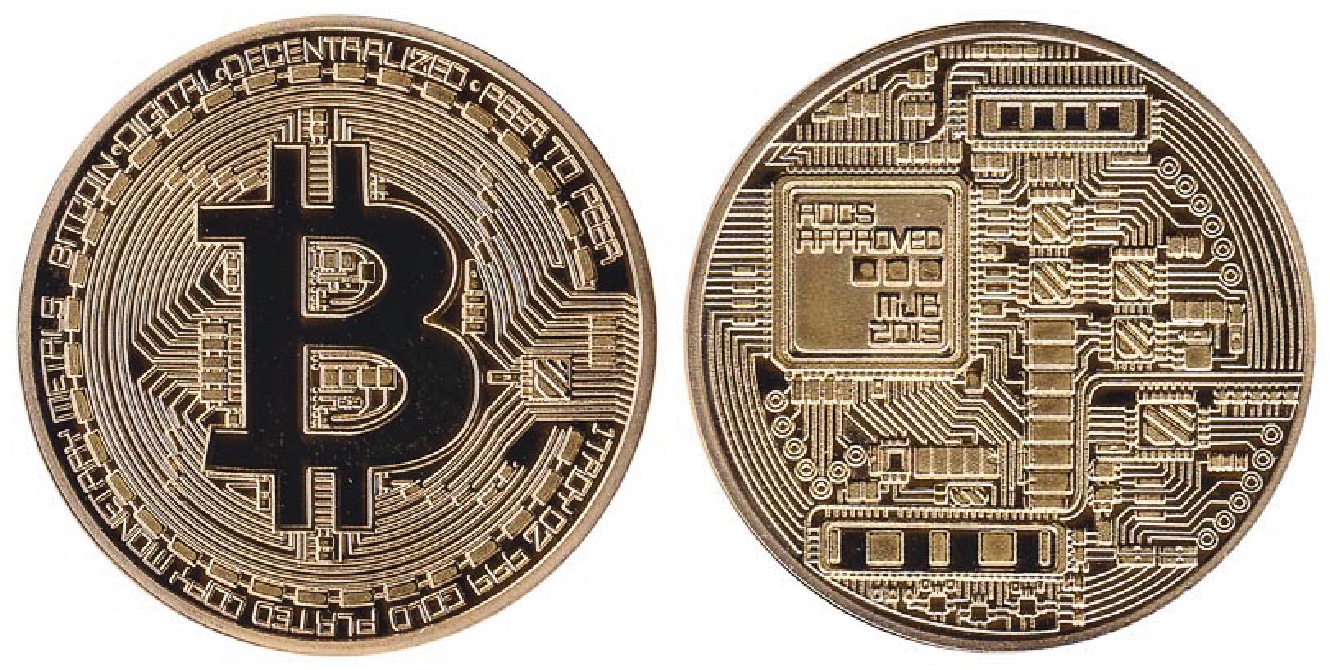
Several fundamental and technical factors continuously shape Bitcoin’s market price, offering insights into its current and potential future worth.
Supply and Demand Dynamics
The most foundational economic principle, supply and demand, dictates much of Bitcoin’s value.
- Fixed Supply Cap: With only 21 million Bitcoins ever to be created, scarcity is baked into its design. This hard cap makes it a deflationary asset by nature, unlike fiat currencies.
- Halving Events: Every approximately four years, the reward for mining new blocks is cut in half. This reduces the rate at which new Bitcoin enters circulation, thereby tightening supply and historically leading to significant price surges in the periods following these events.
- Increasing Demand: Demand stems from various sources: retail investors, institutional funds, corporate treasuries, and even nation-states. The introduction of spot Bitcoin ETFs in major markets has significantly broadened accessibility for institutional and traditional retail investors, channeling new capital into the asset.
Utility and Adoption
The practical utility of Bitcoin, while debated, also contributes to its perceived value.
- Payment System: As a peer-to-peer electronic cash system, Bitcoin offers a decentralized alternative to traditional banking. While transaction fees and speed can be concerns for small, frequent payments, layer-2 solutions like the Lightning Network are improving its scalability and practical use for everyday transactions.
- Global Remittances: Its ability to facilitate cross-border transactions quickly and at lower costs than traditional banking systems makes it attractive in certain regions, particularly for remittances.
- Smart Contract & DeFi Ecosystem (Indirect): While Bitcoin’s blockchain primarily focuses on simple value transfers, the broader cryptocurrency ecosystem, largely inspired by Bitcoin, continues to innovate with smart contracts and decentralized finance (DeFi). Growth in these areas can indirectly boost the perceived value and utility of the entire crypto space, benefiting Bitcoin.
Regulatory Landscape and Investor Trust
Government regulation plays a massive role in shaping investor confidence and market access.
- Clarity and Acceptance: When countries establish clear regulatory frameworks or openly embrace Bitcoin, it can legitimize the asset in the eyes of traditional finance and attract more investment.
- Uncertainty and Bans: Conversely, regulatory crackdowns, bans, or uncertainty can trigger panic selling and depress prices. Investors seek stability and predictability, which the regulatory environment can either provide or undermine.
- Taxation: How Bitcoin gains are taxed (as capital gains, income, etc.) also influences investment decisions and liquidity.
Technological Developments and Security
The underlying technology and its continuous evolution are critical to Bitcoin’s long-term viability and security.
- Network Security: The strength of the Bitcoin network, measured by its hash rate (the total computational power used to process transactions), is paramount. A higher hash rate indicates greater security against attacks and enhances trust in the network.
- Protocol Upgrades: Improvements to the Bitcoin protocol, such as the Taproot upgrade, enhance privacy, efficiency, and smart contract capabilities, subtly adding to its fundamental value proposition.
- Scalability Solutions: Ongoing development of layer-2 solutions addresses past criticisms regarding Bitcoin’s transaction capacity, making it more practical for widespread use.
Valuing Bitcoin: Approaches for Investors
Given its unique nature, investors employ a blend of traditional and crypto-specific valuation methodologies to assess Bitcoin’s worth.
Technical Analysis
Many traders and short-term investors rely on technical analysis, studying historical price charts, trading volumes, and various indicators (e.g., Relative Strength Index – RSI, Moving Average Convergence Divergence – MACD) to predict future price movements. This approach assumes that all known information is reflected in the price and that patterns tend to repeat.
Fundamental Analysis (Crypto-Specific)
Unlike traditional stocks, where fundamental analysis focuses on company financials, Bitcoin’s fundamental analysis centers on network health and adoption metrics.
- Network Hash Rate: A measure of the computing power securing the network. Higher hash rates generally indicate a more robust and secure network, implying greater value.
- Active Addresses and Transaction Volume: These metrics gauge network usage and adoption. A growing number of active addresses and increasing transaction volumes suggest a more vibrant and utilized network.
- Market Capitalization: Bitcoin’s market cap (price per coin multiplied by circulating supply) is often compared to other assets to understand its relative size and dominance within the crypto market and broader financial landscape.
- On-Chain Metrics: Advanced analysis looks at factors like UTXO (Unspent Transaction Output) age, exchange flows, and miner behavior to glean insights into market sentiment and potential future movements.
Macroeconomic and Store-of-Value Perspective
Long-term investors often view Bitcoin through a macroeconomic lens, evaluating its role in the global financial system.
- Inflation Hedge: As discussed, its limited supply makes it attractive as a hedge against inflation and currency debasement.
- Correlation with Traditional Assets: Observing how Bitcoin’s price moves in relation to stocks, bonds, and commodities can help determine its role in a diversified portfolio.
- Geopolitical Safe Haven: In times of political instability or currency crises, Bitcoin has occasionally served as a safe haven asset, attracting capital seeking refuge from traditional financial systems.
For the average investor, strategies like Dollar-Cost Averaging (DCA), where a fixed amount is invested regularly regardless of price, can help mitigate volatility and build a position over time. Ultimately, “what is a Bitcoin worth” is a question answered by the market at any given moment, influenced by a complex ecosystem of economic principles, technological innovation, and collective human behavior.
aViewFromTheCave is a participant in the Amazon Services LLC Associates Program, an affiliate advertising program designed to provide a means for sites to earn advertising fees by advertising and linking to Amazon.com. Amazon, the Amazon logo, AmazonSupply, and the AmazonSupply logo are trademarks of Amazon.com, Inc. or its affiliates. As an Amazon Associate we earn affiliate commissions from qualifying purchases.