
New Orleans, a city etched into the global consciousness, doesn’t just offer places to visit; it presents a masterclass in destination branding. Its identity is a complex tapestry woven from history, culture, music, and cuisine, each thread meticulously crafted or organically evolved through its diverse locales. For marketers, urban planners, and cultural strategists, understanding “where to visit in New Orleans” is less about a mere travel itinerary and more about dissecting the strategic pillars that uphold one of the world’s most recognizable and resilient city brands. This article delves into how various parts of New Orleans contribute to and reinforce its overarching brand identity, offering insights into effective brand strategy through the lens of a captivating urban landscape.
The French Quarter: The Quintessential Brand Anchor
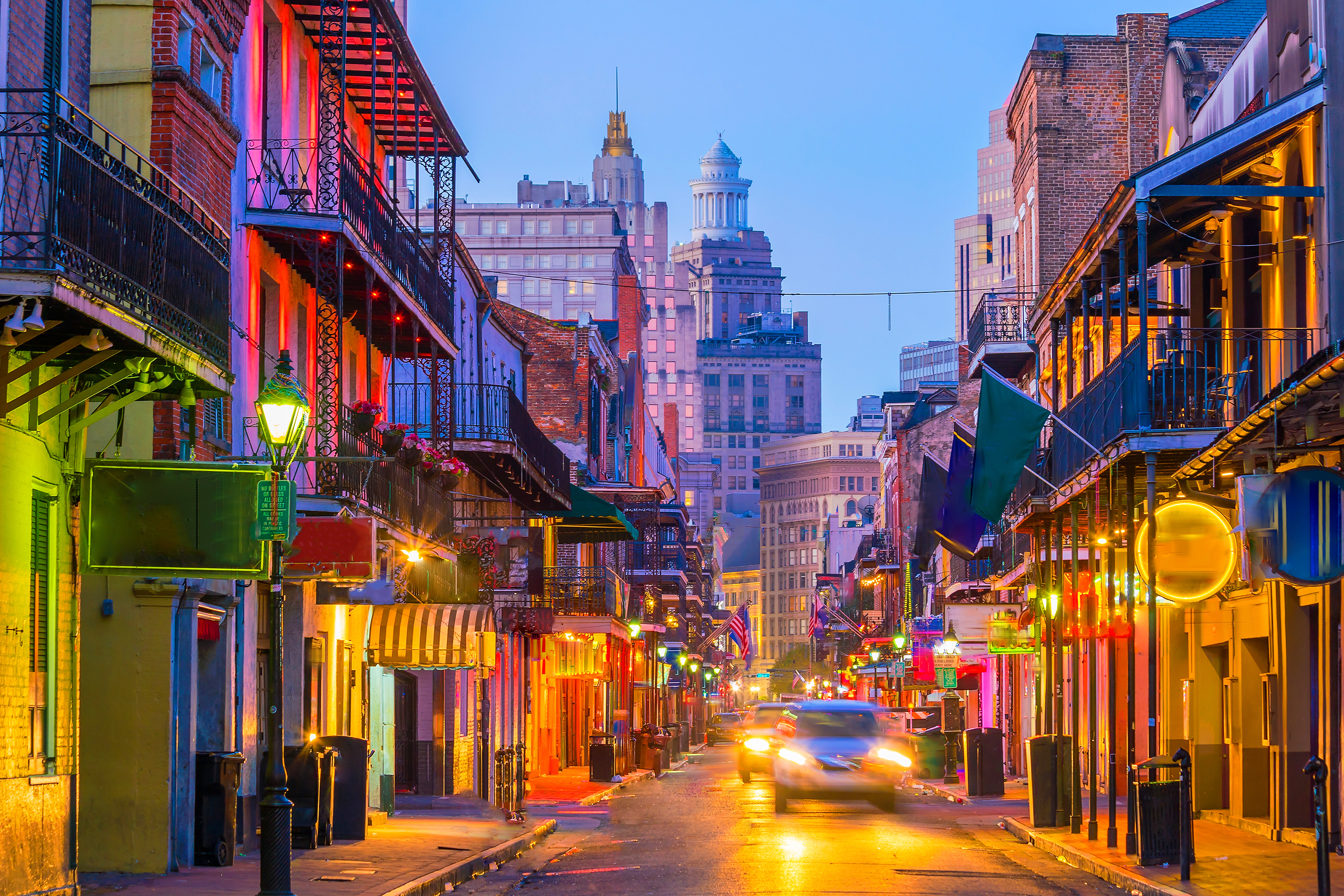
No discussion of New Orleans’ brand can begin without acknowledging the French Quarter, the undisputed epicenter of its global identity. This historic district isn’t just a collection of streets and buildings; it is the most potent visual and experiential distillation of the New Orleans brand. Its enduring appeal lies in its consistent delivery of a highly specific, universally recognized aesthetic and atmosphere, making it a powerful anchor for the city’s overall brand strategy.
Architectural Identity as a Core Brand Pillar
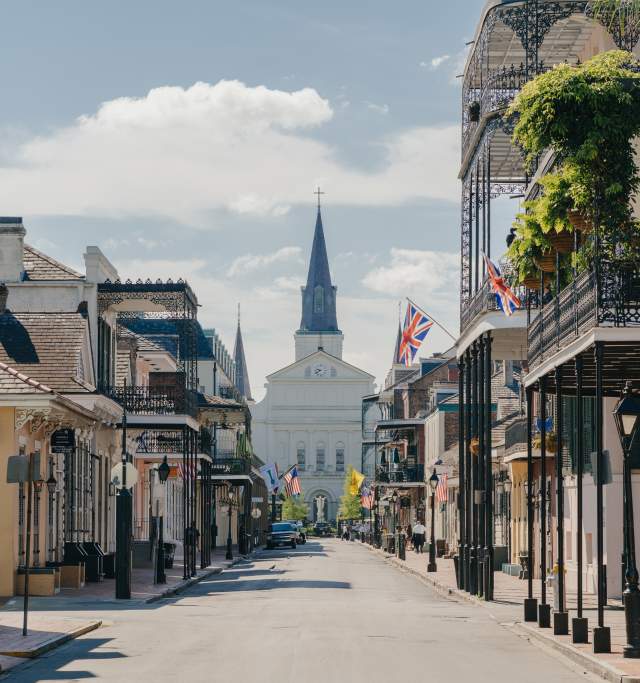
The architecture of the French Quarter is perhaps its most visible and distinctive brand asset. The iconic Creole townhouses, adorned with intricate wrought-iron balconies, vibrant pastel hues, and hidden courtyards, immediately transport visitors to another era. This consistent design language is a powerful non-verbal marketing tool, instantly recognizable and evoking a sense of exotic charm, history, and romance. The architectural uniformity, despite individual variations, reinforces a strong visual identity, making it immediately distinguishable from any other city. This isn’t accidental; preservation efforts have deliberately maintained this aesthetic, understanding its critical role in sustaining the French Quarter’s unique brand proposition. It communicates heritage, artistic flair, and a distinct European-Caribbean fusion that is singularly New Orleans.
Culinary Heritage: A Palatable Brand Statement
Beyond its visual appeal, the French Quarter’s culinary scene is a fundamental pillar of the New Orleans brand. From the powdered sugar cascades of Café Du Monde’s beignets to the rich, smoky depths of a gumbo at a historic restaurant, the food here isn’t just sustenance; it’s a cultural narrative. Each dish, a medley of French, Spanish, African, and Caribbean influences, tells a story of the city’s diverse heritage, offering an immersive sensory experience that forms a memorable brand impression. These culinary traditions are meticulously maintained, passed down through generations, and celebrated, reinforcing authenticity – a highly coveted brand attribute. The “taste of New Orleans” is a powerful experiential brand asset, actively sought out by visitors and widely promoted as a core reason to visit, transforming dining into a form of cultural immersion and brand engagement.
Jazz & Live Music: The Sonic Brand Signature
The sounds emanating from the French Quarter’s storied venues and vibrant streets are another indelible component of the New Orleans brand. Jazz, born in this city, is not merely a genre of music but the very sonic signature of its identity. From the sophisticated clubs on Bourbon Street to impromptu street performances, the omnipresence of live music communicates the city’s soulful, celebratory spirit. This musical heritage positions New Orleans as the authentic birthplace and living museum of jazz, a powerful cultural differentiator. The “sound of New Orleans” is a key component of its experiential brand, inviting participation and emotional connection, solidifying its reputation as a place of spontaneous joy and profound artistic expression.
Garden District & Uptown: Branding Elegance and Historical Depth
Moving beyond the boisterous energy of the French Quarter, the Garden District and Uptown offer a different facet of the New Orleans brand: one of refined elegance, Southern grandeur, and a more serene, established historical depth. This area strategically broadens the city’s brand appeal, showcasing its capacity for sophisticated charm alongside its vibrant exuberance.
Mansion Aesthetics: Southern Grandeur as a Luxury Brand Element
The Garden District’s magnificent 19th-century mansions, set amidst lush, tree-lined streets, project an image of opulent Southern aristocracy. These grand homes, with their diverse architectural styles – Greek Revival, Italianate, and Victorian – stand as testaments to the city’s affluent past. Their sheer scale, intricate detailing, and beautifully manicured gardens contribute to a luxury brand image, appealing to visitors seeking an experience of grandeur and historical prestige. Unlike the dense, urban feel of the French Quarter, the spaciousness and stately presence of the Garden District communicate a different kind of wealth and heritage, adding layers to New Orleans’ brand narrative and demonstrating its multifaceted appeal.
Boutique Commerce: Crafting a Refined Shopping Experience
Magazine Street, running through Uptown, further solidifies this refined brand segment. Lined with unique boutiques, antique shops, art galleries, and upscale eateries, it provides a curated shopping and dining experience. This district moves away from mass-market tourism, offering local, handcrafted, and high-quality goods that appeal to a discerning clientele. The emphasis on independent businesses and artisanal products reinforces a brand image of authenticity, exclusivity, and support for local craftsmanship, distinguishing it from more commercial retail environments. It signals that New Orleans offers not just historical charm but also contemporary elegance and a robust local creative economy.
Treme & Beyond: The Authentic Soul as a Cultural Brand
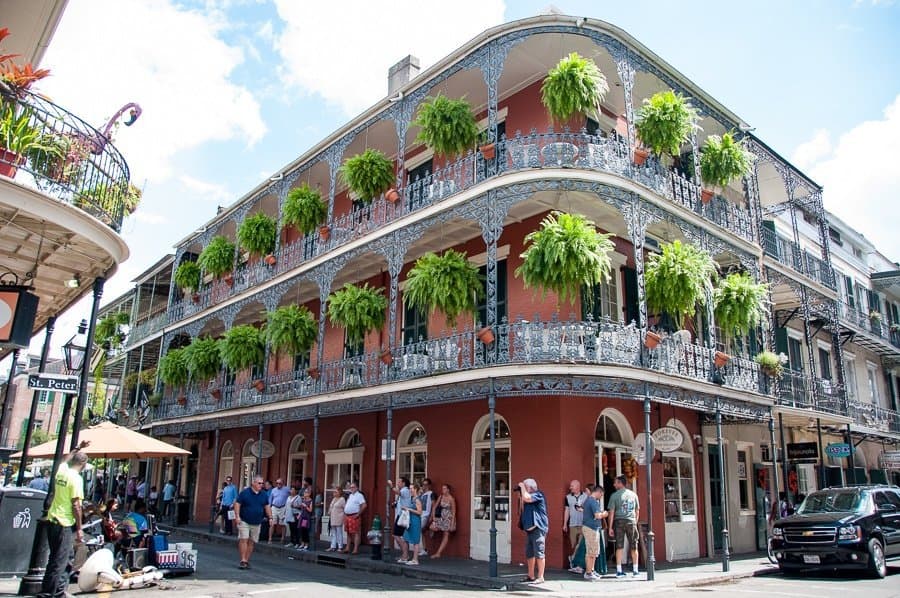
To truly understand the soulful brand of New Orleans, one must venture into neighborhoods like Treme. These areas embody the city’s deep cultural roots and resilience, offering an authentic, unvarnished glimpse into the communities that shaped its unique identity. They contribute to a brand image built on genuine heritage, community spirit, and historical significance.
Music’s Genesis and Storytelling: Brand Authenticity Through Roots
Treme, one of America’s oldest African-American neighborhoods, is recognized as a birthplace of jazz and a crucible of Creole culture. Visiting sites like Congo Square or the Louis Armstrong Park is an encounter with the very genesis of New Orleans’ musical and cultural identity. This area grounds the city’s brand in profound historical narratives of struggle, celebration, and artistic innovation. The brand message here is one of authenticity and legacy, demonstrating that the city’s vibrant culture is rooted in real communities and their enduring traditions. It’s a powerful testament to the idea that true brand strength often comes from an unflinching connection to one’s origins.
Community & Resilience: Branding a Spirit of Perseverance
Beyond specific sites, the overall atmosphere of neighborhoods like Treme, with its local second-line parades, community centers, and vibrant social aid and pleasure clubs, showcases a powerful brand attribute: resilience. The story of New Orleans, especially in the wake of adversity, is often told through the perseverance and spirit of its communities. This aspect of its brand resonates deeply, portraying a city that not only survives but thrives through its collective strength and cultural identity. It demonstrates that New Orleans is more than just a tourist destination; it is a living, breathing culture with a profound sense of self.
The Arts & Innovation Corridor: Evolving the Modern New Orleans Brand
While New Orleans is steeped in history, its brand is not static. The emergence of the Arts & Innovation Corridor, particularly along the Mississippi Riverfront and in the Central Business District, signals a strategic evolution, showcasing the city’s contemporary relevance and forward-thinking spirit. This area highlights a dynamic brand narrative that integrates heritage with modernity, art with entrepreneurship.
Museum District: Curating Intellectual Brand Experiences
The Warehouse Arts District, home to institutions like the National WWII Museum, the Ogden Museum of Southern Art, and the Contemporary Arts Center, curates an intellectual and sophisticated cultural brand experience. These museums offer deep dives into history, regional art, and cutting-edge contemporary works, appealing to visitors seeking enriching, educational encounters. This diversification from music and food-centric branding positions New Orleans as a serious cultural hub, broadening its appeal and demonstrating its intellectual depth. It’s a strategic move to show that the city’s brand encompasses more than just revelry; it includes profound reflection and artistic excellence.
Entrepreneurial Hubs: Shaping the Future-Forward NOLA Identity
Alongside cultural institutions, the corridor also houses emerging entrepreneurial ventures and tech startups. These new businesses contribute to shaping a future-forward aspect of the New Orleans brand. By fostering innovation and new industries, the city actively diversifies its economic identity, signaling that it is a place of growth and opportunity, not just historical preservation. This adds a layer of dynamism and potential to the overall brand, attracting a different demographic of visitors and investors who see New Orleans as a vibrant place for both tradition and progress.
Event Branding: Festivals as Dynamic Marketing Vehicles
Finally, to understand the comprehensive New Orleans brand strategy, one must consider its festivals. These events are not merely annual celebrations; they are meticulously orchestrated (or organically grown) experiential marketing vehicles that globally amplify and reinforce the city’s core brand pillars.
Mardi Gras: The Ultimate Experiential Brand Extravaganza
Mardi Gras is arguably the most famous and powerful single event brand in the world. It encapsulates the essence of New Orleans’ brand: exuberance, unique cultural traditions, community participation, and a penchant for elaborate, joyful display. The global recognition of Mardi Gras provides unparalleled marketing for the city, attracting millions and cementing its image as the “Party Capital” with a distinct, uninhibited spirit. It’s an experiential brand offering that delivers on every promise of fantasy and revelry.
Jazz Fest & Cultural Events: Diverse Offerings Reinforcing Core Values
Beyond Mardi Gras, events like the New Orleans Jazz & Heritage Festival, French Quarter Festival, and countless others continually reinforce specific aspects of the NOLA brand. Jazz Fest, for instance, solidifies its position as a music mecca, but also as a hub for culinary arts and traditional crafts. These festivals act as powerful, recurring brand touchpoints, ensuring that the city’s core values—music, food, art, and communal celebration—are consistently communicated and experienced by a global audience, making them indispensable components of New Orleans’ dynamic brand strategy.
In conclusion, “where to visit in New Orleans” is a nuanced question that reveals the sophisticated interplay of brand strategy, cultural identity, and effective marketing. Each neighborhood, institution, and event in this extraordinary city contributes a vital piece to a brand puzzle that is globally recognized for its authenticity, vibrancy, and enduring spirit. By understanding these diverse locales as brand assets, we gain insight into how New Orleans has successfully carved out an inimitable identity that continues to captivate and draw visitors from around the world.
aViewFromTheCave is a participant in the Amazon Services LLC Associates Program, an affiliate advertising program designed to provide a means for sites to earn advertising fees by advertising and linking to Amazon.com. Amazon, the Amazon logo, AmazonSupply, and the AmazonSupply logo are trademarks of Amazon.com, Inc. or its affiliates. As an Amazon Associate we earn affiliate commissions from qualifying purchases.