
Tax season. For many, these two words conjure images of looming deadlines, stacks of paperwork, and a gnawing sense of financial obligation. Yet, far from being merely a dreaded annual chore, understanding when and how to approach your taxes is a fundamental cornerstone of sound personal finance and business management. It’s an annual ritual that impacts your cash flow, investment strategies, and overall financial health. This article delves into the nuances of tax timing, exploring the critical deadlines, strategic advantages of early filing, the perils of procrastination, and the essential preparatory steps that can transform this often-stressful period into an organized, even empowering, financial exercise.

Understanding the Annual Tax Calendar: Key Deadlines and Dates
The tax calendar dictates the rhythm of financial reporting for individuals and businesses alike. Navigating these dates is paramount to avoiding penalties, managing cash flow, and ensuring compliance.
The Standard Tax Season: January to April
The official tax filing season typically kicks off in late January, when the Internal Revenue Service (IRS) begins accepting tax returns for the previous calendar year. For most individual taxpayers, the crucial deadline looms on April 15th (or the next business day if April 15th falls on a weekend or holiday, with state-specific variations sometimes also impacting this). By this date, individuals are expected to file their federal income tax returns and pay any taxes owed. This period is a flurry of activity, as employers issue W-2 forms, and financial institutions send out various 1099 forms (reporting interest, dividends, stock sales, and contractor income), along with other critical documents like 1098s for mortgage interest. Receiving these documents accurately and on time is the first step in preparing your return. Missing this April deadline without an extension can lead to significant penalties for both failure to file and failure to pay.
Special Considerations for Businesses and Self-Employed Individuals
While April 15th is a universal touchstone, many businesses and self-employed individuals operate on a more complex tax calendar. Those who earn income outside of a traditional employer-employee relationship are often required to pay estimated taxes quarterly. These payments typically cover income tax, self-employment tax (Social Security and Medicare), and any other taxes. The deadlines for these estimated payments are:
- April 15th (for January 1 to March 31 income)
- June 15th (for April 1 to May 31 income)
- September 15th (for June 1 to August 31 income)
- January 15th of the following year (for September 1 to December 31 income)
Failing to pay enough estimated tax throughout the year can result in penalties, even if you ultimately receive a refund when you file your annual return. Furthermore, different business structures have distinct filing deadlines. For instance, partnerships and S-corporations often have a March 15th deadline for their information returns (Form 1065 and Form 1120-S, respectively), requiring owners to receive their K-1s in time to prepare their personal tax returns. C-corporations typically follow the April 15th deadline, or the 15th day of the fourth month after the close of their fiscal year.
The All-Important Extension: October 15th
Life happens, and sometimes, gathering all necessary information or completing a complex return by April 15th is simply not feasible. Fortunately, the IRS offers an automatic six-month extension for filing your federal income tax return, pushing the deadline to October 15th. To obtain this extension, you must file Form 4868 by the original April 15th deadline. It’s crucial to understand a key distinction: an extension to file is not an extension to pay. If you anticipate owing taxes, you must still estimate and pay that amount by April 15th to avoid late payment penalties and interest. Filing an extension grants you additional time to accurately complete your paperwork, but it doesn’t defer your tax liability. For those who owe, neglecting to pay by April 15th, even with an extension, can lead to costly interest and penalties, eroding your financial resources.
Strategic Timing: When is the “Best” Time to File?
While the deadlines are fixed, the ideal timing for you to file your taxes can vary significantly based on your financial situation and personal preferences. There are distinct advantages to filing early, potential risks to waiting, and a balanced approach that often suits many.
Early Bird Advantage: Benefits of Filing Promptly
For many, filing taxes as soon as possible after receiving all necessary documents offers a host of benefits. The most significant advantage for a large segment of taxpayers is the expedited receipt of refunds. If you’re due money back from the government, filing early means that cash can be in your bank account sooner, available for savings, debt reduction, or investment. Early filers also gain a crucial window to address errors or gather missing documents without the pressure of an imminent deadline. If there’s an issue with a W-2 or a discrepancy in a 1099, you have ample time to contact the issuing party and get it corrected. This proactive approach significantly reduces stress and allows for a more thoughtful review of your return. Perhaps less obvious, but increasingly important, early filing offers a degree of protection against tax identity fraud. Scammers often attempt to file fraudulent returns using stolen Social Security numbers early in the season. If your legitimate return is already on file, the IRS can flag subsequent attempts, helping to safeguard your identity and refund.
Waiting Until the Last Minute: Risks and Downsides
While it might feel rebellious to push tasks to the deadline, procrastinating on tax filing carries considerable risks. The most immediate downside is increased stress and rushed decisions. The pressure of a looming deadline can lead to mistakes, overlooked deductions, or inaccurate entries. This rush also means you’re less likely to catch potential issues or have the time to seek professional advice if complex questions arise. Furthermore, if you discover you owe a substantial amount, waiting until April 14th gives you little to no time to plan for payment, potentially forcing you into less favorable payment arrangements or incurring late payment penalties. Access to professional tax help also becomes significantly more difficult in the final weeks leading up to April 15th, as accountants and tax preparers are overwhelmed. Any unexpected issues – a lost document, a complex investment scenario, or a system glitch with online filing software – can quickly cascade into missed deadlines and subsequent penalties.
The Middle Ground: A Balanced Approach
For many, a balanced approach strikes the optimal chord. This strategy involves waiting until you have all your necessary tax documents in hand, usually by late February or early March. This ensures accuracy and avoids the need to amend your return later. Once documents are collected, taking a week or two to prepare and carefully review your return allows for thoroughness without the frantic rush of the final days. This middle-ground timing also allows you to avoid the initial crush of the tax season, which can sometimes lead to slower processing times or overloaded online tax software. It provides enough time to clarify any questions with financial institutions or a tax professional before their calendars become completely booked. This methodical approach ensures accuracy, minimizes stress, and allows for proactive financial planning related to your tax outcome.
The Preparation Phase: What to Do Before You File
Effective tax filing is less about a single-day event and more about a year-long process of organization and diligence. The preparation phase is critical for accuracy, efficiency, and maximizing your financial position.
Gathering Essential Documents
The bedrock of accurate tax filing is comprehensive documentation. Throughout the year, and especially in the weeks leading up to tax season, you should be collecting and organizing:
- Income Statements: W-2s from employers, 1099-NEC (nonemployee compensation), 1099-INT (interest), 1099-DIV (dividends), 1099-B (stock sales), 1099-R (retirement distributions), K-1s (from partnerships/S-corps), Social Security benefits statements, etc.
- Deduction and Credit Documentation: Mortgage interest statements (Form 1098), property tax receipts, charitable contribution records, medical expense receipts, student loan interest statements (Form 1098-E), tuition statements (Form 1098-T), childcare expenses, IRA contributions, health savings account (HSA) contributions, and self-employment expenses.
- Other Financial Records: Records of federal and state taxes paid, estimated tax payments made, bank account information for direct deposit/debit, and a copy of your previous year’s tax return.
Organizing Your Financial Records Throughout the Year
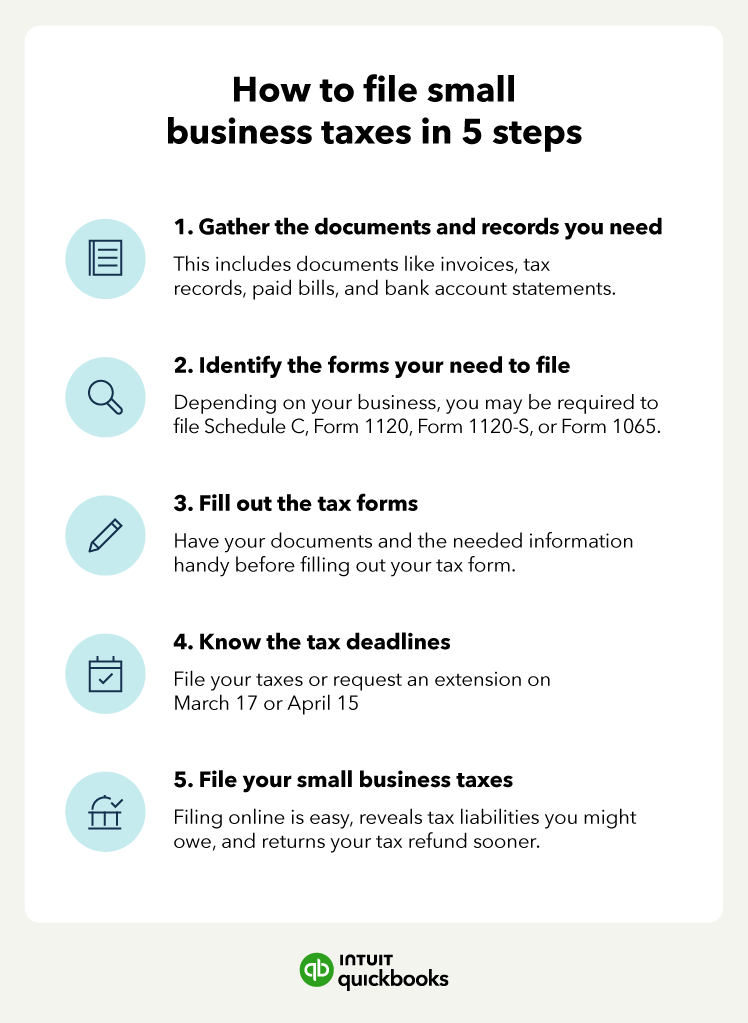
The annual scramble for documents can be largely mitigated by establishing good record-keeping habits year-round. Consider creating a dedicated tax folder, either physical or digital, where you consistently store relevant receipts and statements. Categorizing income and expenses as they occur, perhaps using a simple spreadsheet or dedicated financial tracking software (like Mint, QuickBooks, or even just a well-maintained budget), can drastically simplify the year-end aggregation process. Digital solutions are particularly beneficial for their searchability and ability to link to financial accounts, reducing manual data entry. Regular reconciliation of bank and credit card statements against your records can also help catch discrepancies early, preventing headaches during tax season.
Deciding on Your Filing Method
Once your documents are in order, you’ll need to decide how you’ll file. This choice often hinges on the complexity of your financial situation and your comfort level with tax law.
- DIY Software: Online tax preparation software (e.g., TurboTax, H&R Block Online, TaxAct) offers a guided, step-by-step approach. These tools are excellent for most common tax situations, relatively affordable, and often integrate directly with financial institutions to import data. They are ideal for individuals with W-2 income, some investments, and common deductions.
- Professional Tax Preparer: For complex tax situations (e.g., multiple businesses, significant investment activity, real estate transactions, international income, or major life changes), a certified public accountant (CPA) or an enrolled agent (EA) can provide invaluable expertise. They can offer tax planning advice, identify overlooked deductions, and represent you in case of an audit. While more expensive, the peace of mind and potential savings can often justify the cost.
- Free Tax Prep Services: The IRS offers free tax help through programs like Volunteer Income Tax Assistance (VITA) and Tax Counseling for the Elderly (TCE). These services provide free tax preparation for qualified individuals, usually those with low to moderate incomes, disabilities, or who are elderly.
Common Pitfalls and How to Avoid Them
Even with the best intentions, tax season can be fraught with potential missteps. Awareness of common pitfalls can help you navigate the process more smoothly and safeguard your finances.
Misunderstanding Deductions and Credits
One of the most common mistakes is failing to fully grasp the difference between a deduction and a credit, or worse, claiming ineligible items. A deduction reduces your taxable income, lowering the amount of tax you owe based on your tax bracket. A credit, on the other hand, directly reduces your tax liability dollar-for-dollar. For example, a $1,000 deduction for someone in the 22% tax bracket saves $220, while a $1,000 tax credit saves the full $1,000. Common deductions include contributions to traditional IRAs, student loan interest, and certain medical expenses (if itemizing and exceeding a threshold). Common credits include the Child Tax Credit, Earned Income Tax Credit, and education credits. Many taxpayers miss out on legitimate deductions or credits simply because they’re unaware of their eligibility, while others erroneously claim items they aren’t entitled to, potentially triggering an IRS audit. It’s vital to research and understand what you qualify for and to keep meticulous records to substantiate any claims.
Identity Theft and Fraud
Tax-related identity theft is a persistent and growing threat. This occurs when a scammer uses your stolen Social Security number to file a fraudulent tax return and claim a refund in your name. As mentioned, filing early is one of your best defenses, as it ensures your legitimate return is processed before a fraudulent one can be filed. Beyond that, safeguard your personal information, be wary of phishing emails or calls purporting to be from the IRS (the IRS typically communicates via mail), and use strong, unique passwords for online tax software accounts. If you suspect you’re a victim, act quickly: contact the IRS, file a police report, and monitor your credit reports.
Errors and Omissions
Simple human error accounts for a significant portion of tax filing issues. These can range from a transposed Social Security number or incorrect bank account details for a refund, to miscalculating income or overlooking a critical form. Such errors can delay refunds, lead to correspondence with the IRS, or even result in underpayment penalties. The best way to mitigate this is to double-check every entry against your original documents. If using software, utilize its review features. If working with a professional, carefully review the draft return before it’s submitted. Pay particular attention to Social Security numbers for all individuals on your return, income figures, and routing/account numbers for direct deposit.
Ignoring State and Local Tax Requirements
While federal taxes often dominate the conversation, many taxpayers also have state and sometimes local tax obligations. State tax laws can vary dramatically, with different filing deadlines, deduction rules, and tax rates. Some states have no income tax, while others have complex systems. It’s essential to understand your specific state’s requirements, as ignoring them can lead to separate state-level penalties and interest. If you’ve moved across state lines, worked in multiple states, or have income from different sources in various jurisdictions, managing state tax compliance becomes even more critical.
Beyond the Filing: Post-Tax Season Considerations
Filing your taxes isn’t the finish line; it’s a pivotal point for future financial planning and organization. What you do after your return is submitted can significantly impact your financial well-being in the year to come.
What to Do with Your Refund (or How to Pay Your Bill)
Receiving a tax refund can feel like a windfall, but how you utilize it matters. Smart financial moves include:
- Debt Reduction: Paying down high-interest debt (e.g., credit cards) is often the most financially impactful use of a refund.
- Savings: Bolstering an emergency fund, contributing to a retirement account (IRA, 401(k)), or saving for a down payment can provide long-term security.
- Investing: For those with sufficient emergency savings and manageable debt, investing a refund can contribute to wealth growth.
Conversely, if you owe taxes, strategizing your payment is crucial. If the amount is significant and you can’t pay it all at once, the IRS offers payment plans, such as short-term payment plans or installment agreements. However, interest and potential penalties will still accrue, so it’s always best to pay in full and on time if possible.
Adjusting Withholding and Estimated Payments for Next Year
For many, a large refund indicates you’ve overpaid your taxes throughout the year, essentially giving the government an interest-free loan. While some people like the “forced savings” aspect of a large refund, it means you had less money available throughout the year. If you consistently receive a large refund, consider adjusting your W-4 form with your employer to reduce your withholding and increase your take-home pay. This allows you to utilize your money sooner for savings, investments, or current expenses. Similarly, self-employed individuals should review their estimated tax payments based on their current year’s income and expenses to ensure they’re paying enough to avoid penalties, but not so much that they’re giving away their cash flow. The goal for many is to have a “zero balance” or a small, manageable refund at tax time, optimizing current cash flow.
Keeping Records for Future Reference and Audits
Once your taxes are filed, the paperwork doesn’t immediately become obsolete. The IRS generally has three years from the date you file your return (or the due date, whichever is later) to audit your return. For certain situations, like underreporting gross income by more than 25%, this period extends to six years. Therefore, it’s essential to keep all supporting documentation – your filed return, W-2s, 1099s, receipts, bank statements, and any other relevant financial records – for at least three to seven years. Securely store these documents, whether in a fireproof safe, a locked filing cabinet, or encrypted digital storage with backups. Good record-keeping provides peace of mind and is your best defense should the IRS ever have questions about your return.

Conclusion
The question “When do you do your taxes?” transcends a simple calendar date. It is a gateway to understanding your financial obligations, optimizing your cash flow, and protecting your financial health. By familiarizing yourself with the annual tax calendar, strategically choosing your filing time, diligently preparing your documentation, and being aware of common pitfalls, you can transform the often-dreaded tax season into a structured and manageable part of your financial life. Proactive tax management isn’t just about compliance; it’s about taking control of your financial destiny, ensuring you meet your obligations, leverage available benefits, and position yourself for sustained financial well-being long after April 15th has passed.
aViewFromTheCave is a participant in the Amazon Services LLC Associates Program, an affiliate advertising program designed to provide a means for sites to earn advertising fees by advertising and linking to Amazon.com. Amazon, the Amazon logo, AmazonSupply, and the AmazonSupply logo are trademarks of Amazon.com, Inc. or its affiliates. As an Amazon Associate we earn affiliate commissions from qualifying purchases.