
The annual ritual of tax filing, while often viewed with a mix of anticipation and trepidation, is a critical component of personal and business finance. For the 2024 tax year, understanding when you can actually submit your return is the first step toward a smooth and financially optimized season. Far from being a simple administrative task, tax filing is an opportunity to review your financial health, ensure compliance, and potentially reclaim funds or strategize for future savings.
This comprehensive guide will demystify the tax filing calendar for the 2024 tax year (which covers income earned in 2023), providing clarity on key dates, offering practical preparation advice, and exploring proactive strategies to transform tax season from a dreaded chore into a cornerstone of robust financial planning. We’ll delve into the official IRS timelines, the benefits of early submission, the options available if you need more time, and how to leverage financial tools to make the entire process more efficient and less stressful.

Decoding the Official Filing Period for 2024 Taxes
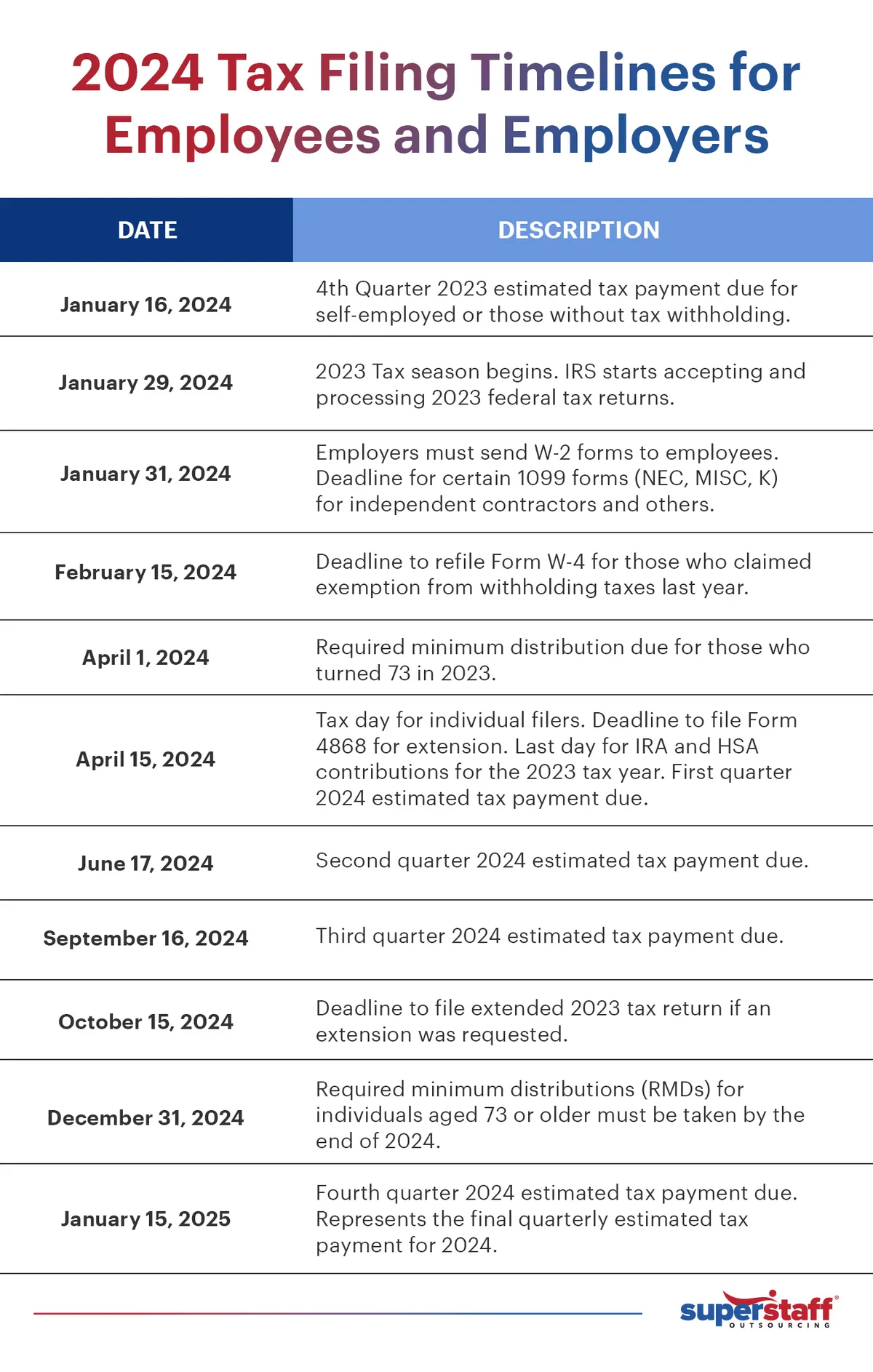
The Internal Revenue Service (IRS) sets the official opening and closing dates for each tax season, which are crucial for all taxpayers to note. While the income earned in 2023 is what you’ll be reporting, the filing period for these taxes typically commences in late January of the following year, stretching through mid-April.
The IRS Opening Date: Kicking Off Tax Season
Historically, the IRS begins accepting and processing tax returns in the last week of January. For the 2024 tax season (covering the 2023 tax year), this trend is expected to continue. The exact date is usually announced by the IRS in December or early January, giving taxpayers a precise start window. This opening date marks the point at which individuals and businesses can submit their federal tax returns electronically or via mail. For many, especially those anticipating a refund, this announcement is eagerly awaited, as filing early often means receiving your refund sooner. It also signifies the official start for tax preparation software providers and professional tax preparers to submit client returns.
The Standard Filing Deadline: A Critical Date for All Taxpayers
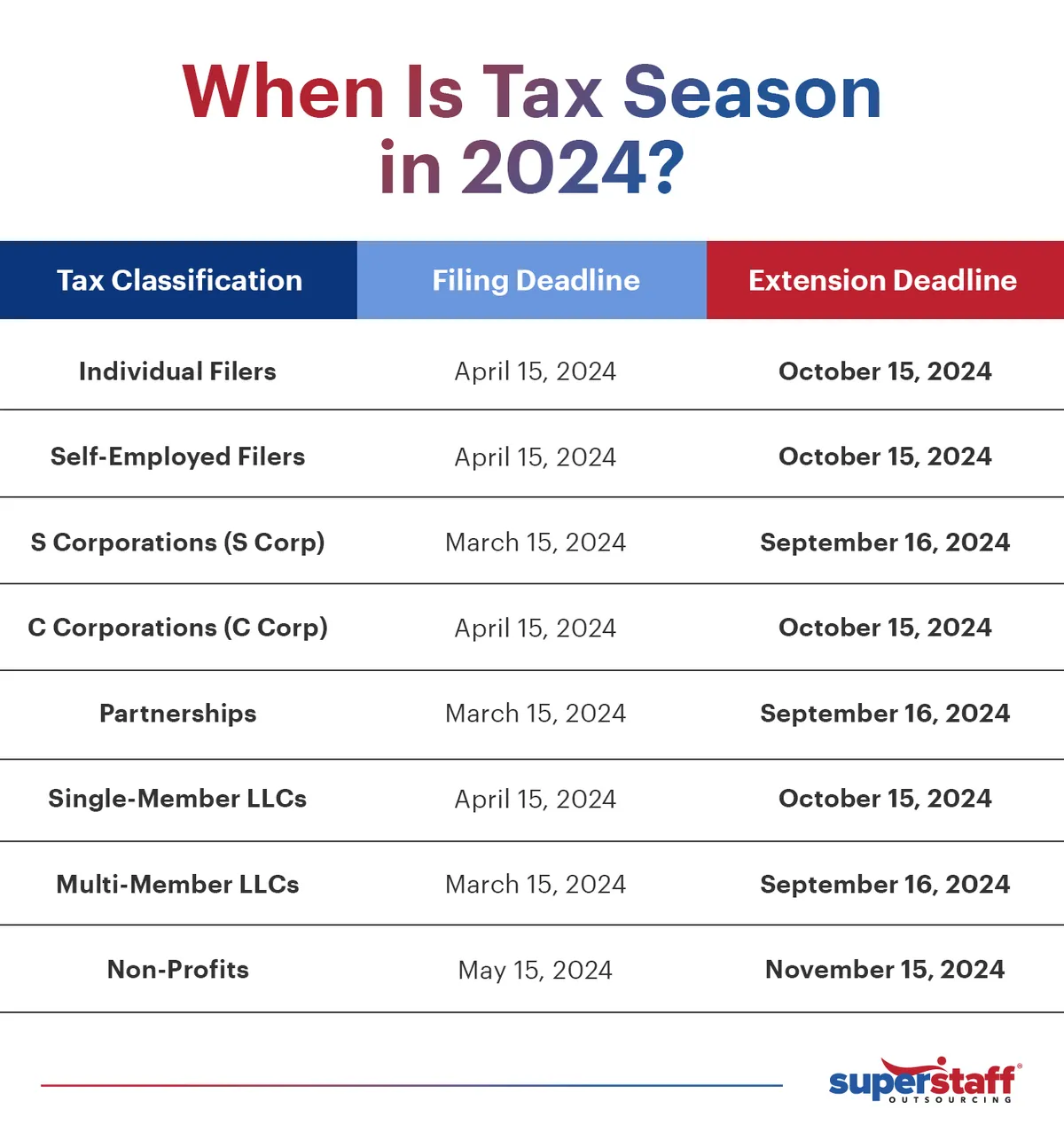
The most important date on the tax calendar for the vast majority of individual taxpayers is typically April 15th. This is the deadline for filing your federal income tax return and paying any taxes owed without incurring penalties. If April 15th falls on a weekend or a holiday, the deadline is usually shifted to the next business day. For example, if April 15th is a Saturday, the deadline would be moved to Monday, April 17th. This deadline applies to both those who are filing their original return and those who are requesting an extension. Missing this deadline without an approved extension can result in penalties and interest charges on any unpaid tax. It’s also the deadline for making contributions to IRAs and Health Savings Accounts (HSAs) that count for the previous tax year, which can have significant tax implications.
Special Considerations: Weekends, Holidays, and State Variations
While April 15th is the general rule, there are occasional adjustments. As mentioned, if the 15th falls on a weekend, the deadline moves to the next business day. Similarly, if a federal holiday (such as Emancipation Day in Washington D.C., which falls on April 16th and can affect the filing deadline for all taxpayers if it pushes the 15th into a weekend) intervenes, the deadline is adjusted. Beyond federal taxes, it’s vital to remember that state income tax filing deadlines can differ. While many states align with the federal deadline, some have their own unique schedules. Furthermore, taxpayers living in areas affected by federally declared disasters often receive automatic extensions, providing much-needed relief during challenging times. Always confirm both federal and state deadlines applicable to your specific situation to ensure full compliance and avoid unnecessary penalties.
Essential Preparations for a Seamless Tax Filing Experience
Successful tax filing isn’t just about meeting deadlines; it’s about meticulous preparation that ensures accuracy, maximizes deductions, and minimizes stress. A proactive approach to gathering documents and understanding your financial landscape can transform tax season into an empowering financial review.
Compiling Your Key Financial Documents
Before you even think about inputting numbers, gather all necessary financial documents. This pre-filing checklist is crucial. It typically includes:
- Income Statements: W-2 forms from employers, 1099 forms (1099-NEC for independent contractors, 1099-INT for interest, 1099-DIV for dividends, 1099-R for retirement distributions, 1099-G for government payments like unemployment).
- Proof of Deductible Expenses: Receipts and records for medical expenses, charitable contributions, student loan interest (1098-E), mortgage interest (1098), property taxes, and business expenses if you’re self-employed.
- Investment and Retirement Account Statements: These will detail any capital gains or losses, dividends, and contributions.
- Childcare Expenses: Statements from providers, if applicable, for the Child and Dependent Care Credit.
- Healthcare Information: Form 1095-A, B, or C if you had health insurance through the marketplace or an employer.
- Prior Year’s Tax Return: This helps with comparison and ensures you don’t miss any carryovers.
Organizing these documents systematically (digitally or physically) will save countless hours and reduce the likelihood of errors or missed deductions.
Understanding Different Income Streams and Deductible Expenses
The complexity of your tax return often correlates with the diversity of your income streams and the number of deductions you claim. Beyond traditional W-2 income, many individuals now have side hustles, investment income, or rental income, each with its own reporting requirements. For self-employed individuals and gig workers, tracking all income and meticulously categorizing business expenses (home office, supplies, mileage, professional development, etc.) is paramount. Understanding what constitutes a deductible expense—whether it’s an itemized deduction or an above-the-line adjustment—can significantly reduce your taxable income. Stay informed about changes in tax law, as Congress often adjusts deductions and credits, which can impact your overall tax liability. A solid grasp of your financial inflows and outflows throughout the year is invaluable here.
Deciding On Your Filing Approach: DIY Software vs. Professional Assistance
With your documents in hand, the next decision is how you’ll actually file.
- DIY Tax Software: For individuals with straightforward tax situations (e.g., W-2 income only, standard deduction), online tax software like TurboTax, H&R Block, or FreeTaxUSA can be cost-effective and efficient. These programs guide you step-by-step, flagging potential errors and suggesting common deductions. Many even offer free filing options for basic returns. The IRS also offers its “Free File” program for eligible taxpayers, linking to partner sites that provide free tax preparation and e-filing.
- Professional Tax Preparer: If your tax situation is complex—you own a business, have significant investments, rental properties, foreign income, or have experienced major life changes (marriage, divorce, new child)—hiring a qualified tax professional (e.g., a Certified Public Accountant (CPA) or an Enrolled Agent (EA)) is often a wise investment. They can offer personalized advice, identify obscure deductions, represent you in case of an audit, and ensure compliance with the latest tax laws, potentially saving you more than their fee. The choice depends on your comfort level, the complexity of your finances, and your budget.
Strategic Timing: The Advantages of Early Filing and When to Consider an Extension
While the deadline looms large, the timing of your submission can have distinct financial implications. There are compelling reasons to file early, but also valid circumstances where an extension is the most prudent course of action.
The Benefits of Submitting Your Return Early
Filing your tax return as soon as you have all your necessary documents offers several advantages:
- Faster Refunds: The most immediate benefit for those expecting a refund is getting their money back sooner. The IRS typically issues most refunds in less than 21 days for e-filed returns with direct deposit.
- Reduced Stress: Getting taxes out of the way early alleviates the pressure of the looming deadline, allowing you to focus on other financial priorities or simply enjoy peace of mind.
- Identity Theft Protection: Filing early makes it harder for identity thieves to file a fraudulent return using your Social Security number to claim a refund before you do. If they try, the IRS will flag it, and you’ll have more time to resolve the issue before the deadline.
- Time to Correct Errors: If you discover a mistake or receive a corrected tax document (like a W-2c or 1099-MISC) after filing, you have ample time to submit an amended return (Form 1040-X) without feeling rushed.
- Financial Planning Opportunities: An early refund can be strategically invested, used to pay down high-interest debt, or bolster an emergency fund, contributing to your overall financial health.
Common Reasons for Needing a Tax Extension and How to File One
Sometimes, despite best intentions, it’s impossible to file by the April deadline. Common reasons for needing an extension include:
- Missing Documents: Waiting for late-arriving K-1 forms from partnerships, corrected W-2s, or complex investment statements.
- Complex Financial Situations: Business owners, investors, or those with unusual income sources might need more time to accurately reconcile all their financial activities.
- Personal Circumstances: Illness, family emergencies, or simply an overwhelming workload can make meeting the deadline challenging.
- International Tax Considerations: Individuals with foreign income or assets often have more complex filing requirements and deadlines.
To request an extension, you can file Form 4868, Application for Automatic Extension of Time to File U.S. Individual Income Tax Return, either electronically or by mail. This grants you an automatic six-month extension, typically until mid-October, to file your return. Crucially, an extension to file is NOT an extension to pay. If you anticipate owing taxes, you must estimate and pay those taxes by the original April deadline to avoid penalties and interest. If you underpay, you’ll owe interest and potentially penalties on the unpaid balance.
What Happens If You Miss the Deadline Without an Extension?
Missing the filing deadline without requesting an extension can lead to significant penalties. The IRS imposes two main penalties:
- Failure-to-File Penalty: This is 5% of the unpaid taxes for each month or part of a month that a tax return is late, capped at 25% of your unpaid tax.
- Failure-to-Pay Penalty: This is 0.5% of the unpaid taxes for each month or part of a month that taxes remain unpaid, also capped at 25% of your unpaid tax.
If both penalties apply in the same month, the failure-to-file penalty is reduced by the failure-to-pay penalty, so the combined penalty for the month is 5%. Interest also accrues on underpayments, further increasing your tax bill. If you are due a refund, there is no penalty for failing to file on time, but you won’t get your money until you submit your return. However, it’s generally best to avoid late filing altogether to maintain good standing with the IRS and prevent unnecessary financial burdens. If you find yourself in this situation, file as soon as possible and consider contacting the IRS to discuss payment options if you cannot pay in full.
Beyond the Deadline: Proactive Tax Planning for Financial Health
Tax filing is a look backward at the previous year’s income, but savvy financial management demands a forward-looking perspective. Proactive tax planning is a continuous process that extends well beyond the April deadline, influencing your financial decisions throughout the year.
Year-Round Strategies for Minimizing Your Tax Burden
Effective tax planning is a marathon, not a sprint. Throughout the year, consider strategies such as:
- Maximizing Retirement Contributions: Contributing to tax-advantaged accounts like 401(k)s, IRAs (Traditional or Roth), and HSAs can reduce your taxable income now or provide tax-free withdrawals in retirement.
- Tax-Loss Harvesting: Selling investments at a loss to offset capital gains and potentially up to $3,000 of ordinary income.
- Deduction Tracking: Meticulously track all deductible expenses, especially if you’re self-employed, own a home, or make significant charitable contributions.
- Gifting Strategies: Utilize annual gift tax exclusions to reduce your taxable estate over time.
- Education Savings: Explore 529 plans or Education Savings Accounts (ESAs) for tax-advantaged ways to save for college.
- Healthcare Spending: Leverage Flexible Spending Accounts (FSAs) or Health Savings Accounts (HSAs) to pay for medical expenses with pre-tax dollars.
By integrating tax considerations into your regular financial reviews, you can make informed decisions that optimize your tax position and strengthen your overall financial plan.
How Life Events Impact Your Tax Obligations
Major life changes often have significant tax implications that should be addressed proactively, not just at tax time.
- Marriage or Divorce: Changes in marital status can affect your filing status, deductions, and credits.
- Birth or Adoption of a Child: New dependents can open doors to credits like the Child Tax Credit and the Child and Dependent Care Credit.
- Buying or Selling a Home: Mortgage interest, property taxes, and capital gains from a home sale can all impact your tax situation.
- Job Change or Starting a Business: A new job might require adjusting W-4 withholdings, while self-employment brings a host of new tax responsibilities, including estimated tax payments and self-employment taxes.
- Retirement: Retirement income sources (Social Security, pensions, 401(k) withdrawals) are taxed differently, necessitating careful planning.
Understanding how these events alter your tax landscape and adjusting your financial strategy accordingly can prevent surprises and ensure you’re maximizing benefits or fulfilling new obligations.
Leveraging Technology and Financial Tools for Tax Efficiency
The digital age has brought an array of tools to simplify and optimize tax planning.
- Budgeting Apps: Apps like Mint, YNAB, or Personal Capital can help you categorize expenses throughout the year, making it easier to identify deductible costs.
- Tax Software Integrations: Many personal finance tools integrate with tax software, allowing for seamless data import of transactions, investment activity, and income.
- Receipt Tracking Apps: Digital receipt scanners and cloud storage can eliminate paper clutter and ensure you have proof for all your deductions.
- Automated Investment Platforms: Robo-advisors often offer tax-loss harvesting features automatically, helping to manage your investment portfolio in a tax-efficient manner.
- Online Payroll Services: For small business owners, services like Gusto or QuickBooks Payroll simplify wage reporting and tax payments, ensuring compliance.
By embracing these digital solutions, individuals and businesses can maintain better financial records, gain deeper insights into their spending and saving habits, and ultimately make the tax preparation process more accurate and less daunting. These tools move you away from reactive filing towards proactive, year-round tax management.
Resources and Support for Your 2024 Tax Journey
Navigating the complexities of tax season doesn’t mean you have to do it alone. A wealth of resources and support systems are available to help you understand your obligations, find answers to your questions, and ensure an accurate filing.
Official IRS Resources and Guidance
The IRS website (IRS.gov) is the most authoritative and comprehensive source for tax information. It offers:
- Tax Forms and Publications: Access to all federal tax forms, instructions, and detailed publications (e.g., Publication 17, Your Federal Income Tax).
- FAQs and Interactive Tools: A vast knowledge base addressing common tax questions, and tools like the “Where’s My Refund?” tracker.
- IRS Taxpayer Assistance Centers (TACs): For in-person help, TACs offer support with tax law questions, account inquiries, and payment issues.
- IRS Free File Program: As mentioned, this program partners with tax software companies to provide free tax preparation and e-filing for eligible taxpayers.
- IRS News Releases and Updates: Keep an eye on the news section for announcements regarding filing dates, new tax laws, and important guidance.
These resources are invaluable for self-preparers and can also provide clarification even if you use a professional.
The Role of Qualified Tax Professionals
For many, especially those with complex financial lives, the expertise of a qualified tax professional is indispensable.
- Certified Public Accountants (CPAs): Licensed by their state boards of accountancy, CPAs offer a broad range of accounting and tax services, including preparation, planning, and representation.
- Enrolled Agents (EAs): Federally licensed by the IRS, EAs specialize in taxation and have unlimited practice rights before the IRS, meaning they can represent any taxpayer on any tax matter.
- Tax Attorneys: Lawyers specializing in tax law can provide legal advice on complex tax issues, represent clients in tax court, and assist with intricate estate planning.
When choosing a professional, look for credentials, experience with situations similar to yours, and good communication skills. A good tax professional acts as a trusted advisor, helping you navigate current obligations and plan for future financial well-being.
Community Support and Educational Initiatives
Beyond professional advice and official channels, community-based programs offer valuable assistance:
- Volunteer Income Tax Assistance (VITA) and Tax Counseling for the Elderly (TCE) Programs: These IRS-sponsored programs offer free tax help to qualified individuals, including those who make $64,000 or less, persons with disabilities, limited English-speaking taxpayers, and individuals age 60 and older. Certified volunteers prepare basic tax returns at various community sites.
- Financial Literacy Workshops: Many non-profit organizations, credit unions, and community colleges offer workshops on tax preparation, financial planning, and budgeting, empowering individuals with knowledge to manage their finances effectively.
- Online Forums and Educational Content: While not official sources, reputable financial blogs, forums, and educational platforms can provide supplemental information, discuss common tax scenarios, and offer peer support. Always cross-reference information with official IRS guidance.
By utilizing these diverse resources—from the direct guidance of the IRS to the personalized advice of a professional, and the community support networks—taxpayers can approach the 2024 tax season with confidence and make informed financial decisions that serve their long-term monetary health. The key is to be proactive, seek help when needed, and view tax filing not as an isolated event, but as an integral part of your ongoing financial journey.
aViewFromTheCave is a participant in the Amazon Services LLC Associates Program, an affiliate advertising program designed to provide a means for sites to earn advertising fees by advertising and linking to Amazon.com. Amazon, the Amazon logo, AmazonSupply, and the AmazonSupply logo are trademarks of Amazon.com, Inc. or its affiliates. As an Amazon Associate we earn affiliate commissions from qualifying purchases.