
Navigating the annual tax season can feel like a daunting task, filled with forms, deadlines, and the persistent question: “Where do I file my taxes?” This fundamental query, while seemingly simple, opens the door to a variety of pathways, each with distinct advantages and suitability depending on your financial situation. Understanding these options is the first step toward fulfilling your civic duty efficiently and accurately, ensuring you maximize any potential refunds or credits while minimizing stress.
The Essential Question: Do You Even Need To File?
Before diving into where to file, it’s prudent to briefly consider if you need to file. While the title suggests a taxpayer ready to engage, a quick review can prevent unnecessary effort or highlight missed opportunities. Generally, you must file a federal income tax return if your gross income exceeds certain thresholds based on your filing status, age, and whether you are a dependent. However, even if your income falls below these requirements, you might still want to file. This is often the case if you had federal income tax withheld from your paychecks, made estimated tax payments, or qualify for refundable tax credits like the Earned Income Tax Credit (EITC) or the Child Tax Credit (CTC). Failing to file when not required but eligible for a refund means leaving your money on the table. For those who are self-employed, even a modest net income typically triggers a filing requirement, along with the obligation to pay self-employment taxes.

Navigating the Digital Landscape: Online Filing Options
The advent of the internet has revolutionized tax filing, transforming a once paper-intensive process into a largely digital experience. Online filing offers speed, convenience, and often, guided assistance, making it a popular choice for millions of taxpayers.
Free Online Tax Filing Services
For many, the most appealing option is to file for free. The Internal Revenue Service (IRS) offers resources designed to make this possible for a significant portion of the population.
- IRS Free File Program: This is a partnership between the IRS and various tax software companies. If your adjusted gross income (AGI) falls below a certain threshold (which changes annually), you are eligible to use brand-name tax software, often identical to their paid versions, completely free of charge. These programs guide you through the process, perform calculations, and allow you to e-file your federal and sometimes state returns. It’s crucial to access these services directly through the IRS Free File website to ensure you’re not redirected to a paid product. This program is an excellent example of a direct financial tool provided to ease the tax burden for lower and middle-income individuals, promoting financial literacy and access.
- Free Editions of Commercial Software: Many popular tax preparation software providers offer free versions, typically for taxpayers with very simple tax situations (e.g., W-2 income only, standard deduction). While these can be great for straightforward returns, be wary of limitations. They often don’t support itemized deductions, capital gains/losses, self-employment income, or rental property income. Upsells for state filing or more complex forms are common, turning an initially free option into a paid one as your financial situation becomes more intricate. It’s a good starting point for basic tax filers but requires careful attention to avoid unexpected costs.
Paid Online Tax Software
For those whose tax situations are more complex, or who prefer additional features and support, paid online tax software is a robust and widely used solution.
- Popular Platforms: Companies like TurboTax, H&R Block, TaxAct, TaxSlayer, and FreeTaxUSA (which also offers a very affordable paid option) dominate this space. These platforms are designed to handle a vast array of financial scenarios, from simple W-2 income to complex investment portfolios, business income, rental properties, and various deductions and credits.
- Tiered Pricing: Most providers offer tiered pricing structures. Basic versions cater to simpler returns, while deluxe, premium, or self-employed editions accommodate itemized deductions, investment income, and business expenses. The cost increases with the complexity of the features and forms you need. This pricing model reflects the varying levels of financial complexity individuals face and the specialized tools required to accurately report them.
- Features and Benefits: The value proposition of paid software lies in its comprehensive guidance, accuracy checks, and additional support. They typically offer an interview-style process, asking plain-language questions and populating the correct forms in the background. Features often include error detection, audit risk assessment, year-over-year data import, and even audit support or representation services (for an additional fee). Integration with state tax filing is a major convenience, allowing users to prepare both federal and state returns simultaneously, often with data flowing seamlessly from one to the other. For many, the peace of mind derived from robust error checking and comprehensive support justifies the investment, turning tax preparation into a less stressful, more manageable financial task.
Direct Filing with the IRS (Direct File Program)
A relatively new development in the digital filing landscape is the IRS’s Direct File program. Launched as a pilot in 2024 for a limited number of states and tax situations, Direct File allows eligible taxpayers to file their federal income tax returns directly with the IRS for free, using a mobile-friendly, guided online service. While currently limited in scope (e.g., typically for W-2 income, standard deduction, limited credits), it represents a significant step towards a government-provided, direct filing option. Its potential expansion could offer a compelling alternative to commercial software, further simplifying the filing process for millions of Americans and directly impacting personal financial management.
The Traditional Routes: Mail and Professional Assistance
While digital filing has become the norm, traditional methods still hold relevance for specific situations or preferences.
Filing by Mail: The Paper Option
Filing a paper return by mail is the classic method, though it has largely been superseded by electronic options due to its inherent drawbacks.
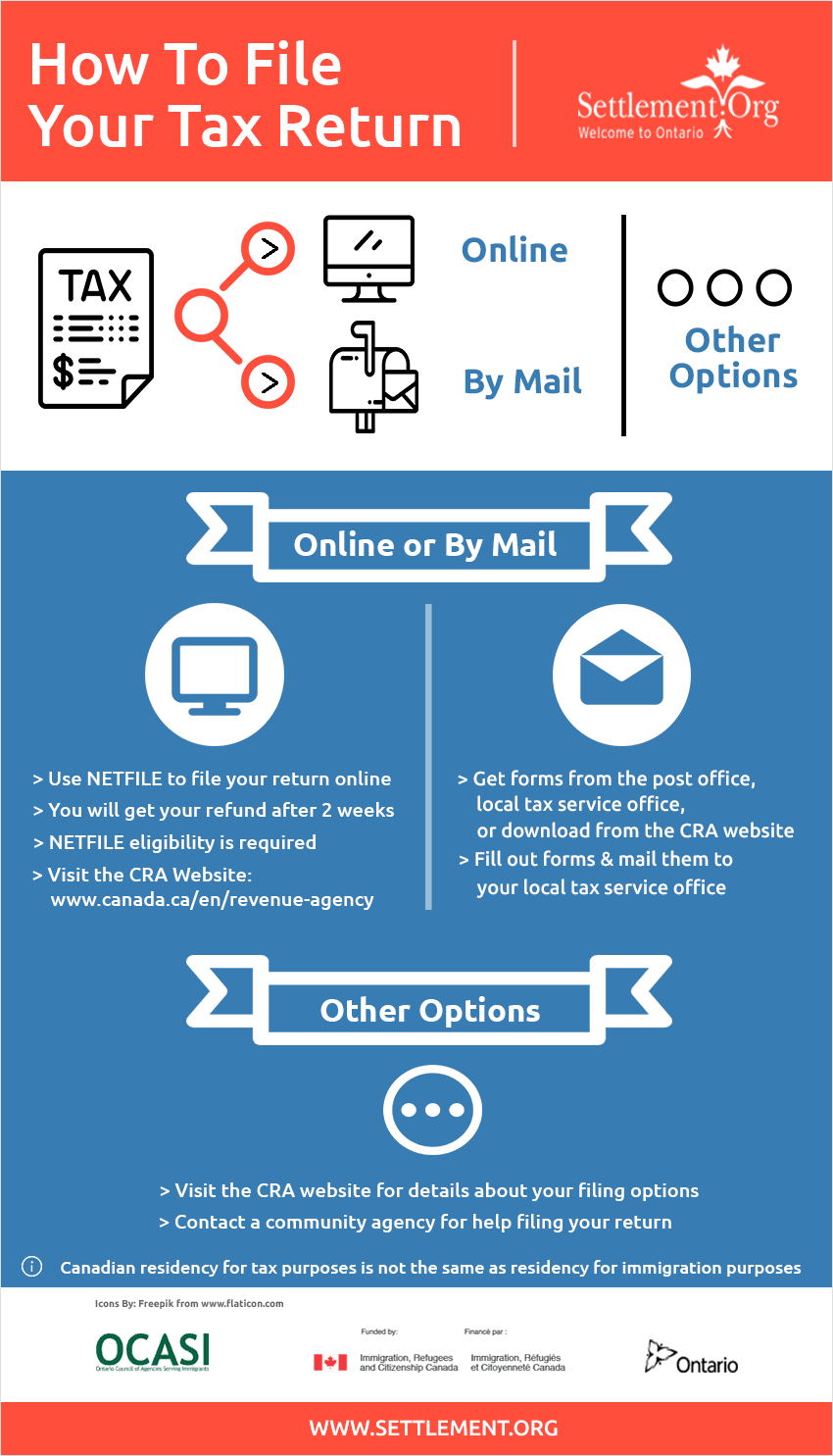
- When It Might Be Necessary: You might choose to file by mail if you are uncomfortable with online platforms, have a unique tax situation that isn’t easily handled by software, or if you simply prefer a tangible record of your submission before mailing. Some specific forms or amendments might also necessitate paper filing.
- Process and Drawbacks: To file by mail, you’ll need to obtain the necessary forms and instructions from the IRS website (irs.gov) or a library. After meticulously completing them by hand or printing them out, you mail them to the appropriate IRS service center. The primary drawbacks include significantly slower processing times (meaning delayed refunds), the lack of immediate confirmation of receipt (unless you use certified mail with return receipt), and a higher potential for transcription errors during data entry by the IRS, which can lead to delays or further inquiries. For robust personal financial management, faster and more trackable digital options are generally preferred.
Enlisting a Tax Professional
For many individuals and businesses, the complexity of their financial lives warrants the expertise of a tax professional. This choice moves beyond mere filing to encompass strategic tax planning and comprehensive financial advice.
- Who Benefits: You should strongly consider a tax professional if your financial situation involves:
- Significant investments, stock options, or complex cryptocurrency transactions.
- Self-employment income, multiple businesses, or rental properties.
- Major life changes like marriage, divorce, birth of a child, or significant inheritance.
- International income or foreign assets.
- Itemized deductions that are substantial or unusual.
- Past tax issues, such as unfiled returns or IRS correspondence.
- High net worth individuals who require sophisticated tax planning strategies to minimize their tax burden legally.
- Types of Professionals:
- Certified Public Accountants (CPAs): Licensed by individual states, CPAs possess extensive knowledge in accounting and tax law. They can provide a full range of financial services, including tax preparation, financial planning, and audit representation.
- Enrolled Agents (EAs): Federally licensed by the IRS, EAs specialize in taxation. They are authorized to represent taxpayers before the IRS on any tax matter, including audits, collections, and appeals.
- Tax Attorneys: Lawyers specializing in tax law, these professionals are typically engaged for highly complex tax issues, disputes with the IRS, or intricate tax planning for estates and businesses.
- Benefits of Professional Assistance: The primary benefits include accurate filing, identifying all eligible deductions and credits, strategic tax planning for future years, and peace of mind. A good professional can save you money, time, and stress by navigating complex tax codes, helping you avoid errors, and representing you if you face an audit. They serve as a crucial financial tool, ensuring compliance while optimizing your tax position.
- Considerations: The cost of a tax professional varies significantly based on your location, the professional’s credentials, and the complexity of your return. It’s essential to weigh this cost against the potential savings, time efficiency, and reduced stress. Always vet a professional by checking their credentials and reputation, and clarify their fees upfront.
Critical Considerations Before You File
Regardless of the method you choose, a few foundational steps are critical to ensuring an accurate and timely submission. These elements are cornerstones of responsible personal finance.
Gathering Your Financial Documents
The backbone of accurate tax filing is organized documentation. Before you begin, collect all relevant financial statements. This includes:
- Income Statements: W-2s from employers, various 1099 forms (1099-NEC for non-employee compensation, 1099-MISC for miscellaneous income, 1099-INT for interest, 1099-DIV for dividends, 1099-B for stock sales, 1099-R for retirement distributions), K-1s from partnerships or S-corporations.
- Deductible Expenses and Credits: Forms related to mortgage interest (1098), student loan interest (1098-E), tuition (1098-T), medical expenses, charitable contributions, property taxes, child care expenses, and retirement contributions.
- Identity Information: Your Social Security Number (SSN) or Individual Taxpayer Identification Number (ITIN), and those for your spouse and dependents.
Establishing a system for organizing these documents throughout the year – whether digital folders or a physical filing system – will dramatically simplify tax season.
Understanding Deadlines and Extensions
Timeliness is paramount in tax filing. The primary federal income tax filing deadline for most individuals is April 15th, or the next business day if April 15th falls on a weekend or holiday. State tax deadlines often align with the federal date but can vary.
- Extensions: If you cannot file on time, you can request an extension using Form 4868, which typically grants an additional six months to file your federal return. It’s crucial to remember that an extension to file is not an extension to pay. If you owe taxes, you must still estimate and pay them by the original deadline to avoid penalties and interest. Proactively managing deadlines is a vital aspect of financial compliance.
Accuracy and Review
The integrity of your tax return directly impacts your financial standing. Errors can lead to delays in refunds, IRS inquiries, or even audits and penalties.
- Double-Check Everything: Carefully review all entered data, especially critical numbers like income, deductions, and Social Security numbers. Tax software is excellent for catching mathematical errors, but it can’t know if you incorrectly entered a figure from a physical document.
- Consequences of Errors: Mistakes can trigger red flags with the IRS, potentially leading to a more thorough review of your return. Penalties for underpayment or late payment can erode your financial resources. A thorough review before submission is a small investment of time that can save significant financial headaches later.

Making the Right Choice for Your Financial Situation
The “best” place to file your taxes isn’t a universal answer; it’s a personalized decision rooted in your financial reality. Consider the complexity of your income sources and deductions, your comfort level with technology, your budget for tax preparation, and your desired level of support.
For simple returns, the IRS Free File program or free editions of commercial software are excellent, cost-effective choices. As your financial life grows more intricate, paid tax software offers a powerful blend of guidance, convenience, and accuracy. When your financial landscape demands expert navigation—involving investments, business ventures, or complex legal structures—a qualified tax professional becomes an invaluable partner, providing peace of mind and optimizing your financial outcomes.
Ultimately, the goal is to choose a method that ensures accuracy, compliance, and efficiency, allowing you to confidently fulfill your tax obligations while safeguarding your financial well-being.
aViewFromTheCave is a participant in the Amazon Services LLC Associates Program, an affiliate advertising program designed to provide a means for sites to earn advertising fees by advertising and linking to Amazon.com. Amazon, the Amazon logo, AmazonSupply, and the AmazonSupply logo are trademarks of Amazon.com, Inc. or its affiliates. As an Amazon Associate we earn affiliate commissions from qualifying purchases.