
The annual ritual of filing taxes can often feel like a daunting labyrinth, a complex chore that looms large over personal finance. For many, it’s a source of anxiety, riddled with fears of making errors, missing deadlines, or leaving hard-earned money on the table. Yet, understanding how to effectively navigate this essential civic duty is a cornerstone of sound financial health. Far from being just a mere obligation, tax filing is an opportunity to assert control over your financial narrative, ensure compliance, and potentially reclaim funds that are rightfully yours. This comprehensive guide aims to demystify the tax filing process, providing clarity, confidence, and actionable insights to help you file your taxes efficiently and accurately.

Whether you’re a first-time filer, have experienced significant life changes, or simply seek to optimize your approach, understanding the various methods, required documentation, and critical deadlines is paramount. From leveraging digital tools to enlisting professional expertise, the landscape of tax preparation offers diverse pathways tailored to different needs and complexities. By breaking down the process into manageable steps and shedding light on common pitfalls, we hope to transform this annual obligation from a source of dread into a routine exercise in financial empowerment.
Understanding Your Tax Filing Obligations and Essentials
Before you even begin to think about how to file, it’s crucial to establish if you need to file, what documents you’ll require, and when these actions need to take place. These foundational elements are the bedrock of a smooth and compliant tax season.
Who Needs to File?
The obligation to file a federal income tax return primarily depends on your gross income, filing status, and age. The Internal Revenue Service (IRS) sets specific income thresholds each year. If your gross income exceeds these thresholds, you are generally required to file. Even if your income is below the threshold, you might still want to file to claim a refund of withheld taxes or refundable tax credits, such as the Earned Income Tax Credit (EITC) or the Child Tax Credit. Furthermore, specific situations, such as having self-employment income over a certain amount, receiving certain types of distributions, or owing specific taxes, will also trigger a filing requirement, regardless of your overall gross income. It’s always best to check the latest IRS guidelines or consult a financial professional if you’re unsure.
Key Documents You’ll Need
The accuracy of your tax return hinges on having all necessary documentation organized and readily accessible. These documents serve as proof of your income, taxes paid, and eligibility for deductions and credits.
- Income Statements:
- Form W-2 (Wage and Tax Statement): Received from your employer(s), reporting wages, tips, and other compensation, along with federal, state, and local taxes withheld.
- Form 1099-NEC (Nonemployee Compensation): For independent contractors or freelancers, reporting non-employee compensation.
- Form 1099-MISC (Miscellaneous Income): For various types of income like rent, royalties, or prize winnings.
- Form 1099-INT/DIV/B: For interest, dividends, and proceeds from stock/bond sales from banks and investment firms.
- Form K-1: From partnerships, S corporations, or trusts, detailing your share of income, losses, and deductions.
- Social Security Benefit Statement (SSA-1099): If you receive Social Security benefits.
- Deduction & Credit-Related Documents:
- Form 1098 (Mortgage Interest Statement): For home mortgage interest paid.
- Form 1098-E (Student Loan Interest Statement): For student loan interest paid.
- Property Tax Statements: For real estate taxes paid.
- Records of Charitable Contributions: Receipts or acknowledgment letters for donations.
- Medical Expense Records: If itemizing, detailed records of qualified medical expenses.
- Childcare Expenses: Provider information and amounts paid for dependent care credit.
- Other Important Information:
- Last Year’s Tax Return: Useful for reference, especially if you need to carry over certain amounts or confirm prior-year information.
- Social Security Numbers (SSN) or Taxpayer Identification Numbers (TIN): For yourself, your spouse, and all dependents.
- Bank Account Information: For direct deposit of refunds or direct debit of taxes owed.
Important Deadlines
Missing a tax deadline can result in penalties and interest charges, so staying informed is crucial.
- April 15th (or the next business day): This is the primary deadline for filing federal income tax returns and paying any taxes owed for most individual taxpayers.
- October 15th (or the next business day): If you filed an extension by April 15th, this is your deadline to submit your completed return. Remember, an extension to file is not an extension to pay. If you expect to owe taxes, you should still pay an estimate by April 15th to avoid penalties.
- State Deadlines: Be mindful that state tax filing deadlines can vary. While many align with the federal deadline, some states have different dates.
Exploring Your Tax Filing Options
Once you’ve gathered your documents and understood the deadlines, the next logical step is to decide how you will prepare and submit your return. The options range from highly independent, DIY approaches to fully outsourced professional services, each with its own advantages and disadvantages.
Self-Preparation Software
For many taxpayers, especially those with straightforward returns, tax software offers a cost-effective and convenient solution. These programs guide you through the process step-by-step, helping you input your data, identify potential deductions, and calculate your tax liability or refund.
- Popular Options: TurboTax, H&R Block Tax Software, TaxAct, FreeTaxUSA.
- Pros: Generally less expensive than professional help, accessible 24/7, offers automated calculations and error checks, allows for e-filing directly to the IRS. Many offer free versions for simple returns.
- Cons: Requires a degree of financial literacy and comfort with technology, may struggle with highly complex situations, accuracy is dependent on the user’s input.
- Considerations: Look for software that matches your tax complexity (e.g., investments, self-employment). Read reviews, compare features, and check for hidden fees, especially for state returns.
Professional Tax Preparers
When your tax situation becomes more intricate – perhaps due to business ownership, significant investments, real estate transactions, or international income – the expertise of a professional tax preparer can be invaluable.
- Types of Professionals:
- Certified Public Accountants (CPAs): Licensed professionals with extensive knowledge in accounting and tax law, suitable for complex personal and business taxes.
- Enrolled Agents (EAs): Federally licensed tax practitioners who specialize in taxation and have unlimited rights to represent taxpayers before the IRS.
- Tax Attorneys: Lawyers specializing in tax law, often engaged for complex legal tax issues, audits, or disputes.
- Non-credentialed Preparers: Individuals who prepare taxes but do not hold the above credentials. While some are competent, it’s crucial to vet them thoroughly.
- Pros: Expertise in complex tax situations, ability to identify obscure deductions and credits, representation during audits, peace of mind regarding accuracy, time-saving.
- Cons: Higher cost, requires sharing sensitive financial information.
- When to Consider: If you have multiple income streams, own a business, experienced major life changes (marriage, divorce, new home), have high net worth, or are facing an audit.
Free Tax Assistance Programs
For taxpayers who meet specific income or age requirements, several programs offer free assistance in preparing and filing tax returns.
- IRS Free File Program: A partnership between the IRS and leading tax software companies, offering free federal tax preparation and e-filing options for taxpayers whose adjusted gross income (AGI) falls below a certain threshold. Some partners also offer free state filing.
- Volunteer Income Tax Assistance (VITA): Offers free tax help to people who generally make $64,000 or less, persons with disabilities, and limited English-speaking taxpayers who need assistance in preparing their own tax returns.
- Tax Counseling for the Elderly (TCE): Provides free tax help to all taxpayers, particularly those who are 60 years of age and older, specializing in questions about pensions and retirement-related issues unique to seniors.
- Pros: Completely free, provides reliable assistance from IRS-certified volunteers, helps reduce the burden for eligible individuals.
- Cons: Eligibility requirements, services may be basic and not suitable for highly complex returns, availability can be limited.
Navigating the Filing Process Step-by-Step
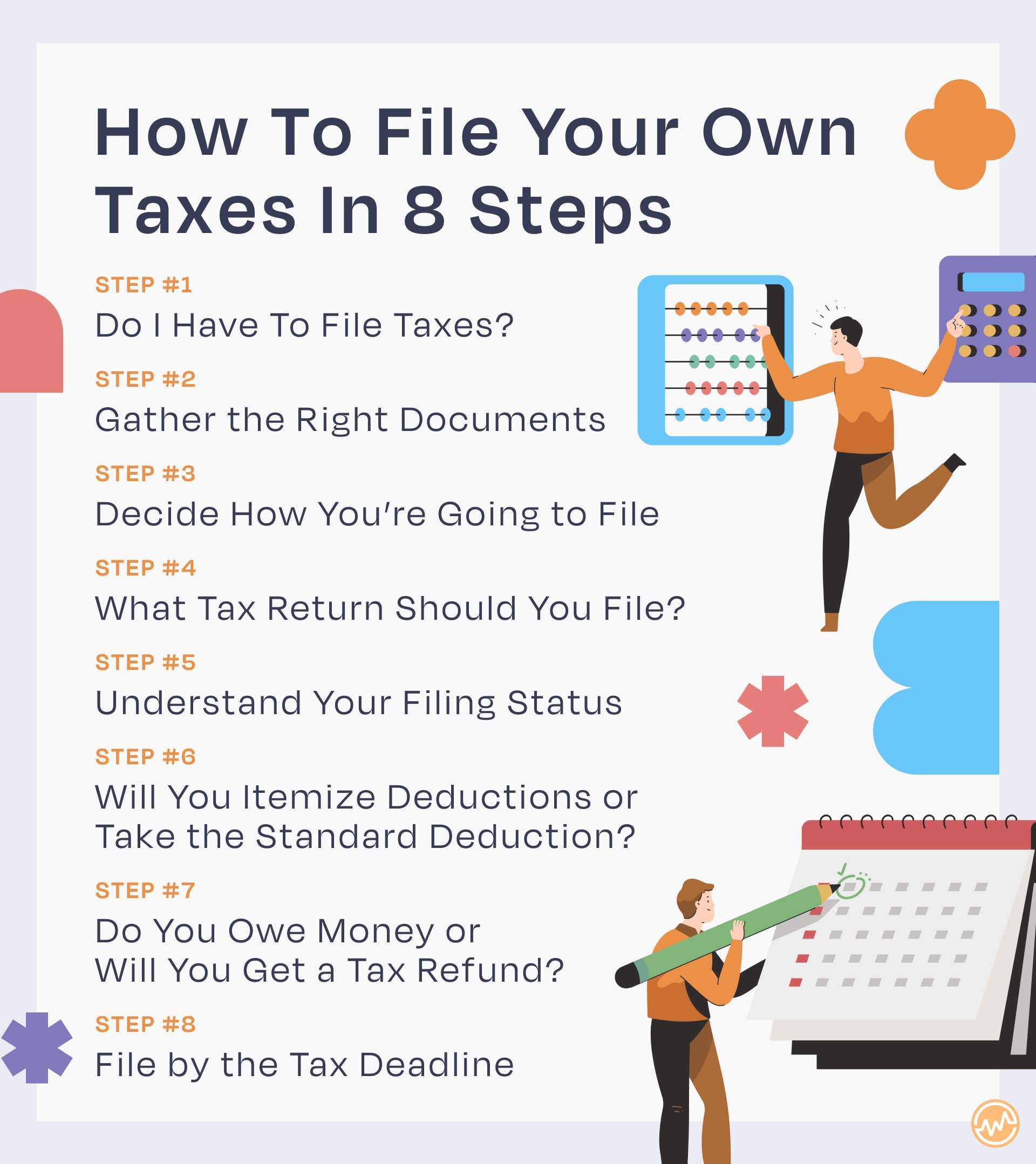
Regardless of the method you choose, the actual process of filing taxes generally follows a similar sequence of steps designed to ensure thoroughness and accuracy.
Gathering Your Information
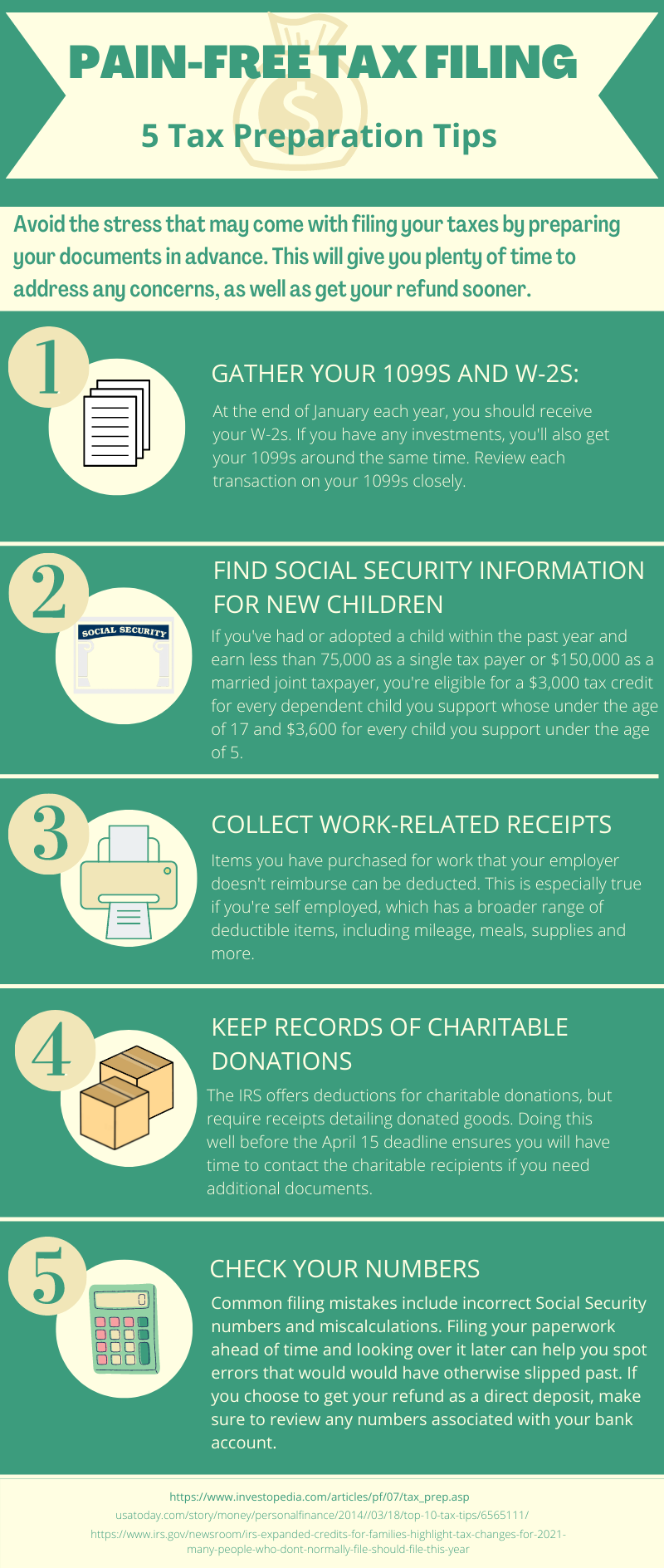
This initial step is critical. Before you start inputting data or sitting down with a preparer, make sure you have all your W-2s, 1099s, 1098s, investment statements, and records of deductions/credits organized. A checklist can be invaluable here. Consider creating a dedicated tax folder each year to collect documents as they arrive.
Choosing Your Method
With your documents in hand, confirm your chosen filing method (software, professional, or free assistance). If using software, ensure it’s updated to the current tax year. If using a professional, schedule your appointment well in advance to avoid the last-minute rush.
Inputting Your Data
This is where you transfer the information from your collected documents into your chosen tax preparation tool or provide it to your professional.
- Income: Enter all sources of income, ensuring every W-2, 1099, and other income statement is accounted for.
- Deductions: Identify and enter all eligible deductions. These reduce your taxable income. Examples include traditional IRA contributions, student loan interest, health savings account (HSA) contributions, and itemized deductions like mortgage interest or charitable contributions if they exceed the standard deduction.
- Credits: Claim all applicable tax credits. Credits directly reduce your tax liability dollar-for-dollar and are generally more beneficial than deductions. Common credits include the Child Tax Credit, Earned Income Tax Credit, education credits, and dependent care credit.
- Taxes Paid: Record any federal and state income taxes already paid through withholding or estimated tax payments.
Reviewing for Accuracy
This is perhaps the most crucial step. A single digit error can lead to discrepancies, delays, or even audits.
- Self-Preparation: Most software programs have built-in error checks. Review the summary pages carefully. Double-check Social Security Numbers, names, addresses, and all financial figures against your source documents.
- Professional Preparation: Your preparer should provide you with a copy of the return for your review before filing. Ask questions about anything you don’t understand and ensure all your information has been accurately reflected.
Submitting Your Return
Once you’re confident in the accuracy of your return, it’s time to send it to the IRS and your state tax authority.
- E-filing: Electronic filing is the most common, fastest, and safest method. It typically results in quicker processing of refunds. You’ll usually receive an email confirmation when your return has been accepted.
- Mail: If you choose to mail a paper return, ensure it’s signed, dated, and sent to the correct IRS address. Consider sending it via certified mail with a return receipt for proof of mailing. Keep a copy of everything for your records.
Handling Payments or Refunds
- Taxes Owed: If you owe taxes, you typically have several payment options: direct debit from your bank account (highly recommended), credit/debit card, check/money order, or through the Electronic Federal Tax Payment System (EFTPS). The payment should be made by the April 15th deadline to avoid penalties.
- Refunds: If you are due a refund, direct deposit to your bank account is the quickest way to receive it. You can also opt for a paper check.
Common Pitfalls and How to Avoid Them
Even with the best intentions, taxpayers can fall victim to common errors or oversights. Being aware of these pitfalls can save you time, money, and stress.
Procrastination and Missed Deadlines
Waiting until the last minute increases the likelihood of errors, forgetting documents, or missing the deadline entirely. This can lead to penalties for late filing and late payment.
- Avoidance: Start gathering documents early, consider setting a personal deadline a few weeks before April 15th, and file for an extension if needed (but remember to pay estimated taxes).
Errors and Omissions
Incorrectly entered Social Security Numbers, math errors, misclassifying income or expenses, or simply forgetting to include certain income sources are frequent mistakes that can trigger IRS scrutiny.
- Avoidance: Use tax software with built-in error checks, meticulously review your return multiple times, cross-reference all figures with original documents, and consider professional help for complex situations.
Overlooking Deductions and Credits
Many taxpayers leave money on the table by failing to claim all eligible deductions and credits. This could be due to a lack of awareness or not keeping adequate records.
- Avoidance: Educate yourself on common deductions and credits, keep thorough records of all potentially deductible expenses, and use tax software that prompts you for relevant items or consult with a tax professional.
Falling for Scams
During tax season, scams attempting to steal your personal information or money are rampant. These often involve phishing emails, fraudulent calls, or fake websites impersonating the IRS or tax software companies.
- Avoidance: The IRS will never initiate contact with you by email, text messages, or social media to request personal or financial information. They will typically send an official letter first. Be suspicious of unsolicited communications, never click on suspicious links, and verify the identity of any caller claiming to be from the IRS.
Beyond Filing: Post-Tax Season Considerations
Filing your taxes is not the absolute end of your tax responsibilities for the year. A few post-filing actions and forward-looking strategies can enhance your financial well-being and prepare you for future tax seasons.
Keeping Records
After filing, resist the urge to immediately discard all your tax-related documents. The IRS generally recommends keeping records for at least three years from the date you filed your original return or two years from the date you paid the tax, whichever is later. For specific situations, such as claiming a loss from worthless securities or bad debt deduction, records should be kept for seven years.
- Best Practice: Store physical documents in a secure, organized manner and consider digitizing them as backups.
Adjusting Withholding
If you received a very large refund or owed a significant amount of tax, it might indicate that your tax withholding isn’t perfectly aligned with your actual tax liability. A large refund means you gave the government an interest-free loan, while owing a lot might lead to penalties.
- Action: Use the IRS Tax Withholding Estimator tool on IRS.gov or consult your tax professional to adjust your Form W-4 with your employer. This can help ensure your take-home pay is more accurate throughout the year, minimizing large refunds or balances due.
Tax Planning for Next Year
The best time to plan for next year’s taxes is now, while the current year’s experience is fresh in your mind.
- Strategies:
- Max Out Retirement Contributions: Contribute to 401(k)s, IRAs, or HSAs to reduce taxable income.
- Harvest Tax Losses: Strategically sell investments at a loss to offset capital gains.
- Strategize Charitable Giving: Plan donations to maximize their tax benefits.
- Review Major Life Changes: Anticipate how events like marriage, divorce, birth of a child, home purchase, or starting a business will impact your taxes and plan accordingly.
- Benefit: Proactive tax planning can lead to significant savings and a smoother filing process in the future.
Conclusion
Navigating the intricacies of tax filing can undoubtedly be challenging, but with the right knowledge, preparation, and tools, it becomes a manageable and even empowering aspect of your personal finance journey. By understanding your obligations, exploring the various filing options, meticulously following the step-by-step process, and actively avoiding common pitfalls, you can transform the annual tax ritual into a confident and accurate endeavor. Moreover, extending your financial discipline beyond just filing – through diligent record-keeping, optimizing withholdings, and proactive tax planning – lays the groundwork for robust financial health year after year. Embrace the process, leverage the resources available, and take control of your taxes, ensuring peace of mind and optimizing your financial future.
aViewFromTheCave is a participant in the Amazon Services LLC Associates Program, an affiliate advertising program designed to provide a means for sites to earn advertising fees by advertising and linking to Amazon.com. Amazon, the Amazon logo, AmazonSupply, and the AmazonSupply logo are trademarks of Amazon.com, Inc. or its affiliates. As an Amazon Associate we earn affiliate commissions from qualifying purchases.