
The allure of a new Tesla is undeniable. From cutting-edge technology and impressive performance to a commitment to sustainable transportation, these electric vehicles have reshaped the automotive landscape. However, for many prospective buyers, the ultimate question boils down to one critical factor: cost. Beyond the headline-grabbing starting prices, a true financial understanding of owning a new Tesla requires a deep dive into various layers of expenditure, potential savings, and long-term implications. This comprehensive guide aims to demystify the financial journey of acquiring and owning a new Tesla, providing a clear picture for those considering this significant investment.

Decoding Tesla’s Initial Pricing Structure
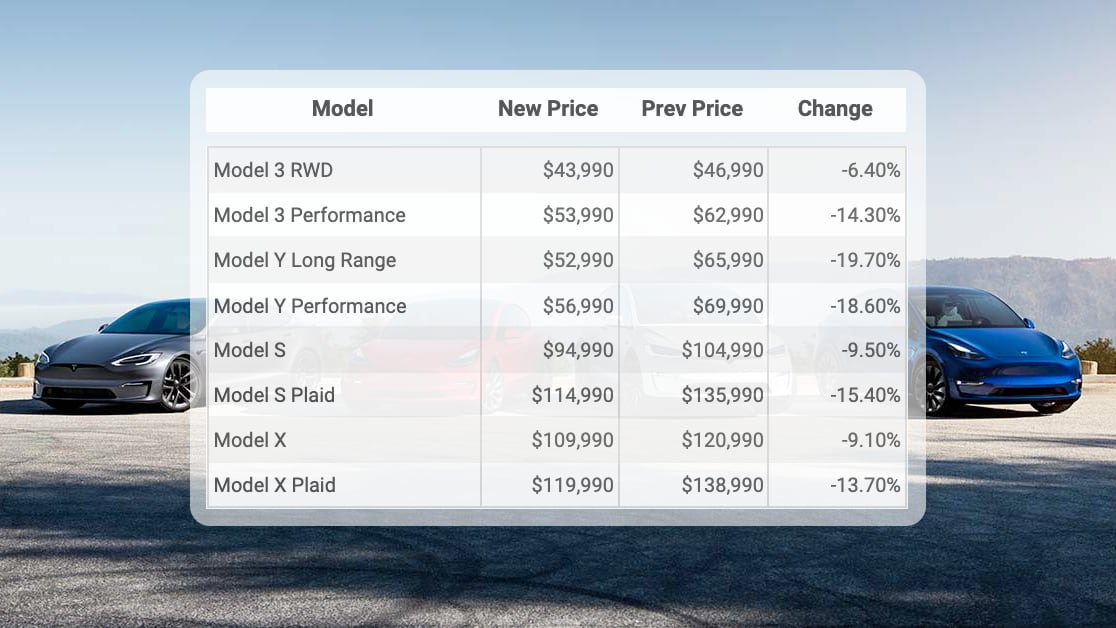
Understanding the upfront cost of a new Tesla begins with its base models and the various configurations that can significantly alter the final price tag. Tesla’s direct-to-consumer sales model means transparency in pricing, but it’s crucial to differentiate between the advertised starting price and the actual cost of a customized vehicle.
Base Models and Their Starting Points
Tesla offers a range of vehicles, each catering to different needs and budgets, with their pricing reflecting their segment and capabilities.
- Model 3: Often considered Tesla’s entry-level sedan, the Model 3 typically starts at the lowest price point. It offers a balance of performance, range, and affordability, making it the most accessible new Tesla for many buyers.
- Model Y: As a compact SUV, the Model Y builds on the Model 3 platform but offers more cargo space and a slightly higher ride height. Its versatility and family-friendly appeal place it at a higher starting price than the Model 3.
- Model S: The flagship sedan, the Model S, represents the pinnacle of Tesla’s luxury and performance offerings. With longer ranges, quicker acceleration, and premium features, its base price is substantially higher than the Model 3 and Y.
- Model X: Tesla’s premium SUV, the Model X, is known for its distinctive Falcon Wing doors and generous interior space. It shares much of the advanced technology and luxury of the Model S, commanding a similar high-end price.
It’s vital to remember that these are merely starting points. The journey from the base model to a fully configured vehicle can involve substantial financial additions.
The Impact of Performance and Range Upgrades
Tesla’s vehicles often come in different variants, such as “Rear-Wheel Drive,” “Long Range,” and “Performance.” These designations directly correlate with battery capacity, motor configuration, and, consequently, price. Opting for a Long Range model, for instance, adds a significant premium over the standard range variant due to the larger battery pack and extended driving capability. Similarly, choosing a Performance model, which includes upgraded motors, brakes, and suspension, will further increase the cost, reflecting its superior acceleration and handling. These upgrades are not just about speed; they often enhance the driving experience and practicality, but they also represent a considerable step up in investment.
Software Enhancements: Full Self-Driving and Premium Connectivity
Unlike traditional vehicle upgrades, Tesla offers significant software-based enhancements that carry their own price tags.
- Full Self-Driving (FSD) Capability: This is arguably the most significant optional upgrade. While all Teslas come with basic Autopilot features, FSD capability promises advanced driver-assistance systems, including navigation on Autopilot, automatic lane changes, auto park, summon, and traffic light and stop sign control. The price for FSD has historically been substantial, and it can be purchased upfront or as a monthly subscription. Buyers must weigh the financial outlay against the perceived value and future capabilities of this evolving technology. It’s a significant investment in potential future autonomy, but one that comes with a hefty price tag.
- Premium Connectivity: This subscription service enhances the in-car experience with features like satellite-view maps, live traffic visualization, video streaming, music streaming, and an internet browser. While a basic level of connectivity is usually included, the premium service provides a richer digital experience, often after an initial trial period, requiring a recurring monthly fee.
Beyond the Showroom: Unpacking Additional Costs and Potential Savings
The sticker price is just the beginning. Several other factors contribute to the total financial outlay for a new Tesla, some of which are unavoidable, while others offer opportunities for savings.
Essential Add-Ons: Paint, Wheels, and Interior Upgrades
Even before considering performance, personalization adds to the cost. While basic colors are often included, premium paint options typically carry an extra charge. Similarly, upgrading from standard wheels to larger, more stylish designs can add hundreds or even thousands to the price. Interior choices, such as selecting a white interior over black, can also introduce an additional cost. These aesthetic choices are entirely optional but are frequently chosen by buyers looking to customize their vehicle, leading to a higher final price.
Registration, Taxes, and Delivery Fees
These are often overlooked but compulsory costs.
- Sales Tax: The largest additional cost is usually sales tax, which varies significantly by state and locality. This tax is calculated on the total purchase price of the vehicle, including any selected upgrades.
- Registration and Licensing Fees: Every new vehicle must be registered and licensed, incurring fees that vary by jurisdiction. Some states also charge specific EV registration fees.
- Destination/Delivery Fee: Tesla, like other automakers, charges a non-negotiable destination or delivery fee to cover the cost of transporting the vehicle from the factory to the delivery center. This fee is standard across all models.
Government Incentives and Tax Credits: A Potential Game Changer
One of the most significant financial advantages of purchasing an EV, particularly a Tesla, can be government incentives.
- Federal Tax Credits: In the United States, certain electric vehicles may qualify for federal tax credits. These credits can reduce a buyer’s federal tax liability, potentially saving thousands of dollars. However, the eligibility criteria can be complex, involving factors like vehicle manufacturing location, battery component sourcing, and the buyer’s adjusted gross income. It’s crucial for prospective buyers to research the current federal guidelines and their personal eligibility at the time of purchase, as these rules are subject to change.
- State and Local Incentives: Many states and local municipalities offer additional incentives for EV purchases, which can include rebates, tax credits, or even exemptions from certain taxes or fees. These can range from a few hundred to several thousand dollars and are designed to accelerate EV adoption. Combining federal, state, and local incentives can significantly reduce the effective purchase price of a new Tesla.
Insurance Premiums: A Crucial Consideration for EVs
Insuring a Tesla can be more expensive than insuring a comparable gasoline-powered vehicle for several reasons. Teslas often have higher repair costs due to their advanced technology, specialized components, and unique aluminum body structures. Their performance capabilities and the demographic of their typical owners can also influence premiums. Buyers should obtain insurance quotes before finalizing their purchase to factor this ongoing cost into their financial planning. It’s a recurring expense that can vary widely based on the model, the driver’s history, location, and the chosen insurance provider.
Navigating Financing and Payment Options
Once the total cost is established, the next financial hurdle is determining how to pay for the vehicle. Tesla, along with traditional financial institutions, offers various avenues.
Tesla’s Financing and Leasing Programs
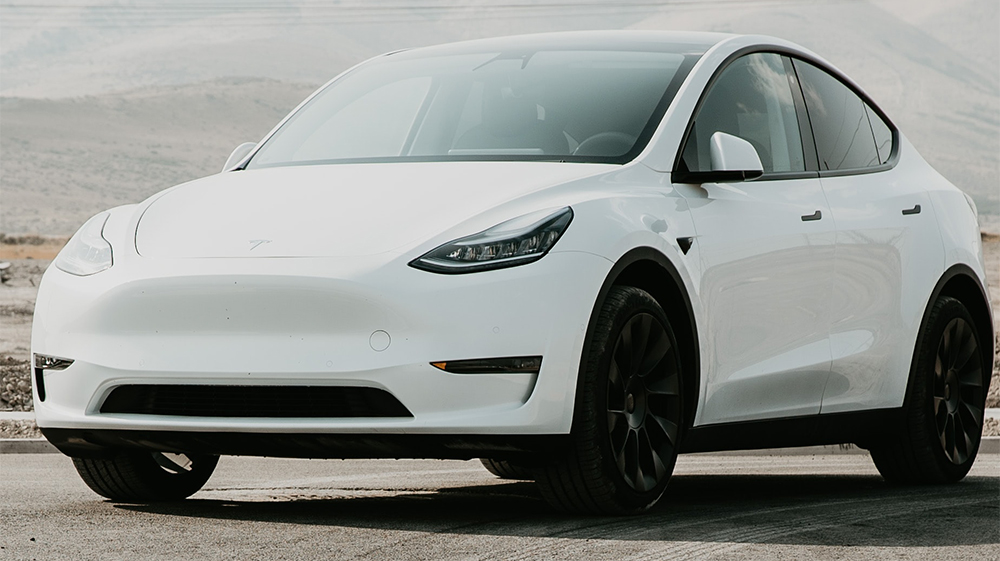
Tesla provides its own financing options, often through partnerships with banks and credit unions.
- Tesla Loans: Buyers can apply for a loan directly through Tesla’s website. The application process is integrated into the ordering system, offering convenience and potentially competitive rates. Loan terms typically range from 36 to 72 months, allowing buyers to choose a payment plan that fits their budget.
- Tesla Leasing: Leasing offers a different financial approach, allowing drivers to use a new Tesla for a set period (typically 24 to 36 months) and mileage limit, without the long-term commitment of ownership. Lease payments are generally lower than loan payments because you’re only paying for the depreciation of the vehicle during your lease term, not its full purchase price. At the end of the lease, you return the car or have the option to upgrade to a newer model. However, Tesla leases often do not include a purchase option at the end of the term, which is an important distinction from many other manufacturers.
Traditional Loans: Banks and Credit Unions
Many buyers prefer to secure an auto loan through their own bank or a credit union. These institutions often offer competitive interest rates and flexible terms. Pre-approval from your bank or credit union can provide clarity on your budget before you configure your Tesla, giving you stronger negotiating power (though Tesla’s prices are non-negotiable, pre-approval simplifies the financial step). Comparing rates from multiple lenders is always a wise financial practice.
Weighing Leasing vs. Buying: A Financial Perspective
The choice between leasing and buying depends heavily on individual financial goals and driving habits.
- Buying (Financing): Offers full ownership, no mileage restrictions, and the ability to customize or modify the vehicle without penalty. While monthly payments are typically higher, you build equity, and eventually, the car is yours free and clear. It’s generally better for those who drive many miles, plan to keep the car for a long time, or want to resell it later.
- Leasing: Ideal for those who enjoy driving a new car every few years, prefer lower monthly payments, and don’t want the hassle of selling a used vehicle. However, mileage limits can incur penalties, and there’s no equity built. It’s often suitable for businesses or individuals who can write off lease payments or prefer predictable, lower monthly expenses. Given Tesla’s no-purchase-option policy on leases, this route means you will never own the car, which is a significant financial consideration.
The Long-Term Financial Horizon: Ownership and Resale
The true cost of a new Tesla extends far beyond the initial purchase and financing. Long-term ownership involves ongoing expenses and potential future value.
Fuel Savings vs. Charging Costs: The Electric Advantage
One of the most touted financial benefits of an EV is the elimination of gasoline costs.
- Fuel Savings: For individuals driving significant distances, the savings from not buying gasoline can be substantial over the lifetime of the vehicle. Electricity is generally cheaper per mile than gasoline, especially when charging at home during off-peak hours.
- Charging Costs: While gas stations are replaced by charging stations, electricity isn’t free. Home charging requires paying for electricity, and public fast-charging networks (like Tesla’s Supercharger network) come with per-kWh or per-minute fees. While still typically cheaper than gasoline, these costs need to be budgeted. The cost effectiveness of home charging vs. public charging is a key consideration.
Maintenance and Service: Simplicity vs. Complexity
EVs generally have fewer moving parts than internal combustion engine (ICE) vehicles, which can translate to lower maintenance costs over time. There’s no oil to change, no spark plugs, no complex exhaust systems, and fewer belts and pulleys. However, specific EV components, like battery packs and electric motors, can be expensive to repair or replace if issues arise, though such occurrences are relatively rare. Tesla’s service model, which includes mobile service appointments, aims to streamline maintenance. Routine service might include tire rotations, brake fluid checks (though regenerative braking reduces brake wear), and cabin air filter replacements.
Depreciation and Resale Value: Protecting Your Investment
Like all vehicles, Teslas depreciate over time. However, their resale value has historically been strong compared to many ICE vehicles, partly due to demand, brand appeal, and evolving battery technology. The rapid pace of technological advancement, especially in battery range and charging speeds, means newer models often offer significant improvements, which can impact the value of older models. Factors like mileage, condition, and the inclusion of FSD (which may or may not transfer value effectively) all play a role in resale value. For those considering an investment, monitoring market trends for used Teslas is crucial.
Home Charging Infrastructure: An Upfront Investment for Long-Term Convenience
To fully leverage the financial benefits of home charging, many Tesla owners invest in a dedicated Level 2 charging solution, such as the Tesla Wall Connector, installed in their garage or driveway. The cost of installation, including wiring upgrades if necessary, can range from a few hundred to over a thousand dollars. While an upfront expense, this infrastructure provides the most convenient and cost-effective way to keep your Tesla charged, maximizing the savings over public charging.
Is a New Tesla a Sound Financial Investment for You?
Ultimately, the decision to purchase a new Tesla is a personal one, heavily influenced by individual financial circumstances and priorities. Understanding the full financial picture is paramount.
Assessing Your Budget and Lifestyle
Before committing, a thorough assessment of your personal budget is essential. Can you comfortably afford the monthly payments (loan or lease), insurance premiums, and estimated charging costs? Does your driving pattern justify the premium for longer range models, or would a standard range suffice? Do you have access to convenient and affordable charging, either at home or work? Consider the total cost of ownership over several years, not just the initial purchase price. For those with long commutes or a desire to significantly reduce their carbon footprint, the long-term fuel savings and environmental benefits can make the financial trade-off worthwhile.
The Environmental and Social Value Proposition
While this article focuses on the “Money” aspect, it’s worth a brief mention that for many buyers, the financial calculations are also intertwined with a desire for environmental stewardship. Government incentives often reflect a societal push towards cleaner transportation, making the financially savvy choice also an environmentally conscious one. The pride of ownership and contribution to a sustainable future, while not directly monetary, adds intangible value that can influence the financial decision-making process for some.
Future-Proofing Your Transportation
Investing in a new Tesla can be seen as future-proofing your transportation. With the global shift towards electric vehicles accelerating, owning a Tesla places you at the forefront of this transition. While technology evolves rapidly, Tesla’s commitment to over-the-air software updates means that your vehicle can receive new features and improvements long after purchase, potentially extending its functional lifespan and maintaining its appeal, which can indirectly contribute to its long-term financial viability.
In conclusion, the question “how much new Tesla” is multifaceted. It involves not just the immediate price tag, but a comprehensive financial analysis of base costs, optional upgrades, government incentives, taxes, insurance, financing, and long-term ownership expenses like charging and maintenance. By meticulously calculating these various financial components, prospective buyers can make an informed decision that aligns with their budget, lifestyle, and financial objectives, ensuring their investment in a new Tesla is a sound one.
aViewFromTheCave is a participant in the Amazon Services LLC Associates Program, an affiliate advertising program designed to provide a means for sites to earn advertising fees by advertising and linking to Amazon.com. Amazon, the Amazon logo, AmazonSupply, and the AmazonSupply logo are trademarks of Amazon.com, Inc. or its affiliates. As an Amazon Associate we earn affiliate commissions from qualifying purchases.