
In an era defined by rapid technological advancement and a growing environmental consciousness, Tesla has emerged as a symbol of innovation, sustainability, and aspirational luxury. The allure of its sleek design, cutting-edge technology, and unparalleled performance has captivated millions worldwide. However, for many prospective buyers, the primary question isn’t about the autopilot’s capabilities or the range anxiety, but rather the fundamental financial commitment: “How much does a Tesla cost?” This seemingly simple query opens a Pandora’s box of financial considerations that extend far beyond the initial sticker price. Understanding the true cost of a Tesla requires a comprehensive look into its purchase price, ongoing ownership expenses, financing implications, and long-term value proposition, all within the context of sound personal finance.
The Initial Sticker Price: More Than Just a Number
The journey to owning a Tesla begins with its base price, which varies significantly across models and configurations. However, this figure is merely the tip of the iceberg, influenced by a myriad of factors including optional upgrades, trim levels, and regional incentives.
Model-Specific Pricing and Trim Levels
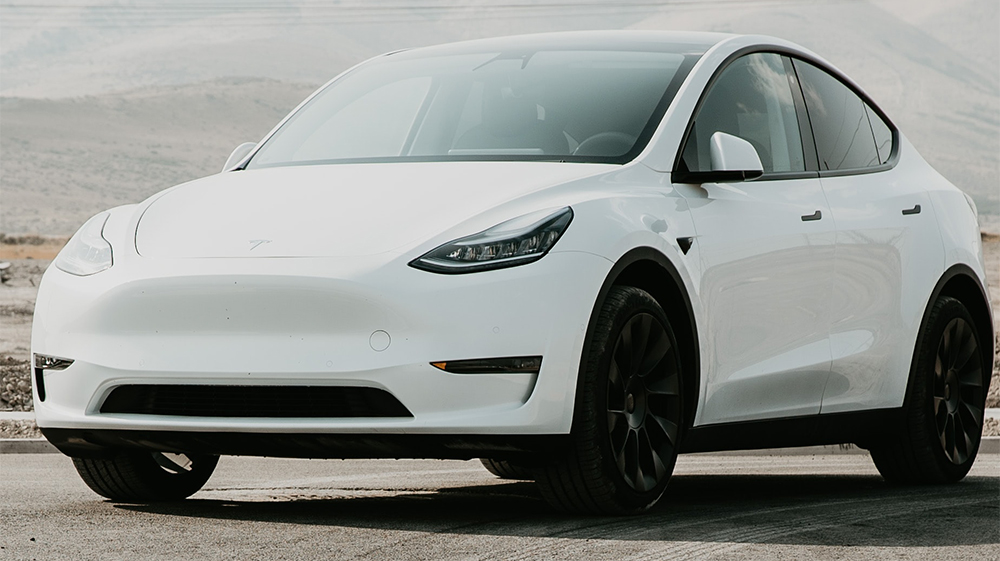
Tesla’s diverse lineup caters to different segments of the market, each with its distinct price point. The entry-level Model 3, often considered the most accessible, starts at a price that rivals many premium internal combustion engine (ICE) sedans. Moving up, the Model Y offers an SUV form factor with a slightly higher starting price. The flagship Model S and Model X, renowned for their performance, luxury, and longer range, command significantly higher prices, positioning them firmly in the luxury vehicle segment. The revolutionary Cybertruck, with its unique design and robust capabilities, introduces another price bracket, challenging traditional truck markets.
Within each model, buyers face choices between different performance variants (e.g., Rear-Wheel Drive, Long Range, Performance) and battery capacities, which directly impact the base price. For instance, opting for the “Long Range” variant almost always adds a substantial premium over the standard range. These choices are not just about features but represent a direct investment in increased utility and capability, impacting both the upfront cost and, potentially, the resale value.
Optional Upgrades and Enhancements
Beyond the core model and trim, Tesla offers a suite of optional upgrades that can quickly inflate the final purchase price. These include premium paint colors, larger wheels, interior upgrades, and, most notably, enhanced driver-assistance features like “Enhanced Autopilot” or the “Full Self-Driving (FSD) Capability.” While FSD promises a future of autonomous driving, its current cost is a significant lump sum addition, making it one of the most substantial optional expenses. Financially, prospective owners must weigh the immediate cost against the perceived long-term utility and enjoyment these features provide, and critically, how they impact the vehicle’s resale value in a rapidly evolving tech landscape.
Government Incentives and Tax Credits
One of the most appealing aspects of purchasing an electric vehicle (EV) like a Tesla, from a financial perspective, is the availability of government incentives. Many countries, states, and even local municipalities offer tax credits, rebates, or grants to encourage EV adoption. These incentives can significantly reduce the effective purchase price. For instance, the U.S. federal tax credit, while subject to income limitations and vehicle manufacturing requirements (like battery component sourcing), can offer thousands of dollars back to eligible buyers. Similarly, state-level rebates, sales tax exemptions, or access to high-occupancy vehicle (HOV) lanes can further sweeten the deal. Navigating these incentives requires careful research, as eligibility criteria can change, and some credits are phased out once a manufacturer sells a certain number of EVs. From a financial planning standpoint, understanding and correctly applying for these incentives is crucial for optimizing the total cost of acquisition.
Beyond the Purchase: Ongoing Ownership Costs
The financial commitment to a Tesla doesn’t end with the purchase price. Like any vehicle, ongoing operational costs contribute significantly to the total cost of ownership (TCO). However, the nature of these costs differs notably from traditional gasoline-powered cars, offering both savings and unique expenses.
Charging Costs vs. Fuel
One of the most frequently cited financial benefits of owning an EV is the reduced “fuel” cost. Electricity, especially when charging at home during off-peak hours, is typically far cheaper per mile than gasoline. The cost of charging a Tesla can vary widely based on electricity rates in your region, whether you primarily charge at home, work, or use Tesla’s Supercharger network. While home charging offers the lowest cost, Supercharging, designed for long-distance travel, is more expensive but still generally competitive with gasoline. Financially savvy owners often invest in a home charging solution (e.g., Wall Connector installation) and optimize their charging schedules to take advantage of lower electricity rates, realizing substantial long-term savings compared to fueling an ICE vehicle. This shift from volatile gas prices to more stable, often lower, electricity costs represents a fundamental change in personal transportation budgeting.
Insurance Premiums for EVs
Insurance is a non-negotiable expense for any vehicle, and Teslas, being high-performance, technologically advanced, and often premium vehicles, tend to command higher insurance premiums. Several factors contribute to this: the higher initial purchase price, the cost and complexity of repairing advanced technology and specialized components (like battery packs), and the perception of higher risk due to their performance capabilities. Insurance companies assess risk differently, so quotes can vary significantly. Financial planning for a Tesla must include budgeting for potentially higher insurance costs, and it’s advisable to obtain quotes before purchase to avoid an unwelcome surprise. Exploring policies specifically designed for EVs or multi-car discounts can sometimes mitigate these costs.
Maintenance and Repairs: A Different Landscape
EVs generally have fewer moving parts than ICE vehicles, which translates to reduced routine maintenance requirements. There’s no oil to change, spark plugs to replace, or complex exhaust systems to maintain. However, EVs still require maintenance for tires, brakes (though regenerative braking reduces wear), suspension, and cabin air filters. Teslas, with their sophisticated software and components, might also require specialized diagnostics or repairs that can be more costly. The battery, while designed for longevity, is a high-value component, and any issues outside of warranty could be expensive. Financially, owners should factor in these unique maintenance profiles. While regular costs might be lower, potential high-cost repairs, though infrequent, necessitate an emergency fund or extended warranty consideration.
Software Subscriptions and Connectivity
Tesla’s integrated ecosystem includes an “Premium Connectivity” package, which offers features like live traffic visualization, satellite-view maps, video streaming, and internet browsing directly from the car’s infotainment system. After an initial free trial, this service typically requires a monthly subscription. While not mandatory for driving, it enhances the user experience and is a recurring financial commitment. Additionally, any future software features or upgrades might be offered as one-time purchases or subscription services, adding another layer to the long-term cost of ownership. From a personal finance perspective, these subscriptions should be treated like any other monthly utility and budgeted accordingly.
The Resale Value and Long-Term Depreciation

The long-term financial viability of any vehicle investment hinges significantly on its depreciation rate and resale value. Teslas have historically demonstrated strong resale values, often outperforming many luxury ICE vehicles, but the EV market is dynamic.
EV Market Trends and Tesla’s Position
Tesla’s early dominance in the EV market, coupled with high demand and limited supply, contributed to excellent resale values. However, as more automakers enter the EV space with compelling models, competition is intensifying. This increased supply, combined with Tesla’s own price adjustments and frequent software updates that can make older models feel dated, could influence future depreciation curves. Financially, while a Tesla might hold its value better than some, it’s crucial to consider the evolving market landscape. Investing in features that remain relevant, and maintaining the vehicle well, are key strategies for maximizing resale.
Battery Degradation Concerns
One of the most common concerns regarding EV resale value is battery degradation. Over time and use, an EV’s battery capacity can slightly decrease, affecting its range. While Tesla’s batteries are designed for longevity and come with substantial warranties, potential buyers of used EVs often scrutinize battery health. Significant degradation could negatively impact resale value. From a financial perspective, understanding Tesla’s battery warranty (typically 8 years/100,000-150,000 miles, depending on the model) and maintaining good charging habits can help mitigate this risk and protect the vehicle’s long-term value.
The Impact of New Models and Technology
Tesla’s rapid innovation cycle means new models, refreshed designs, and significant software updates are regular occurrences. This constant evolution can, paradoxically, accelerate the perceived obsolescence of older models, potentially impacting their resale value. For instance, a vehicle without the latest hardware for a particular driver-assistance feature might be less attractive to a future buyer. Financially, this means a Tesla purchase should be viewed not just as a static asset, but one within a rapidly advancing technological ecosystem. Those prioritizing long-term value might consider buying closer to a model refresh or understanding which features are likely to retain their value.
Financing a Tesla: Strategies and Considerations
For most individuals, purchasing a Tesla involves financing. Understanding the various options and their financial implications is critical for making a fiscally responsible decision.
Loans vs. Leases
The choice between a loan (financing a purchase) and a lease often comes down to personal financial goals and usage patterns.
- Loans: When you finance a Tesla with a loan, you eventually own the vehicle. This means you build equity, and at the end of the loan term, you have no further payments. This option is typically preferred by those who want to keep the car for many years, customize it, or accumulate miles without penalty. Financially, it offers a long-term asset, but requires a higher monthly payment or a larger down payment.
- Leases: Leasing involves paying for the depreciation of the vehicle over a set period, usually 2-4 years. Monthly payments are generally lower than loan payments, and you typically return the car at the end of the lease. This is appealing for those who prefer to drive a new car every few years, desire lower monthly costs, or want to avoid the complexities of resale. However, leases come with mileage restrictions and penalties for excessive wear, and you don’t build equity. From a financial perspective, leasing offers flexibility but no asset ownership.
Down Payments and Interest Rates
The size of your down payment directly impacts your monthly loan payments and the total interest paid over the life of the loan. A larger down payment reduces the principal amount borrowed, leading to lower monthly installments and significant savings on interest. Interest rates, influenced by credit score, loan term, and prevailing market conditions, are another critical financial lever. Even a seemingly small difference in interest rate can amount to thousands of dollars over a 5-7 year loan term. Shopping around for the best financing rates from multiple lenders, including Tesla’s preferred partners and external banks, is a fundamental step in optimizing the financial burden of a Tesla. A strong credit history is your greatest asset here.
Total Cost of Ownership (TCO) Calculation
Beyond the monthly payments, a comprehensive TCO calculation is essential for truly understanding the financial commitment. This involves summing up the initial purchase price (adjusted for incentives), financing costs (interest), insurance, charging costs, maintenance, potential software subscriptions, and depreciation over your intended ownership period. Comparing this TCO with that of equivalent ICE vehicles provides a clear financial picture. Often, while the initial purchase price of an EV might be higher, the lower operational costs (fuel/charging, maintenance) can result in a comparable or even lower TCO over several years. Utilizing online TCO calculators and personal finance tools specifically designed for vehicle comparisons can offer invaluable insights.
Is a Tesla a Financially Prudent Investment?
The question of whether a Tesla is a financially prudent investment is complex and depends heavily on individual circumstances, priorities, and financial goals.
Comparing TCO with ICE Vehicles
For many, the financial calculus boils down to comparing the total cost of ownership of a Tesla against a comparable ICE vehicle. While Teslas often have a higher upfront cost, their lower “fuel” costs, reduced routine maintenance, and potential tax credits can offset this premium over time. For high-mileage drivers, the savings on gasoline alone can be substantial. However, the higher insurance premiums and potential for costly specialized repairs must also be factored in. For those in regions with high electricity costs or limited access to home charging, the financial benefits of an EV might be less pronounced. A diligent TCO analysis, tailored to your specific driving habits and local costs, is the only way to arrive at an accurate comparison.
Environmental vs. Economic Returns
For many Tesla buyers, the decision isn’t purely economic. There’s a significant environmental component, driven by a desire to reduce carbon footprint and embrace sustainable technology. While the economic returns of owning an EV can be compelling, the intrinsic value placed on environmental responsibility often plays a substantial role. From a financial advisor’s perspective, this means acknowledging that “return on investment” isn’t always measured solely in monetary terms; it can also include social and environmental dividends. However, it’s crucial for buyers to distinguish between their financial capacity and their environmental aspirations to make a balanced decision.

Personal Financial Planning and Affordability
Ultimately, the decision to purchase a Tesla, or any significant asset, must align with one’s personal financial plan and overall affordability. Can you comfortably afford the down payment, monthly payments (loan or lease), insurance, and ongoing operational costs without straining your budget? Does it fit within your broader financial goals, such as saving for retirement, a home, or education? A Tesla is a depreciating asset, not a financial investment that generates returns (unless used for business purposes like ride-sharing). Therefore, it should be purchased from a position of financial strength, not aspiration that leads to overextension. Consulting with a financial advisor to integrate such a significant purchase into your long-term financial strategy is a wise step, ensuring that the dream of owning a Tesla doesn’t become a financial burden.
In conclusion, answering “How much does a Tesla cost?” is far more intricate than quoting a price tag. It involves a deep dive into base costs, optional extras, government incentives, recurring operational expenses, long-term depreciation, and savvy financing strategies. While the initial investment can be substantial, a comprehensive financial analysis often reveals a nuanced picture of value and savings, making a Tesla a financially justifiable choice for many, provided it aligns with their personal financial capacity and strategic planning.
aViewFromTheCave is a participant in the Amazon Services LLC Associates Program, an affiliate advertising program designed to provide a means for sites to earn advertising fees by advertising and linking to Amazon.com. Amazon, the Amazon logo, AmazonSupply, and the AmazonSupply logo are trademarks of Amazon.com, Inc. or its affiliates. As an Amazon Associate we earn affiliate commissions from qualifying purchases.