
The question “What is Facebook share price?” is more than just a query about a real-time ticker; it’s an inquiry into the financial heartbeat of one of the world’s most influential technology companies, now known as Meta Platforms, Inc. Understanding the share price of a giant like Meta provides a window into broader market dynamics, investor sentiment, and the complex interplay of financial performance, technological innovation, and macroeconomic forces. For anyone interested in personal finance, investing, or business finance, dissecting Meta’s share price offers invaluable insights into the mechanics of the stock market and the valuation of publicly traded entities.
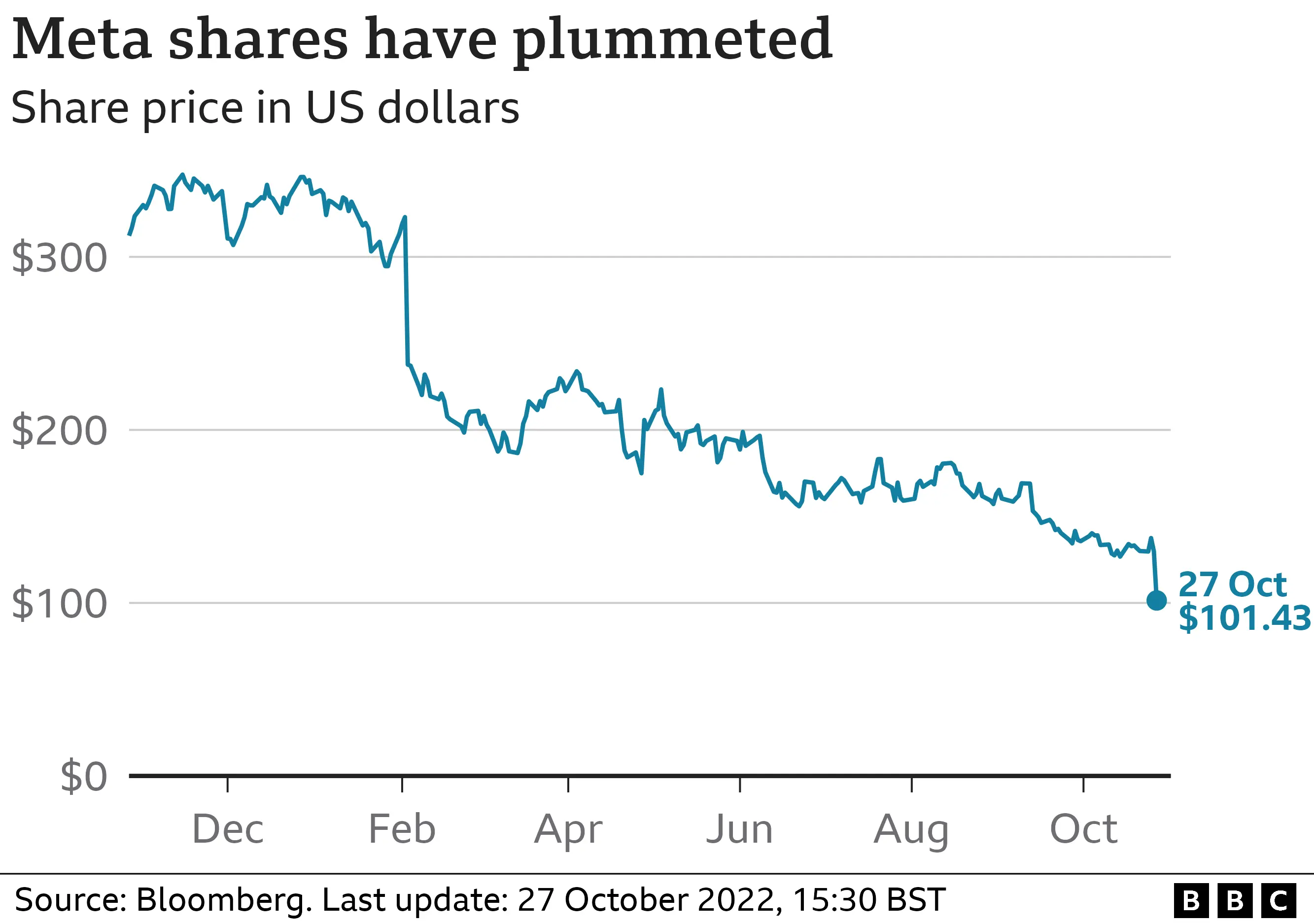
Understanding Share Price in the Modern Economy
At its core, a share price represents the current market value of a single unit of ownership in a publicly traded company. When you ask about “Facebook share price,” you’re essentially asking for the price at which investors are willing to buy or sell a portion of Meta Platforms, Inc. at any given moment. This price is not static; it’s a dynamic figure that reflects a constant negotiation between buyers and sellers on global stock exchanges.
The Basics of Stock Ownership
Owning a share means you own a tiny fraction of the company. As a shareholder, you become a partial owner, entitled to certain rights, such as voting on company matters (for common shares) and potentially receiving dividends if the company distributes a portion of its profits. The aggregate value of all outstanding shares in a company is known as its “market capitalization,” a key metric used by investors to gauge a company’s size. For Meta, with its vast number of shares, its market capitalization places it among the largest corporations globally, often fluctuating in the hundreds of billions, or even trillions, of dollars. This sheer scale means its share price movements can significantly impact major stock indices and investor portfolios worldwide.
Why Share Prices Fluctuate
Share prices are in a constant state of flux, moving up and down based on a myriad of factors. The primary driver is often the perceived future earnings potential of the company. If investors believe a company will generate higher profits in the future, demand for its shares tends to increase, pushing the price up. Conversely, if future prospects dim, demand might wane, leading to a price drop. This forward-looking nature makes stock valuation an art as much as a science, balancing historical performance with future expectations.
The Role of Supply and Demand
The fundamental economic principles of supply and demand are central to how share prices are determined. When there are more buyers than sellers for Meta’s stock, the demand outstrips the supply, and the price rises. Conversely, when more investors want to sell than buy, supply exceeds demand, and the price falls. This balance is influenced by news, financial reports, analyst recommendations, broader economic indicators, and even geopolitical events. High trading volume often accompanies significant price movements, indicating strong conviction from either buyers or sellers. For a highly liquid stock like Meta, millions of shares can change hands daily, reflecting a continuous battle between bullish and bearish sentiments.
Deconstructing Meta Platforms (Facebook) Share Price
To truly understand Meta’s share price, one must look beyond the real-time ticker and delve into the specific drivers that influence its valuation. From its explosive IPO to its rebranding and strategic pivots, Meta’s journey offers a rich case study for financial analysis.
Historical Context: From IPO to Tech Giant
Facebook went public in May 2012 with one of the most anticipated IPOs in history. Its initial share price of $38 quickly saw volatility, reflecting both immense investor enthusiasm and concerns about its ability to monetize mobile usage. Over the years, the company demonstrated incredible growth, fueled by its dominant social media platforms (Facebook, Instagram, WhatsApp) and a highly effective advertising model. This consistent growth translated into a significant appreciation of its share price, making it a darling of growth investors. The strategic rebranding to Meta Platforms in October 2021 signaled a major shift, investing heavily in the metaverse, a move that introduced both new growth potential and considerable financial risk, impacting investor perceptions and, consequently, its share price.
Key Financial Metrics Influencing Meta’s Stock
Investors evaluate Meta’s share price using a suite of financial metrics:
- Revenue Growth: Meta’s ability to consistently grow its top-line revenue, primarily from digital advertising, is a critical indicator. Any slowdown can trigger investor concern.
- Profitability (Net Income & EPS): Earnings Per Share (EPS) is closely watched. Higher EPS generally signals a more profitable company, which can justify a higher share price.
- Cash Flow: Strong free cash flow indicates a company’s ability to fund operations, invest in growth, and potentially return capital to shareholders. Meta’s robust cash generation has historically been a significant strength.
- Valuation Ratios: Metrics like the Price-to-Earnings (P/E) ratio and Price-to-Sales (P/S) ratio help investors compare Meta’s valuation against its historical performance and industry peers. A high P/E might suggest investors expect high future growth, while a low P/E could indicate undervaluation or skepticism.
- User Growth: While not directly a financial metric, the growth and engagement of Meta’s Family of Apps (FoA) users directly correlate with its advertising revenue potential, making it a key performance indicator closely tracked by the market.
Market Sentiment and Brand Perception’s Impact
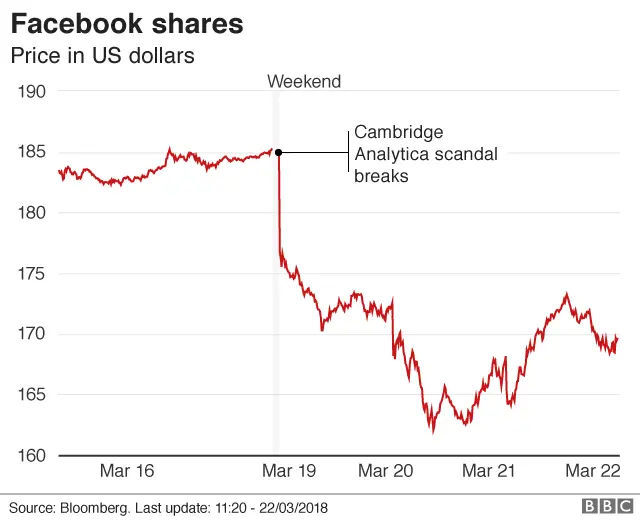
Beyond raw numbers, market sentiment and brand perception play a surprisingly large role in Meta’s share price. Positive news—like strong earnings reports, successful product launches, or favorable regulatory developments—can boost confidence and drive the price up. Conversely, negative headlines—such as data privacy scandals, antitrust investigations, or concerns about content moderation—can erode trust, lead to selling pressure, and depress the share price. The company’s public image and the sentiment of the broader investment community are powerful, often emotional, forces that can sway millions of dollars in market capitalization within minutes.
Factors Beyond Fundamentals: The Broader Market and Macroeconomics
While Meta’s specific financial performance is crucial, its share price doesn’t exist in a vacuum. Broader economic trends and the performance of the wider technology sector exert considerable influence.
Sectoral Trends and Competition (Big Tech Landscape)
Meta operates within the highly competitive “Big Tech” landscape. Trends affecting the tech sector as a whole—like shifts in digital advertising spend, the rise of new platforms (e.g., TikTok), or evolving consumer behaviors—can impact Meta. Competition from other advertising giants (Google, Amazon) or social media rivals constantly pressures Meta to innovate and retain its user base and advertiser spend. An industry-wide slowdown or a significant competitive threat can suppress Meta’s stock even if its individual performance is relatively strong.
Interest Rates, Inflation, and Global Events
Macroeconomic factors wield significant power over stock valuations, especially for growth stocks like Meta. Rising interest rates, for instance, can make future earnings less attractive when discounted back to the present, putting downward pressure on high-growth companies that promise substantial profits far into the future. High inflation can increase operational costs and reduce consumer discretionary spending, impacting advertising budgets. Global events such as recessions, geopolitical conflicts, or even pandemics can trigger widespread market volatility, causing investors to flee riskier assets like growth stocks in favor of safer havens, irrespective of Meta’s specific health.
Regulatory Scrutiny and Its Financial Implications
Meta has faced intense regulatory scrutiny globally, particularly concerning data privacy, antitrust issues, and content moderation. Potential regulations, fines, or mandated changes to its business model can have direct financial implications, increasing operational costs, limiting growth avenues, or even forcing divestitures. The market often prices in these risks, meaning that ongoing regulatory uncertainty can act as a drag on Meta’s share price, as investors factor in potential future liabilities or restrictions.
Investing in Meta: Strategies and Considerations
For investors contemplating an investment in Meta Platforms, understanding its share price involves more than just observation; it requires strategic thinking and an awareness of various investment approaches.
Fundamental vs. Technical Analysis
- Fundamental Analysis: This involves examining Meta’s intrinsic value by evaluating its financial statements, management quality, competitive advantages, industry position, and macroeconomic factors. Investors using this approach would analyze Meta’s revenue growth, profit margins, cash flow, and future growth prospects to determine if the current share price accurately reflects the company’s true worth. They might look at metrics like Free Cash Flow Yield or Enterprise Value to EBITDA to gain deeper insights.
- Technical Analysis: This approach focuses on past price movements and trading volumes to predict future price direction. Technical analysts look for patterns, trends, and indicators on Meta’s stock charts to identify potential entry and exit points. While it doesn’t consider the company’s financial health directly, it assumes that all relevant information is already reflected in the price.
Diversification and Risk Management
Investing in any single stock, even a large one like Meta, carries inherent risks. A core principle of sound investing is diversification—spreading investments across various asset classes, industries, and geographies to mitigate the impact of poor performance from any single investment. For those interested in tech, diversifying beyond Meta to include other tech giants, smaller innovative companies, or even tech-focused ETFs can help manage risk. Understanding your personal risk tolerance is paramount; Meta’s share price can be volatile, requiring a temperament that can withstand significant fluctuations.
Long-Term vs. Short-Term Perspectives
Investors in Meta often fall into two camps:
- Long-Term Investors: These individuals believe in Meta’s long-term vision, particularly its investments in the metaverse, AI, and continued strength in digital advertising. They are less concerned with short-term price fluctuations and focus on the company’s ability to generate sustainable growth and value over several years or even decades. They might practice “buy and hold” strategies.
- Short-Term Traders: These individuals seek to profit from Meta’s immediate price movements, often using technical analysis or reacting to daily news. They may engage in day trading or swing trading, aiming for quick gains but also exposing themselves to higher risks.
The Future Outlook for Meta’s Share Price
Predicting the future share price of any company is speculative, but by examining Meta’s strategic initiatives and market positioning, we can identify key drivers that will likely influence its trajectory.
Metaverse Vision and Investment Returns
Meta’s ambitious pivot to the metaverse represents its biggest bet on future growth. Billions are being invested annually into Reality Labs, the division building VR/AR hardware and metaverse software. The market is keenly watching for signs that these investments will eventually yield substantial returns, potentially unlocking entirely new revenue streams and user engagement paradigms. Positive developments in metaverse adoption, technological breakthroughs, or clear monetization strategies could significantly re-rate Meta’s stock. Conversely, continued heavy losses without a clear path to profitability could weigh on its valuation.
Advertising Revenue Resilience and Growth
Despite the metaverse focus, Meta’s core business remains its vast digital advertising empire. The resilience and continued growth of this segment, particularly amidst evolving privacy regulations (like Apple’s App Tracking Transparency) and increased competition, are critical. Meta’s ability to innovate its ad products, leverage AI for better targeting, and expand into new markets will determine the health of its primary revenue engine and, by extension, its financial stability. A robust advertising business provides the capital necessary to fund its long-term metaverse ambitions.
Emerging Technologies and Competitive Edge
Beyond the metaverse, Meta is actively investing in other emerging technologies like AI, which has applications across its entire ecosystem, from content recommendations to advertising optimization. Its ability to integrate these technologies, maintain a competitive edge against rivals, and attract and retain top talent will be vital. The dynamic nature of the tech industry means continuous innovation is not just a growth driver but a necessity for survival. Success in these areas could cement Meta’s long-term relevance and drive shareholder value.
In conclusion, “what is Facebook share price” is a question with a complex answer, reflecting not just Meta Platforms’ financial health, but also broader economic trends, technological shifts, and investor psychology. For any individual or institutional investor, a holistic understanding of these interwoven factors is essential for making informed financial decisions in the ever-evolving world of stock market investing.
aViewFromTheCave is a participant in the Amazon Services LLC Associates Program, an affiliate advertising program designed to provide a means for sites to earn advertising fees by advertising and linking to Amazon.com. Amazon, the Amazon logo, AmazonSupply, and the AmazonSupply logo are trademarks of Amazon.com, Inc. or its affiliates. As an Amazon Associate we earn affiliate commissions from qualifying purchases.