
The question “what is FB stock price?” is a straightforward inquiry, yet its answer unfolds into a complex tapestry of market dynamics, corporate strategy, and investor sentiment. While seemingly a simple request for a real-time number, it delves deep into the heart of financial markets and the investing world. To truly understand “FB stock price,” one must move beyond the ticker symbol and explore the fundamental forces and strategic shifts that shape the valuation of one of the world’s most influential technology companies.
Firstly, it’s crucial to clarify a common point of confusion: while “FB” was the original ticker symbol for Facebook, the company underwent a significant rebranding in October 2021, changing its corporate name to Meta Platforms, Inc. Its primary stock ticker symbol also transitioned to “META.” Therefore, when discussing “FB stock price,” we are inherently discussing the stock price of Meta Platforms (NASDAQ: META), the parent company behind Facebook, Instagram, WhatsApp, Messenger, and its ambitious metaverse initiatives. This article will exclusively focus on answering this question from a financial perspective, providing a comprehensive guide for investors and those curious about the economics of Meta Platforms.

Decoding Meta Platforms (META) Stock: A Primer
Understanding the stock price of Meta Platforms begins with recognizing the fundamental shift the company has undergone and the mechanisms by which public companies are valued on the stock market. It’s not just a number; it’s a reflection of market expectations, financial performance, and future potential.
From Facebook to Meta: The Rebranding and its Financial Implications
The strategic pivot from Facebook to Meta Platforms was far more than a cosmetic name change; it represented a profound declaration of intent and a massive reallocation of corporate resources. Mark Zuckerberg’s vision for the metaverse – an immersive virtual world where users can interact, work, and play – became the company’s new North Star. This reorientation has significant financial implications.
For investors, the rebranding signaled a long-term investment in a speculative, unproven technology. While the core advertising business (Family of Apps) remains a highly profitable cash cow, the Reality Labs division, dedicated to building the metaverse, incurs substantial losses. This dual nature of the business creates a tension for investors: the stable, profitable present versus the costly, uncertain future. The stock price, therefore, began to factor in this dual reality, with market participants weighing the ongoing profitability against the enormous capital expenditures and the timeline for metaverse monetization. The shift impacted investor perception, attracting some who believe in the metaverse’s transformative potential while deterring others wary of the financial drain and execution risk.
How Stock Prices are Determined: Supply, Demand, and Valuation Metrics
A stock price, at its most basic, is the result of supply and demand in the open market. If more investors want to buy a stock than sell it, its price tends to rise. Conversely, if more want to sell, the price falls. However, these forces aren’t random; they are driven by investors’ perceptions of the company’s value, which is informed by various financial metrics and market conditions.
For Meta (META), key valuation metrics commonly considered include:
- Price-to-Earnings (P/E) Ratio: This ratio compares the company’s current share price to its earnings per share (EPS). A higher P/E often indicates that investors expect higher future growth, but it can also signal overvaluation.
- Market Capitalization: This is the total value of all a company’s outstanding shares (share price multiplied by the number of shares). It represents the market’s total valuation of the company.
- Revenue Growth: Investors look at how quickly a company’s sales are increasing. Consistent, strong revenue growth is often a positive signal.
- Profitability and Margins: Net income, operating income, and profit margins indicate how efficiently a company turns revenue into profit.
- Free Cash Flow (FCF): This measures the cash a company generates after accounting for cash outflows to support operations and maintain its capital assets. Strong FCF is vital for reinvestment, debt repayment, and shareholder returns.
When investors ask “what is FB stock price,” they are implicitly asking for the current consensus of the market on these underlying financial indicators and the company’s future prospects.
Key Factors Influencing META’s Stock Performance
Meta’s stock performance is a dynamic interplay of internal corporate strategy, industry trends, and broader economic conditions. Several critical factors consistently shape its valuation:
- Advertising Revenue: Meta’s bread and butter is its vast advertising business across Facebook, Instagram, and WhatsApp. Changes in digital ad spending, competition from platforms like TikTok, and shifts in advertising effectiveness directly impact its primary revenue stream.
- Metaverse Investments and Progress: The sheer scale of investment in Reality Labs (billions of dollars annually) means any perceived progress or setbacks in the metaverse vision, or changes in investment strategy, heavily sway investor confidence.
- Regulatory Environment: Meta operates under intense scrutiny regarding data privacy, antitrust concerns, and content moderation. Potential fines, regulatory restrictions, or forced divestitures pose significant risks to its business model and stock price.
- Competition: Beyond TikTok, Meta faces competition from other social media giants, e-commerce platforms, and emerging technologies that vie for user attention and advertising dollars.
- Macroeconomic Conditions: Broader economic trends, such as inflation, interest rates, and consumer spending patterns, significantly impact advertising budgets and investor appetite for growth stocks like Meta.
Understanding the Dynamics of META’s Stock Performance
To truly comprehend the “FB stock price” (i.e., META’s), one must delve deeper into the specific drivers that have fueled its growth, presented its challenges, and continue to shape its trajectory. These dynamics offer insights beyond simple numbers, explaining why the price fluctuates.
Ad Revenue Dominance and Future Growth Vectors
Meta’s advertising business has been an unparalleled success story, building a vast audience across multiple platforms and monetizing it effectively. Billions of users worldwide make Meta’s platforms indispensable for advertisers seeking reach and targeted engagement. The strength of its AI-powered ad systems has historically allowed for robust revenue growth and impressive profit margins.
However, growth in this segment isn’t guaranteed. Regulatory changes, such as Apple’s App Tracking Transparency (ATT) framework, have impacted Meta’s ability to target ads effectively, leading to significant revenue headwinds. Future growth vectors for the core business include continued innovation in ad formats (e.g., Reels monetization), expansion into new markets, and the integration of AI to enhance user engagement and advertiser ROI. The stock price reflects investor confidence in Meta’s ability to overcome these challenges and sustain robust growth in its foundational business.
The Metaverse Bet: Long-Term Vision vs. Short-Term Costs
The metaverse represents Meta’s most ambitious and capital-intensive bet. The Reality Labs division, responsible for developing virtual and augmented reality hardware and software, operates at a substantial loss. This investment is viewed by management as crucial for the company’s long-term relevance, aiming to build the next computing platform after mobile.
From a financial perspective, this creates a significant drag on current profitability. Investors must weigh the potential for a transformative, multi-trillion-dollar market in the distant future against the immediate financial burden. News regarding metaverse product launches (like Quest headsets), user adoption rates, partnerships, or delays significantly impacts investor sentiment and, consequently, the stock price. The “FB stock price” at any given moment is a snapshot of how the market is discounting this massive future potential against its current cost and uncertainty.
Regulatory Headwinds and Competitive Landscape
Meta operates in an increasingly scrutinized regulatory environment. Governments worldwide are concerned about data privacy, antitrust issues, platform power, and misinformation. Fines, mandated changes to business practices, or even threats of breaking up the company can have a profound negative impact on its stock price. Investors constantly monitor legislative developments and legal challenges, as these can fundamentally alter Meta’s operational freedom and profitability.
The competitive landscape is also relentless. While Meta dominates in social media, platforms like TikTok have demonstrated the ability to capture significant user attention, particularly among younger demographics. Additionally, competition for advertising dollars from giants like Google and Amazon, as well as emerging ad tech players, puts continuous pressure on Meta’s revenue growth and market share. The stock price reflects how well Meta is perceived to be navigating these complex regulatory and competitive pressures.
Macroeconomic Factors and Investor Sentiment
Beyond company-specific factors, Meta’s stock price is also influenced by broader macroeconomic conditions. High inflation can lead to increased operating costs and reduced advertising budgets as companies cut discretionary spending. Rising interest rates can make future earnings less valuable when discounted back to the present, often hitting growth stocks like Meta particularly hard. Geopolitical events, global economic slowdowns, or shifts in central bank policies can all trigger market-wide corrections that pull down even fundamentally strong companies.
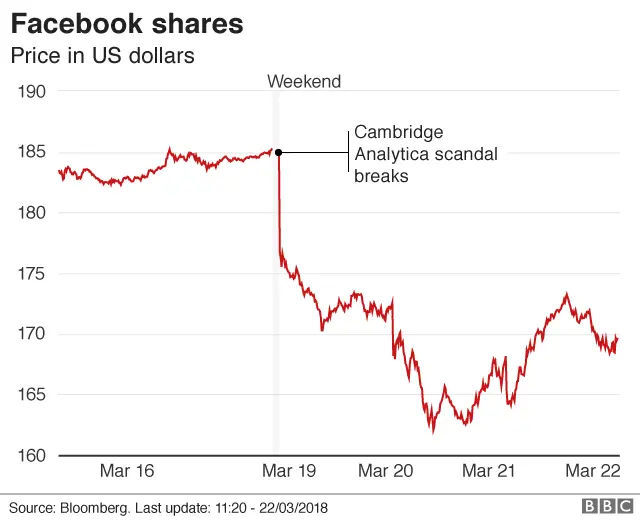
Investor sentiment, driven by these macroeconomic factors and overall market trends, plays a crucial role. During periods of economic uncertainty, investors often gravitate towards “safer” value stocks rather than growth stocks with long-term, speculative bets. This ebb and flow of sentiment can cause significant volatility in Meta’s stock price, even if the underlying business fundamentals remain sound.
Analyzing META as an Investment Opportunity
For prospective investors, asking “what is FB stock price?” is merely the first step. The real analysis involves determining whether that price represents a good investment given the company’s financial health, strategic direction, and future prospects.
Valuation Metrics: P/E, PEG, and Free Cash Flow Analysis
A deep dive into Meta’s financial statements is essential. Investors typically examine:
- P/E Ratio: Comparing Meta’s P/E to its historical average and industry peers helps determine if it’s currently overvalued or undervalued. However, the heavy investments in Reality Labs can distort traditional P/E, as profits are suppressed.
- PEG (Price/Earnings to Growth) Ratio: This ratio takes growth into account, often preferred for growth stocks. A PEG ratio below 1 might suggest undervaluation relative to its growth prospects.
- Free Cash Flow (FCF): Despite the metaverse investments, Meta’s Family of Apps division generates substantial FCF. Analyzing FCF trends provides insight into the company’s financial strength, its ability to fund future projects, and its capacity for shareholder returns. A strong, consistent FCF is often a positive signal for long-term investors.
- Enterprise Value to Sales (EV/Sales): Useful for companies in growth phases or those with fluctuating earnings, EV/Sales compares the total enterprise value (market cap + debt – cash) to total revenue.
These metrics, when analyzed in context, help investors form an opinion on whether Meta’s current stock price accurately reflects its intrinsic value.
Dividend Policy and Shareholder Returns
Unlike many mature, profitable companies, Meta Platforms does not currently pay a regular cash dividend. Instead, it prioritizes reinvesting its substantial profits back into the business, particularly in the metaverse initiatives and AI development, to fuel future growth.
However, Meta does engage in significant share repurchase programs. Share buybacks reduce the number of outstanding shares, which can boost earnings per share and, in theory, the stock price. These programs are a form of returning capital to shareholders, signaling management’s belief that the company’s stock is undervalued at certain price points. Investors interested in Meta should understand that any shareholder returns currently come primarily through potential stock price appreciation and share buybacks, rather than consistent dividend income.
Risks and Rewards: A Balanced Perspective for Investors
Investing in Meta Platforms, like any stock, involves a careful assessment of its potential risks and rewards.
Rewards:
- Metaverse Leadership: If the metaverse becomes the next major computing platform, Meta, as a first mover and significant investor, stands to gain immensely.
- AI Integration: Continued advancements in AI within its Family of Apps can enhance user engagement, improve ad targeting, and potentially unlock new products and services.
- Dominant Ad Business: The core advertising platforms remain incredibly powerful, generating vast profits and cash flow that can be reinvested.
- Innovation Engine: Meta has a history of successful innovation and acquisitions (e.g., Instagram, WhatsApp), suggesting an ongoing capacity to adapt and grow.
Risks:
- Metaverse Failure: The metaverse is highly speculative. If it fails to gain widespread adoption or prove profitable, the massive investments could be a significant drain on the company’s finances.
- Regulatory Backlash: Increasing government scrutiny could lead to substantial fines, operational restrictions, or even forced divestitures, impacting profitability and market position.
- Competition and User Exodus: Intense competition from new platforms or shifts in user preferences could erode Meta’s user base and ad revenue.
- Economic Downturns: A significant global recession could severely impact advertising spending, Meta’s primary revenue source.
- Execution Risk: The ability to execute its ambitious vision, particularly in the complex and nascent metaverse space, is a major challenge.
A balanced investment approach requires acknowledging both the significant upside potential and the substantial risks inherent in Meta’s current strategy.
Practical Steps for Tracking and Investing in META Stock
For those seeking to act on their understanding of “what is FB stock price,” practical steps are necessary to track the stock and, if desired, make an investment.
Where to Find Real-Time Stock Prices and Financial Data
To find the current stock price of Meta Platforms (META), you can refer to several reliable sources:
- Financial News Websites: Major financial news outlets like Bloomberg, Reuters, The Wall Street Journal, Yahoo Finance, and Google Finance provide real-time or near real-time stock quotes, charts, and company news. Simply search for “META” or “Meta Platforms stock.”
- Brokerage Platforms: If you have an investment account, your brokerage’s platform will provide direct access to real-time quotes, detailed financial data, analyst reports, and charting tools.
- Stock Exchange Websites: The NASDAQ exchange website, where Meta is listed, offers official data, though it may be less user-friendly for quick lookups compared to financial portals.
These sources also provide access to historical price data, financial statements (income statements, balance sheets, cash flow statements), and earnings reports, which are crucial for fundamental analysis.
Choosing a Brokerage Account: Options for Beginners and Experienced Investors
To invest in Meta stock, you will need a brokerage account. There are numerous options available, catering to different needs:
- Online Discount Brokers: Platforms like Fidelity, Charles Schwab, E*TRADE, Vanguard, and Interactive Brokers offer low-cost (often commission-free) stock trading, extensive research tools, and user-friendly interfaces. They are suitable for both beginners and experienced investors.
- Robo-Advisors: Services like Betterment or Wealthfront can help manage diversified portfolios, but typically don’t allow for direct stock picking.
- Full-Service Brokers: These offer personalized advice and portfolio management for a higher fee, ideal for investors who prefer professional guidance.
When choosing a brokerage, consider factors such as fees (commissions, account maintenance fees), available investment products, research and educational resources, customer service, and ease of use.
Diversification and Long-Term Strategy
Finally, a fundamental principle of sound investing, especially when considering a single stock like Meta, is diversification. While Meta presents compelling opportunities, it also carries inherent risks. Placing all your investment capital into one stock can expose you to significant volatility and potential losses if that company underperforms.
A well-diversified portfolio typically includes a mix of different asset classes (stocks, bonds, real estate), various industries, and companies of different sizes and risk profiles. Furthermore, adopting a long-term investment strategy, rather than attempting to time the market, is often more successful. This involves holding investments for years, riding out short-term market fluctuations, and focusing on the underlying growth of the companies you own. Regularly reviewing your portfolio and making adjustments based on your financial goals and risk tolerance is also crucial.
In essence, “what is FB stock price?” is an invitation to explore the dynamic world of financial markets, corporate strategy, and informed decision-making. It’s not just about a number; it’s about understanding the complex interplay of factors that shape the value of one of the world’s most talked-about companies.
aViewFromTheCave is a participant in the Amazon Services LLC Associates Program, an affiliate advertising program designed to provide a means for sites to earn advertising fees by advertising and linking to Amazon.com. Amazon, the Amazon logo, AmazonSupply, and the AmazonSupply logo are trademarks of Amazon.com, Inc. or its affiliates. As an Amazon Associate we earn affiliate commissions from qualifying purchases.