
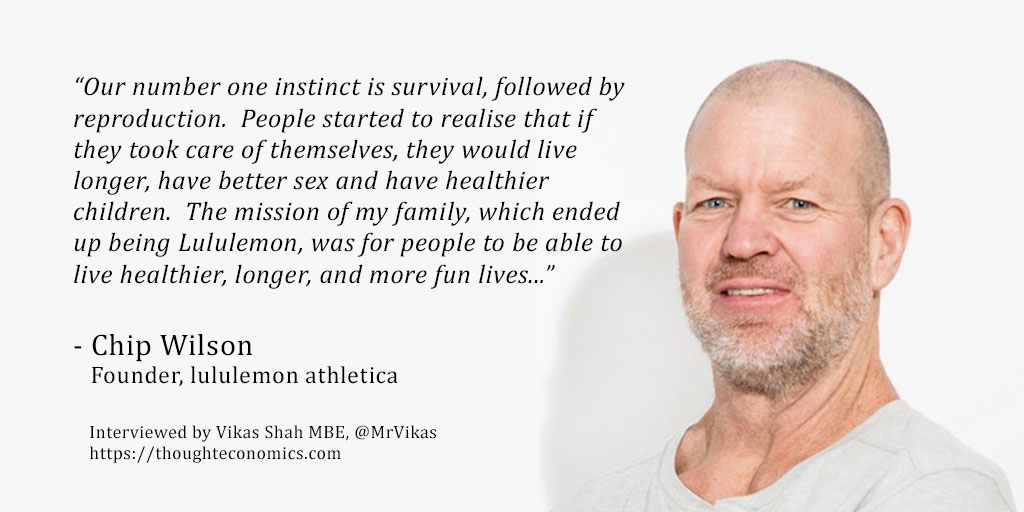
In the dynamic world of retail, few brands have captured the zeitgeist of an entire generation quite like Lululemon Athletica Inc. What began as a niche yoga wear company has blossomed into a global athleisure powerhouse, redefining what activewear means for millions. The story of Lululemon is not merely one of successful product lines, but a masterclass in brand building, community cultivation, and aspirational marketing. At the heart of this remarkable journey is its founder, Chip Wilson, whose unique vision and entrepreneurial spirit laid the groundwork for an empire that transcended clothing to become a lifestyle statement. Understanding who started Lululemon is crucial to grasping the strategic branding choices that shaped its identity and propelled its ascent.
The Genesis of a Lifestyle Brand: Chip Wilson’s Vision
Chip Wilson, a serial entrepreneur with a background in surfing and retail, first conceived of Lululemon in the late 1990s. His previous venture, Westbeach Snowboard Ltd., had given him invaluable experience in technical apparel and youth culture, but it was his observation of a burgeoning trend in women’s athletic activities, particularly yoga, that sparked the idea for his next big leap. Wilson wasn’t just looking to create another clothing line; he aimed to build a brand that spoke to a new demographic of health-conscious, active women who valued both performance and style. This foundational vision was not just about product, but about fostering a distinct lifestyle and community.
Identifying an Untapped Market Niche
At a time when women’s athletic wear was largely functional and uninspired, Wilson recognized a significant void. Traditional sportswear brands focused primarily on competitive sports, often neglecting the aesthetic and comfort needs of women engaged in lower-impact activities like yoga, pilates, and gym workouts. He saw an opportunity to create apparel that was both highly technical and fashion-forward, designed specifically for women who were integrating fitness into their daily lives and seeking clothing that could transition seamlessly from studio to street. This keen insight into an underserved market segment was the first critical step in Lululemon’s brand strategy, allowing it to carve out a unique space distinct from established giants.
From Single Store to Experiential Retail Concept
The inaugural Lululemon store opened its doors in Kitsilano, Vancouver, in 1998, initially operating as a design studio by day and a yoga studio by night. This hybrid model was revolutionary and intrinsically linked to the brand’s identity from day one. It wasn’t just a place to buy clothes; it was a community hub where customers could experience the lifestyle Lululemon espoused. By offering yoga classes, the store became an experiential space that allowed customers to feel, test, and connect with the products in their intended environment. This direct engagement fostered a sense of belonging and loyalty, transforming passive consumers into active brand advocates, a cornerstone of effective brand building.
The Founding Philosophy: Technical Apparel Meets Mindful Living
Wilson’s philosophy for Lululemon extended far beyond merely selling garments. He envisioned a brand that embodied a holistic approach to well-being, combining cutting-edge technical apparel with an ethos of mindfulness, personal growth, and community. The brand’s early manifesto, prominently displayed in stores, articulated these values, offering aspirational statements and goals that resonated deeply with its target audience. This blend of high-performance design and a lifestyle philosophy created a unique brand narrative. Lululemon wasn’t just about what you wore; it was about who you were and the aspirations you held, setting it apart from purely athletic or fashion brands.
Crafting the Lululemon Identity: Design, Product, and Positioning
The meticulous crafting of Lululemon’s brand identity was a deliberate process, focusing on product innovation, aspirational positioning, and community engagement. These elements were not accidental; they were strategically woven into the fabric of the brand, making it instantly recognizable and highly desirable.
The Innovation in Fabric and Fit
One of Lululemon’s earliest and most significant branding achievements was its relentless focus on proprietary fabrics and superior fit. Wilson understood that for premium prices, customers expected premium performance and comfort. This led to the development of signature materials like Luon, a blend of nylon and Lycra designed for ultimate stretch, breathability, and moisture-wicking capabilities. The brand meticulously engineered its garments for optimal comfort and flattering fit, leveraging body-mapping and extensive wear-testing. This commitment to material science and design excellence became a core tenet of the Lululemon brand, establishing a reputation for unparalleled quality and innovation that justified its higher price points and created a loyal following.
Building an Aspirational Brand Image
Lululemon masterfully cultivated an aspirational brand image, positioning itself as a symbol of health, wellness, and a sophisticated, active lifestyle. The brand strategically avoided traditional mass advertising in its early years, opting instead for grassroots marketing through local yoga studios, fitness instructors, and community events. By associating its products with leading figures in the wellness space and creating exclusive in-store experiences, Lululemon fostered an image of exclusivity and desirability. Its distinct logo, minimalist store design, and motivational messaging all contributed to a cohesive brand identity that resonated with individuals who saw themselves as part of an elite, health-conscious community. This strategy created a powerful sense of belonging and transformed its customers into brand evangelists.

Beyond Products: The Power of Community and Engagement
Perhaps one of the most innovative aspects of Lululemon’s early brand strategy was its emphasis on community building. Rather than simply selling clothes, the brand focused on creating an ecosystem of engagement. This included offering free in-store yoga classes, sponsoring local fitness events, and building relationships with “ambassadors”—local yoga instructors and fitness professionals who embodied the Lululemon lifestyle. These ambassadors were instrumental in spreading brand awareness organically, sharing their passion for the products and the brand’s values within their networks. This authentic, word-of-mouth marketing built a strong, loyal customer base and solidified Lululemon’s reputation not just as a retailer, but as a central pillar of the wellness community. This direct, personal connection forged a deep emotional bond between the brand and its consumers, a bond far stronger than mere transactional relationships.
The Evolution and Challenges of a Distinctive Brand
While Lululemon’s initial brand strategy was remarkably successful, the journey of any growing brand is rarely without its challenges. As the company expanded globally, it faced the complexities of scaling its unique brand identity while navigating product issues and leadership transitions.
Scaling the Brand While Maintaining Core Values
As Lululemon grew from a few stores to a multinational corporation, the challenge was to scale its operations without diluting its distinctive brand identity and community focus. Maintaining the personalized, community-driven experience that defined its early years became more complex with increased size and geographical dispersion. The brand had to find ways to replicate its unique retail environment and foster local engagement on a much larger scale, which required careful strategic planning and investment in brand culture. This meant empowering local store managers to cultivate community relationships while ensuring global consistency in brand messaging and product quality. The balance between rapid expansion and preserving core brand values is a delicate act that Lululemon largely managed to achieve, albeit with occasional growing pains.
Navigating Brand Crises and Leadership Changes
Lululemon’s brand journey has not been entirely smooth. The company faced significant public relations challenges, most notably the “sheer pants” incident in 2013, where a batch of popular black yoga pants were found to be unexpectedly transparent. This quality control issue led to a major product recall and damaged consumer trust. Adding to the controversy were founder Chip Wilson’s subsequent comments, which were perceived as insensitive and critical of certain body types, leading to a public backlash. These incidents severely tested the brand’s reputation and led to Wilson stepping down as chairman in 2013 and eventually leaving the board in 2015. These crises were critical junctures, forcing the brand to reassess its public image, reinforce its commitment to quality, and refine its communication strategy, demonstrating the resilience and adaptability required in modern brand management.
Legacy and Lasting Impact on the Athleisure Market
Despite the challenges, Lululemon’s impact on the retail landscape is undeniable. Chip Wilson’s pioneering vision for technical, stylish athletic wear for women not only created a hugely successful brand but also fundamentally shaped the burgeoning “athleisure” market. Lululemon proved that consumers were willing to pay a premium for high-quality, comfortable, and fashionable activewear that could seamlessly integrate into their daily lives. The brand’s innovative approach to product design, aspirational marketing, and community building set a new benchmark for the industry, inspiring countless competitors and transforming the way people dress and perceive athletic apparel. Its legacy is not just in its products, but in its profound influence on consumer expectations and the broader fashion industry, solidifying its status as a brand that truly broke new ground.
Chip Wilson’s Enduring Influence on Lululemon’s DNA
Even after his departure from day-to-day operations and the board, Chip Wilson’s foundational principles and entrepreneurial spirit continue to influence Lululemon’s brand DNA. His initial insights into market gaps and consumer desires remain embedded in the company’s approach to innovation and brand experience.
The Entrepreneurial Spirit as a Brand Trait
Wilson’s relentless pursuit of innovation, his keen eye for product quality, and his commitment to understanding the consumer deeply instilled an entrepreneurial spirit within Lululemon’s corporate culture. This ethos encourages continuous improvement, experimentation, and a customer-centric approach that seeks to anticipate and fulfill evolving needs. This embedded trait ensures that Lululemon remains dynamic and responsive, constantly pushing boundaries in design and material science, even in a highly competitive market. It’s a testament to how a founder’s personal drive can become a lasting characteristic of the brand itself, guiding strategic decisions long after their direct involvement.
The Role of Visionary Leadership in Brand Building
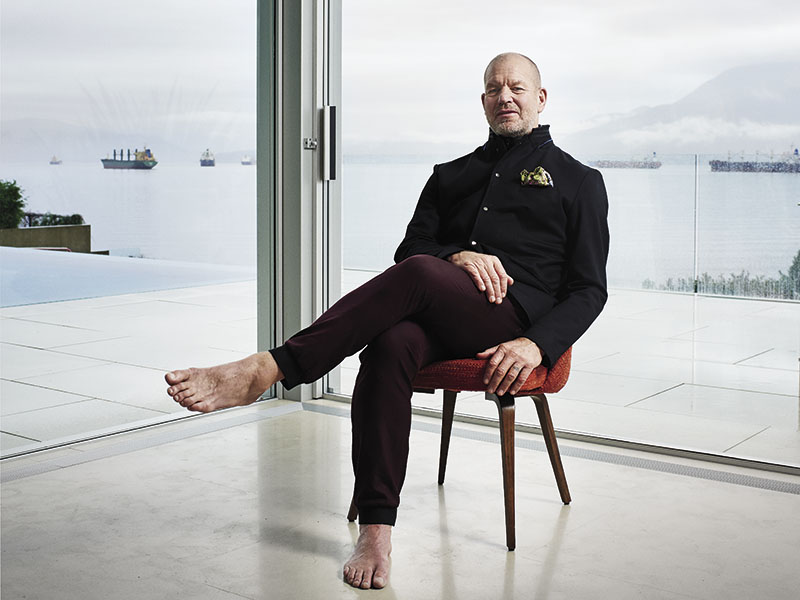
Chip Wilson’s story with Lululemon is a compelling case study in the power of visionary leadership in brand building. His ability to foresee a market shift, conceptualize a distinctive brand identity, and execute a grassroots marketing strategy that fostered genuine community engagement was instrumental in creating a retail phenomenon. While the brand has evolved and adapted under new leadership, the core tenets established by Wilson—premium technical apparel, an aspirational lifestyle, and a strong sense of community—remain central to Lululemon’s appeal. His initial blueprint for Lululemon demonstrates how a founder’s singular vision can lay an unshakeable foundation for a brand that not only achieves commercial success but also leaves an indelible mark on an entire industry.
In conclusion, Chip Wilson is the visionary entrepreneur who started Lululemon, transforming a simple idea for better yoga pants into a multi-billion dollar athleisure empire. His genius lay not just in identifying an untapped market, but in meticulously crafting a brand identity rooted in innovation, community, and aspirational living. From its humble beginnings as a design studio and yoga space, Lululemon’s brand strategy, heavily influenced by Wilson’s foundational principles, redefined activewear and established a new paradigm for lifestyle branding that continues to resonate globally. The story of Lululemon is, at its core, a powerful testament to the enduring impact of a clear brand vision and the strategic execution that brings it to life.
aViewFromTheCave is a participant in the Amazon Services LLC Associates Program, an affiliate advertising program designed to provide a means for sites to earn advertising fees by advertising and linking to Amazon.com. Amazon, the Amazon logo, AmazonSupply, and the AmazonSupply logo are trademarks of Amazon.com, Inc. or its affiliates. As an Amazon Associate we earn affiliate commissions from qualifying purchases.