
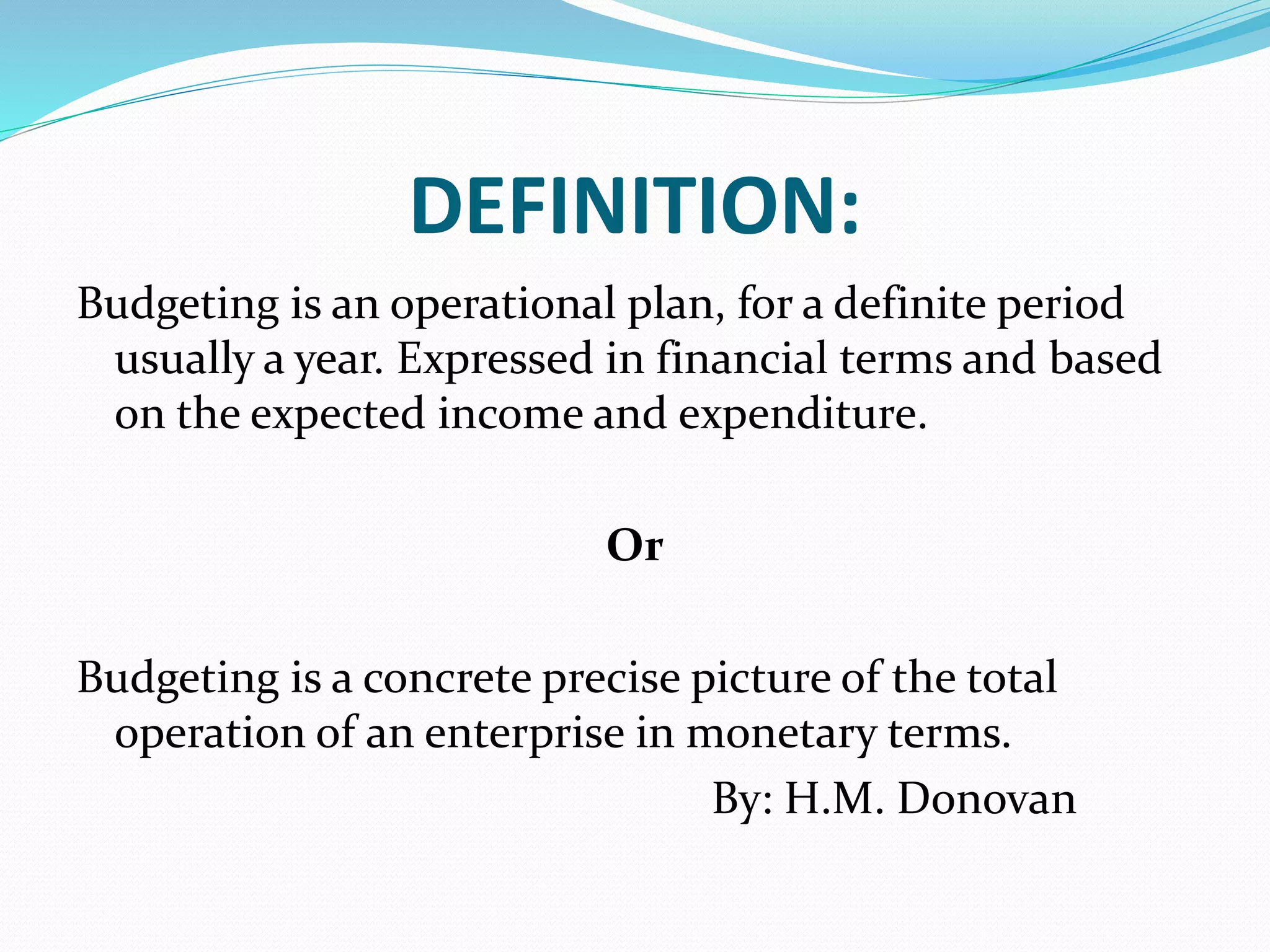
In the intricate world of finance, few concepts hold as much foundational importance as the budget. Far from being a restrictive financial straitjacket, a budget is, at its core, a strategic financial plan – a detailed blueprint outlining how an individual, a family, a business, or even a government intends to acquire and spend money over a specific period. It is an organized estimate of income and expenditure, meticulously designed to ensure financial stability, achieve specific economic objectives, and ultimately provide clarity and control over one’s monetary resources.
Understanding the definition of a budget goes beyond mere academic exercise; it is the gateway to financial empowerment. Without a clear grasp of income versus outgoings, financial decisions often become reactive and impulsive, leading to stress, debt, and missed opportunities. A well-crafted budget, however, transforms this reactive stance into a proactive, goal-oriented approach, laying the groundwork for sustainable financial health and growth.
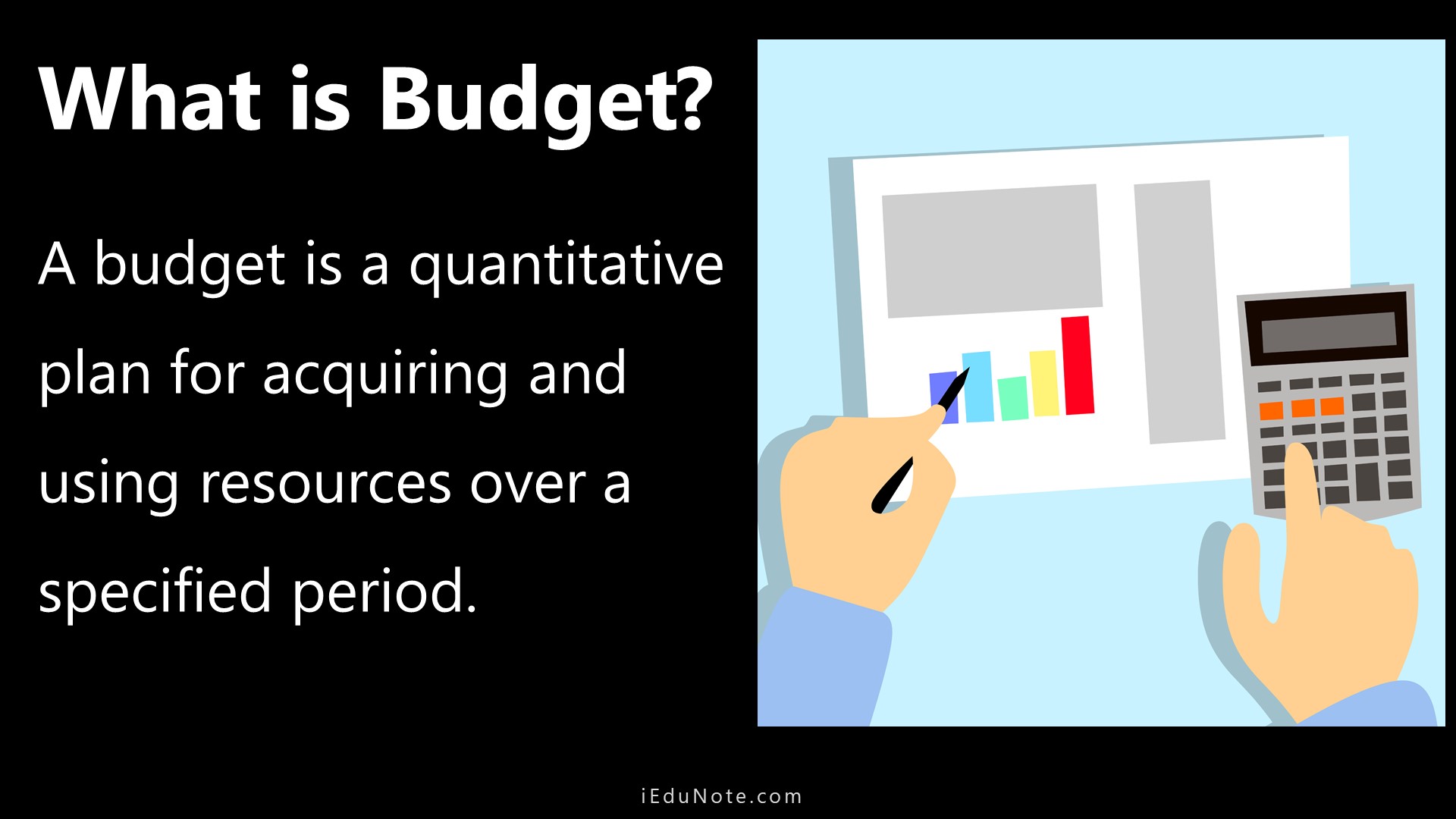
The Core Concept: What Exactly is a Budget?
At its heart, a budget is a numerical representation of a financial strategy. It’s a document—whether digital or physical—that itemizes all anticipated revenues (income) and planned expenses over a defined future period, typically monthly, quarterly, or annually. Its primary purpose is to balance these two sides of the financial equation, ensuring that expenditures do not exceed income, or more ambitiously, to create a surplus that can be directed towards savings, investments, or debt reduction.
A Financial Roadmap: Income vs. Expenses
Think of a budget as a personalized financial roadmap. Just as a map guides you from point A to point B, a budget guides your money from its source to its destination. This roadmap is meticulously built upon two fundamental pillars: income and expenses.
Income refers to all the money you expect to receive within the budgeting period. For individuals, this typically includes salaries, wages, freelance earnings, passive income from investments, rental income, or government benefits. For businesses, income encompasses revenues from sales of goods or services, interest earned, or investment returns. It’s crucial to distinguish between gross income (before taxes and deductions) and net income (the actual amount you have to spend), as a budget should ideally be based on the latter to reflect disposable funds accurately.
Expenses are all the costs you anticipate incurring. These can be broadly categorized:
- Fixed Expenses: These are costs that generally remain constant each month and are typically non-negotiable. Examples include rent/mortgage payments, loan repayments (car, student), insurance premiums, and subscription services.
- Variable Expenses: These fluctuate from month to month based on usage or choice. Groceries, utilities (electricity, water, gas), transportation costs (fuel, public transport), and entertainment are common examples. Managing variable expenses is often where budgeting truly shines, as they offer the most flexibility for adjustment.
- Discretionary Expenses: These are non-essential costs that represent choices rather than necessities. Dining out, vacations, new gadgets, and hobbies fall into this category. While often the first target for cuts during lean times, they also contribute to quality of life and should not be entirely eliminated if the budget allows.
By meticulously listing both income and expenses, a budget provides a crystal-clear picture of where money comes from and where it is allocated, making it the ultimate tool for financial transparency.
More Than Just Tracking: Planning and Control
While tracking past spending is an important input into budget creation, the definition of a budget emphasizes its forward-looking nature. It’s not merely a historical record; it’s a proactive planning tool. A budget empowers individuals and organizations to:
- Plan Ahead: Anticipate future financial needs and challenges, allowing for strategic allocation of resources. This might involve saving for a large purchase, setting aside funds for unexpected emergencies, or planning for seasonal expenses.
- Allocate Resources: Intentionally decide how every dollar will be used. Instead of money disappearing without a trace, a budget assigns a specific “job” to each dollar, aligning spending with financial priorities and goals.
- Gain Control: Shift from feeling overwhelmed by finances to actively managing them. When you know exactly what you can spend, you make informed decisions, reducing anxiety and increasing confidence. This control extends to avoiding impulse purchases and staying out of unnecessary debt.
Ultimately, a budget transforms financial management from a reactive struggle into a strategic, empowering process.
Why is Budgeting Indispensable? The Multifaceted Benefits
The importance of budgeting extends far beyond simply knowing your numbers. It underpins virtually every aspect of sound financial management, offering a myriad of benefits that can profoundly impact one’s financial trajectory and overall well-being.
Achieving Financial Goals
Perhaps the most compelling reason to budget is its role as a catalyst for achieving financial goals. Whether your aspiration is to save for a down payment on a house, build a robust retirement fund, pay off student loans, fund a child’s education, or take a dream vacation, a budget provides the necessary roadmap. It breaks down large, daunting goals into manageable, actionable steps. By intentionally allocating funds towards these objectives each month, you transform vague hopes into concrete plans, significantly increasing your likelihood of success.
Reducing Financial Stress and Enhancing Control
Financial worries are a leading cause of stress for many. A budget, by bringing clarity and predictability to your financial life, acts as a powerful antidote. When you understand where your money is going, you eliminate the guesswork and anxiety associated with not knowing if you can afford something or if you’ll run out of money before your next paycheck. This newfound control fosters a sense of security and peace of mind, allowing you to make financial decisions with confidence rather than fear. You move from being a passenger in your financial journey to being the driver.
Identifying Spending Habits and Waste
One of the most insightful aspects of budgeting is its ability to shine a light on unconscious spending patterns. Many people are surprised to discover how much they spend on non-essential items like daily coffees, subscription services they don’t use, or impulse purchases. A budget forces you to scrutinize every expense, revealing areas where money might be inadvertently wasted. This awareness is the first step towards optimization, enabling you to consciously redirect funds from low-value spending to areas that genuinely align with your priorities and goals.
Building Financial Discipline
Budgeting is not a one-time event; it’s an ongoing practice that cultivates financial discipline. Regularly tracking income and expenses, making conscious spending choices, and adhering to financial limits strengthens your ability to manage money responsibly over the long term. This discipline is a transferable skill, impacting other areas of life and forming the bedrock for wealth creation. Consistent budgeting transforms sporadic good habits into a robust, sustainable financial lifestyle, preparing you for both expected and unexpected financial shifts.
Types of Budgets and Popular Methodologies
While the core definition of a budget remains consistent, its application and the methods employed can vary widely depending on the user and their specific financial context.
Personal vs. Business Budgets
The fundamental principles of budgeting apply universally, but the specifics differ between personal and business contexts:
- Personal Budgets: Focus on an individual’s or household’s income (salaries, investments) and expenses (housing, food, transportation, entertainment). The goal is typically to manage personal cash flow, save for personal goals, and achieve financial independence.
- Business Budgets: Are more complex, dealing with revenue from sales, cost of goods sold, operating expenses (salaries, rent, marketing), capital expenditures, and profit targets. Business budgets are crucial for strategic planning, resource allocation, performance measurement, and investor relations. They often include various sub-budgets like operating budgets, cash flow budgets, and capital budgets.
Common Budgeting Approaches
Several popular methodologies have emerged to help individuals and businesses effectively manage their finances:
- The 50/30/20 Rule: A simple guideline where 50% of after-tax income goes to Needs (housing, utilities, groceries, transportation), 30% to Wants (dining out, entertainment, hobbies), and 20% to Savings & Debt Repayment (emergency fund, retirement, credit card debt). It offers a flexible framework without excessive tracking.
- Zero-Based Budgeting (ZBB): This method requires you to allocate every single dollar of your income to a specific category, ensuring that your income minus your expenses equals zero. Each month, you start with a blank slate, justifying every expense. This approach is highly detailed and gives you maximum control over your money, preventing “money leakage.”
- The Envelope System: A cash-based budgeting method where you allocate physical cash into separate envelopes for various variable expense categories (e.g., groceries, entertainment). Once the cash in an envelope is gone, you stop spending in that category until the next budgeting period. It’s particularly effective for those who struggle with overspending on credit cards.
- Paycheck to Paycheck Budgeting (for goal-oriented individuals): While often associated with financial struggle, this term can also describe a detailed, proactive budget for those whose income covers all expenses with little surplus. It focuses on meticulous planning for every dollar received and spent within a very short timeframe, often with a strong emphasis on automating savings and debt payments as soon as income is received. This helps ensure no money is left unaccounted for and goals are still met, even with tight margins.
- Activity-Based Budgeting (ABB) for Businesses: This approach links costs directly to the activities that drive them. Instead of simply budgeting for departments, ABB identifies the cost of performing specific activities (e.g., customer service calls, product development cycles) and then budgets resources based on the expected volume of these activities.
Practical Steps to Create and Maintain an Effective Budget
Creating a budget can seem daunting, but by breaking it down into manageable steps, it becomes an achievable and rewarding process.
Step 1: Calculate Your Income
The first step is to get a clear picture of how much money you have coming in. List all sources of income, ensuring you use your net income (after taxes and deductions) for personal budgets, as this is the actual money you have available to spend. If your income is irregular (e.g., freelance work, commissions), it’s wise to use a conservative average or plan for a lower-than-average month to avoid overspending.
Step 2: Track and Categorize Your Expenses
This is often the most revealing step. For a period of 1-3 months, meticulously track every dollar you spend. Use budgeting apps, spreadsheets, bank statements, or even a simple notebook. Categorize these expenses into fixed, variable, and discretionary. This historical data will provide a realistic baseline for your future spending plan and highlight areas where money might be leaking unnecessarily.
Step 3: Set Realistic Financial Goals
What do you want your money to do for you? Define clear, SMART (Specific, Measurable, Achievable, Relevant, Time-bound) financial goals. These could be saving for an emergency fund, paying off a specific debt, investing for retirement, or saving for a down payment. Your budget will then become the tool that helps you allocate funds towards these goals.
Step 4: Allocate Funds and Make Adjustments
Now, compare your income to your tracked expenses and your goals. Start assigning amounts to each expense category. Ensure that your total planned expenses and savings do not exceed your total net income. If they do, you’ll need to make adjustments, prioritizing needs over wants and finding areas to cut back. If you have a surplus, decide intentionally where to allocate it – more savings, debt repayment, or investments. This is an iterative process; don’t expect perfection on the first try.
Step 5: Review and Adapt Regularly
A budget is a living document, not a static one-time creation. Life changes, and so should your budget. Review your budget at least monthly, but ideally more frequently. Compare your actual spending to your budgeted amounts. Identify what worked, what didn’t, and why. Are there new expenses? Has your income changed? Did you overspend in a particular category? Be flexible and willing to adapt your budget to fit your evolving circumstances and priorities. Consistency in review is key to long-term success.
Overcoming Budgeting Challenges and Sustaining Success
While the benefits of budgeting are immense, the journey isn’t always smooth. Many individuals face common pitfalls, but with awareness and strategic approaches, these can be effectively navigated.
Common Pitfalls
- Unrealistic Expectations: Trying to cut too much too soon can lead to burnout and abandonment of the budget.
- Inconsistent Tracking: Sporadic tracking makes it impossible to get an accurate picture of spending, rendering the budget ineffective.
- Emotional Spending: Using money as a coping mechanism for stress, boredom, or sadness can derail even the best-laid plans.
- Ignoring Small Expenses: The “latte factor” – small, frequent purchases – can add up quickly and blow a budget unnoticed.
- Lack of Flexibility: A rigid budget that doesn’t account for unexpected events or treats can feel too restrictive and lead to rebellion.
- Discouragement: Falling off track occasionally is normal. Allowing a single slip-up to derail the entire process is a common mistake.

Strategies for Long-Term Adherence
- Automate Savings and Debt Payments: Set up automatic transfers to savings accounts or directly pay extra towards debt immediately after payday. This “pay yourself first” strategy removes the temptation to spend the money.
- Reward Yourself (Sensibly): Budget for small, guilt-free treats. This helps prevent feelings of deprivation and makes the budgeting process more sustainable and enjoyable.
- Find an Accountability Partner: Discussing your financial goals and progress with a trusted friend or family member can provide motivation and support.
- Utilize Technology: Budgeting apps and software can automate tracking, categorize expenses, and provide real-time insights, making the process less tedious.
- Be Patient and Forgiving: Financial mastery is a journey, not a destination. There will be months where you overspend or face unexpected costs. Learn from these instances, adjust your budget, and get back on track without dwelling on past mistakes. The goal is progress, not perfection.
In conclusion, the definition of a budget is far more profound than a simple accounting ledger. It is a powerful financial tool that, when properly understood and consistently applied, transforms potential financial chaos into order, anxiety into peace, and vague aspirations into tangible achievements. By embracing the discipline and insights a budget provides, individuals and businesses alike can chart a course towards robust financial health, empowering them to make informed decisions, build wealth, and live a life aligned with their deepest financial values. Start your budgeting journey today; the dividends it pays in clarity, control, and peace of mind are immeasurable.
aViewFromTheCave is a participant in the Amazon Services LLC Associates Program, an affiliate advertising program designed to provide a means for sites to earn advertising fees by advertising and linking to Amazon.com. Amazon, the Amazon logo, AmazonSupply, and the AmazonSupply logo are trademarks of Amazon.com, Inc. or its affiliates. As an Amazon Associate we earn affiliate commissions from qualifying purchases.