
Understanding Paint Costs at Home Depot: A Financial Breakdown
Determining the precise cost of paint at Home Depot requires a nuanced understanding of various financial factors beyond a simple price tag. The expenditure for paint is not merely the per-gallon cost but an investment influenced by product type, quality, and the strategic financial choices made during procurement.
Factors Influencing Paint Pricing
Several key elements contribute to the final price you’ll pay for paint, each with distinct financial implications:
- Type of Paint: The fundamental composition of paint significantly impacts its price. Latex (water-based) paints are generally more affordable and easier to clean, making them a financially sensible choice for many interior projects. Oil-based paints, while often more durable for specific applications, typically carry a higher price point due to their more complex formulations and solvent requirements. Specialty paints, such as those designed for mildew resistance, low volatile organic compounds (VOCs), or extreme exterior durability, incorporate advanced technologies that justify higher costs.
- Finish: The sheen level—from flat to high-gloss—also plays a role in pricing. Finishes like satin, semi-gloss, and high-gloss generally contain more resins, which enhance durability and washability. These properties contribute to a slightly higher cost per gallon compared to flatter finishes, reflecting their increased performance characteristics.
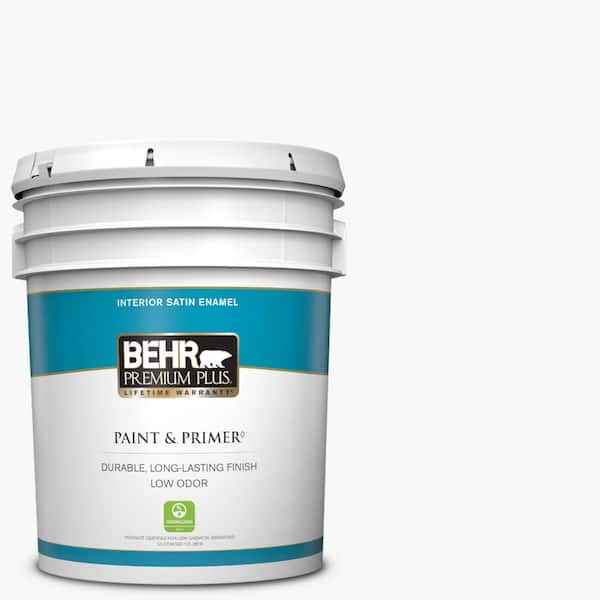
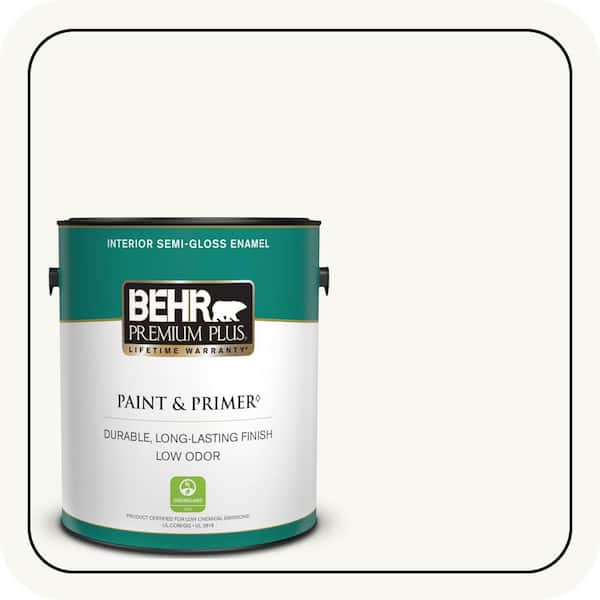
- Brand: Home Depot stocks a range of brands, from its exclusive Behr lines to Glidden, Kilz, and PPG. Premium brands like Behr Marquee or Behr Dynasty incorporate advanced formulations, offer superior coverage, and boast enhanced durability, commanding higher prices. Conversely, more budget-friendly brands such as Glidden Essentials provide accessible entry points for cost-conscious projects. Understanding brand tiers is crucial for aligning your budget with desired performance.
- Volume: Paint is typically sold in quarts, gallons, and 5-gallon buckets. A fundamental financial principle applies here: purchasing in larger quantities, such as 5-gallon buckets, almost invariably results in a lower per-gallon cost. For extensive projects, this bulk purchasing strategy can lead to significant savings, making it a critical consideration for budget optimization.
Typical Price Ranges by Paint Grade
To effectively budget for paint, it’s helpful to categorize options by their typical price points and corresponding performance levels:
- Economy Grade (Good): Ranging from approximately $20 to $35 per gallon, these paints are suitable for low-traffic areas, quick property turnarounds, or rental units where extreme durability is not the paramount concern. While their initial cost is lower, it’s important to factor in that they may require more coats for adequate coverage, potentially offsetting initial savings with increased labor and material usage. Examples include Glidden Essentials or the lower end of Behr Premium Plus.
- Mid-Grade (Better): Priced between $35 and $55 per gallon, these options represent a significant step up in coverage, durability, and washability. They frequently incorporate paint and primer in one, which can reduce project time and the need for multiple layers of material, thus offering a strong value proposition for many homeowners. This category strikes a balance between cost and performance, with products like Behr Premium Plus (higher end) and Behr Ultra fitting this profile.
- Premium Grade (Best): At $55 to $80+ per gallon, premium paints are engineered for superior durability, scrubbability, stain resistance, and exceptional one-coat coverage. They often integrate advanced technologies like scuff defense or self-priming capabilities for challenging surfaces. Despite the higher upfront cost, the benefits of reduced labor, extended longevity, and a superior aesthetic finish can position these as a financially astute choice for high-traffic areas, long-term investments, or projects demanding the highest quality outcome. Behr Marquee and Behr Dynasty exemplify Home Depot’s premium offerings.
Strategic Budgeting for Your Painting Project
Effective financial planning extends beyond the paint itself. A comprehensive budget for a painting project accounts for all associated costs, ensuring efficiency and preventing unexpected expenditures.
Estimating Paint Quantity: Avoiding Waste and Overspending
Accurate paint estimation is paramount for cost control. The industry standard suggests one gallon of paint covers approximately 350-400 square feet with a single coat. However, this benchmark requires adjustment based on several factors:
- Surface Porosity: Highly porous surfaces, like new drywall, will absorb more paint than smoother, previously painted surfaces.
- Color Change: Drastically changing a wall’s color, particularly from dark to light, necessitates more coats, directly impacting material consumption.
- Paint Quality: Higher-grade paints often boast superior coverage per gallon, potentially reducing the total quantity needed.
To estimate, calculate the total square footage of the walls (length x height for each wall, subtracting windows and doors), then divide by the estimated coverage per gallon (e.g., 350 sq ft) and multiply by the planned number of coats (typically two). Rounding up to the nearest full gallon is a prudent financial practice to prevent running out of paint mid-project, which can incur additional costs for extra trips and potential color matching issues. Conversely, over-purchasing results in wasted capital.
Beyond the Gallon: Hidden Costs and How to Account for Them
The actual paint cost is merely one line item in a comprehensive painting budget. Overlooking auxiliary expenses can lead to significant financial surprises:
- Primer: Crucial for raw surfaces, dramatic color shifts, or stain blocking. Primer costs range from $15-$40 per gallon. While many modern paints are “paint and primer in one,” a separate primer application can often ensure optimal adhesion, coverage, and longevity, potentially reducing the number of topcoats required and saving money in the long run.
- Supplies: Essential tools include brushes, rollers, roller covers, painter’s tape, drop cloths, stirring sticks, paint trays, and cleaning supplies. These items can collectively add $50-$200 or more to the project cost. Investing in quality brushes and rollers not only enhances the finish but can also prove more durable, preventing the need for frequent replacements.
- Preparation Materials: Spackle, sandpaper, and cleaning agents are indispensable for proper surface preparation. Skimping on prep directly compromises the finish quality and paint longevity, eroding the financial investment in the paint itself.
- Safety Gear: Items like gloves, masks, and eye protection are small but necessary expenditures for personal safety.
- Disposal: While often minor, proper disposal of paint cans and materials may involve specific local regulations or recycling fees.
A financially astute budget should allocate 20-30% of the paint cost to these ancillary supplies to absorb these often-underestimated expenses.
The Long-Term Value: When Spending More Saves Money
From a long-term financial perspective, investing in higher-quality paint frequently results in overall savings, defying the initial higher price tag:
- Superior Coverage: Premium paints often achieve full coverage in fewer coats, reducing both material consumption and labor time. A “one-coat guaranteed” product can drastically cut project duration and associated costs.
- Enhanced Durability: High-grade formulations are engineered to resist wear and tear, scuffs, fading, and chipping more effectively. This resilience translates to less frequent repainting cycles, extending the lifespan of your paint job by several years.
- Washability and Stain Resistance: Paints with superior washability minimize maintenance efforts and preserve aesthetic appeal, mitigating the need for frequent touch-ups or premature repainting due to marks and stains.
- Better Adhesion and Finish: A smoother, more uniform finish not only looks professional but also adheres more robustly, further contributing to the paint job’s longevity and value.
For high-traffic areas, exterior applications, or homes intended for long-term occupancy, the cost-per-year of ownership for premium paint is often lower than for economy paint, solidifying it as a financially sound long-term investment.
Maximizing Value and Savings on Paint Purchases
Smart financial strategies can significantly reduce the overall cost of your painting project at Home Depot without compromising quality.
Leveraging Sales, Promotions, and Loyalty Programs
Home Depot frequently offers sales and promotions on paint, particularly around major holidays (e.g., Memorial Day, Labor Day) and during peak home improvement seasons.
- Seasonal Sales: Watch for discounts such as “$10 off per gallon” or “Buy one, get one 50% off.” Timing your purchase to align with these events can yield substantial savings.
- Rebates: Some paint manufacturers offer mail-in rebates, which can provide a significant financial return after purchase.
- Coupon Apps and Emails: Signing up for Home Depot’s email list and checking digital coupon platforms can unlock exclusive offers.
- Bulk Discounts: For very large projects, always inquire about additional discounts for purchasing multiple 5-gallon buckets.
These promotional opportunities can effectively lower the cost of premium paints to the price point of mid-grade options, representing shrewd financial planning.
Home Depot’s Paint Programs: Pro Xtra and Volume Discounts
For contractors, property managers, or serious DIYers with substantial or recurring painting needs, Home Depot’s Pro Xtra program offers distinct financial advantages:
- Volume Pricing: Pro Xtra members gain access to exclusive volume pricing on thousands of products, including paint, based on their purchase history.
- Bulk Savings: Special pricing on large orders, such as multiple 5-gallon buckets, can significantly impact the overall project budget.
- Tax Exemptions: Eligible businesses can apply for tax exemption, further reducing overall costs.
Even without a Pro Xtra account, individual Home Depot stores often have discretion to offer volume discounts on large paint orders. It is always financially advisable to inquire about such discounts if you are making a substantial purchase.
Comparing Paint Lines: Finding the Sweet Spot Between Price and Performance
Home Depot’s diverse paint lines each present a unique balance of price and performance. A financially intelligent approach involves understanding these distinctions to select the most appropriate product for your specific needs:
- Behr Premium Plus: An excellent entry-level choice offering solid coverage and durability at a competitive price, suitable for general living areas.
- Behr Ultra: A step up, providing enhanced stain resistance and durability, often with paint and primer in one. It represents strong value for moderate traffic areas.
- Behr Marquee: Positioned as a premium option, it guarantees one-coat coverage in most colors over a properly prepped surface. This feature saves labor and time, making it a cost-effective solution for complex color changes or busy individuals.
- Behr Dynasty: The top-tier offering, boasting exceptional durability, scuff resistance, and advanced stain blocking. It is ideal for high-traffic zones, children’s rooms, or areas where maximum longevity is a priority, despite its higher upfront cost.
By carefully assessing your project’s demands—whether it’s a low-traffic bedroom, a high-traffic hallway, or an exterior surface requiring maximum resilience—you can select the paint line that provides the optimal balance of price and performance, preventing both overspending on unnecessary features and underspending on inadequate quality.
Paint as an Investment: Enhancing Home Value and Appeal
Beyond its functional role, paint can be viewed as a strategic financial investment that enhances the value and market appeal of your property.
Return on Investment (ROI) of a Fresh Coat of Paint
A fresh coat of paint consistently ranks as one of the most cost-effective home improvements, offering a significant return on investment, particularly for homeowners preparing to sell.
- Increased Curb Appeal: For exteriors, paint dramatically improves the home’s first impression, which can attract more potential buyers and potentially lead to higher offers.
- Interior Refresh: Clean, neutral, and updated interior paint colors make spaces feel larger, brighter, and more inviting, allowing prospective buyers to more easily envision themselves in the home.
- Perceived Value: Buyers often associate fresh paint with a well-maintained property, which subtly suggests fewer hidden issues and elevates the home’s overall perceived value.
Real estate experts frequently indicate that a well-executed paint job can yield an ROI ranging from 50% to over 100% in terms of increased sale price, making it a prudent financial decision for those aiming to boost equity or optimize their property for the market.
Strategic Color Choices for Resale Value
When painting with an eye toward future resale, specific financial principles regarding color choices come into play:
- Neutrality Reigns: Whites, greiges (a blend of gray and beige), light grays, and soft off-whites generally hold the broadest appeal. These universally pleasing colors make it easier for potential buyers to envision their own furnishings and décor, expanding the property’s marketability.
- Timelessness: Avoid highly trendy or overly bold colors that risk becoming quickly dated, potentially necessitating another repaint before a sale. Opt for classic, enduring palettes.
- Consistency: Maintaining a cohesive color scheme throughout the home contributes to a harmonious flow, making spaces feel larger and more integrated—a subtle but effective financial appeal.
While personal preference is paramount for your own living enjoyment, understanding the financial impact of color choice is crucial if your home is a significant asset that you may eventually sell.
The Cost-Benefit of DIY vs. Professional Painting
The decision to undertake a painting project yourself or hire a professional painter is a significant financial consideration.
- DIY Savings: Handling the painting yourself can result in substantial savings of 50-75% on labor costs, which often constitute the largest portion of a professional quote. For straightforward projects or smaller spaces, this represents a clear financial advantage.
- Professional Efficiency & Quality: Professional painters bring expertise, efficiency, and specialized tools, typically resulting in a superior, longer-lasting finish. Their speed can reduce project timelines, and their meticulous preparation is vital for paint longevity. While the upfront cost is higher, the quality and durability can lead to less frequent repainting, saving money in the very long term, and mitigating the risk of costly DIY mistakes.
- Time Value: It’s essential to consider the financial value of your own time. If painting a large house requires weeks of your personal time, the opportunity cost—what you could have earned or accomplished otherwise—might outweigh the labor savings.
A detailed cost-benefit analysis, factoring in project complexity, your skill level, the value of your time, and the desired finish quality, is indispensable for making the most financially sound decision for your painting project.
aViewFromTheCave is a participant in the Amazon Services LLC Associates Program, an affiliate advertising program designed to provide a means for sites to earn advertising fees by advertising and linking to Amazon.com. Amazon, the Amazon logo, AmazonSupply, and the AmazonSupply logo are trademarks of Amazon.com, Inc. or its affiliates. As an Amazon Associate we earn affiliate commissions from qualifying purchases.