
The question of “how much will I get back for taxes?” is a common one, often sparking both anticipation and confusion. For many, a tax refund feels like a bonus – an unexpected windfall. However, it’s crucial to understand that a tax refund isn’t found money; rather, it represents an overpayment of your tax liability to the government throughout the year. Navigating the intricacies of the tax system to understand and, potentially, influence your refund amount is a core aspect of personal financial management.
Understanding the Dynamics of a Tax Refund
At its core, a tax refund occurs when the amount of tax you’ve paid to the government, through payroll withholdings or estimated tax payments, exceeds your actual tax liability for the year. The Internal Revenue Service (IRS) and state tax authorities then return the difference to you. This overpayment can happen for several reasons, and understanding these mechanisms is the first step toward deciphering your potential refund.
Many individuals opt for higher withholdings from their paychecks, essentially giving the government an interest-free loan throughout the year. While this can lead to a larger refund, it also means less take-home pay during the year. Conversely, a lower withholding might mean owing taxes at the end of the year, but it also means having more of your money working for you throughout the year. The objective for many financial planners is to adjust withholdings and payments to get as close to a zero balance as possible, either owing a small amount or receiving a small refund. This strategy ensures you maximize your cash flow during the year without incurring penalties for underpayment.
Key Factors That Determine Your Tax Refund
Your tax refund is a complex calculation influenced by numerous variables, each playing a significant role in determining the final figure. These factors can broadly be categorized into your income, the amount of tax you’ve already paid, and the various deductions and credits you’re eligible for.
Income, Withholding, and Estimated Payments
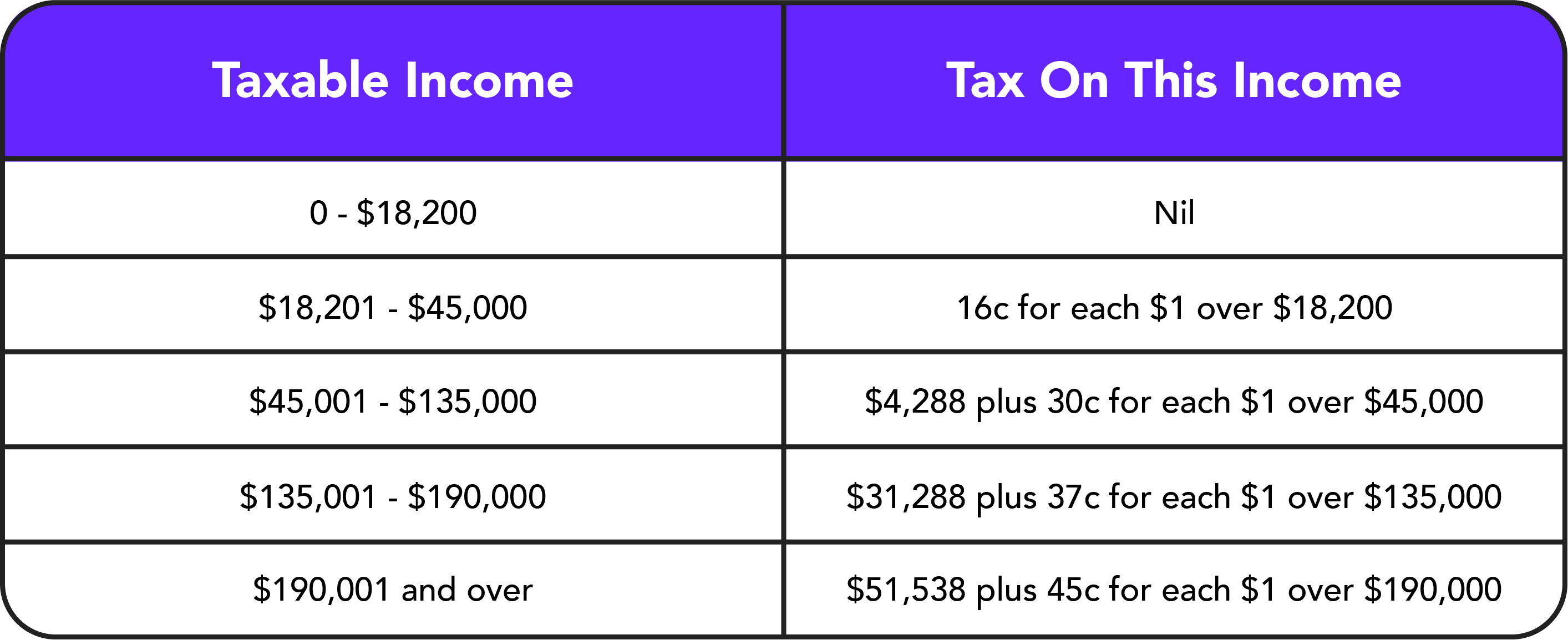
Your gross income is the starting point for calculating your tax liability. This includes wages, salaries, tips, interest, dividends, business income, and other earnings. This income determines your tax bracket, which is the rate at which different portions of your income are taxed.
The amount of tax withheld from your paycheck throughout the year is dictated by the W-4 form you submit to your employer. If you’re an employee, your W-4 specifies your marital status, the number of dependents, and any additional withholdings or adjustments you wish to make. If too much tax is withheld, you’re more likely to receive a refund. For self-employed individuals or those with significant income not subject to withholding (e.g., investment income), estimated tax payments are made quarterly. Accurately estimating and paying these taxes is crucial to avoid underpayment penalties and to manage your end-of-year tax situation effectively. Discrepancies between your estimated payments and your actual liability are a primary driver of refunds or taxes due.
Tax Deductions: Reducing Your Taxable Income
Deductions reduce your taxable income, meaning you pay taxes on a smaller portion of your earnings. The higher your deductions, the lower your taxable income, and potentially, your tax liability. You generally have two choices: take the standard deduction or itemize your deductions.
- Standard Deduction: A fixed dollar amount set by the IRS that varies based on your filing status (single, married filing jointly, head of household, etc.) and age/blindness. Many taxpayers opt for the standard deduction because it’s simpler and for many, it results in a larger tax reduction than itemizing.
- Itemized Deductions: If your total eligible deductions exceed the standard deduction amount, you can itemize. Common itemized deductions include:
- State and Local Taxes (SALT): Limited to $10,000 per household.
- Mortgage Interest: Interest paid on home loans, up to certain limits.
- Charitable Contributions: Donations to qualified charitable organizations.
- Medical and Dental Expenses: Amounts exceeding a certain percentage of your Adjusted Gross Income (AGI).
- Casualty and Theft Losses: For federally declared disaster areas only.
Choosing between the standard and itemized deduction requires careful calculation to ensure you’re maximizing your tax savings.
Tax Credits: Direct Reductions of Your Tax Bill
While deductions reduce your taxable income, tax credits directly reduce your tax liability dollar-for-dollar. This makes credits incredibly powerful in boosting your refund or reducing what you owe. Credits are generally more valuable than deductions of the same amount.
Tax credits come in two main forms:
- Non-refundable Credits: These credits can reduce your tax liability to zero, but you won’t get any money back if the credit amount exceeds your tax liability. Examples include the Credit for Other Dependents or the Retirement Savings Contributions Credit (Saver’s Credit).
- Refundable Credits: These are the most impactful for refunds. If the refundable credit amount exceeds your tax liability, the IRS will send you the difference as a refund. This can result in a refund even if you had no tax liability. Key refundable credits include:
- Earned Income Tax Credit (EITC): Designed for low to moderate-income working individuals and families.
- Child Tax Credit (CTC): A significant credit for families with qualifying children. A portion of this credit can be refundable.
- American Opportunity Tax Credit (AOTC): For eligible education expenses, a portion of which is refundable.
- Premium Tax Credit (PTC): Helps eligible individuals and families afford health insurance purchased through the Health Insurance Marketplace.

Understanding which credits you qualify for is paramount, as they can significantly sway your final refund amount.
Strategies to Optimize Your Tax Outcome
Proactive financial planning can help you optimize your tax situation, whether that means aiming for a larger refund, minimizing what you owe, or achieving a neutral outcome.
Adjusting Your W-4 Annually
Your W-4 form determines how much tax your employer withholds from each paycheck. Reviewing and adjusting this form annually, especially after major life events like marriage, divorce, having a child, or changing jobs, can help you fine-tune your withholdings. The IRS Tax Withholding Estimator tool is an excellent resource for this. By accurately adjusting your W-4, you can ensure you’re not overpaying or underpaying throughout the year, leading to a more predictable tax outcome.
Maximize Deductions and Credits
Diligent record-keeping is essential. Keep track of all potential deductions (charitable contributions, medical expenses, home office costs if self-employed) and ensure you meet the eligibility criteria for all applicable tax credits. Don’t overlook less common credits like those for energy-efficient home improvements or adoption expenses. A thorough review of your financial year can uncover deductions or credits you might otherwise miss.
Leverage Retirement Accounts and HSAs
Contributions to pre-tax retirement accounts, such as a traditional IRA or 401(k), reduce your taxable income in the year of the contribution. This directly lowers your tax liability and can increase your refund. Similarly, contributions to a Health Savings Account (HSA) offer a triple tax advantage: tax-deductible contributions, tax-free growth, and tax-free withdrawals for qualified medical expenses. These tools are powerful for both long-term financial planning and immediate tax benefits.
Consider Estimated Tax Payments for Variable Income
If you have income from sources not subject to payroll withholding (e.g., self-employment, freelance work, investments, rental property), making accurate estimated tax payments quarterly can prevent underpayment penalties and allow you to manage your cash flow more effectively.
What to Do with Your Tax Refund
Once you’ve determined your refund amount, the next crucial step is deciding how to use it wisely. While it might feel like “found money,” strategic allocation can significantly bolster your financial health.
- Pay Down High-Interest Debt: Prioritize credit card balances or personal loans, which often carry exorbitant interest rates. Eliminating this debt can free up significant cash flow in the long run.
- Build an Emergency Fund: If you don’t have three to six months’ worth of living expenses saved, use your refund to build or boost your emergency fund. This provides a critical financial safety net.
- Invest for the Future: Contribute to retirement accounts (IRA, 401(k)), a brokerage account, or a college savings plan. Investing can help your money grow over time.
- Save for a Specific Goal: Whether it’s a down payment on a home, a car, or a major purchase, your refund can accelerate your progress toward these objectives.
- Home Improvements: Investing in your home can increase its value and provide personal enjoyment, especially if the improvements are energy-efficient.

Tools and Resources for Estimation
Several resources can help you estimate your potential tax refund or liability throughout the year:
- IRS Tax Withholding Estimator: An official, free tool that helps you tailor your W-4 form.
- Tax Software Calculators: Popular tax preparation software like TurboTax, H&R Block, and TaxAct offer free estimators.
- Consult a Tax Professional: For complex financial situations or simply peace of mind, a certified public accountant (CPA) or enrolled agent can provide personalized guidance and accurate estimations.
Understanding how much you’ll get back for taxes involves a blend of knowing your income, managing withholdings, and diligently claiming all eligible deductions and credits. By taking a proactive approach and utilizing available resources, you can gain greater control over your financial picture and make informed decisions about your tax refund.
aViewFromTheCave is a participant in the Amazon Services LLC Associates Program, an affiliate advertising program designed to provide a means for sites to earn advertising fees by advertising and linking to Amazon.com. Amazon, the Amazon logo, AmazonSupply, and the AmazonSupply logo are trademarks of Amazon.com, Inc. or its affiliates. As an Amazon Associate we earn affiliate commissions from qualifying purchases.