
Navigating the complex world of international airfare can feel like a high-stakes game of chance. One moment, a flight appears affordably priced, only to skyrocket in cost hours later. For budget-conscious travelers and savvy financial planners alike, understanding the optimal time to purchase international airline tickets isn’t just about convenience; it’s a critical component of responsible personal finance. This guide delves into the intricate dynamics of airfare pricing, offering actionable insights and strategies to help you secure the best possible deals, ensuring your travel budget stretches further without compromising your journey.
The Volatile World of Airfare Pricing
Before we can pinpoint the “when,” it’s essential to grasp the “why.” International airfare is a notoriously volatile market, driven by a sophisticated interplay of algorithms, economic principles, and consumer behavior. Unlike purchasing a fixed-price commodity, airline tickets are subject to constant fluctuation, making timing a paramount factor in your travel expenditure.
The Algorithm’s Influence
At the heart of modern airfare pricing lies complex algorithms powered by artificial intelligence and machine learning. Airlines employ these systems to dynamically adjust prices in real-time, based on a myriad of data points. These include historical booking patterns, competitor pricing, fuel costs, seasonal demand, local events, and even the type of device you’re using or your geographical location. The goal is simple: maximize revenue per seat. This means prices can change several times a day, making the search for the perfect deal a moving target.
Supply, Demand, and Dynamic Pricing
The fundamental economic principles of supply and demand play a massive role. When demand is high (e.g., during peak holiday seasons, major festivals, or school breaks), and supply (available seats) decreases, prices naturally surge. Conversely, during off-peak periods or when a flight is undersold, airlines may drop prices to fill seats. Dynamic pricing models leverage this, adjusting fares not just based on the overall flight load, but also on the specific demand for certain fare classes within that flight. Early bookings often secure lower fare classes, while last-minute purchases, unless an airline is desperate to fill remaining seats, are typically in higher, more expensive classes.
The Psychology of Ticket Purchases
Airlines are also masters of psychological pricing. They might offer a seemingly incredible deal for a short period, creating a sense of urgency and fear of missing out (FOMO). This prompts quicker booking decisions. They also track your search behavior; repeated searches for the same route and dates can sometimes signal high interest, leading to a price increase in subsequent views, although the impact of “clearing cookies” or using incognito mode is often debated and less impactful than the underlying market dynamics. Understanding these undercurrents helps de-mystify the process and empowers you to make more informed financial decisions.
Unveiling the Optimal Booking Windows
While there’s no single magic number that guarantees the lowest price every time, extensive data analysis from travel aggregators and industry experts has revealed general “sweet spots” for booking international flights. Adhering to these guidelines can significantly improve your chances of securing a more favorable fare, directly impacting your travel budget.
Long-Haul vs. Short-Haul International
The optimal booking window can vary depending on the length of your international journey. For long-haul international flights (e.g., transatlantic or transpacific), the consensus often points to a wider window: typically 3 to 6 months in advance. Some experts even suggest stretching this to 8 months for extremely popular routes or peak travel times. This longer lead time allows you to capitalize on early bird discounts and gives airlines ample opportunity to gauge demand and adjust pricing. For shorter international flights (e.g., within Europe, North America to Caribbean), the window might shrink slightly, perhaps to 2 to 4 months out. These flights often have more frequent departures and greater competition, leading to a slightly shorter price cycle.
The General Recommendation: 3-6 Months Out
Across the board, for most international destinations, aiming to book within the 3 to 6 month window prior to your departure date is a financially sound strategy. This period is generally considered ideal because airlines have opened up most of their fare classes, and while early bird deals are still available, the flights haven’t yet started filling up rapidly, which would trigger price hikes. Booking too early (e.g., a year in advance) can sometimes mean paying higher prices before airlines finalize their full schedule and pricing strategies. Booking too late, of course, leaves you with fewer options and likely much higher fares as seats become scarce.
Exceptions to the Rule: Peak Seasons and Events
While the 3-6 month window serves as a strong general guideline, specific circumstances demand earlier action. If your travel plans coincide with peak seasons (e.g., Christmas, New Year’s, summer holidays in Europe, cherry blossom season in Japan) or major international events (e.g., the Olympics, World Cup, major conferences, renowned festivals), you should consider booking even earlier—potentially 6 to 10 months in advance. During these periods, demand is astronomically high, and prices will only climb as the dates approach. Proactive booking for these times is a crucial financial decision to avoid exorbitant last-minute costs.
Key Factors Dictating Your Booking Strategy
Beyond the general timing windows, several specific factors can significantly influence the cost of your international flight and, therefore, your optimal booking strategy. Understanding these nuances allows for a more granular approach to saving money.
Destination Popularity and Seasonality
The popularity and seasonality of your chosen destination are paramount. A flight to a major European city in August (peak summer) will command much higher prices than the same flight in November (shoulder season). Similarly, a popular ski destination will be pricier in winter, and tropical getaways surge during colder months in the Northern Hemisphere. Researching the high and low seasons for your specific destination can help you identify periods of lower demand, where flight prices are generally more competitive. Traveling during the “shoulder seasons” (just before or after peak season) often offers a sweet spot of pleasant weather and reduced crowds, alongside more budget-friendly airfares.
Day of the Week and Time of Day to Book

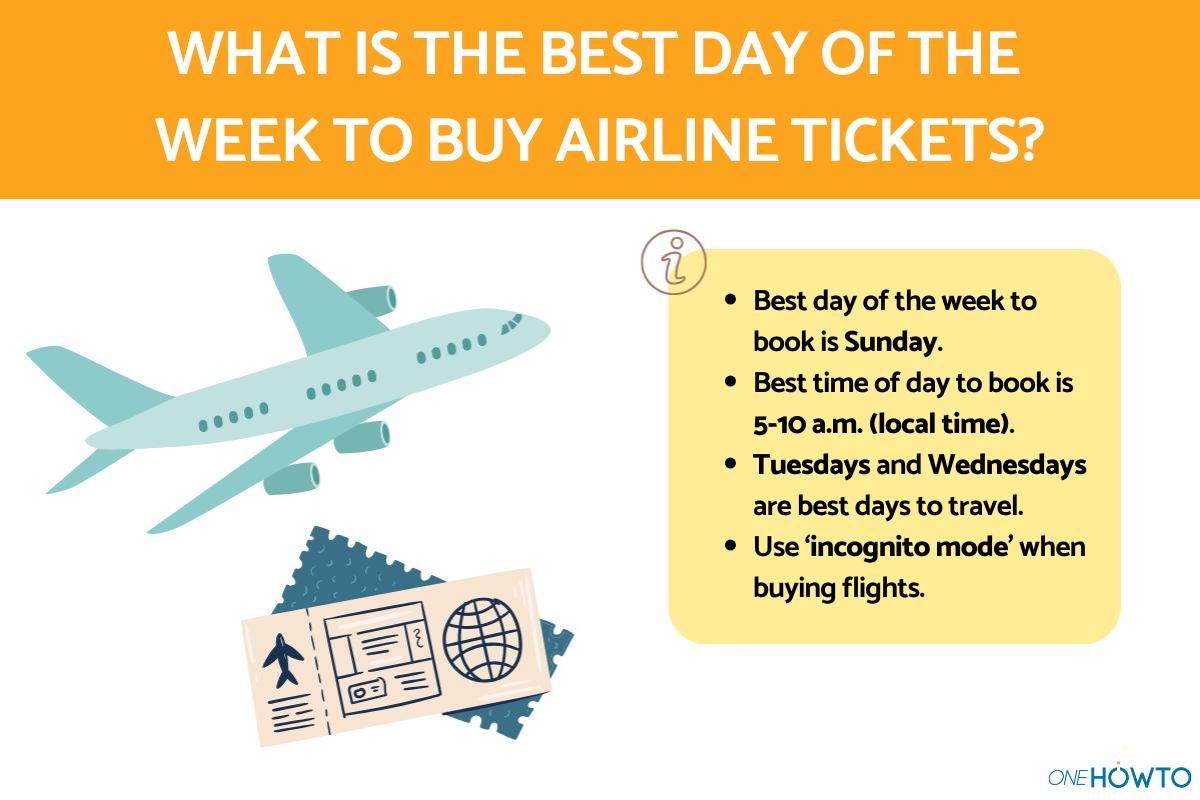
While the impact is often marginal compared to overall market dynamics, the day of the week you book and the day of the week you fly can sometimes affect prices. Many analyses suggest that booking on Tuesdays or Wednesdays might yield slightly lower prices, as airlines often launch new sales or match competitors’ prices early in the week after weekend traffic. However, this effect is diminishing with dynamic pricing. More significantly, flying on Tuesdays, Wednesdays, or Saturdays (for international routes) tends to be cheaper than flying on high-demand days like Fridays or Sundays. Early morning or late-night flights are also generally less expensive due to less passenger preference.
Flexibility in Travel Dates and Airports
One of the most powerful tools in a budget traveler’s arsenal is flexibility. If your travel dates are not rigidly fixed, even shifting your departure or return by a day or two can unlock substantial savings. Use “flexible date” search functions on aggregators (like Google Flights, Skyscanner) to see a calendar view of prices over several weeks or months. Similarly, being open to flying into or out of alternative, smaller airports near your destination can dramatically reduce costs. For instance, flying into London Stansted or Luton might be cheaper than Heathrow or Gatwick, even with the added cost of ground transportation.
Layovers vs. Direct Flights
Direct flights are undeniably convenient, but they often come with a premium price tag. For those prioritizing savings, opting for flights with one or more layovers can significantly reduce the fare. The trick is to evaluate if the cost savings outweigh the added travel time and potential hassle of connecting flights. Sometimes, a strategically chosen layover can even allow you to explore a new city for a few hours or overnight, adding an unexpected bonus to your trip.
Savvy Strategies for Maximizing Savings
Beyond timing and flexibility, there are several advanced strategies and tools that financially astute travelers can employ to further reduce the cost of international air travel.
Harnessing Price Prediction Tools and Alerts
Modern travel tech provides invaluable assistance. Websites like Google Flights, Skyscanner, Kayak, and Hopper offer price prediction tools and the ability to set up price alerts. These tools monitor fare fluctuations for your desired routes and notify you when prices drop to a favorable point. This eliminates the need for constant manual checking and allows the algorithms to work in your favor, helping you seize opportune booking moments.
Employing the “Hidden City” or Multi-City Approach (with caution)
For advanced users, strategies like “hidden city ticketing” can sometimes yield savings. This involves booking a flight where your actual destination is a layover, and the final destination is further along. You simply exit the airport at the layover. For example, if a flight from City A to City C with a layover in City B is cheaper than a direct flight from City A to City B, you might book A-C and get off at B. This strategy comes with significant caveats: you can only use carry-on luggage (checked bags will go to the final destination), you risk angering the airline (which could lead to ticket cancellation on future segments or forfeiture of loyalty points), and it’s generally only viable for one-way tickets. Use with extreme caution and only after thoroughly understanding the risks. A safer alternative is to explore multi-city bookings, where you purposefully book several segments. Sometimes, booking separate one-way tickets on different airlines can also be cheaper than a round-trip, but consider the added complexity if changes are needed.
The Power of Incognito Mode and VPNs (Myth vs. Reality)
While widely discussed, the impact of using incognito mode or VPNs to hide your IP address and browsing history is often overstated. While airlines do track your searches, their dynamic pricing is primarily driven by macro-factors like overall demand, seat availability, and competitor pricing, rather than individual repeated searches. The notion that incognito mode will magically reveal dramatically lower prices is largely a myth. However, it doesn’t hurt to try, and clearing your browser cache and cookies can sometimes help ensure you’re seeing the most up-to-date pricing.
Leveraging Airline Miles and Credit Card Rewards
For frequent travelers, accumulating airline miles through loyalty programs and credit card rewards can be a game-changer for international travel costs. Strategic use of these points can allow you to book flights that would otherwise be prohibitively expensive. Look for credit cards that offer generous sign-up bonuses and travel-specific rewards. Understanding the sweet spots for redeeming miles (e.g., booking far in advance for premium cabins, or during specific promotions) is crucial to maximizing their value. This is a form of “found money” that can significantly reduce your out-of-pocket expenses.
Beyond Timing: Protecting Your Investment
Booking your international flight at the right time is a significant financial win, but smart money management for travel extends beyond the initial purchase. Protecting your investment and being prepared for the unexpected is equally important.
Understanding Fare Classes and Flexibility
When booking, pay close attention to the fare class. Economy tickets are often split into various sub-classes (e.g., Basic Economy, Economy, Economy Plus), each with different rules regarding changes, cancellations, baggage allowances, and seat selection. Basic Economy tickets are typically the cheapest but offer the least flexibility, often with no changes or refunds allowed. While saving money is key, consider if the lowest fare meets your flexibility needs. If there’s a chance your plans might change, a slightly higher fare with more lenient change policies could save you more money in the long run by avoiding hefty change fees or losing the entire ticket value.
Travel Insurance: A Financial Safeguard
For international travel, especially when booking expensive tickets months in advance, travel insurance is not just an option but a crucial financial safeguard. It protects against unforeseen circumstances such as trip cancellations, interruptions, medical emergencies abroad, lost luggage, and even natural disasters. The cost of a comprehensive travel insurance policy is a small fraction of your overall trip cost, but it provides invaluable peace of mind and can prevent significant financial losses should something go awry. Treat it as an essential part of your international travel budget.

The Fine Print: Baggage, Seat Selection, and Hidden Fees
Always read the fine print. What seems like a cheap base fare can quickly escalate once you factor in additional costs. Many airlines, especially budget carriers, charge separately for checked baggage, carry-on bags, seat selection, in-flight meals, and even printing your boarding pass at the airport. These “ancillary fees” can significantly increase your total cost. Factor these potential charges into your budget upfront and compare the total cost across different airlines, not just the base fare, to make the most financially sound decision.
In conclusion, mastering the art of booking international airline tickets involves a blend of timing, flexibility, research, and leveraging smart tools. By understanding the underlying dynamics of airfare pricing, identifying optimal booking windows, and employing savvy strategies, you can transform a potentially costly endeavor into an exercise in astute personal finance, ensuring your dream international journey remains well within reach.
aViewFromTheCave is a participant in the Amazon Services LLC Associates Program, an affiliate advertising program designed to provide a means for sites to earn advertising fees by advertising and linking to Amazon.com. Amazon, the Amazon logo, AmazonSupply, and the AmazonSupply logo are trademarks of Amazon.com, Inc. or its affiliates. As an Amazon Associate we earn affiliate commissions from qualifying purchases.