
For many, an international trip represents not just an adventure but also a significant financial investment. The cost of airfare often constitutes the largest single expense, making the pursuit of the “best deal” a central quest for savvy travelers. In an era of dynamic pricing, complex algorithms, and ever-fluctuating demand, pinpointing the optimal moment to purchase those coveted international flight tickets can feel like a daunting task. Yet, with strategic insight and a solid understanding of how airline pricing works, it’s entirely possible to secure your passage without breaking the bank. This guide delves into the financial intricacies of flight booking, offering actionable advice to help you maximize your savings and stretch your travel budget further.

Understanding the Dynamics of Flight Pricing
Before we can identify the golden booking window, it’s crucial to grasp the fundamental forces that shape airfare costs. Airlines are sophisticated businesses, and their pricing strategies are far from arbitrary. They employ advanced financial models and algorithms designed to optimize revenue, responding in real-time to a myriad of variables.
The Algorithmic Nature of Airfares
Modern airfares are determined by highly complex algorithms that analyze vast amounts of data. This includes historical pricing trends for specific routes, current demand levels, competitor pricing, seat availability in different fare classes, time of year, and even the day of the week. These algorithms dynamically adjust prices, often multiple times within a single day, to ensure maximum profitability. For the consumer, this means the price you see at one moment might be different just a few hours later, emphasizing the need for timely action once a good deal is identified. From a financial perspective, understanding this dynamic nature means recognizing that inaction can literally cost you money.
Demand and Supply Fluctuations
At its core, flight pricing adheres to the economic principle of supply and demand. When demand is high and supply (available seats) is limited, prices surge. This is most evident during peak travel seasons, major holidays (Christmas, New Year’s, Eid, Diwali, etc.), school breaks, and significant international events. Conversely, during off-peak seasons or when airlines need to fill empty seats, prices tend to drop. Identifying these periods of lower demand and greater supply is a cornerstone of financially astute flight booking. It’s a classic economic trade-off: convenience and popular timing often come with a hefty price tag, while flexibility can unlock significant savings.
The Role of Competitors and Fuel Costs
Airline pricing is also heavily influenced by competitive pressures. If multiple airlines operate on the same international route, they will often engage in price wars, leading to temporary drops in fares. Monitoring these competitive dynamics can provide windows of opportunity. Furthermore, external factors such as global fuel prices play a significant role. When jet fuel costs rise, airlines typically pass a portion of these increased operational expenses onto consumers through higher fares. Conversely, a sustained drop in fuel prices can sometimes translate to more favorable ticket prices, though this correlation is not always immediate or direct due to hedging strategies and other financial considerations.
The “Golden Window” for International Bookings
While there’s no single magic number that guarantees the absolute lowest price for every international flight, extensive data analysis and industry insights point towards a generally optimal booking period. This “golden window” is a critical concept for financially prudent travelers.
General Guidelines: The 3-6 Month Sweet Spot
For most international flights, the sweet spot for booking typically falls between three to six months before your departure date. Within this window, airlines have generally opened their full schedule, but demand hasn’t yet reached peak levels, allowing for more competitive pricing. Booking too early (e.g., more than six months out) can sometimes mean paying higher prices, as airlines initially set higher base fares for those eager to secure their plans, knowing they can adjust downwards later if demand is slow. Conversely, waiting too long – especially within three months of departure – often results in significantly higher fares as demand solidifies and available seats diminish, pushing prices upwards. This strategic timing is about capitalizing on the equilibrium between initial availability and rising demand.
Nuances for Different Destinations
The 3-6 month rule is a general guideline, and its efficacy can vary based on the specific international destination and route.
- Highly Popular Routes/Destinations: For routes to major tourist hubs or during peak seasons (e.g., Europe in summer, Caribbean in winter), extending that window to 4-8 months might be more financially advantageous. These routes fill up quickly, and early booking ensures better availability and potentially lower prices before demand spikes.
- Less Popular or Off-Peak Routes: For destinations that see less traffic or during their respective off-seasons, the 3-6 month window might still hold, or you might even find decent deals closer to the 2-3 month mark. Airlines are more desperate to fill seats on these less profitable routes, leading to potential last-minute drops. However, relying on last-minute international deals is often a risky financial gamble.
Avoiding Last-Minute Panics and Early Bird Traps
While the lure of a last-minute bargain is strong, for international travel, it’s generally a financial gamble that doesn’t pay off. As the departure date approaches, especially within 2-4 weeks, prices tend to skyrocket. Airlines know that travelers booking this close to departure are often doing so out of necessity (business, emergencies) and are less price-sensitive. Similarly, booking more than 8-10 months in advance can also be an “early bird trap.” Airlines haven’t yet fine-tuned their pricing for future dates, often setting higher initial fares. They might also introduce sales or promotions closer to the ideal booking window, which you would miss out on. The financially savvy approach is to strike a balance, resisting the urge to jump too early or wait too late.
Strategic Timing Beyond the Booking Window
While the “golden window” provides a broad timeframe, fine-tuning your booking and travel dates can yield additional financial benefits. Smart travelers look beyond just the month of booking to the specific days of the week and even the time of day.
Best Days of the Week to Book and Fly
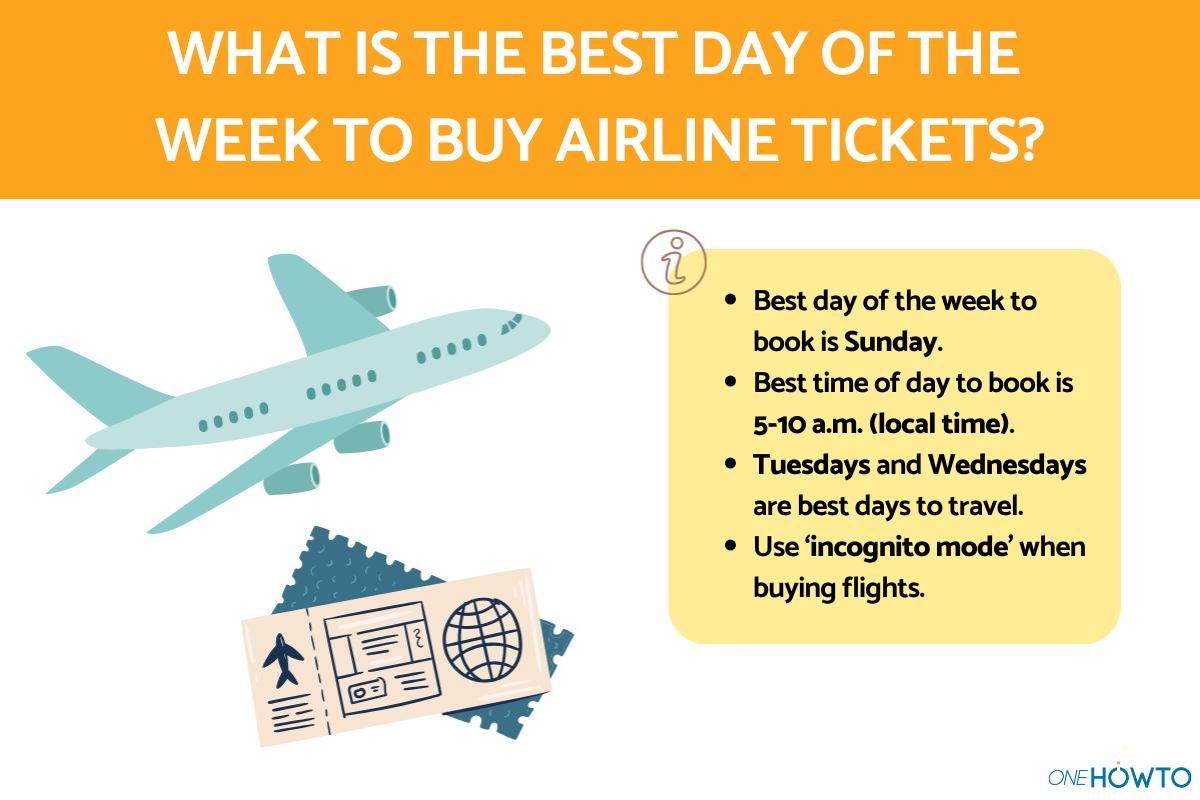
There’s a persistent myth that Tuesday is the best day to book flights. While historically there might have been some truth to this (airlines often launched sales early in the week), in today’s algorithmic world, price changes can occur at any moment. However, some data suggests that booking during the middle of the week (Tuesday to Thursday) can still sometimes offer marginal savings, as weekend prices might be slightly inflated due to higher consumer browsing activity.
More significantly, the day of the week you fly has a much larger impact on cost. Flying on Tuesdays, Wednesdays, and Saturdays often yields lower fares compared to peak travel days like Fridays and Sundays. Monday mornings and Thursday evenings can also be expensive due to business travel demand. Shifting your travel by just one day can sometimes result in hundreds of dollars in savings, representing a direct and tangible financial benefit.
Optimizing Travel Dates and Seasons
Avoiding peak travel seasons is perhaps the most straightforward way to save money on international flights. Summer in Europe, Christmas and New Year’s globally, and specific cultural holidays in various regions are almost always the most expensive times to fly.
- Shoulder Seasons: Target shoulder seasons (e.g., April-May or September-October for many Northern Hemisphere destinations). The weather is often pleasant, tourist crowds are thinner, and critically, flight prices are significantly lower. This strategy offers excellent value for money.
- Off-Season Travel: If your schedule allows and you’re comfortable with potentially less ideal weather, traveling during the absolute off-season (e.g., winter in Europe, monsoon season in Southeast Asia) can unlock the lowest possible fares. This requires flexibility and a willingness to trade some comfort for substantial financial savings.
The Impact of Stopovers and Flexible Dates
Flexibility is a superpower in the world of flight booking.
- Flexible Dates: If you’re not tied to specific dates, use “flexible date” search functions on flight comparison websites. These tools can highlight cheaper dates surrounding your desired travel period, sometimes revealing hundreds of dollars in savings for a departure a day or two earlier or later.
- Stopovers: Direct flights are convenient but often carry a premium. Opting for a flight with one or more stopovers, even if it adds a few hours to your journey, can significantly reduce the ticket price. This is a direct financial trade-off between time and money – a choice many budget-conscious travelers are happy to make. Sometimes, a long layover can even present an opportunity for a mini-exploration of an additional city, adding value to your trip.
Tools and Tactics for Savvy Savers
Leveraging the right resources and employing smart tactics can transform your flight search from a chore into a financially rewarding hunt. These tools empower you to make informed decisions and secure the best possible value for your money.
Price Alerts and Tracking Tools
One of the most effective strategies is to let technology do the heavy lifting for you. Websites and apps like Google Flights, Skyscanner, Kayak, and Hopper allow you to set up price alerts for specific routes and dates. These tools monitor fare changes and notify you when prices drop. This eliminates the need for constant manual checking and ensures you don’t miss out on a good deal within your target booking window. Subscribing to these alerts is a passive yet powerful financial strategy, ensuring you’re always aware of market movements that could save you money.
Incognito Mode and VPNs (Myth vs. Reality)
A common piece of advice circulating online suggests using incognito mode or a Virtual Private Network (VPN) to avoid price increases based on your browsing history. The idea is that airlines or Online Travel Agencies (OTAs) track your searches and raise prices when you repeatedly look at the same flight. While clear, undeniable evidence for this exact practice from major airlines is scarce, especially concerning international flights, using incognito mode doesn’t hurt. It simply prevents your local browser history and cookies from influencing what you see. The real price changes are primarily driven by the complex algorithms responding to overall demand, inventory, and competitor pricing, not necessarily your individual clicks. Therefore, while it’s a harmless habit, don’t expect it to be a magic bullet for significant financial savings.
Leveraging Credit Card Rewards and Airline Miles
For many financially savvy individuals, credit card rewards programs and airline loyalty schemes are game-changers for international travel.
- Travel Credit Cards: Many credit cards offer substantial sign-up bonuses in the form of points or miles, which can be redeemed for international flights. Earning points on everyday spending can also significantly reduce or even eliminate the cash cost of airfare. Understanding which cards offer the best redemption rates for your desired airlines and routes is a key financial strategy.
- Airline Loyalty Programs: Even if you’re not a frequent flyer with one airline, accumulating miles through their loyalty program (or a partner airline’s program) can lead to future savings. These programs often have tiered benefits, offering upgrades, free checked bags, or even complimentary flights. Strategically consolidating your travel with alliance partners (e.g., Star Alliance, Oneworld, SkyTeam) can accelerate your points accumulation.
Considering Budget Airlines and Alternative Airports
When flying internationally, don’t limit your search to major flag carriers or primary airports.
- Budget Airlines: The rise of long-haul budget carriers (e.g., Norwegian, LEVEL, AirAsia X, Scoot) has revolutionized international travel, offering significantly lower base fares. However, be acutely aware of their fee structure for baggage, seat selection, meals, and other “extras.” Factor these into your total cost analysis to ensure you’re truly saving money. A $300 base fare isn’t a deal if an additional $200 in mandatory fees brings it close to a full-service airline’s price.
- Alternative Airports: Major cities often have multiple airports. While flying into the main international hub might be convenient, smaller, secondary airports (e.g., London Gatwick instead of Heathrow, Paris Orly instead of Charles de Gaulle) often serve budget airlines and can have substantially cheaper flights. Account for the cost and time of ground transportation from these alternative airports to your final destination in your overall financial calculation.
Common Pitfalls and How to Avoid Them
Even the most meticulous planner can fall victim to common mistakes that erode financial savings. Being aware of these pitfalls can help you protect your investment and ensure a smoother journey.
Overlooking Hidden Fees
The seemingly low base fare can quickly escalate once hidden fees are added. For international flights, these can include:
- Baggage Fees: Many airlines, especially budget carriers, charge for checked luggage and sometimes even for carry-on bags. Always check the airline’s baggage policy before booking.
- Seat Selection Fees: Some airlines charge extra to select a specific seat, especially for preferred seats with more legroom.
- Credit Card Surcharges: A few airlines or OTAs might add a small percentage surcharge if paying by credit card.
- Visa Fees: Not a flight fee, but an important financial consideration for international travel that can add significant cost. Always research visa requirements and associated costs for your destination.
A comprehensive financial assessment means adding all these potential costs to the base fare to get an accurate picture of your total expense.
Ignoring Travel Insurance
While an additional upfront cost, travel insurance is a crucial financial safeguard for international trips. Flights are often non-refundable or come with hefty change fees. Travel insurance can protect your investment against unforeseen circumstances such as:
- Trip Cancellation/Interruption: If you have to cancel your trip due to illness, a family emergency, or other covered reasons, the insurance can reimburse you for non-refundable flight costs.
- Flight Delays/Missed Connections: It can cover expenses incurred due to significant delays or if you miss a connecting flight.
- Lost/Delayed Baggage: Provides financial compensation if your luggage is lost or delayed.
Considering the substantial financial commitment of international airfare, particularly if booking well in advance, foregoing travel insurance can expose you to significant monetary risk.

Booking Non-Refundable Fares Without Flexibility
Most economy international flights are sold as non-refundable fares. While these are generally cheaper, they offer little to no flexibility. If your plans change, you could lose the entire cost of your ticket or face exorbitant change fees that sometimes exceed the original ticket price. Before booking, especially if there’s any uncertainty about your travel dates, carefully weigh the cost savings of a non-refundable fare against the potential financial risk of needing to change or cancel. Some airlines offer “flex” fares at a higher price, which might include free changes or partial refunds. For certain travelers, the peace of mind and financial security offered by these flexible options can be worth the extra cost.
In conclusion, securing the best financial deal on international flight tickets is less about luck and more about strategy, knowledge, and patience. By understanding the economic forces at play, timing your booking within the optimal window, leveraging strategic travel dates, and utilizing the right tools, you can significantly reduce your travel expenses. Remember to account for all potential costs, protect your investment with insurance, and remain flexible where possible. Ultimately, smart financial planning in your flight bookings translates directly into more disposable income for experiences, accommodations, or even future investments, making your international adventures both memorable and financially astute.
aViewFromTheCave is a participant in the Amazon Services LLC Associates Program, an affiliate advertising program designed to provide a means for sites to earn advertising fees by advertising and linking to Amazon.com. Amazon, the Amazon logo, AmazonSupply, and the AmazonSupply logo are trademarks of Amazon.com, Inc. or its affiliates. As an Amazon Associate we earn affiliate commissions from qualifying purchases.