
Navigating the volatile landscape of airfare pricing can often feel like a guessing game, a complex dance between supply, demand, and sophisticated algorithms. For the financially astute traveler, understanding the ebb and flow of these prices isn’t just about saving a few dollars; it’s about optimizing travel budgets, maximizing value, and making informed financial decisions that align with broader personal finance goals. This deep dive aims to demystify airfare dynamics, providing actionable insights into the elusive question of “when do airfares go down.” By peeling back the layers of airline pricing strategies, we empower consumers to move from reactive booking to proactive, strategic purchasing, turning potential savings into tangible gains.
Understanding the Airfare Algorithm: Dynamic Pricing Explained
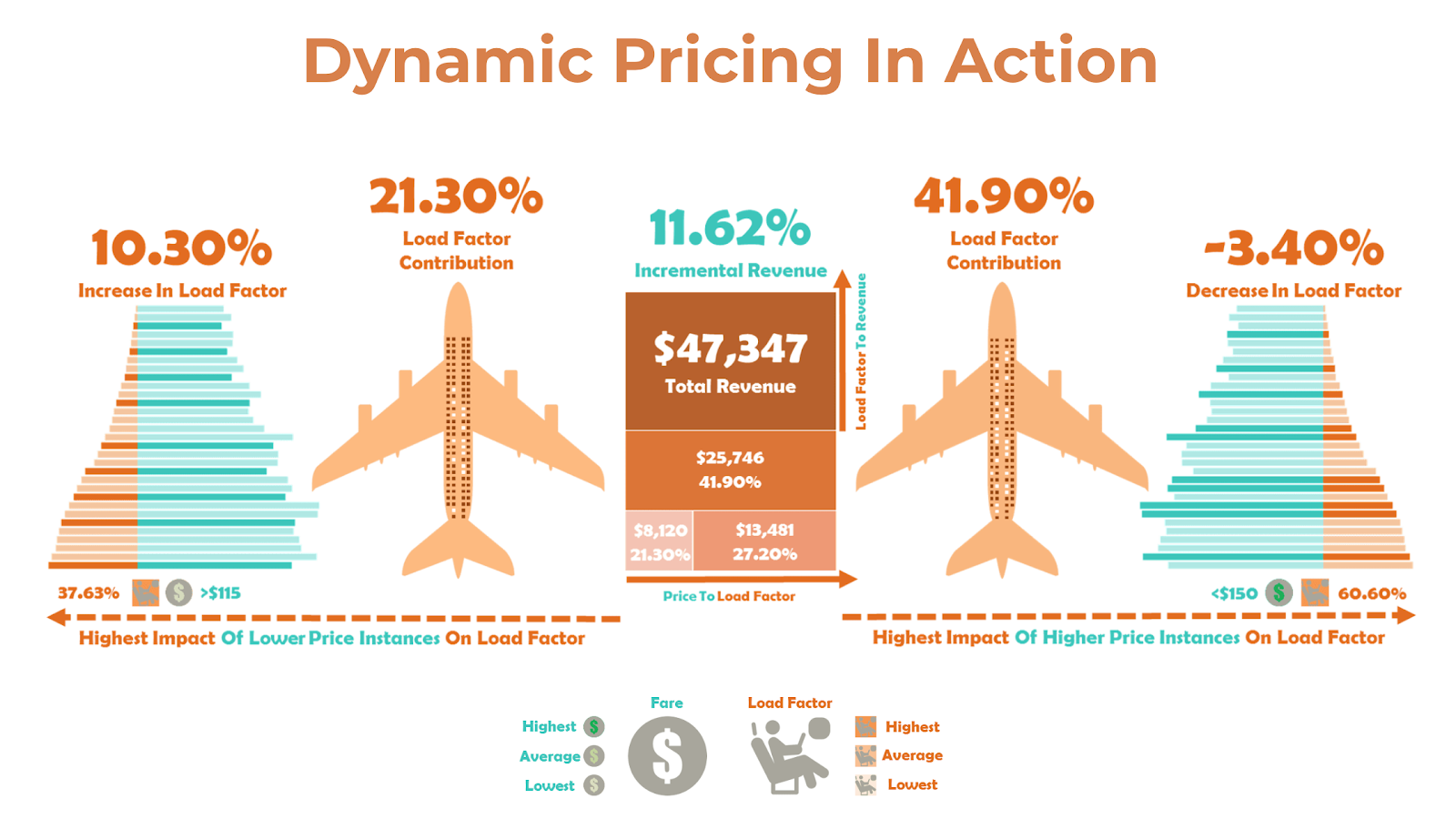
At the heart of airline pricing lies a highly sophisticated system known as dynamic pricing or yield management. This isn’t a static price list; it’s a constantly evolving algorithm that adjusts ticket costs in real-time, often multiple times a day, based on a myriad of factors. Airlines employ vast data sets, predictive analytics, and complex economic models to determine the optimal price for every seat on every flight. This intricate system is designed to maximize revenue, ensuring that planes fly as full as possible while extracting the highest possible fare from each passenger.
The Invisible Hand: Supply, Demand, and Data Analytics
The foundational principles of economics – supply and demand – play a crucial role. When demand for a particular flight or route is high and supply (available seats) is low, prices naturally climb. Conversely, if a flight is undersold, airlines will often reduce fares to stimulate bookings. However, modern dynamic pricing goes far beyond this basic interaction. It incorporates historical booking data for specific routes, competitor pricing, fuel costs, seasonal travel trends, major events, and even the browsing patterns of potential customers.
Airlines analyze everything from the time of year and day of the week to the lead time before departure and the number of remaining seats in each fare class. They segment their cabins into various “fare buckets,” each with a different price point and set of restrictions. As lower-priced buckets sell out, the system automatically opens up higher-priced ones, reflecting the increasing scarcity and perceived value of the remaining seats. This data-driven approach means that two passengers sitting next to each other on a plane could have paid vastly different amounts for their tickets, a testament to the personalized and ever-changing nature of airfare pricing.
How Airlines Set Prices: Yield Management Strategies
Yield management is the strategic process by which airlines attempt to sell the right seat to the right customer at the right price at the right time. This involves forecasting demand for each flight segment and adjusting prices accordingly. Early bookings for a flight might be cheaper to ensure a baseline load factor, but as the departure date approaches, prices might increase sharply for last-minute business travelers who have less price sensitivity.
Airlines also consider the “value” of each passenger. A business traveler flying on an expense account is often willing to pay more for flexibility and convenience, while a leisure traveler typically prioritizes cost savings. The yield management system attempts to identify these different customer segments and offer them differentiated pricing. Moreover, pricing can be influenced by unexpected events, such as a sudden rise in oil prices, geopolitical instability affecting specific routes, or even a competitor launching a promotional sale. Understanding this complex interplay is the first step in formulating a strategic approach to airfare purchasing, allowing travelers to anticipate price movements rather than merely reacting to them.
The Golden Window: Best Times to Book for Savings
While the precise moment for the absolute lowest fare is unpredictable, extensive data analysis reveals discernible patterns and “golden windows” during which airfares tend to be most favorable. Identifying these periods is a cornerstone of financially savvy travel planning, enabling significant savings on an otherwise substantial travel expense. This section unpacks these timing strategies, differentiating between booking lead times and optimal travel periods.
The 3-Month Sweet Spot: Domestic vs. International Flights
General wisdom suggests that there’s a booking sweet spot, a period neither too early nor too late, where airfares offer the best value. For domestic flights, this window typically falls between 1 to 3 months (approximately 21 to 90 days) prior to departure. Booking too far in advance (e.g., 6+ months) can sometimes result in higher prices, as airlines initially set conservative fares, leaving room for adjustments. Booking too late, especially within two weeks of departure, almost invariably leads to steep price increases, as airlines cater to less price-sensitive business travelers or urgent last-minute trips.
For international flights, the lead time for optimal pricing tends to be longer, extending from 2 to 8 months (approximately 60 to 240 days) out. International routes involve more complex logistics, higher operating costs, and different demand patterns. Airlines release these fares further in advance, and early booking often rewards passengers with better deals before demand consolidates. Waiting too long for international travel risks missing out on promotional fares and facing significantly elevated costs. These windows are averages, and specific routes or peak travel seasons may deviate, but they serve as an excellent financial guideline.
The Day of the Week Myth vs. Reality
The common belief that Tuesday is the best day to book flights has some historical basis but is less definitive today due to dynamic pricing. Historically, airlines would release sales on Monday evenings, and by Tuesday morning, competitors would match those fares, leading to a flurry of deals. While some residual effect might remain, with minor fluctuations observed mid-week, the specific day of booking has become less impactful than the overall demand and remaining seat inventory.
More significantly, the day of the week you fly holds more financial weight. Traveling mid-week, typically Tuesdays, Wednesdays, and sometimes Thursdays, often results in lower fares than flying on peak travel days like Fridays, Saturdays, and Sundays. This is because weekend travel is popular for leisure and short breaks, driving up demand and prices. Flexible travelers willing to depart or return mid-week can frequently secure more economical tickets, optimizing their travel budget.
Seasonality and Major Holidays: Impact on Pricing
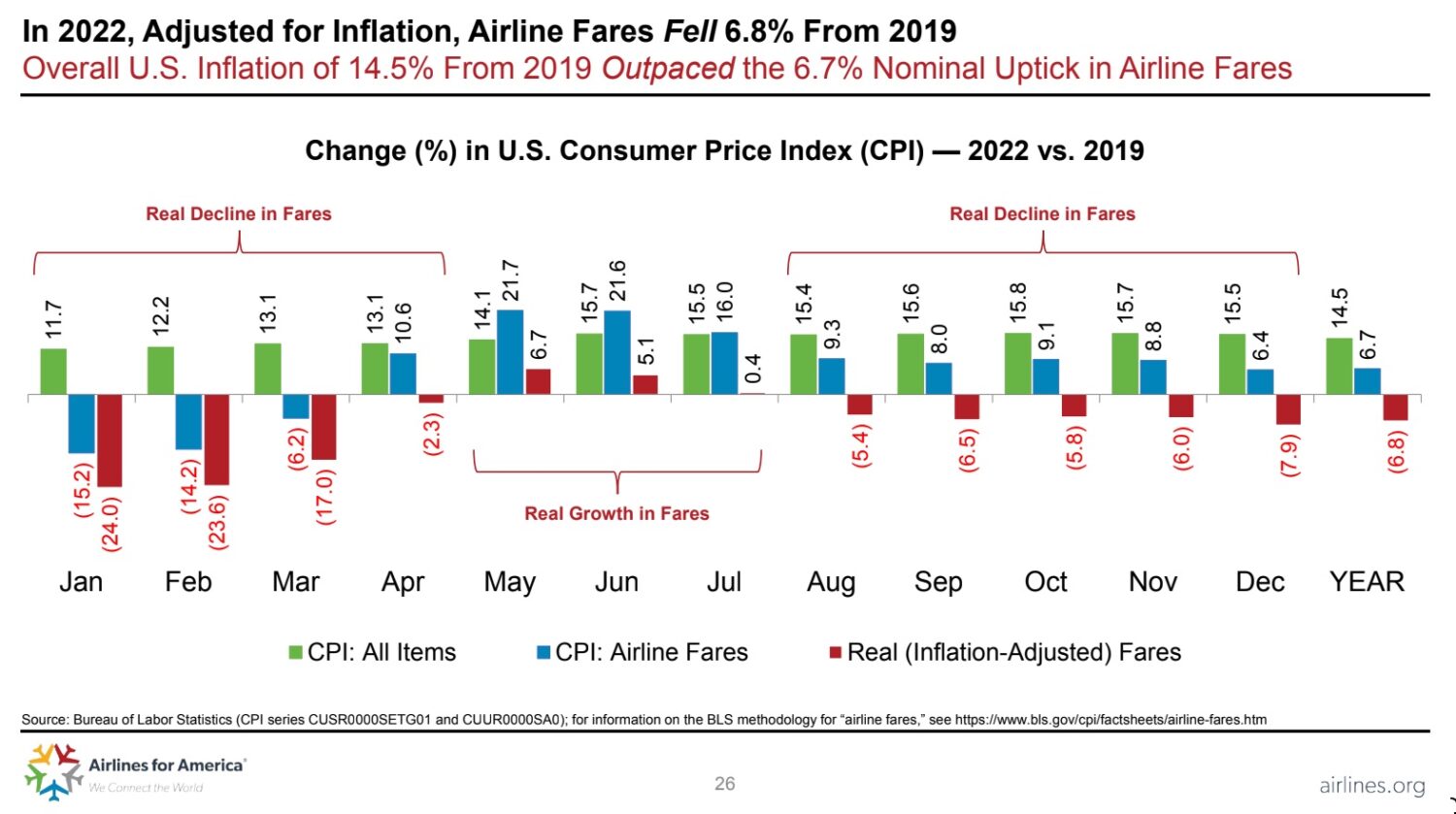
Seasonality is arguably the most dominant factor influencing airfare fluctuations. Peak travel seasons – summer months (June-August), major holidays (Christmas, New Year’s, Thanksgiving), and spring break periods – invariably see the highest prices due to surge in demand. Conversely, the shoulder seasons (e.g., April-May and September-October in many regions) and the off-season (e.g., January-March, excluding spring break, or late autumn) typically offer the most attractive fares. During these times, demand slackens, prompting airlines to lower prices to fill seats.
Travelers seeking to maximize financial efficiency should prioritize flying during these less popular times. Planning trips around major holidays also requires significant foresight and flexibility. Booking for these periods often needs to occur at the very beginning of the “golden window” (e.g., 6-8 months out for Christmas travel) to mitigate the inevitable price hikes. Ignoring seasonality is one of the quickest ways to overspend on airfares, making it a critical consideration for any budget-conscious traveler.
Strategic Booking: Tools and Techniques for Savvy Travelers
Beyond understanding when to book, strategic travelers leverage a suite of tools and techniques to actively seek out and secure the best possible airfares. This proactive approach transforms the arduous task of finding cheap flights into an efficient, financially rewarding endeavor. By employing the right resources and embracing flexibility, individuals can significantly reduce their travel expenditure.
Price Alerts and Tracking Tools: Your Digital Assistants
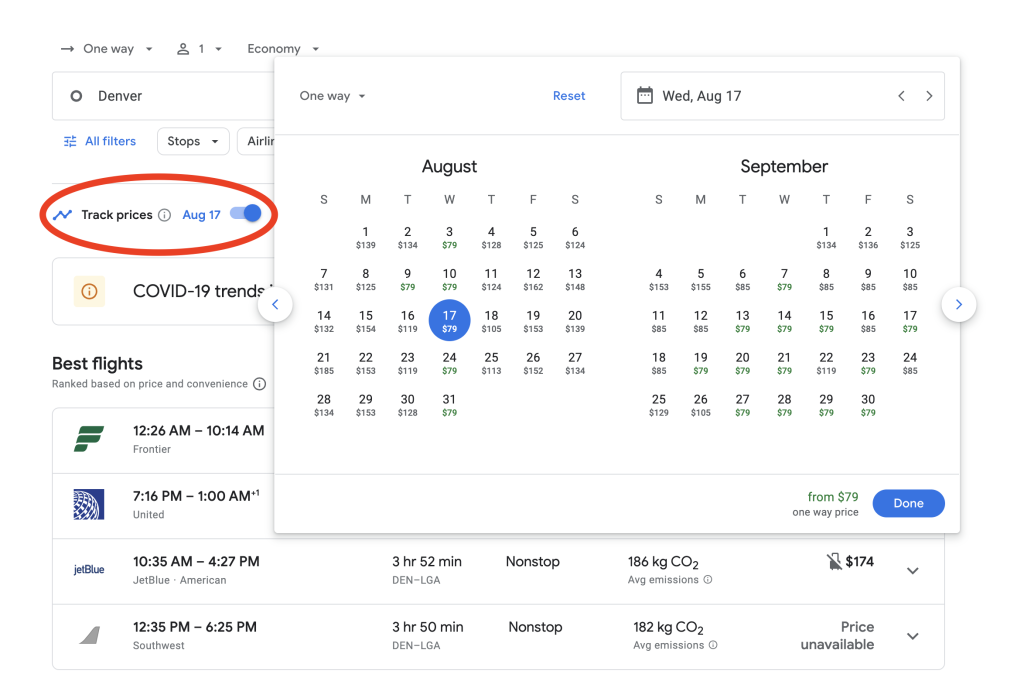
In the age of dynamic pricing, manually checking flight prices multiple times a day is neither practical nor efficient. This is where dedicated price alert and tracking tools become indispensable financial assets. Services like Google Flights, Skyscanner, Hopper, and Kayak allow users to set up alerts for specific routes and dates. When the price for a monitored flight drops significantly, an email or app notification is sent directly to the user, signaling an opportune moment to purchase.
These tools are more than just alert systems; they often provide historical price trends, predicting whether prices are likely to rise or fall, and offering recommendations on whether to buy now or wait. Hopper, for instance, uses predictive algorithms to advise users on the best time to book based on historical data. Utilizing these digital assistants automates the monitoring process, ensuring that budget-conscious travelers don’t miss out on fleeting price drops that align with their financial goals. Integrating these tools into one’s travel planning routine is a crucial step towards consistent airfare savings.
Flexibility is Your Friend: Dates, Times, and Airports
One of the most potent weapons in a traveler’s arsenal for securing lower airfares is flexibility. The more adaptable you can be with your travel parameters, the greater your chances of finding a deal.
- Flexible Dates: As discussed with seasonality, shifting travel dates by even a day or two can yield substantial savings. Flight search engines often have “flexible date” options or calendar views that highlight cheaper days to fly around your desired period. Flying mid-week instead of on weekends is a classic example.
- Flexible Times: Early morning flights (before 8 AM) and late-night flights (after 9 PM) are often less convenient and thus less expensive than mid-day departures. Willingness to adjust your schedule to these less popular times can translate directly into financial savings.
- Flexible Airports: Many major metropolitan areas are served by multiple airports. While one airport might be primary, checking fares to and from smaller, nearby airports can sometimes uncover significantly cheaper options. For example, flying into London Stansted or Luton might be cheaper than Heathrow or Gatwick, even with the added ground transportation cost. A thorough cost-benefit analysis of the total travel expense (flight + ground transport) is essential here.
The Power of Incognito Mode and VPNs (Clarification)
The idea that browsing in incognito mode or using a VPN will magically unlock secret, lower airfares is a persistent myth, though it stems from a kernel of truth. Airlines and Online Travel Agencies (OTAs) do use cookies and tracking technology to understand user behavior. If you repeatedly search for the same flight, some systems might interpret this as high interest and potentially increase the displayed price on subsequent visits, attempting to push you towards a purchase.
While incognito mode or clearing cookies can prevent this potential price creep, it generally won’t reveal drastically lower prices that weren’t otherwise available. The primary benefit is ensuring you’re seeing the current, base market price rather than a potentially inflated one due to your browsing history. Using a VPN to connect from a different country can sometimes show different prices, as some airlines offer region-specific promotions or base pricing on the point of sale. However, this is more complex and less consistently reliable than other strategies, and it’s essential to ensure the booking terms are valid for your actual location. For most travelers, focusing on the broader strategies of timing, flexibility, and price alerts will yield more consistent financial returns.
Beyond Booking: Maximizing Savings and Value
Securing a great airfare is a significant win for any budget-conscious traveler, but the pursuit of financial optimization extends beyond the initial ticket purchase. A holistic approach to travel finance involves leveraging loyalty programs, understanding the true cost of ancillary services, and exploring alternative travel strategies that further stretch your travel budget. This section delves into these advanced tactics for maximizing overall value.
Loyalty Programs and Credit Card Perks
For frequent travelers, loyalty programs offered by airlines and airline alliances are not just about earning free flights; they are critical financial tools. Accumulating miles or points through flying, co-branded credit cards, or partner purchases can lead to significant savings on future travel. These points can be redeemed for flights, upgrades, or even offset the cost of ancillary services.
Travel credit cards, in particular, offer a robust suite of financial benefits. Many come with generous sign-up bonuses in miles, offer accelerated earning rates on travel-related purchases, and provide perks such as free checked bags, priority boarding, airport lounge access, and travel insurance. The value of these benefits can easily outweigh the annual fee, especially for those who travel regularly. Strategic use of these cards, aligning spending with bonus categories and redeeming points wisely, is an advanced personal finance strategy that can substantially reduce out-of-pocket travel expenses over time. Understanding the redemption value of points versus cash fares is key to making financially optimal decisions.
Considering Layovers and Alternate Routes
Direct flights are undoubtedly convenient, but that convenience often comes at a premium. Travelers with a flexible schedule and a strong desire to save money should always consider flights with layovers or exploring alternate routes. A flight with one or two stops can be significantly cheaper than a non-stop option, especially on long-haul international routes. While it adds to travel time, the financial savings can be substantial, allowing for a reallocation of funds to other aspects of the trip or future financial goals.
Similarly, sometimes flying to a larger hub airport and then taking a separate, cheaper regional flight or ground transportation to your final destination can be more economical than a direct flight to a smaller airport. This requires careful planning and a thorough cost-benefit analysis, including the time required for transfers, potential baggage fees on separate tickets, and the risk of missed connections if flights are not on the same itinerary. However, for the financially savvy, these “split ticket” or multi-modal travel strategies can unlock hidden savings.
Package Deals vs. DIY Booking
The debate between booking package deals (flight + hotel, or flight + hotel + car) versus assembling components yourself is a perennial one for budget travelers. Package deals, often offered by online travel agencies or tour operators, can sometimes present excellent value, especially during off-peak seasons or when airlines and hotels are trying to offload inventory. The bundled pricing can be lower than booking each component individually, as providers secure bulk discounts.
However, DIY booking offers unparalleled flexibility and the ability to cherry-pick the absolute best deals for each component. By meticulously comparing individual flight prices, hotel rates, and car rentals across various platforms, savvy travelers can often construct an itinerary that is more tailored to their preferences and budget. The optimal approach often depends on the specific trip, destination, and the traveler’s willingness to invest time in research. For those prioritizing financial control and customization, DIY booking, leveraging the strategies outlined previously, frequently offers the most direct path to cost optimization.
In conclusion, understanding “when do airfares go down” is less about finding a magic bullet and more about embracing a multi-faceted, financially informed approach to travel planning. By comprehending dynamic pricing, leveraging booking windows, utilizing digital tools, prioritizing flexibility, and adopting long-term savings strategies, travelers can transform the often-stressful task of buying plane tickets into a rewarding exercise in personal financial management. The ultimate goal is not just to find a cheap flight, but to integrate intelligent travel purchasing into a broader framework of responsible and strategic financial decision-making, ensuring that every travel dollar is spent wisely.
aViewFromTheCave is a participant in the Amazon Services LLC Associates Program, an affiliate advertising program designed to provide a means for sites to earn advertising fees by advertising and linking to Amazon.com. Amazon, the Amazon logo, AmazonSupply, and the AmazonSupply logo are trademarks of Amazon.com, Inc. or its affiliates. As an Amazon Associate we earn affiliate commissions from qualifying purchases.