
The dream of visiting Japan – a land where ancient traditions gracefully coexist with futuristic marvels – is a shared aspiration for countless travelers worldwide. From the serene temples of Kyoto to the bustling neon-lit streets of Tokyo, the allure is undeniable. However, for many, the pivotal question that transforms this dream into a tangible plan revolves around a single, critical financial query: “How much does a ticket to Japan cost?” This isn’t merely a matter of checking a price on a website; it’s an intricate financial puzzle influenced by a myriad of factors, each requiring careful consideration and strategic planning. Understanding these elements is the first step in demystifying the expense and making your journey to the Land of the Rising Sun a financially viable reality. This article delves deep into the financial considerations of securing your flight to Japan, exploring the variables that dictate prices, offering strategies for cost optimization, and highlighting the broader financial picture of international travel.
Understanding the Core Variables Influencing Flight Prices
The price of an airline ticket to Japan is not static; it’s a dynamic figure that fluctuates based on a complex interplay of market forces, demand, and operational costs. Deciphering these core variables is fundamental to budgeting effectively and finding the best value for your money.
The Impact of Departure and Arrival Locations
The journey begins at your doorstep. The cost of a flight to Japan is heavily dependent on your departure city and, to a lesser extent, your chosen arrival airport in Japan. Major international hubs like New York (JFK), Los Angeles (LAX), London (LHR), Sydney (SYD), or Singapore (SIN) often offer more competitive prices and direct flight options due to higher competition among airlines. Conversely, flying from smaller regional airports typically incurs higher costs, often requiring connecting flights which add both time and expense. In Japan, Tokyo’s Narita (NRT) and Haneda (HND) airports are the primary international gateways, with Osaka’s Kansai (KIX) also being a popular choice. While Haneda is closer to central Tokyo, sometimes Narita offers slightly cheaper flights due to its larger capacity and more international routes. Researching different departure and arrival points can unveil significant savings.
Timing is Everything: Seasonality and Booking Windows
Perhaps the most significant factor affecting ticket prices is timing. Japan experiences distinct peak travel seasons, notably during cherry blossom season (late March to early April), Golden Week (late April to early May), and the autumn foliage season (October to November). During these periods, demand surges, and consequently, flight prices can skyrocket. Conversely, the low season (e.g., late January to February, excluding Lunar New Year) often presents the most affordable fares. Beyond seasonality, the “booking window” plays a crucial role. While there’s no magic number, general wisdom suggests booking international flights approximately 2-6 months in advance. Booking too early might miss out on potential sales, while booking too late almost guarantees higher prices as seats fill up. Weekday departures and arrivals are generally cheaper than weekend flights, and flying on Tuesdays or Wednesdays can sometimes yield the best deals.
Airline Choice and Class of Service
The airline you choose and your preferred class of service will dramatically impact the ticket price. Full-service carriers like Japan Airlines (JAL), All Nippon Airways (ANA), Delta, United, British Airways, or Singapore Airlines typically offer a higher standard of comfort, in-flight amenities, meals, and baggage allowance, reflected in their prices. Budget airlines or low-cost carriers (LCCs) such as AirAsia X or Scoot, which might offer routes to Japan from specific regions, often have significantly lower base fares but charge extra for everything from checked baggage to seat selection and in-flight meals. The class of service — Economy, Premium Economy, Business, or First Class — represents the most substantial price differentiator. While economy tickets are the most budget-friendly, upgrading even to Premium Economy can double or triple the cost, offering more legroom and enhanced services.
The Flexibility Factor: Direct vs. Connecting Flights
Direct flights offer convenience and save time, but they often come with a premium price tag. Opting for flights with one or more layovers can frequently lead to substantial savings, especially if you’re willing to extend your travel time. When considering connecting flights, it’s essential to factor in the layover duration, the reliability of the connecting airport, and potential risks like missed connections. Sometimes, a “hidden city ticketing” strategy (booking a flight that connects through your desired destination but is cheaper than a direct flight to that destination) can save money, though airlines generally discourage this practice and it carries risks like baggage issues. Flexibility with your travel dates and times, even by a day or two, can also unlock more economical options.
Budgeting for Your Japanese Adventure: Beyond the Airfare
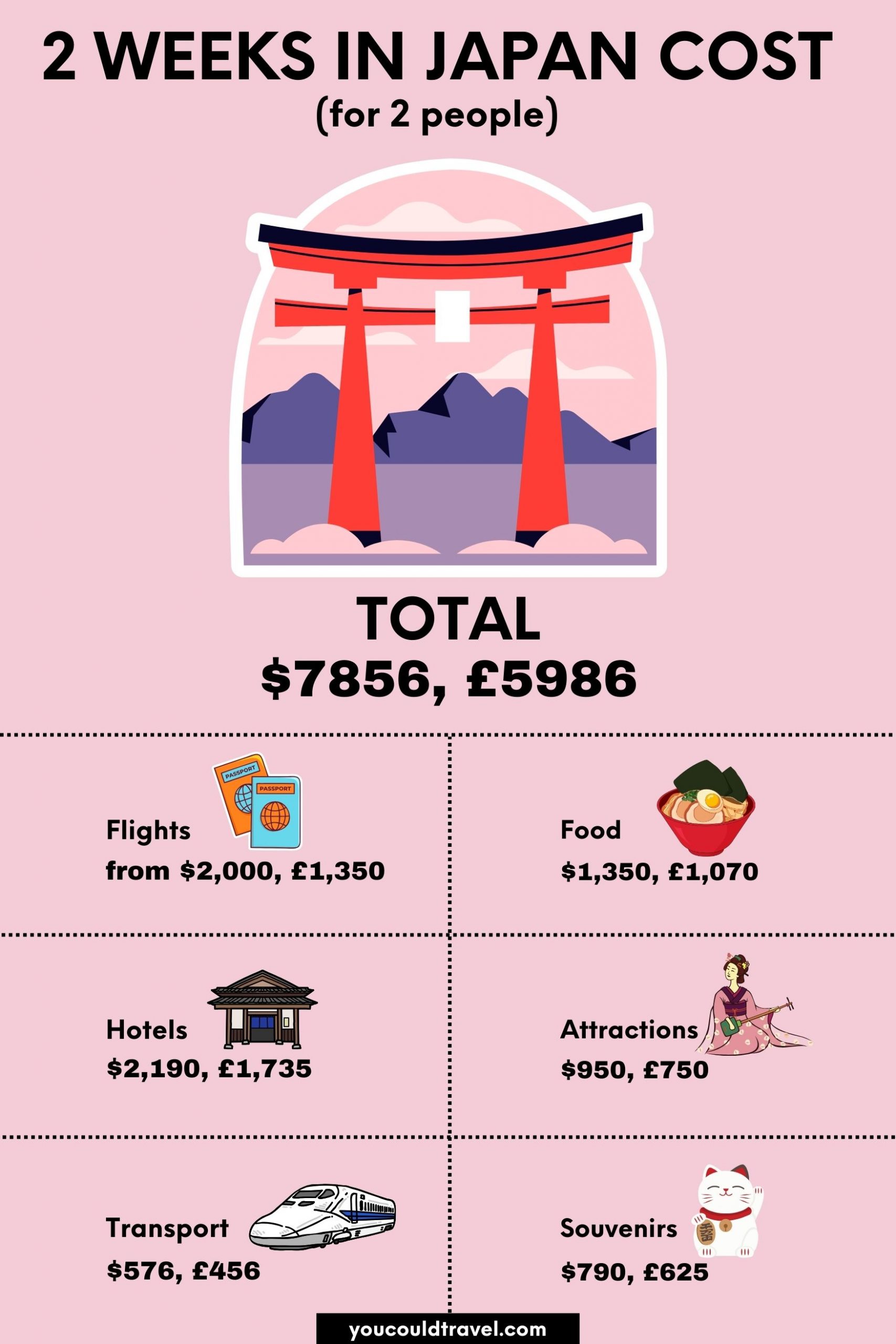
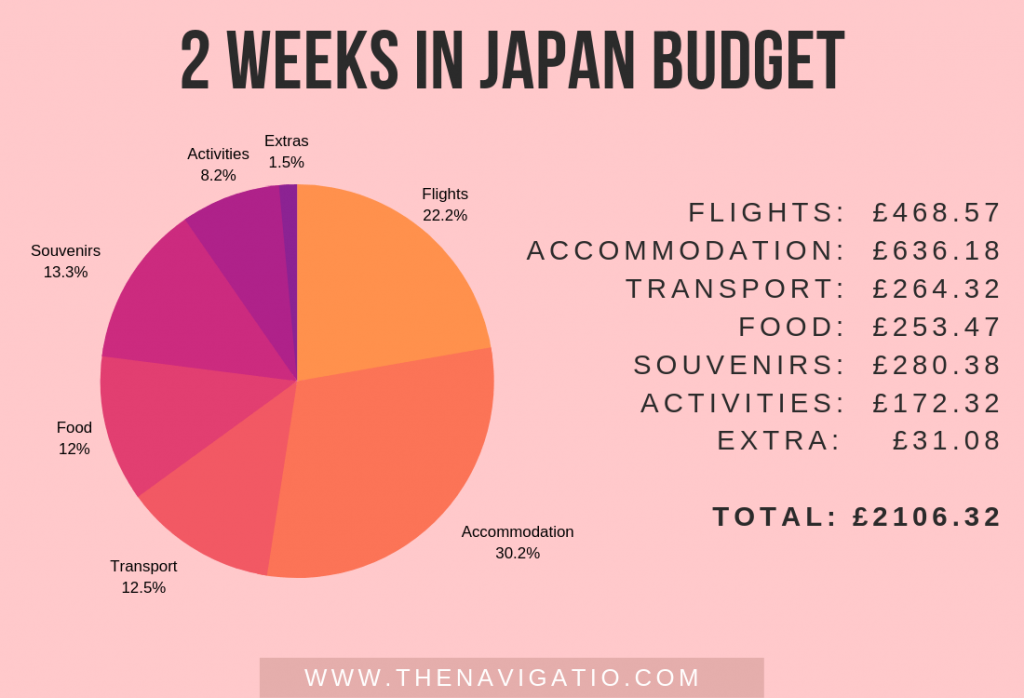
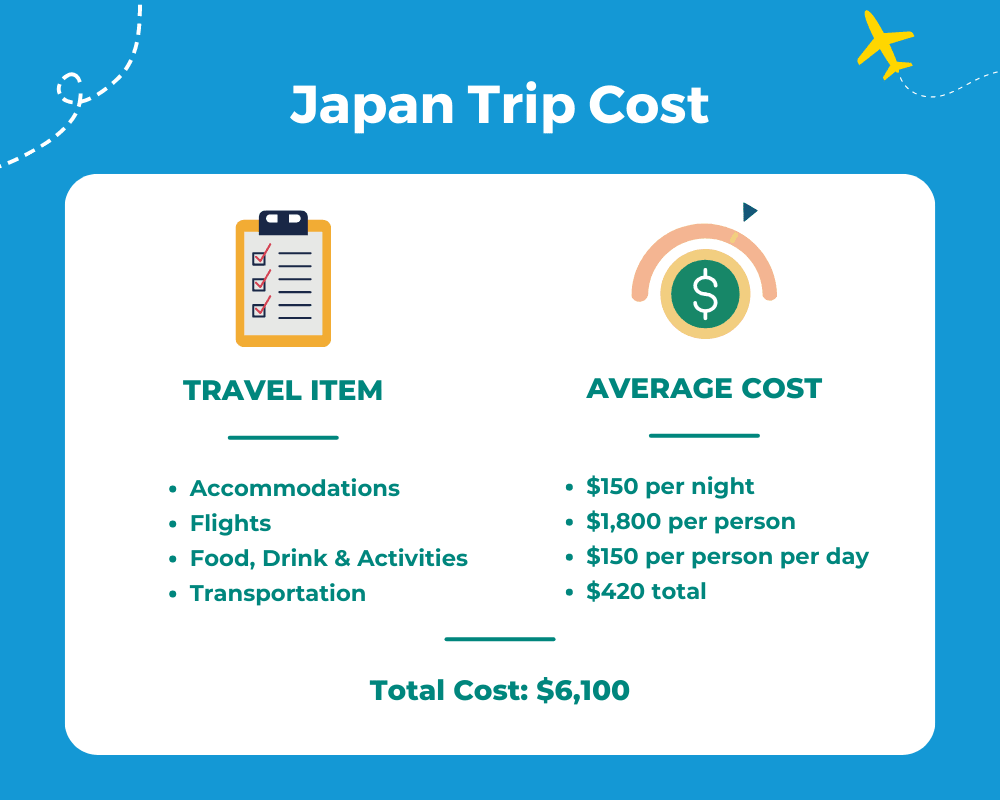
While the flight ticket is a significant upfront cost, it’s merely one component of the overall financial outlay for a trip to Japan. A holistic financial plan requires accounting for expenses incurred once you’ve landed, ensuring your entire journey is financially sustainable.
Accommodation: From Hostels to Ryokans
Japan offers a diverse range of accommodation options to suit every budget. For the cost-conscious traveler, hostels, capsule hotels, and budget business hotels provide affordable and clean lodging, particularly in major cities. Mid-range options include standard hotels and Airbnb rentals. For a more luxurious or culturally immersive experience, traditional Japanese inns (ryokans) or high-end international hotels represent a significant financial investment. Prices vary drastically by city, with Tokyo and Kyoto generally being more expensive than smaller towns. Booking well in advance, especially during peak season, is crucial for securing preferred rates and availability.
Transportation within Japan: Rail Passes and Local Transit
Japan’s public transportation system is world-renowned for its efficiency and punctuality. The Shinkansen (bullet train) network connects major cities swiftly, but individual tickets can be costly. For extensive travel, especially across multiple regions, a Japan Rail Pass can be an incredibly cost-effective option, offering unlimited travel on JR lines for a set period. However, it requires careful calculation to determine if it truly offers savings compared to individual tickets for your specific itinerary. Within cities, local subways and buses are efficient and relatively affordable, with day passes often available for further savings. Taxis, while convenient, are considerably more expensive and generally reserved for short distances or late-night travel.
Food, Activities, and Souvenirs
Dining in Japan can range from incredibly inexpensive (think convenience store meals, ramen shops, or donburi bowls) to exceptionally extravagant (Michelin-starred restaurants). Budgeting around ¥3,000-¥5,000 (approximately $20-$35 USD) per day for food is a reasonable starting point for a moderate traveler. Entrance fees for temples, museums, gardens, and other attractions also add up. Many popular sites cost ¥500-¥1,000. For activities like cooking classes, cultural experiences, or theme park entry, expect higher costs. Finally, souvenir shopping, from unique local crafts to ubiquitous Kit Kat flavors, can quickly deplete your budget if not managed carefully.
Travel Insurance and Contingency Funds
Never underestimate the importance of travel insurance. While an additional upfront cost, it provides financial protection against unforeseen circumstances such as trip cancellations, medical emergencies, lost baggage, or travel delays. The peace of mind it offers is invaluable. Furthermore, always allocate a contingency fund – typically an extra 10-15% of your total budget. Unexpected expenses, such as a spontaneous side trip, a unique purchase, or an unforeseen medical need, can arise, and having a buffer prevents financial strain or having to cut your trip short.
Strategic Booking: Maximizing Value for Your Money
Finding an affordable ticket to Japan isn’t just about luck; it’s about employing smart strategies and understanding how to navigate the complex ecosystem of flight pricing.
Leveraging Flight Comparison Websites and Price Alerts
Tools like Google Flights, Skyscanner, Kayak, and Expedia are indispensable for comparing fares across multiple airlines and online travel agencies. These platforms allow you to set price alerts for your desired route, notifying you when prices drop. This passive monitoring can be highly effective, especially when you have a flexible booking window. Remember to check prices directly on airline websites as well, as sometimes they offer exclusive deals not available through third-party aggregators. Using incognito mode in your browser can sometimes prevent dynamic pricing based on your search history, though its effectiveness is debated.
The Art of Shoulder Season Travel
As mentioned, peak seasons are expensive. The “shoulder seasons” – the periods immediately before or after the peak seasons – often offer a sweet spot. For Japan, this means late April/early May (after cherry blossoms, before Golden Week), late May/early June (before the humid summer, after Golden Week), or late September/early October (before peak autumn, after summer holidays). During these times, the weather is still pleasant, tourist crowds are thinner, and flight and accommodation prices are typically more reasonable than during the absolute peak. This strategy provides a balance between cost savings and an enjoyable travel experience.
Loyalty Programs and Credit Card Perks
If you’re a frequent flyer, leveraging airline loyalty programs can yield significant benefits. Accumulating miles or points can eventually lead to discounted or even free flights. Co-branded travel credit cards often offer substantial sign-up bonuses in miles, elite status benefits, and perks like free checked bags or lounge access. Strategically using these cards for everyday spending can accelerate your points accumulation. However, ensure you understand the annual fees and interest rates associated with these cards to avoid incurring unnecessary debt. Transferable points programs (like Chase Ultimate Rewards or Amex Membership Rewards) offer flexibility, allowing you to transfer points to various airline partners when a good redemption opportunity arises.
Considering Open-Jaw Tickets and Stopovers
An open-jaw ticket means flying into one city and departing from another (e.g., flying into Tokyo and departing from Osaka). This can often be more cost-effective than a round trip to a single city, especially if your itinerary naturally takes you across the country. It also saves you the time and expense of backtracking to your arrival city. Some airlines also offer free or discounted stopovers in their hub cities (e.g., flying Emirates with a stopover in Dubai, or Qatar Airways with a stopover in Doha). This can be a fantastic way to experience an additional city for little to no extra airfare cost, adding more value to your international ticket investment.
Hidden Costs and Unexpected Expenses to Anticipate
The quoted price of a flight ticket is rarely the final amount you’ll pay for your air travel experience. Various ancillary fees and external costs can silently inflate your budget if not anticipated.
Baggage Fees and Seat Selection Charges
Many airlines, especially budget carriers and increasingly even full-service ones on basic economy fares, charge extra for checked baggage. These fees can range from $30-$100 per bag per flight segment. If you’re planning on doing a lot of souvenir shopping, these costs can quickly add up. Similarly, securing a preferred seat (window, aisle, or emergency exit row) often comes with an additional fee. While not always necessary, for long-haul flights, some travelers find the comfort worth the extra cost. Always check the airline’s baggage policy and seat selection fees before booking.
Currency Exchange Rates and Transaction Fees
The fluctuating nature of currency exchange rates can impact your budget. What seems affordable today might be slightly more expensive tomorrow if the yen strengthens against your home currency. Additionally, many banks and credit card companies charge foreign transaction fees (typically 1-3% of each purchase) when you use your card abroad. To mitigate this, consider using a travel credit card that waives foreign transaction fees or a debit card from an online bank with favorable international withdrawal policies. Carrying some local currency for small purchases is advisable, but avoid exchanging large sums at airports, as their rates are often less favorable.
Visa Requirements and Associated Costs (if applicable)
For many nationalities, short tourist stays in Japan do not require a visa. However, it’s crucial to verify the current visa requirements for your specific nationality and planned duration of stay well in advance of your trip. If a visa is required, there will be an application fee, and potentially costs associated with gathering necessary documentation or using a visa processing service. This is a non-negotiable expense that must be factored into your pre-trip budget.
Airport Transfers and Departure Taxes
Once you land, getting from the airport to your accommodation will incur a cost. Options range from affordable public transport (trains, buses) to more expensive taxis or private transfers. Factor in these first and last mile expenses. Furthermore, some countries impose departure taxes that may or may not be included in your initial ticket price. While these are usually minor, it’s worth being aware of them as part of the total cost of your travel. Japan, for instance, has an International Tourist Tax (also known as the “Sayonara Tax”) of ¥1,000 per person, which is typically included in the airfare.
Long-Term Financial Planning for International Travel
Embarking on an international adventure like a trip to Japan requires more than just finding a cheap flight; it demands strategic long-term financial planning and disciplined savings.
Setting Realistic Savings Goals
The first step is to establish a clear and realistic savings goal for your Japan trip, encompassing not just the flight but also accommodation, ground transport, food, activities, insurance, and a contingency fund. Break down this grand total into smaller, manageable monthly or weekly savings targets. Having a concrete number and a deadline provides motivation and a clear roadmap for your financial efforts.
Automating Your Travel Fund
Consistency is key to effective saving. Set up an automatic transfer from your checking account to a dedicated travel savings account each payday. Even small, regular contributions add up significantly over time. This “set it and forget it” approach minimizes the temptation to spend those funds on other things and ensures steady progress towards your travel goal. Consider using high-yield savings accounts to maximize your returns, however minimal they might be, on your travel fund.
Exploring Flexible Work and Income Opportunities
To accelerate your savings, consider exploring side hustles or temporary work opportunities. This could include freelancing, selling unused items, pet sitting, or taking on extra shifts. The additional income generated can be directly channeled into your travel fund, significantly shortening the time it takes to reach your financial goal. Platforms for online freelancing or gig work offer accessible ways to boost your income without a traditional full-time commitment.
The Value of Financial Literacy in Travel Planning
Beyond the specifics of booking, a strong foundation in personal finance empowers you to make smarter travel decisions. Understanding budgeting, saving strategies, credit card benefits, and currency exchange can lead to substantial savings and a more enjoyable, stress-free travel experience. Continuously educating yourself on these financial aspects transforms travel from a sporadic indulgence into an attainable and regularly planned part of your life.
In conclusion, the question “How much does a ticket to Japan cost?” is multifaceted, requiring a comprehensive understanding of various financial variables. From the intricacies of airline pricing and booking strategies to the broader considerations of on-the-ground expenses and long-term financial planning, every aspect plays a role. By approaching your trip to Japan with a strategic, financially savvy mindset, you can navigate the complexities of international travel costs, turn your dream into a detailed budget, and ultimately enjoy the rich, unforgettable experiences that await you in this captivating nation without breaking the bank.
aViewFromTheCave is a participant in the Amazon Services LLC Associates Program, an affiliate advertising program designed to provide a means for sites to earn advertising fees by advertising and linking to Amazon.com. Amazon, the Amazon logo, AmazonSupply, and the AmazonSupply logo are trademarks of Amazon.com, Inc. or its affiliates. As an Amazon Associate we earn affiliate commissions from qualifying purchases.