
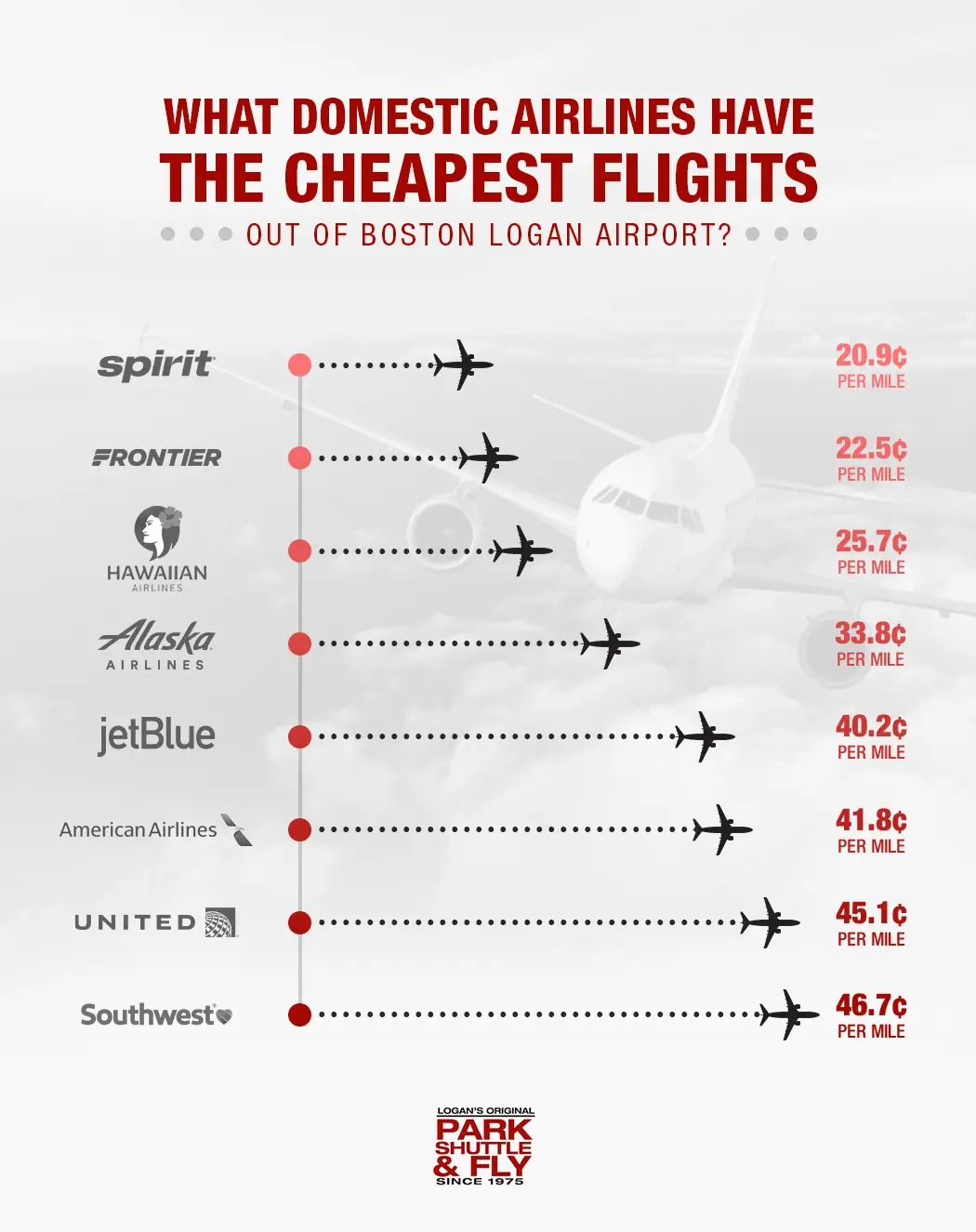
The quest for affordable air travel is a universal pursuit for modern explorers, business professionals, and families alike. In an era where travel can represent a significant portion of a household’s annual expenditure, understanding how to consistently secure the cheapest airline tickets is not merely a convenience but a crucial component of sound personal financial management. This pursuit goes beyond simply finding the lowest number displayed on a screen; it involves a sophisticated understanding of airline pricing dynamics, strategic booking methods, and leveraging financial tools to maximize value and minimize outlay. Ultimately, the question “who has the cheapest airline tickets?” doesn’t have a single, static answer but rather points to a dynamic landscape where the savvy financial planner consistently emerges victorious.
Understanding the Dynamics of Airline Ticket Pricing
The airline industry operates on a complex, constantly fluctuating pricing model designed to maximize revenue. For the financially astute traveler, understanding these underlying mechanisms is the first step toward cracking the code of cheap flights. It’s less about a specific airline consistently offering the lowest price and more about how and when prices are set, and how one can navigate these financial currents.
The Algorithmic Labyrinth: How Airlines Set Fares
Airlines employ highly sophisticated yield management systems that utilize complex algorithms to determine ticket prices. These algorithms consider a myriad of factors, making pricing an intricate dance of supply and demand, competitive intelligence, and predictive analytics. Key financial drivers include:
- Load Factors and Demand Forecasting: Airlines meticulously track historical booking data, current demand trends, and even external events (holidays, major conferences, natural disasters) to predict how many seats will likely be filled on a given flight. Prices increase as a flight fills up and demand intensifies, especially for popular routes and peak travel periods. This is pure economics at play.
- Competitor Pricing: Airlines constantly monitor each other’s fares on similar routes. If one airline drops its prices, competitors may follow suit to maintain market share, creating fleeting windows of opportunity for financially agile travelers.
- Fuel Costs and Operational Expenses: Fluctuations in crude oil prices directly impact an airline’s operational costs, which can be passed on to consumers. Similarly, airport fees, maintenance, and labor costs all factor into the baseline price airlines need to charge to remain profitable.
- Route Profitability and Strategic Importance: Airlines may offer lower fares on less popular routes or new routes to stimulate demand, or strategically price certain routes higher if they are critical hubs or serve lucrative business destinations.
- Seasonality and Special Events: Prices surge during peak travel seasons (summer, holidays) and around major events (festivals, sporting events) due to increased demand. Conversely, traveling during the “shoulder season” or off-peak periods almost always yields financial savings.
For the personal finance enthusiast, recognizing these drivers means understanding that a low price isn’t random but a calculated move within a competitive financial ecosystem.
The Illusion of “Cheapest”: Decoding Basic Economy vs. Full-Service Fares
A headline price can be deceiving. Airlines, particularly budget carriers, often advertise “basic economy” fares that appear incredibly cheap. While these can offer significant upfront savings, a crucial aspect of financial literacy for travelers is understanding the true cost. Basic economy often comes with severe restrictions: no checked baggage, no complimentary carry-on (beyond a small personal item), no seat selection, no changes, and often last-to-board priority.
- Hidden Costs and Ancillary Fees: The “cheapest” ticket often requires additional financial outlay for amenities that might be standard on a full-service fare. Baggage fees (checked and sometimes even carry-on), seat selection fees, in-flight meals, and priority boarding can quickly inflate the initial low price, potentially making it more expensive than a slightly higher standard economy ticket.
- Value vs. Price: A financially savvy traveler assesses not just the numerical price but the overall value and suitability for their needs. For a short, no-frills trip with minimal luggage, basic economy might indeed be the cheapest overall. However, for longer trips, family travel, or those requiring flexibility, a slightly higher fare from a legacy carrier that includes baggage or allows changes might offer better financial value and less stress. This is a classic personal finance decision between perceived savings and actual financial utility.
The Impact of Timing: When to Book for Optimal Savings
Timing is perhaps the single most significant factor within a traveler’s control that impacts ticket prices. Airlines don’t want empty seats, but they also want to maximize revenue from those who book early or late.
- The “Goldilocks Zone”: While not an exact science, general financial wisdom suggests booking international flights 2-8 months in advance and domestic flights 1-4 months in advance. Prices tend to be higher too far out (as airlines haven’t finalized their pricing strategies) and too close to departure (as only desperate travelers are left).
- Mid-Week Sweet Spot: Fares often drop during the middle of the week, particularly on Tuesdays, Wednesdays, and Thursdays, as business travelers (who are less price-sensitive) book during the work week. Weekends see higher prices as leisure travelers search.
- Seasonality and Holidays: As mentioned, avoid peak seasons and holidays if budget is a primary concern. Traveling a day or two before or after a major holiday can often yield substantial financial savings.
- Last-Minute Deals vs. Risks: While the occasional last-minute deal exists for those with extreme flexibility, relying on them is a significant financial gamble, especially for popular routes. More often, prices skyrocket in the days leading up to departure as airlines capitalize on urgent demand.
Effective financial planning for travel mandates a proactive approach to booking, understanding these temporal patterns to secure the best rates.
Strategic Approaches to Finding Low-Cost Flights
Beyond understanding airline pricing, the astute financial traveler employs specific strategies and leverages readily available tools to pinpoint the most economical options. This involves a blend of smart searching, flexibility, and direct comparison.
Leveraging Flight Comparison Engines as Financial Tools
In the digital age, flight comparison engines are indispensable financial tools that aggregate vast amounts of pricing data, allowing consumers to quickly compare fares across multiple airlines and online travel agencies (OTAs). These are not merely technological innovations, but platforms for financial discovery and optimization.
- Google Flights: Renowned for its intuitive interface and powerful calendar view, Google Flights allows users to easily see how prices fluctuate by date, explore destinations based on budget, and track price changes for specific routes. It’s a fantastic financial planning tool for identifying the cheapest days to fly.
- Skyscanner & Kayak: These platforms are excellent for “everywhere” searches, allowing travelers to enter their departure city and explore the cheapest destinations for a given period. This flexibility is a cornerstone of saving money, as it opens up new financially viable travel possibilities. They also often include budget carriers that might be missed by other aggregators.
- Momondo & Expedia/Priceline: These OTAs often offer package deals (flight + hotel) that can sometimes provide greater financial savings than booking components separately. However, always compare the combined price against individual bookings to ensure genuine savings.
The key is to use these engines as robust financial analysis tools, not just simple search bars. Experiment with dates, airports, and even booking through different regional versions of the sites, as prices can vary.
The Power of Flexibility: Dates, Times, and Destinations
The single greatest leverage a budget traveler has is flexibility. The less rigid your travel plans, the more opportunities you have to exploit price discrepancies and secure significant financial savings.
- Date Flexibility: If your schedule permits, consider flying on weekdays (Tuesdays, Wednesdays, Thursdays) rather than weekends. Early morning flights (“red-eyes”) or late-night departures are often less popular and consequently cheaper. Using a flexible date search on comparison engines is paramount.
- Destination Flexibility: Instead of fixing on a single destination, consider a range of options or let the price dictate your adventure. Tools like “Explore” on Google Flights or “Everywhere” on Skyscanner allow you to see the cheapest places to fly from your origin, opening up financially attractive possibilities you might not have considered.
- Airport Flexibility: Major metropolitan areas often have multiple airports. Flying into or out of a smaller, secondary airport (e.g., London Stansted instead of Heathrow, Chicago Midway instead of O’Hare) can sometimes offer substantial savings, even after factoring in transportation costs to your final destination. Always do the financial math.
Budget Airlines vs. Legacy Carriers: A Financial Showdown

The rise of budget airlines (e.g., Southwest, Spirit, Ryanair, EasyJet) has revolutionized travel, but navigating them requires careful financial consideration.
- Budget Airlines’ Model: These carriers strip away amenities to offer extremely low base fares. Their revenue model heavily relies on ancillary fees (baggage, seat selection, priority boarding, snacks).
- Legacy Carriers’ Model: Traditional airlines (e.g., American, Delta, United, British Airways) typically include more in their base fares (checked bag, seat selection, in-flight services), though this varies by fare class (basic economy vs. standard economy).
- The Comparison: When evaluating the “cheapest,” calculate the total cost for budget airlines, including all necessary add-ons (especially baggage if you need it). Often, a legacy carrier’s standard economy fare, which appears higher upfront, can become the financially superior option once all fees are accounted for, especially for longer trips or those requiring specific amenities. This is a critical personal finance exercise in comparing apples-to-apples, or rather, total costs-to-total costs.
Advanced Tactics for Smarter Travel Spending
For those committed to extreme financial optimization in their travel, a few advanced strategies can uncover deals that escape the casual searcher. These involve proactive monitoring, leveraging financial incentives, and creative route planning.
Harnessing Credit Card Rewards and Airline Loyalty Programs
For frequent travelers or those with strong credit, credit card rewards and airline loyalty programs represent a significant opportunity for direct financial savings on flights.
- Travel Credit Cards: Many credit cards offer substantial sign-up bonuses (e.g., 50,000+ miles/points) that can be redeemed for free flights. Earning points on everyday spending, often at accelerated rates for travel or specific categories, allows you to accrue “travel currency” that directly translates into cheaper or free tickets. Always ensure you pay off your balance to avoid interest, making the rewards truly financially beneficial.
- Airline Loyalty Programs: Joining an airline’s frequent flyer program, even if you don’t fly often, is a no-brainer. While elite status requires significant travel, simply collecting miles from flights, partner purchases, or co-branded credit cards can lead to free flights or upgrades, representing a direct financial return on your travel investment.
- Strategic Redemption: Understanding the best redemption values for your points and miles is key. Sometimes, transferring points to a partner airline’s program can yield a better rate than redeeming directly through the credit card’s portal. This requires a bit of financial research but can unlock substantial savings.
The Art of Error Fares and Price Drop Alerts
While rare, error fares can occur when an airline or OTA mistakenly publishes an incorrect price. These are fleeting financial anomalies that savvy travelers can capitalize on.
- Monitoring Deal Sites: Websites like Secret Flying, The Flight Deal, and Scott’s Cheap Flights specialize in finding these glitches and publishing them quickly. Subscribing to their alerts (often with a paid tier for premium deals) can be a sound financial investment if you have the flexibility to book immediately.
- Price Drop Alerts: Most flight comparison engines (Google Flights, Skyscanner, Kayak) offer the option to set up price alerts for specific routes and dates. This is a passive but effective financial monitoring strategy. You’ll receive email notifications when the price changes, allowing you to snatch a deal if it drops.
Considering Alternate Airports and Connecting Flights
Direct flights are convenient, but they often come at a premium. For those prioritizing financial savings, embracing a bit of inconvenience can pay dividends.
- Secondary Airports: As mentioned, exploring flights to or from smaller airports near your desired destination can significantly reduce the ticket price. Always factor in the cost and time of ground transportation to ensure the overall financial benefit.
- Connecting Flights: While direct flights are faster, multi-stop itineraries are almost always cheaper. Sometimes, adding an extra layover, or even self-connecting (booking two separate tickets for different legs of the journey), can save hundreds of dollars. This is a more advanced financial strategy, as self-connecting carries risks if the first flight is delayed, potentially causing you to miss the second. However, for those with high risk tolerance and ample time, it can be a huge money-saver.
Protecting Your Investment: Financial Considerations Beyond the Ticket Price
Securing a cheap ticket is only one part of the financial equation for a successful trip. Prudent financial planning extends to protecting your investment and accurately budgeting for all associated costs.
Travel Insurance: A Prudent Financial Safeguard
While an additional expense, travel insurance is a critical financial safeguard, particularly for expensive international trips or those with complex itineraries.
- Protection Against the Unexpected: Life happens: medical emergencies, trip cancellations, lost luggage, or delays can lead to significant unforeseen financial losses. Travel insurance can cover these eventualities, protecting your initial investment in flights and accommodations, and preventing potentially catastrophic out-of-pocket expenses.
- Assessing the Need: For a cheap domestic flight, insurance might be overkill. But for a multi-thousand dollar international journey, the modest cost of insurance (often 4-10% of the trip cost) is a wise financial decision to mitigate risk. Many premium credit cards also offer some level of travel insurance as a benefit; always check your card’s terms.
Budgeting for Ancillary Costs: Baggage, Seats, and Meals
Ignoring ancillary costs is a common financial pitfall for budget travelers. A seemingly cheap ticket can quickly become expensive if these extras are overlooked.
- Pre-planning is Key: Research baggage fees (checked and carry-on limits), seat selection costs, and in-flight service options for your chosen airline before booking.
- Pack Smart: To avoid baggage fees, learn to pack light, use space-saving techniques, and consider if a personal item-only journey is feasible.
- Bring Your Own: Pack snacks, an empty water bottle (to fill after security), and entertainment to avoid costly airport and in-flight purchases. This simple financial habit can save a surprising amount.

Understanding Refund Policies and Change Fees
Life is unpredictable, and sometimes plans change. Understanding the financial implications of changing or canceling a flight is crucial.
- Non-Refundable Fares: The cheapest tickets are almost always non-refundable. If you cancel, you typically lose the entire fare.
- Change Fees: While many airlines have relaxed change fees post-pandemic, especially for standard economy and higher fares, basic economy tickets often remain non-changeable or incur significant fees that can negate any initial savings.
- 24-Hour Rule: Most airlines offer a 24-hour grace period during which you can cancel or change your flight without penalty after booking. Always review your booking immediately and make any necessary adjustments within this window to avoid financial loss.
- Travel Waivers: Keep an eye out for travel waivers issued by airlines in response to major events (weather, geopolitical issues). These can allow for free changes or cancellations, offering a financial reprieve.
The question “who has the cheapest airline tickets?” is multifaceted. It’s not a static entity but a dynamic intersection of airline strategies, market forces, and the individual traveler’s financial acumen and flexibility. By understanding how prices are set, leveraging powerful comparison tools, embracing flexibility, and meticulously budgeting for all aspects of the journey, any financially savvy individual can consistently find and secure the most affordable flights, transforming the dream of travel into an economically viable reality. The cheapest ticket isn’t found by chance; it’s earned through diligent research, strategic planning, and smart financial decision-making.
aViewFromTheCave is a participant in the Amazon Services LLC Associates Program, an affiliate advertising program designed to provide a means for sites to earn advertising fees by advertising and linking to Amazon.com. Amazon, the Amazon logo, AmazonSupply, and the AmazonSupply logo are trademarks of Amazon.com, Inc. or its affiliates. As an Amazon Associate we earn affiliate commissions from qualifying purchases.