
The dream of travel often collides with the reality of flight costs. For many, the price of an airline ticket can be the make-or-break factor in planning a long-awaited vacation, a crucial business trip, or a visit to loved ones. Understanding when flight prices tend to decrease, and more importantly, why they do, is a financial superpower that can unlock incredible savings and allow for more frequent, budget-friendly adventures. This article delves into the intricate world of airline pricing, offering insights and actionable strategies rooted in personal finance principles to help you navigate the market and secure the best possible fares. From decoding algorithmic fluctuations to leveraging smart financial tools, we’ll equip you with the knowledge to make your travel budget go further.
Decoding Airline Pricing Dynamics
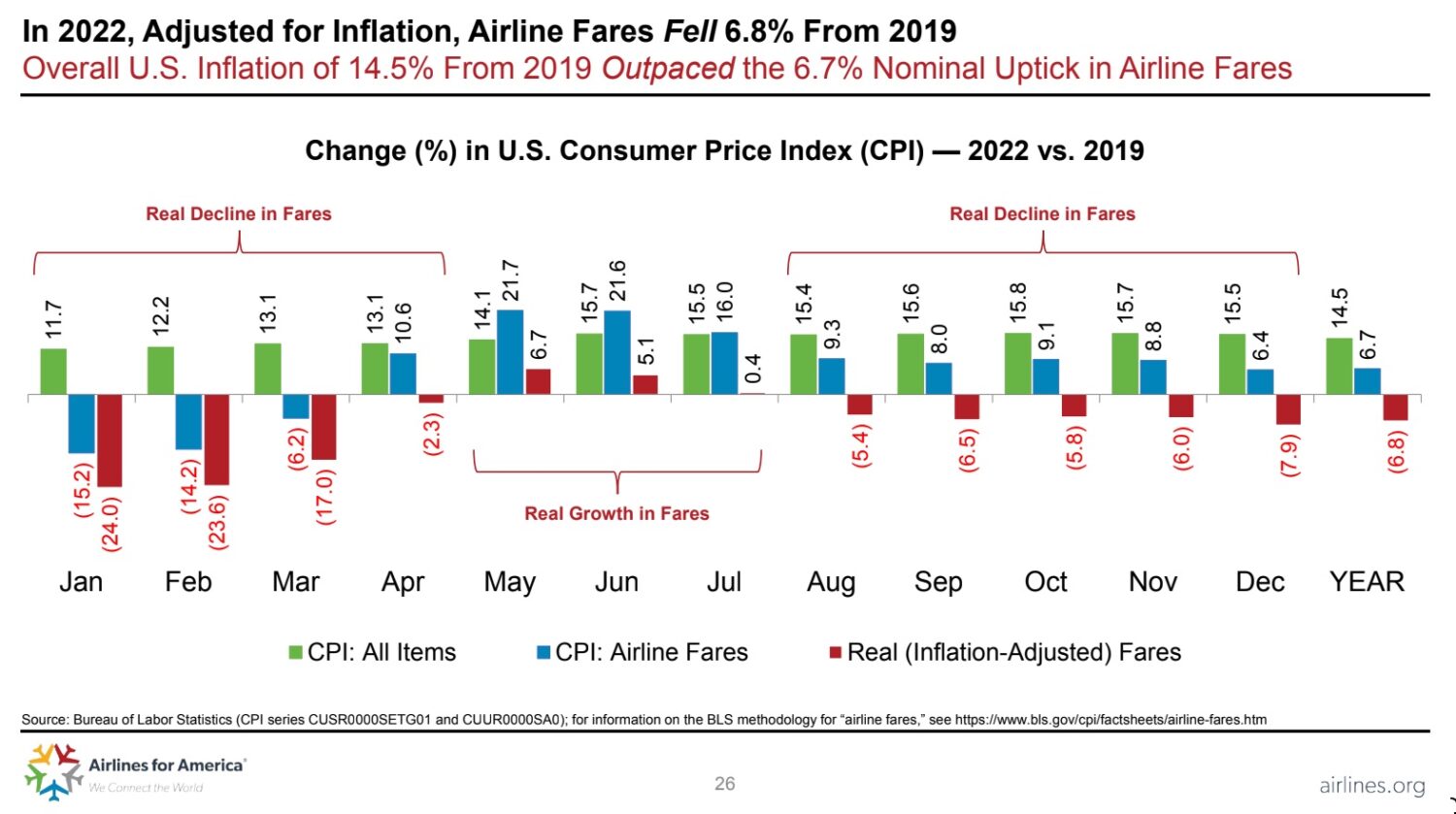
Airline pricing is far from static; it’s a complex, ever-shifting landscape driven by sophisticated algorithms and fundamental economic principles. Airlines don’t just pick a price and stick with it; they constantly adjust based on a myriad of factors, aiming to maximize revenue while filling seats. Grasping these underlying dynamics is the first step toward predicting and capitalizing on lower fares.
The Algorithmic Labyrinth
At the heart of modern airline pricing lies highly advanced algorithmic revenue management systems. These systems continuously analyze vast datasets, including historical booking patterns, competitor pricing, real-time demand, fuel costs, weather forecasts, and even the browsing behavior of potential customers. The goal is to charge each customer the highest price they are willing to pay for a given seat. This means that two passengers sitting next to each other on the same flight might have paid vastly different fares, simply because they booked at different times, from different locations, or through different channels. Understanding that prices are dynamic and personalized can help you approach your flight search with a strategic mindset. These algorithms are designed to detect trends, identify peak demand periods, and adjust prices accordingly, making it crucial for consumers to be aware of how they operate.
Supply, Demand, and Seasonality
Beyond the algorithms, the basic economic principles of supply and demand play a dominant role. When demand for a particular route or date is high, prices naturally climb. Conversely, when demand is low, airlines are more inclined to drop prices to fill seats. This is most evident in seasonal travel patterns. Holiday periods (Christmas, New Year’s, Thanksgiving), school breaks (spring break, summer holidays), and major events (festivals, sporting events) predictably see exorbitant price hikes due to concentrated demand. Conversely, “shoulder seasons” (the periods immediately before and after peak season, like early fall or late spring) and the off-season typically offer lower prices because fewer people are traveling. Being flexible with your travel dates to align with these lower-demand periods can lead to substantial savings, making your travel budget stretch considerably further.
Ancillary Revenue and Fare Buckets
Airlines don’t just make money from the base fare; a significant portion of their revenue comes from “ancillary services.” This includes fees for checked bags, seat selection, in-flight meals, Wi-Fi, and even priority boarding. The rise of budget airlines, in particular, has popularized this model, offering very low base fares to attract customers, then charging extra for almost everything else. Understanding this is key to evaluating the true cost of a flight. Furthermore, airlines use “fare buckets” – different pricing tiers for the same cabin class. As cheaper fare buckets sell out, the price for the remaining seats in that class increases. This strategic allocation means that waiting too long can mean missing out on the lowest available price in a particular category, pushing you into a more expensive fare bucket, even if the flight isn’t full.
Timing is Everything: Best Practices for Booking
While the exact moment of the lowest price can be elusive, historical data and expert analysis provide strong indicators for the optimal booking windows. Mastering the timing of your flight purchase is arguably the most impactful strategy for reducing costs.
The Golden Window: When to Buy
There’s a commonly cited “sweet spot” for booking flights that generally yields the best prices. For domestic flights, this window is typically 1 to 3 months (4-12 weeks) before departure. Booking too early can mean paying higher initial prices before demand solidifies, while booking too late means facing increased prices as seats fill up and last-minute travelers pay a premium. For international flights, the window tends to be longer, often 3 to 6 months (12-24 weeks) out, or even up to 8 months for popular peak season destinations. This extended period allows for more opportunities to catch price drops and secure better deals, as international routes involve more variables and longer planning horizons for travelers. Missing this window can easily add hundreds of dollars to your ticket price, directly impacting your personal finance goals.
Days of the Week: Myth vs. Reality
The old adage about booking on Tuesdays has some historical basis, but in the era of dynamic pricing, its impact is less consistent. Airlines once released sales on Tuesdays, leading to competitive price matching. Today, prices can change multiple times a day. However, flying on specific days of the week still holds true for savings. Generally, Tuesdays, Wednesdays, and Saturdays are the cheapest days to fly for domestic routes, as these are less popular for business travel or weekend getaways. Weekends, especially Fridays and Sundays, tend to be the most expensive. For international travel, mid-week departures often remain cheaper. Furthermore, flying at unpopular times, such as very early mornings or late nights, can also lead to lower fares, as fewer people are willing to endure these inconvenient schedules.
Seasonality and Shoulder Seasons
As mentioned earlier, seasonality significantly impacts flight prices. Peak seasons, driven by holidays and school breaks, will always be the most expensive times to fly. To find lower fares, focus on shoulder seasons – the periods just before or after the absolute peak. For instance, traveling to Europe in May or September/October often provides pleasant weather, fewer crowds, and significantly lower flight prices compared to the peak summer months. Similarly, visiting Caribbean destinations in late spring or early fall can offer attractive deals. Embracing off-peak travel not only saves money but often enhances the travel experience by avoiding congested tourist sites and securing better rates on accommodation and local activities, thus stretching your overall travel budget.
Leveraging Financial Tools and Strategies for Savings

In the digital age, a wealth of online financial tools and smart strategies exist to help you track, compare, and ultimately purchase flights at their lowest points. Integrating these tools into your travel planning process is essential for any financially savvy traveler.
Flight Comparison Websites and Price Alerts
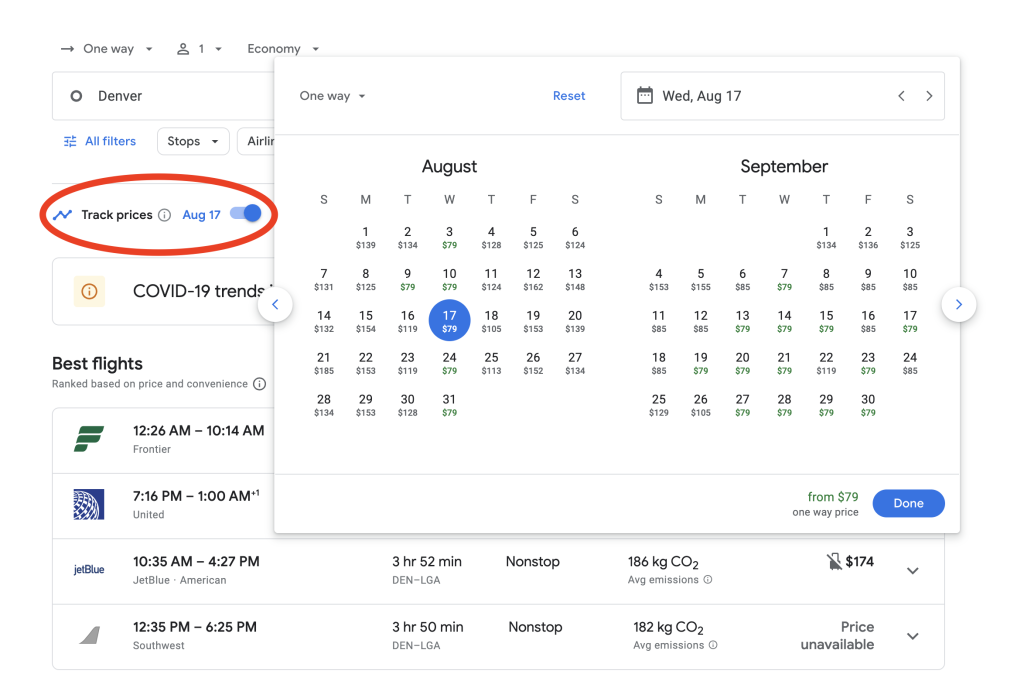
The first line of defense against high fares is utilizing comprehensive flight comparison websites. Tools like Google Flights, Skyscanner, Kayak, Expedia, and Momondo aggregate data from numerous airlines and online travel agencies, allowing you to compare prices across various providers. Crucially, most of these platforms offer price alert features. By setting up alerts for your desired route and dates, you’ll receive email notifications whenever the price drops, ensuring you don’t miss a prime booking opportunity. Google Flights, in particular, offers excellent flexibility with its date grid and “explore” map features, which can highlight the cheapest dates and destinations if you’re open to alternatives. Regularly checking these tools and responding promptly to alerts is a powerful way to secure savings.
Flexible Dates and Destinations
One of the most effective strategies for finding cheap flights is to be flexible, both with your travel dates and your destination. If your schedule allows, use the “flexible dates” or “month view” options on flight search engines to identify the cheapest days to fly within a broader period. Even shifting your departure or return by a single day can sometimes result in significant savings. Similarly, if you don’t have a fixed destination in mind, use the “explore everywhere” or “anywhere” search functions. This allows you to see the cheapest flights from your home airport to various locations, potentially inspiring a trip to an unexpected, budget-friendly locale. This flexibility empowers you to align your travel plans with the market’s lowest prices, rather than forcing specific dates onto expensive routes.
Incognito Mode and VPNs
There’s a persistent belief that airlines and online travel agencies track your browsing history and increase prices for routes you’ve repeatedly searched, a practice often dubbed “dynamic pricing based on cookies.” While the direct impact of cookies on price hikes is debated and often overstated, using incognito or private browsing mode (which prevents websites from storing cookies and cache data) can’t hurt. It ensures you’re seeing the freshest price possible without any potential influence from past searches. Some travelers also experiment with using a VPN (Virtual Private Network) to search for flights from different geographic locations, theorizing that prices might vary based on the country you’re browsing from. While this strategy’s effectiveness is inconsistent, it’s a tactic some employ to test the market, especially for international flights.
Loyalty Programs and Travel Credit Cards
For frequent flyers, leveraging airline loyalty programs and travel credit cards can be a game-changer for reducing out-of-pocket flight costs. Earning airline miles through flying or co-branded credit card spending allows you to redeem them for free or heavily discounted flights. Many travel credit cards offer substantial sign-up bonuses (tens of thousands of miles or points) that can be enough for a round-trip international flight. Beyond redemptions, these cards often come with valuable perks like free checked bags, priority boarding, lounge access, and travel insurance, all of which contribute to significant savings and a more comfortable travel experience. Strategic use of these financial products, paying attention to annual fees versus benefits, is a cornerstone of advanced personal finance for travelers.
Beyond the Ticket: Further Cost-Saving Tactics
While the flight ticket is a major expense, savvy travelers know that savings can extend beyond the base fare. A holistic approach to travel budgeting means considering every aspect of your journey for potential cost reductions.
Consider Budget Airlines (and their caveats)
Budget airlines like Spirit, Frontier, Ryanair, and EasyJet have revolutionized air travel by offering incredibly low base fares. They achieve this by unbundling services, meaning everything from seat selection to checked bags and even carry-on luggage (beyond a small personal item) costs extra. For short, direct flights where you can travel light, these airlines can offer unbeatable value. However, it’s crucial to understand their fee structure thoroughly. Always calculate the total cost, including all potential ancillary fees, before booking. Sometimes, a seemingly cheaper budget airline ticket can end up being more expensive than a full-service carrier once all add-ons are factored in. Read the fine print to ensure that budget doesn’t turn into a costly surprise.
The Art of the Layover and Alternative Airports
Direct flights are convenient, but they often come with a premium price tag. Being open to flights with layovers can significantly reduce your fare. The longer the layover, and the more inconvenient the connection, often the cheaper the ticket. Similarly, consider flying into alternative or secondary airports near your destination. Major international hubs typically have higher landing fees and attract more demand, leading to higher prices. Smaller, regional airports, sometimes just a short train or bus ride away, can offer substantially cheaper fares. For example, flying into London Stansted or Luton instead of Heathrow or Gatwick might save you a considerable sum, even after factoring in ground transportation costs. This strategic approach requires a bit more research and planning but can yield substantial financial rewards.
Bundle Deals and Package Holidays
While the primary focus is often on individual flight prices, sometimes a package holiday that bundles flights and accommodation (and occasionally car rental) can offer better overall value than booking each component separately. Online travel agencies (OTAs) often negotiate bulk rates with airlines and hotels, allowing them to offer attractive package deals. It’s always wise to compare the bundled price against the cost of booking each element independently. Use comparison sites for flights and hotels, then check if a package deal offers a better price for the same components. This diligent comparison shopping ensures you’re truly getting a deal and not simply convenience at a higher cost.
Conclusion
The quest for affordable air travel is an ongoing journey that rewards patience, flexibility, and a strategic mindset. By understanding the dynamic forces that govern airline pricing – from sophisticated algorithms and supply-demand economics to seasonal variations – you empower yourself to make informed decisions. Leveraging the “golden window” for booking, being flexible with your dates and destinations, and employing powerful financial tools like price alerts and travel credit cards are not just tips; they are essential components of a financially savvy travel strategy. In a world where travel expenses can quickly accumulate, mastering the art of finding cheaper flights is a critical personal finance skill that allows you to explore more, experience richer cultures, and create lasting memories, all while staying firmly within your budget. So, the next time you ask “when do flights go down?”, remember: the answer lies in your ability to observe, adapt, and act strategically. Happy travels!
aViewFromTheCave is a participant in the Amazon Services LLC Associates Program, an affiliate advertising program designed to provide a means for sites to earn advertising fees by advertising and linking to Amazon.com. Amazon, the Amazon logo, AmazonSupply, and the AmazonSupply logo are trademarks of Amazon.com, Inc. or its affiliates. As an Amazon Associate we earn affiliate commissions from qualifying purchases.