
Traveling the world, reconnecting with loved ones, or closing a crucial business deal often begins with a flight. While the journey itself promises excitement or necessity, the price of airfare can often be a significant hurdle, dictating where and when we can go. For the financially savvy traveler, securing the best price on flights isn’t merely about finding a good deal; it’s a strategic exercise in personal finance, leveraging market dynamics, timing, and available tools to optimize expenditure and maximize travel opportunities.
In an era of dynamic pricing and complex fare structures, simply searching for a ticket won’t always yield the most economical option. This article delves into the core financial strategies and practical tactics that empower you to take control of your travel budget, ensuring you get the most value for every dollar spent on airfare. By understanding the underlying principles that govern flight pricing and employing smart financial habits, you can transform the daunting task of booking flights into a rewarding experience of saving money.
Master the Art of Timing and Flexibility
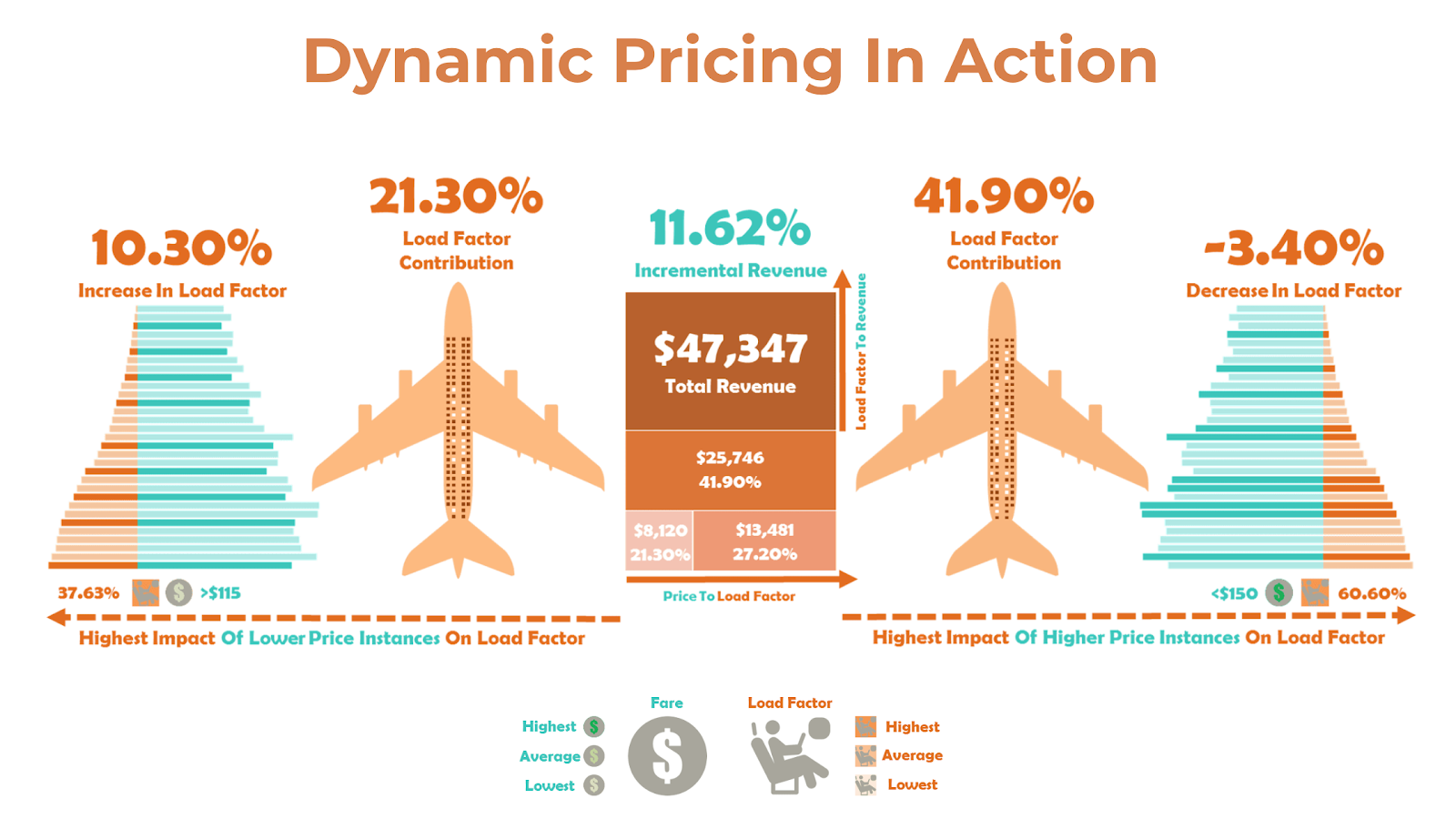
The single biggest determinant of flight price often boils down to when you book and when you choose to fly. Airlines operate on sophisticated revenue management systems, constantly adjusting prices based on demand, capacity, and a myriad of other factors. For the financially astute, understanding these patterns is crucial to locking in optimal rates.
The Golden Window for Booking: Strategic Purchase Periods
There’s a common misconception that booking ultra-early or waiting until the last minute always yields the best price. In reality, a “golden window” exists, a sweet spot where airlines begin to offer competitive fares before demand pushes prices skyward. For domestic flights, this window typically falls between one and three months before departure. For international travel, extending this to two to five months out often proves most economical. Booking too early can mean missing out on sales, while booking too late means competing with high demand for limited seats, leading to premium prices. This window represents a financial equilibrium point where supply meets a nascent demand, before scarcity drives up cost. Monitoring prices within this window allows you to pounce when a favorable financial opportunity arises, much like an investor tracking stock prices.
Embrace Off-Peak Travel: Maximizing Value Through Demand Avoidance
Airline pricing is a direct reflection of supply and demand. Consequently, traveling during peak seasons, holidays, or popular times (e.g., Friday evenings, Sunday afternoons) invariably incurs a higher financial cost. Shifting your travel dates to off-peak periods can lead to substantial savings. Consider traveling during the “shoulder season” – the months just before or after peak season – when the weather might still be pleasant, but tourist crowds and prices have diminished. Opting for mid-week flights (Tuesday, Wednesday, Thursday) or red-eye departures often presents significantly cheaper options. This strategy is a direct application of cost avoidance, circumventing high-demand periods to access lower-priced inventory. Even flying on a less desirable day, like Christmas Day itself, can offer surprising financial advantages as most travelers aim to arrive earlier.
Be Flexible with Dates and Destinations: Expanding Your Financial Horizon
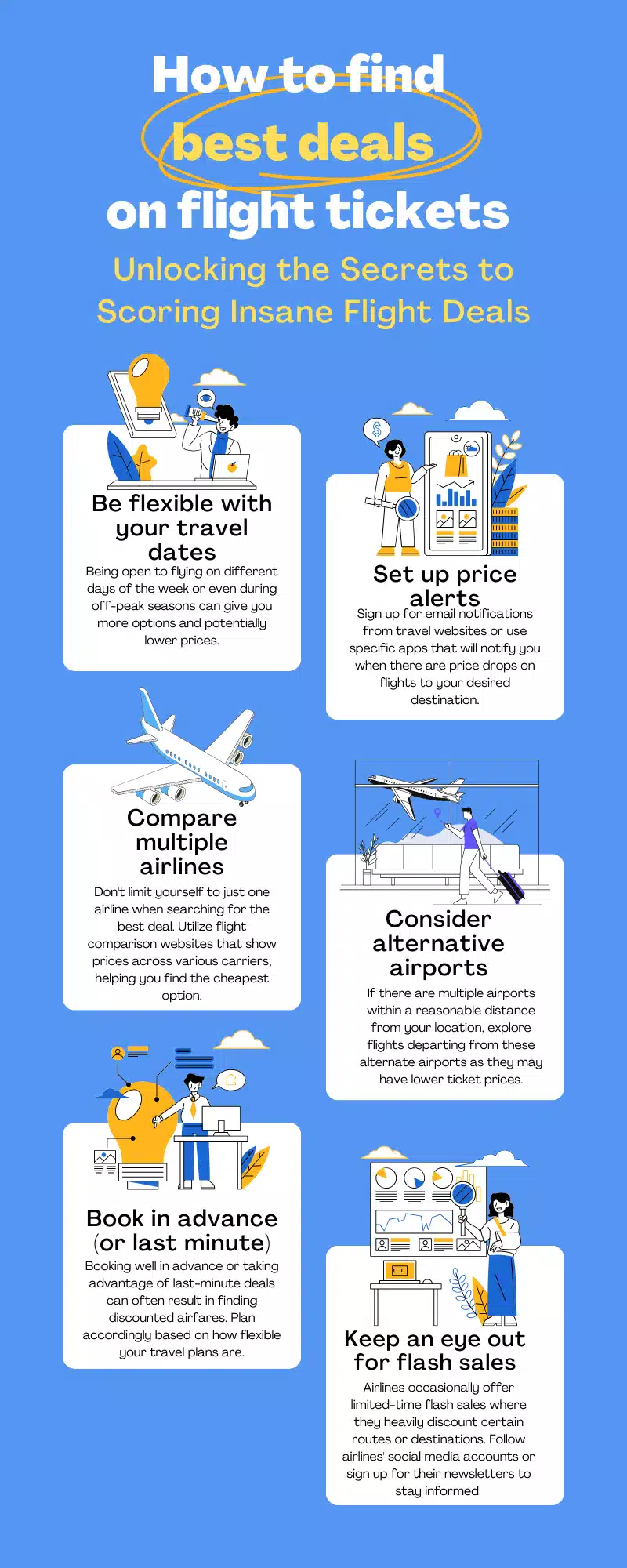
One of the most powerful financial tools at your disposal when booking flights is flexibility. If your travel dates aren’t set in stone, using “flexible date” search options on comparison websites can reveal drastically different prices for flights just a day or two earlier or later. Similarly, if your destination isn’t fixed, searching “everywhere” or exploring nearby alternative airports can uncover unexpected deals. A slight adjustment in your travel plan could translate into hundreds of dollars in savings, allowing you to reallocate those funds elsewhere in your travel budget or save them for future endeavors. This approach transforms flight booking from a fixed expense into an adaptable financial decision, maximizing the utility of your travel funds.
Leverage Smart Search Strategies and Tools
In the digital age, a plethora of online tools and savvy search tactics exist to help you navigate the complex world of airline pricing. Mastering these is fundamental to a robust financial strategy for flight acquisition.
Utilize Flight Comparison Websites: Your Financial Research Hub
Flight aggregators like Google Flights, Skyscanner, Kayak, Momondo, and Expedia are indispensable financial research tools. They scour hundreds of airlines and online travel agencies (OTAs) to present you with a comprehensive overview of available flights and their prices. However, no single site is exhaustive, and prices can vary. Develop a habit of cross-referencing between two or three different platforms to ensure you’re getting the most competitive quote. These sites often have features like “price maps” or “month view” that highlight the cheapest days to fly to a particular destination, offering immediate visual financial insights. Remember that sometimes booking directly with the airline can yield a better price or offer superior customer service benefits if issues arise, so always check the airline’s own website after finding a good deal on an aggregator.
Employ Price Alerts and Tracking: Investing in Future Savings
One of the most passive yet effective financial strategies is to set up price alerts. Most comparison websites and even some airline apps allow you to create alerts for specific routes and dates. You’ll receive email notifications when the price for your desired flight drops, empowering you to purchase at an opportune moment. This is akin to setting a buy limit order in investing; you specify the price you’re willing to pay and wait for the market to meet it. Tools like Google Flights track historical price data, offering insights into whether the current price is low, average, or high, helping you make an informed financial decision rather than a speculative one.
Incognito Mode and Cookie Clearing: Mitigating Dynamic Pricing
While debated, many seasoned travelers advocate for using incognito or private browsing mode and regularly clearing your browser cookies when searching for flights. The theory suggests that airline and OTA websites might track your searches using cookies, potentially showing you higher prices on subsequent visits to encourage a quicker booking, fearing prices will rise further. While the direct financial impact of this is hard to quantify definitively, it’s a simple, risk-free tactic that could potentially save you money by presenting a fresh, untainted search each time. Consider it a defensive financial maneuver against potential algorithmic pricing manipulation.
Consider Alternative Airports and Layovers: Expanding Your Financial Options
When planning your journey, don’t limit yourself to the most obvious major airports. Many larger metropolitan areas are served by multiple airports, and often a smaller, less congested airport nearby might offer significantly cheaper flights, sometimes by different airlines. Similarly, opting for flights with one or more layovers instead of a direct route can dramatically reduce costs, especially for long-haul international travel. While sacrificing convenience, the financial savings can be substantial, making the additional travel time a worthwhile trade-off. This strategy involves a direct cost-benefit analysis: is the saved money worth the added travel time? Often, for the budget-conscious, the answer is yes.
Unlock Savings Through Loyalty and Financial Products
Beyond immediate search tactics, long-term financial planning and strategic use of loyalty programs and credit cards can unlock significant savings on flights, transforming regular spending into travel rewards.
Airline Loyalty Programs: Accumulating Financial Capital for Travel
Signing up for an airline’s frequent flyer program is a fundamental step for any financially savvy traveler. Even if you don’t fly one airline exclusively, accumulating miles or points can lead to free flights, upgrades, or discounted fares. Many airlines are part of global alliances (Star Alliance, SkyTeam, Oneworld), allowing you to earn and redeem miles across multiple carriers. The key is to consolidate your flying with alliance members where possible. This is a form of passive income generation, where your travel habits generate financial credits that reduce future travel expenses. Keep an eye out for promotional offers where airlines offer bonus miles for specific routes or booking periods, accelerating your financial gains.
Travel Credit Cards: Leveraging Financial Tools for Rewards
Travel-focused credit cards are powerful financial instruments for reducing flight costs. Many offer substantial sign-up bonuses (e.g., 50,000+ miles/points) that can be enough for a free domestic or even international round-trip ticket after meeting a minimum spending requirement. Beyond bonuses, these cards often provide ongoing rewards (e.g., 2-5x points on travel or everyday spending), travel perks like free checked bags, priority boarding, airport lounge access, and travel insurance. When used responsibly and paid off in full each month to avoid interest charges, these cards effectively turn your regular spending into valuable travel currency. It’s a strategic financial decision to select a card that aligns with your travel patterns and spending habits, maximizing the return on your expenditures.
Bundling Flights and Accommodation: Holistic Financial Planning
Sometimes, booking a flight and hotel together as a package deal through an online travel agency (OTA) can be significantly cheaper than purchasing them separately. OTAs often have preferential rates with hotels and airlines, allowing them to offer discounted bundles. While this limits your flexibility in choosing individual components, it can be an excellent option for vacation planning, offering a simplified booking process and often substantial financial savings. Always compare the bundled price against the cost of booking the flight and hotel separately to ensure you are indeed getting a better deal. This represents a holistic approach to travel budgeting, optimizing multiple expenditure categories simultaneously.
Navigate Hidden Costs and Savvy Tactics
The advertised price of a flight isn’t always the final price. Astute financial planning requires anticipating and mitigating additional costs and employing less conventional tactics to further reduce expenses.
Understand Baggage Fees: Preventing Unexpected Financial Surprises
Low-cost carriers, and increasingly even full-service airlines, charge for checked baggage and sometimes even for carry-on luggage. These fees can quickly erode any savings you made on the base fare. Before booking, always check the airline’s baggage policy, factoring these potential costs into your total travel budget. For budget-conscious travelers, mastering the art of packing light or utilizing personal items that fit under the seat can be a significant money-saver. Purchasing baggage allowance online in advance is almost always cheaper than paying at the airport gate, representing a simple financial foresight.
The Art of One-Way vs. Round-Trip: Strategic Financial Comparison
While traditionally round-trip tickets were almost always cheaper, the landscape has changed. Sometimes, booking two separate one-way tickets, potentially on different airlines, can be more economical than a single round-trip ticket. This is particularly true for international flights or if you’re flying into one city and out of another. This “multi-carrier” or “open-jaw” strategy requires a bit more research but can unlock significant financial arbitrage opportunities. Always compare the total cost of two one-ways versus a round-trip before committing.
Student, Senior, or Military Discounts: Tapping into Niche Savings
If you fall into specific demographic groups, you might be eligible for special discounts. Many airlines and online travel agencies offer reduced fares for students, seniors, or active military personnel and veterans. Always inquire about these options before finalizing your purchase. While not universally available, these targeted discounts can provide a direct reduction in your flight expenditure, a financial benefit earned through your status.
The Self-Transfer Gamble: High-Risk, High-Reward Savings
For the truly adventurous and budget-constrained traveler, “self-transfer” flights, often highlighted by aggregators like Skyscanner, involve booking separate tickets for different legs of a journey with different airlines. While these can offer incredible savings, they come with significant financial risk. If the first flight is delayed and you miss your connecting flight, the second airline is under no obligation to rebook you, and you’ll bear the full financial cost of purchasing a new ticket. This strategy requires careful consideration of layover times and a high tolerance for risk, and it’s generally not recommended for those with tight schedules or critical appointments.

Conclusion
Securing the best price on flights is an ongoing financial endeavor, blending strategic planning with a keen eye for market fluctuations. It demands flexibility, a proactive approach to research, and the judicious application of financial tools and insights. By mastering the art of timing your bookings, embracing off-peak travel, leveraging the power of comparison websites and price alerts, and strategically utilizing loyalty programs and travel credit cards, you empower yourself to make financially sound travel decisions.
Remember, every dollar saved on airfare is a dollar that can be reallocated to enhance your travel experience, invest in future trips, or simply bolster your personal savings. Armed with these strategies, you can navigate the complex world of airline pricing with confidence, transforming the quest for affordable flights from a frustrating challenge into a rewarding exercise in financial acumen and strategic planning. Happy travels, and may your flights always be financially optimized!
aViewFromTheCave is a participant in the Amazon Services LLC Associates Program, an affiliate advertising program designed to provide a means for sites to earn advertising fees by advertising and linking to Amazon.com. Amazon, the Amazon logo, AmazonSupply, and the AmazonSupply logo are trademarks of Amazon.com, Inc. or its affiliates. As an Amazon Associate we earn affiliate commissions from qualifying purchases.