
Navigating the healthcare system to obtain a prescription medication like Qsymia, often prescribed for chronic weight management, involves more than just a doctor’s visit. From a personal finance standpoint, it requires a strategic understanding of insurance benefits, out-of-pocket costs, and long-term budgeting. This guide will help you approach the process with a financial lens, ensuring you’re prepared for the economic implications of your health journey.
Understanding the Financial Landscape of Prescription Medications
Before you even step into a doctor’s office, it’s crucial to grasp the financial ecosystem surrounding prescription drugs. Medications like Qsymia, which are brand-name and often require long-term use, can represent a significant financial commitment. Your financial strategy for acquiring such a prescription begins with understanding how your health coverage works and what options exist for managing costs.
The Role of Health Insurance
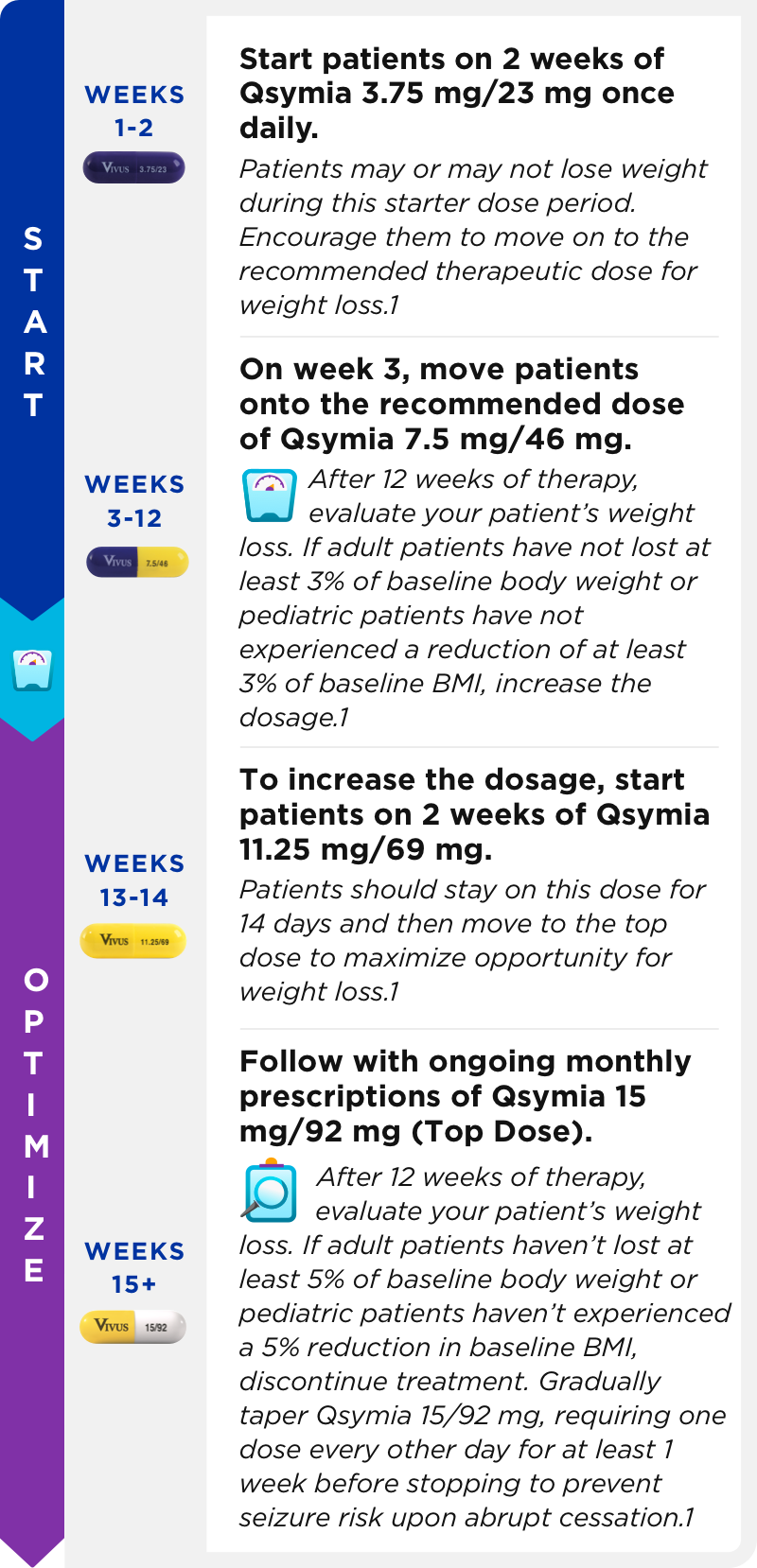
Your health insurance plan is the cornerstone of managing prescription drug costs. Most plans categorize medications into tiers, with brand-name drugs often falling into higher, more expensive tiers. Qsymia, being a specific brand-name combination medication, typically resides in these higher tiers, meaning you might face higher co-pays or co-insurance after meeting your deductible.
Start by reviewing your plan’s Summary of Benefits and Coverage (SBC) and its formulary (the list of covered drugs). The formulary will explicitly state whether Qsymia is covered, at what tier, and if it requires prior authorization or step therapy. Prior authorization means your doctor must submit documentation to your insurer demonstrating medical necessity before they will cover the drug. Step therapy requires you to try less expensive, often generic, alternatives first before the insurer will cover the prescribed medication. Understanding these requirements upfront can save you significant time and unexpected costs. If Qsymia is not on your formulary, or if the co-pay is prohibitive, you might need to explore alternatives with your doctor or consider an appeal process with your insurer, which itself can be a complex and time-consuming financial negotiation.
Uninsured and Underinsured Options
For individuals without health insurance or those whose plans offer minimal prescription coverage, the financial challenges can be substantial. The cash price for medications like Qsymia can range from hundreds to thousands of dollars per month, making it unaffordable for many.
If you are uninsured, explore government marketplaces during open enrollment periods or special enrollment periods triggered by life events. Subsidies may be available based on income, making comprehensive plans more accessible. For those with high deductibles or limited coverage, consider health savings accounts (HSAs) or flexible spending accounts (FSAs) if eligible. These pre-tax savings vehicles can help you set aside funds specifically for healthcare expenses, including prescription medications, effectively reducing your taxable income while preparing for medical costs. Additionally, look into discount drug cards, often available for free online or through pharmacies, which can offer some savings on cash prices, though typically not as substantial as insurance coverage or manufacturer programs.
Navigating the Consultation and Diagnosis Costs
Obtaining a prescription for Qsymia isn’t just about the medication itself; it also involves a series of medical consultations and potential diagnostic tests to determine if the drug is appropriate and safe for you. Each of these steps carries its own financial implications that must be factored into your personal finance plan.
Doctor’s Visits and Specialist Referrals
The initial step will be a consultation with your primary care physician (PCP). Your co-pay for this visit will depend on your insurance plan. During this visit, your doctor will assess your overall health, discuss your weight management goals, and evaluate if Qsymia is a suitable option based on your medical history and current health status.
It’s common for PCPs to refer patients considering weight management medications to specialists, such as an endocrinologist or a bariatric physician. Specialist visits often come with a higher co-pay than general practitioner visits. Before scheduling, confirm with your insurance if a referral is required for specialist coverage, and check if the specialist is in-network to avoid higher out-of-network charges. Each visit, whether to your PCP or a specialist, adds to your cumulative out-of-pocket expenses, contributing towards your deductible and maximum out-of-pocket limit. Budgeting for multiple consultations over a period is a prudent financial practice.
Diagnostic Tests and Lab Work
Before prescribing Qsymia, your doctor will likely order a series of diagnostic tests and lab work to ensure there are no contraindications and to establish baseline health markers. These tests might include blood pressure checks, heart rate monitoring, blood glucose levels, lipid panels, and kidney/liver function tests.
The cost of these tests can vary significantly based on your insurance plan, the facility where they are performed (e.g., hospital lab vs. independent lab), and whether they are processed in-network. While some routine tests might be covered as preventive care, others could be subject to your deductible and co-insurance. Always confirm coverage with your insurer beforehand and inquire about the estimated cost from the lab. If you have a high deductible, negotiating cash prices for lab work directly with the facility can sometimes be an option, or utilizing in-network independent labs which often have lower overheads than hospital-affiliated ones. These costs, though seemingly small individually, accumulate and demand careful financial tracking.
Deciphering Qsymia’s Price Tag and Coverage
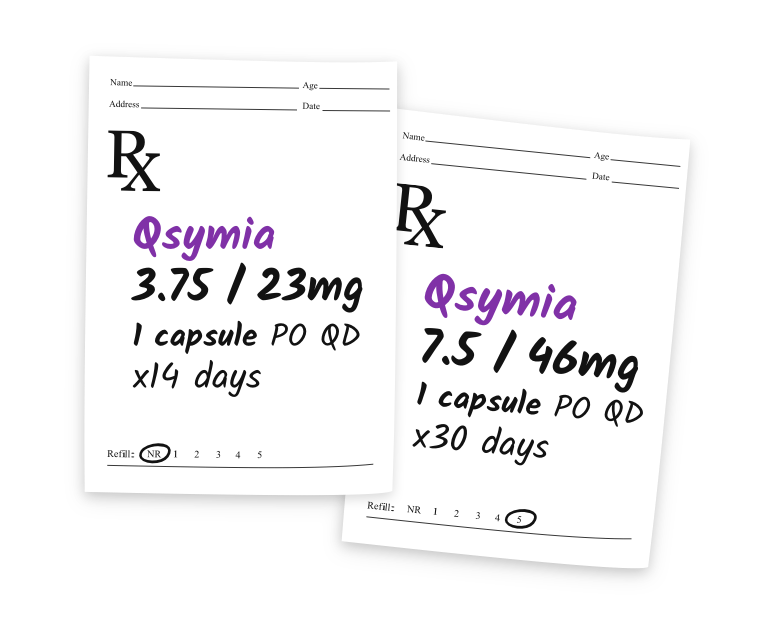
Once you have a prescription in hand, the real financial work begins: understanding the actual cost of Qsymia and how to minimize your monthly outlay. This involves navigating insurance complexities, exploring manufacturer programs, and strategic pharmacy shopping.
Insurance Formulary and Prior Authorization
As mentioned, Qsymia will typically be on a higher tier of your insurance formulary, meaning a higher co-pay or co-insurance percentage. It’s also very likely to require prior authorization (PA). This process involves your doctor providing extensive medical justification to your insurance company. If the PA is denied, you or your doctor can appeal the decision, but this adds time and can be emotionally and financially draining. Be prepared for potential delays and the possibility of paying out-of-pocket while an appeal is in progress. Some plans also mandate step therapy, requiring you to try and fail on a cheaper alternative before Qsymia is covered. Factor these potential hurdles into your financial planning, as they can lead to unexpected costs or delays in starting treatment.
Manufacturer Coupons and Patient Assistance Programs
Many pharmaceutical companies offer patient assistance programs (PAPs) or manufacturer coupons for their brand-name drugs, especially if they are expensive or require long-term use. Qsymia often has such programs designed to reduce out-of-pocket costs for eligible patients.
Visit the official Qsymia website or contact the manufacturer directly to inquire about their savings programs. These programs can often significantly reduce your co-pay or, in some cases, provide the medication for free if you meet specific income criteria and other eligibility requirements. These programs are a critical financial tool, potentially turning an unaffordable medication into a manageable expense. Understand the terms and conditions, including expiration dates and annual limits, as these programs can change.
Comparing Pharmacy Prices
Even with insurance or manufacturer coupons, the final price of Qsymia can vary between pharmacies. Do not assume all pharmacies charge the same amount. Before filling your prescription, call several local pharmacies (including large chains, independent pharmacies, and even mail-order pharmacies affiliated with your insurance) to compare prices.
Online pharmacy aggregators or discount card websites can also provide price comparisons. Mail-order pharmacies, especially those preferred by your insurance, can sometimes offer 90-day supplies at a lower per-month cost than local retail pharmacies. Always confirm that any quoted price includes the application of your insurance benefits and/or manufacturer coupons. This small step can lead to significant savings over the course of a year.
Budgeting for Long-Term Weight Management
Weight management with Qsymia is often a long-term commitment. Therefore, a robust personal finance strategy must extend beyond the initial prescription acquisition to cover ongoing costs and potential related healthcare expenses.
Factoring in Related Healthcare Costs
A holistic approach to weight management often involves more than just medication. You might incur costs for dietary counseling, nutritionist appointments, fitness memberships, or even specialist consultations for co-morbid conditions like diabetes or high blood pressure that are often associated with weight. Each of these components, while beneficial to your health, adds to your overall healthcare expenditure.
As part of your financial planning, allocate a monthly budget for these supplementary services. Understand which, if any, are covered by your insurance. For example, some plans cover a certain number of nutritionist visits, especially if you have a diagnosis like pre-diabetes. Utilize any available preventive care benefits that might support your overall health goals without additional out-of-pocket expenses.
Re-evaluating Your Health Insurance Plan
If Qsymia becomes a long-term part of your health regimen, it’s wise to re-evaluate your health insurance plan during the annual open enrollment period. Compare different plans available to you, focusing specifically on their formularies, prescription drug tiers, deductibles, and out-of-pocket maximums.
A plan with a higher premium might offer better prescription coverage, ultimately saving you money if your annual medication costs are high. Conversely, if manufacturer coupons cover a substantial portion of your Qsymia cost, a high-deductible plan with a lower premium and an HSA might be more advantageous, allowing you to save and invest pre-tax dollars for other healthcare needs. Engage with your insurer’s customer service or a benefits specialist to model different scenarios and determine the most cost-effective plan for your specific needs, considering the ongoing Qsymia prescription.
The Long-Term Financial Commitment
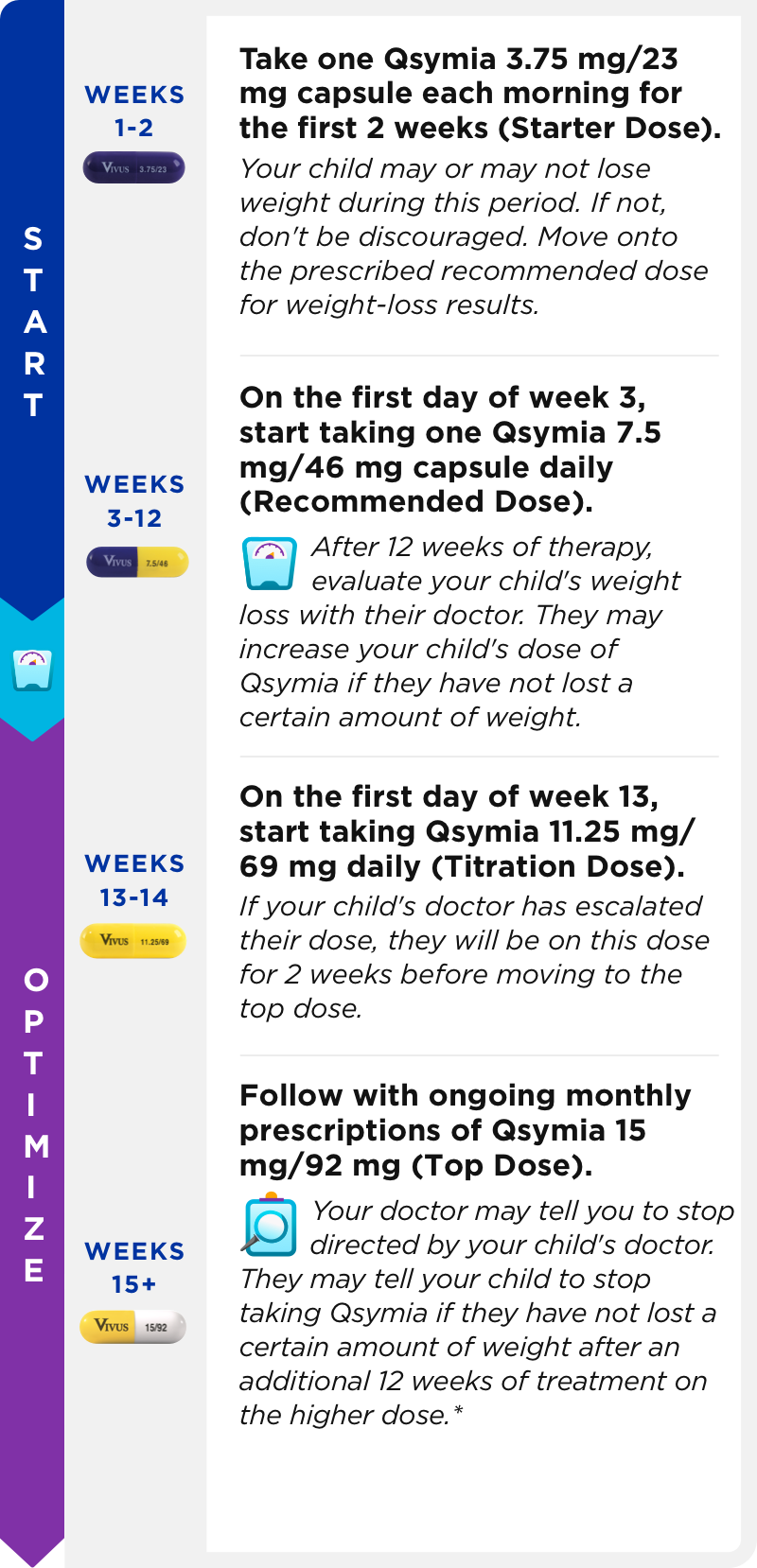
The decision to start Qsymia should be accompanied by a realistic understanding of its long-term financial commitment. Beyond the monthly medication cost, consider the cumulative impact of doctor visits, lab tests, and potential lifestyle support services over several years. Create a dedicated healthcare budget within your personal finance plan.
Regularly review your spending and adjust your budget as needed. Explore financial tools like budgeting apps or spreadsheets to track your healthcare expenditures accurately. By proactively planning and managing the financial aspects of your Qsymia prescription, you can ensure that your health journey is sustainable and does not inadvertently strain your financial well-being. This proactive approach transforms a potentially overwhelming expense into a manageable component of your overall financial health strategy.
aViewFromTheCave is a participant in the Amazon Services LLC Associates Program, an affiliate advertising program designed to provide a means for sites to earn advertising fees by advertising and linking to Amazon.com. Amazon, the Amazon logo, AmazonSupply, and the AmazonSupply logo are trademarks of Amazon.com, Inc. or its affiliates. As an Amazon Associate we earn affiliate commissions from qualifying purchases.