
For millions living with chronic respiratory conditions like COPD and asthma, medications like Trelegy Ellipta are not just a convenience but a daily necessity for maintaining lung function and quality of life. However, the financial burden of such specialty medications in the United States can be substantial, often representing a significant portion of a household’s budget. Understanding the true cost of Trelegy and how financial tools like GoodRx can mitigate these expenses is crucial for effective personal financial management. This article delves into the economics of Trelegy, explores the mechanisms by which GoodRx provides savings, and outlines a broader strategy for managing high prescription costs, empowering individuals to make informed financial decisions about their healthcare.

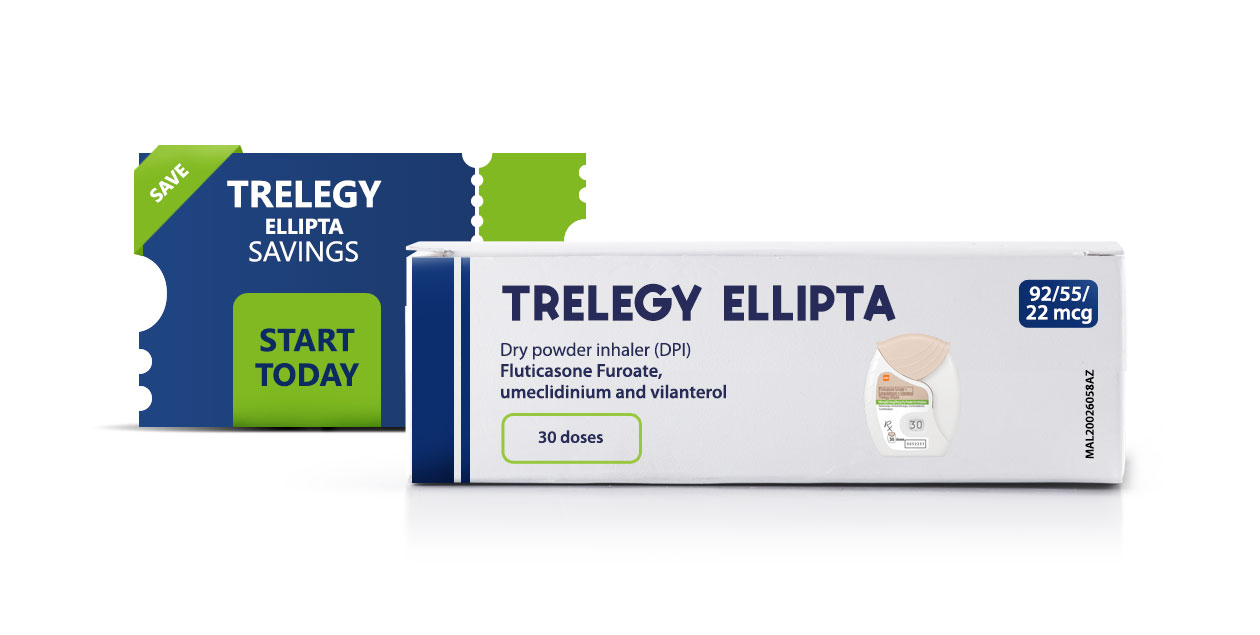
Trelegy Ellipta, a fixed-dose combination inhaler containing fluticasone furoate (an inhaled corticosteroid), umeclidinium (a long-acting muscarinic antagonist), and vilanterol (a long-acting beta2-adrenergic agonist), is a highly effective triple therapy. Its efficacy, however, comes with a price tag that can be prohibitive without proper financial planning and strategic use of discount programs. The retail price for Trelegy can vary dramatically based on location, pharmacy, and whether a patient has insurance. Without insurance, a single 30-dose inhaler can easily range from $600 to over $800 per month, presenting a recurring financial challenge that demands proactive solutions.
The aim here is not merely to quote a number, but to provide a comprehensive financial perspective, explaining the variables at play and illustrating how a savvy consumer can navigate the complex landscape of prescription drug pricing to secure the most favorable cost for essential medications like Trelegy. By understanding the interplay of insurance, pharmacy pricing, and discount cards, individuals can significantly reduce their out-of-pocket expenses and ensure consistent access to their prescribed treatments, thereby safeguarding both their health and their financial well-being.
Understanding Trelegy’s Cost Landscape
The journey to understanding Trelegy’s price begins with recognizing the multitude of factors that contribute to its retail cost. Unlike many consumer goods, prescription drug prices are remarkably opaque and subject to a labyrinthine system of negotiations, rebates, and distribution channels. This complexity often leaves consumers feeling helpless against what appears to be an arbitrary and exorbitant cost.
The High Price of Specialty Medications
Trelegy falls into the category of specialty medications, which typically command higher prices due to several factors. These drugs often involve complex manufacturing processes, significant research and development investments to bring them to market, and target specific, often chronic, conditions. For respiratory therapies like Trelegy, the advanced delivery systems (e.g., the Ellipta inhaler) also contribute to the overall cost. Pharmaceutical companies justify these prices by citing the innovation and the substantial health benefits provided to patients who might otherwise face severe illness or disability. However, from a consumer’s perspective, this means facing a recurring, high-dollar expense that requires careful budgeting. The patented status of such drugs also grants manufacturers exclusivity, limiting competition and thus the downward pressure on prices that generics would typically provide.
Factors Influencing Trelegy’s Retail Price
Beyond its status as a specialty medication, several variables directly impact the final price a consumer pays for Trelegy:
- Pharmacy Markup: Different pharmacies, from large chains to independent stores, apply varying markups to their acquisition costs. This is why shopping around between pharmacies can yield different prices, sometimes by a significant margin.
- Geographic Location: Drug prices can vary by state or even within different regions of a single state due to local market dynamics, competitive landscapes, and regional pricing strategies by pharmaceutical benefit managers (PBMs).
- Insurance Status and Formulary: For insured individuals, the price of Trelegy is dictated by their specific health insurance plan. This includes whether Trelegy is on the plan’s formulary (list of covered drugs), its tier level (which determines co-pay or co-insurance), and whether the deductible has been met. High-deductible health plans, in particular, can leave patients paying the full cash price until their deductible is satisfied.
- Pharmacy Benefit Managers (PBMs): PBMs negotiate prices and rebates with drug manufacturers on behalf of insurance companies. While ostensibly designed to lower costs, their complex contractual arrangements can also obscure the true cost of drugs and influence what pharmacies charge.
- Manufacturer Rebates and Coupons: Pharmaceutical companies often offer their own patient assistance programs, coupons, or savings cards directly to eligible patients, which can reduce the out-of-pocket cost, especially for commercially insured individuals.
These interlocking factors create a dynamic pricing environment where the cost of Trelegy can fluctuate considerably, making transparent financial planning challenging but also underscoring the necessity of tools designed to navigate this complexity.
Why GoodRx Becomes Essential for Savings
In this convoluted pricing environment, GoodRx emerges as an essential financial tool. It acts as a price comparison platform and a provider of prescription discount coupons. By aggregating prices from various pharmacies and offering its own negotiated discounts, GoodRx aims to bring transparency and affordability to prescription drug purchases. For a medication like Trelegy, where the cash price can be exorbitant, GoodRx offers a pathway to significant savings for both insured patients facing high deductibles or poor coverage, and uninsured individuals who would otherwise pay the full retail cost. It effectively bypasses some of the layers of pricing complexity by providing a direct, actionable discount.
Unlocking Savings with GoodRx
GoodRx has revolutionized how many Americans approach prescription drug costs, offering a straightforward mechanism to find and apply discounts that can dramatically reduce out-of-pocket expenses for medications like Trelegy. Its utility stems from its ability to aggregate pricing information and negotiate bulk discounts, passing those savings directly to consumers.
How GoodRx Works: The Mechanics of Prescription Discounts
At its core, GoodRx operates as a prescription price comparison and coupon platform. It partners with pharmacies and Pharmacy Benefit Managers (PBMs) to secure discounted pricing on thousands of medications. When you search for a drug like Trelegy on the GoodRx website or app, it scans prices at participating pharmacies in your area and displays various coupon options. These coupons are essentially pre-negotiated rates that GoodRx has arranged. The price you see listed on GoodRx is the price you would pay if you present that coupon to the pharmacy.
It’s important to understand that GoodRx discounts are generally not combinable with insurance. Patients typically choose to use either their insurance benefits or a GoodRx coupon, whichever offers the better price. For high-cost drugs like Trelegy, especially if you have a high deductible, limited formulary coverage, or are uninsured, GoodRx often provides a more favorable price than what your insurance co-pay might be or what you’d pay towards your deductible. This flexibility allows individuals to strategically manage their medication expenditures based on their current financial situation and insurance coverage.
Step-by-Step: Using GoodRx for Trelegy
Utilizing GoodRx for Trelegy is a relatively simple process that can yield substantial savings:
- Search for Trelegy: Go to the GoodRx website (GoodRx.com) or open the GoodRx app. Type “Trelegy Ellipta” into the search bar.
- Enter Your Location: GoodRx will prompt you for your zip code to display prices at pharmacies near you, as prices can vary by location.
- Compare Pharmacy Prices: A list of local pharmacies will appear, each showing the discounted price for Trelegy using a GoodRx coupon. You’ll often see prices for different quantities (e.g., 30-day supply).
- Select a Coupon: Choose the pharmacy and price that works best for you. Click on the coupon to view its details.
- Get the Coupon Code: The coupon will display a series of numbers: an Rx Group number, a Member ID, and a PCN (Processor Control Number). These are the critical pieces of information the pharmacy needs.
- Present at the Pharmacy: When picking up your Trelegy prescription, present the GoodRx coupon (either printed, shown on your phone, or simply provide the numbers) to the pharmacist. They will enter the information into their system, and you will pay the discounted GoodRx price.
It’s always a good practice to check GoodRx prices each time you refill, as prices and available coupons can fluctuate. This simple ritual can become a powerful financial habit, ensuring you’re consistently getting the best possible price for your essential medications.
GoodRx Gold and Other Premium Options for Deeper Discounts
For those with ongoing, high-cost prescriptions like Trelegy, GoodRx offers a subscription service called GoodRx Gold. This premium membership typically costs a small monthly fee (e.g., $9.99 for an individual or family plan) and promises even deeper discounts on a broader range of medications compared to the free GoodRx coupons. While the free coupons are already very effective, GoodRx Gold can offer additional savings for medications where the standard coupon might still leave a significant out-of-pocket expense.
Before subscribing to GoodRx Gold, it’s advisable to compare the Gold price for Trelegy (and any other regular medications) against the free GoodRx coupon price. If the aggregate monthly savings from Gold membership consistently outweigh the subscription fee, it represents a sound financial decision. Beyond GoodRx, other similar discount card programs (e.g., SingleCare, Optum Perks) exist, and comparing across these platforms can sometimes unearth even further savings, reinforcing the importance of being a proactive consumer in managing healthcare costs.
Beyond GoodRx: A Holistic Approach to Reducing Medication Expenses
While GoodRx is an invaluable tool, it’s just one component of a comprehensive financial strategy for managing the high cost of medications like Trelegy. A truly holistic approach involves exploring all available avenues for assistance and proactively engaging with healthcare providers and pharmacists.
Manufacturer Patient Assistance Programs (PAPs)
Pharmaceutical manufacturers often recognize the financial barriers their high-cost drugs can create and, as a result, establish Patient Assistance Programs (PAPs). These programs are designed to provide free or low-cost medication to eligible patients who are uninsured, underinsured, or meet specific income criteria. For Trelegy, the manufacturer (GlaxoSmithKline or GSK) typically offers such programs.
Applying for a PAP usually involves providing financial documentation and details about your medical condition. The process can sometimes be lengthy, but the potential for receiving Trelegy at no or significantly reduced cost makes it a highly worthwhile endeavor for those who qualify. Many patients successfully leverage PAPs to manage their chronic conditions without incurring crushing financial debt. It’s crucial to check the specific requirements and application process on the manufacturer’s official website or speak with your prescribing physician’s office, as they often have staff dedicated to assisting with these applications.
Insurance Coverage and Formulary Considerations
For insured individuals, understanding their health plan’s intricacies is paramount. Even with insurance, Trelegy can be expensive if it’s placed on a high tier within the plan’s formulary (the list of covered drugs). High-tier drugs often require higher co-pays or co-insurance (a percentage of the drug’s cost), and may not be fully covered until a deductible is met.
- Formulary Review: Always review your plan’s formulary annually to understand where Trelegy (or potential alternatives) stands. If Trelegy is not on your formulary or is in a very high tier, discuss this with your doctor and insurance provider.
- Prior Authorization: Some insurance plans require prior authorization for specialty medications like Trelegy. This means your doctor must submit documentation to your insurer demonstrating medical necessity before the drug will be covered. Ensure this process is completed to avoid denied claims.
- Appeals Process: If coverage for Trelegy is denied, don’t give up immediately. Health insurance plans have an appeals process that allows you to challenge their decision. This often involves your doctor advocating on your behalf.
Exploring Pharmacy-Specific Discount Programs
Beyond GoodRx and manufacturer programs, many pharmacies offer their own discount cards or loyalty programs. These can sometimes provide competitive pricing, especially for generic medications, but it’s always worth asking about them for specialty drugs too. Large chain pharmacies might have preferred pricing arrangements with certain PBMs that could occasionally beat GoodRx or even insurance co-pays. Always inquire about the best available price at the pharmacy counter, explicitly mentioning that you are seeking the lowest cash price or exploring available discounts.
The Role of Generic Alternatives and Therapeutic Equivalents
For many medications, switching to a generic equivalent is the simplest and most effective way to reduce costs. However, for a fixed-dose combination inhaler like Trelegy, a direct generic equivalent might not yet be available due to patent protections. Furthermore, respiratory inhalers often involve complex drug-device combinations where “generics” (often called authorized generics or biosimilars for biologics) face stricter regulatory hurdles.
While a direct generic for Trelegy might not exist, discussing with your physician if there are therapeutically equivalent options (different combination inhalers that achieve similar clinical outcomes) that might be cheaper is a valuable financial conversation. This is not about compromising care but about exploring all medically appropriate and financially viable alternatives under the guidance of a healthcare professional. Any change in medication should always be made in consultation with your doctor.
Strategic Financial Planning for Chronic Conditions
Managing chronic conditions like COPD or asthma, which require ongoing medication like Trelegy, necessitates robust personal financial planning. This goes beyond finding individual discounts and integrates medication costs into a broader financial strategy.
Budgeting for Ongoing Medication Costs
The first step in effective financial planning is transparent budgeting. Accurately estimate your monthly or annual out-of-pocket costs for Trelegy, factoring in potential GoodRx savings, insurance co-pays, and deductibles. Allocate a specific portion of your budget to healthcare expenses, treating medication costs as a fixed, recurring expenditure rather than an unpredictable variable. Regularly reviewing and adjusting this budget ensures that you can sustain access to your vital medications without jeopardizing other financial goals. Unexpected medical costs are a leading cause of financial distress, but proactive budgeting for known chronic medication needs can significantly mitigate this risk.
Health Savings Accounts (HSAs) and Flexible Spending Accounts (FSAs)
For individuals enrolled in high-deductible health plans (HDHPs), Health Savings Accounts (HSAs) are incredibly powerful financial tools. Contributions to an HSA are tax-deductible, the money grows tax-free, and qualified medical expenses (including prescription drugs) can be paid for tax-free. This triple tax advantage makes HSAs an excellent way to save for and pay for high-cost medications like Trelegy. Funds in an HSA roll over year after year and are portable, providing long-term financial security for healthcare needs.
Flexible Spending Accounts (FSAs), offered through employer-sponsored plans, serve a similar purpose, allowing you to set aside pre-tax dollars for eligible medical expenses. While FSA funds typically need to be used within the plan year (though some plans offer a grace period or limited carryover), they still offer significant tax savings on medication purchases. Maximizing contributions to an HSA or FSA can effectively reduce the net cost of Trelegy by leveraging tax efficiencies.
Advocating for Lower Costs with Healthcare Providers
Your prescribing physician and their office staff can be powerful allies in your quest for medication affordability. They are often aware of manufacturer programs, local resources, and alternative treatment options. Don’t hesitate to have an open conversation about the financial burden of Trelegy.
- Be Transparent: Clearly communicate your financial concerns to your doctor. They cannot help if they are unaware of the cost impact.
- Ask About Samples: Sometimes, pharmaceutical representatives provide doctors with samples of new or expensive medications. While not a long-term solution, samples can provide a temporary bridge while you explore other discount options.
- Inquire About Alternatives: As discussed, ask if there are other medically appropriate medications or combination therapies that might be more affordable, even if Trelegy is considered the gold standard.
- Seek Assistance from Office Staff: Many medical offices have dedicated patient navigators or financial counselors who can help you research patient assistance programs, navigate insurance appeals, or find local support resources.
By integrating GoodRx with a broader strategy encompassing manufacturer programs, smart insurance utilization, tax-advantaged savings accounts, and open communication with healthcare providers, individuals can effectively manage the significant financial challenge posed by essential, high-cost medications like Trelegy. This proactive and multi-faceted approach transforms the daunting question of “How much is Trelegy?” into an actionable plan for financial resilience and sustained health.
aViewFromTheCave is a participant in the Amazon Services LLC Associates Program, an affiliate advertising program designed to provide a means for sites to earn advertising fees by advertising and linking to Amazon.com. Amazon, the Amazon logo, AmazonSupply, and the AmazonSupply logo are trademarks of Amazon.com, Inc. or its affiliates. As an Amazon Associate we earn affiliate commissions from qualifying purchases.