
In the intricate world of personal finance and business operations, account numbers serve as unique identifiers, crucial for everything from paying bills and transferring funds to managing investments and verifying your identity. Yet, despite their vital role, many individuals find themselves momentarily stumped when asked to produce a specific account number. Whether you’re setting up a direct deposit, disputing a charge, or simply updating your financial records, knowing exactly where to look for these critical digits can save you time, stress, and potential headaches.
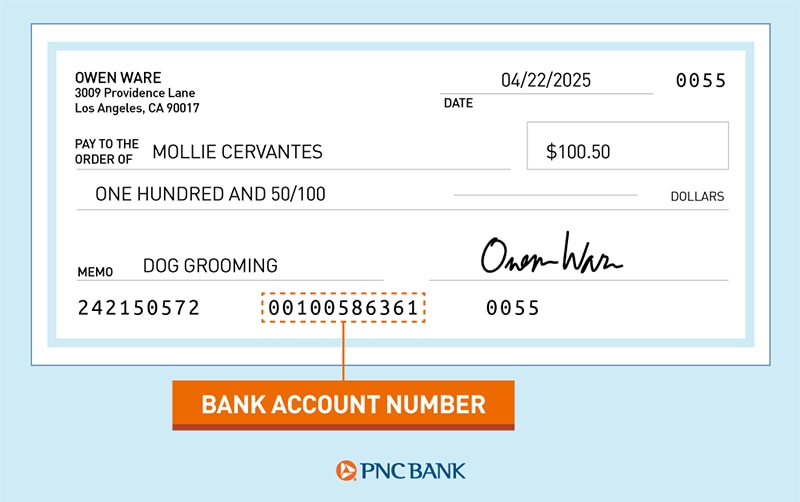
This guide delves into the various places where you can reliably locate your account numbers across different financial services and utility providers. We’ll explore the importance of these identifiers, provide practical steps for finding them, and offer best practices for their secure management, all within the context of sound financial stewardship.
Understanding the Importance of Your Account Numbers
Before we dive into the “where,” it’s essential to grasp the “why.” Account numbers are more than just strings of digits; they are the unique keys that unlock and differentiate your financial relationships.
The Role of Account Numbers in Financial Transactions
At their core, account numbers facilitate secure and accurate financial transactions. Think of them as the precise street address for your money. When you initiate a bank transfer, set up a direct debit for a mortgage payment, or receive a refund, your account number ensures the funds go to or come from the correct source. Without these identifiers, the global financial system would grind to a halt, replaced by chaos and endless reconciliation challenges.
They are critical for:
- Fund Transfers: Sending or receiving money electronically, both domestically and internationally.
- Bill Payments: Linking your payment method to the correct utility, credit card, or loan account.
- Direct Deposits/Debits: Enabling automatic payments from your employer or automated withdrawals for recurring expenses.
- Account Verification: Confirming your identity when interacting with customer service or setting up new services.
- Tax Reporting: Financial institutions use these numbers to report interest earned, dividends, and other taxable activities to tax authorities.
Differentiating Between Various Account Types
It’s important to recognize that not all “account numbers” are the same. While the term is broad, in the realm of money and finance, it typically refers to a few key categories:
- Bank Account Numbers: These are your checking or savings account numbers, usually 8-12 digits long, specific to your individual bank account. They are often used in conjunction with a bank’s routing number for transfers.
- Investment Account Numbers: For brokerage accounts, retirement accounts (like 401(k)s or IRAs), or mutual fund accounts, these numbers identify your specific investment portfolio.
- Loan Account Numbers: Mortgages, car loans, personal loans, and student loans each have unique numbers that help track your debt and payments.
- Credit Card Account Numbers: While often used interchangeably with the 16-digit number on the front of your card, this specific number is for transactions rather than identifying a broader relationship with the issuer for administrative purposes. The actual “account number” for a credit card can sometimes be a different internal identifier used by the bank.
- Utility Account Numbers: For services like electricity, water, gas, internet, and phone, these numbers link your usage and billing to your specific service address.
- Insurance Policy Numbers: These identifiers are crucial for accessing policy details, making claims, and managing your coverage for health, auto, home, or life insurance.
Understanding which type of account number you need for a specific task is the first step in locating it efficiently.
Common Places to Locate Your Banking and Investment Account Numbers
For most people, bank and investment account numbers are the most frequently sought-after identifiers. Fortunately, financial institutions provide multiple accessible avenues to find them.
Traditional Paper Statements and Documents
Despite the digital age, physical documents remain a reliable source.
- Bank Statements: Your monthly or quarterly bank statements are perhaps the most common place to find your checking and savings account numbers. They are usually prominently displayed near your name and address, often at the top or bottom of the statement. The routing number for your bank will also typically be present.
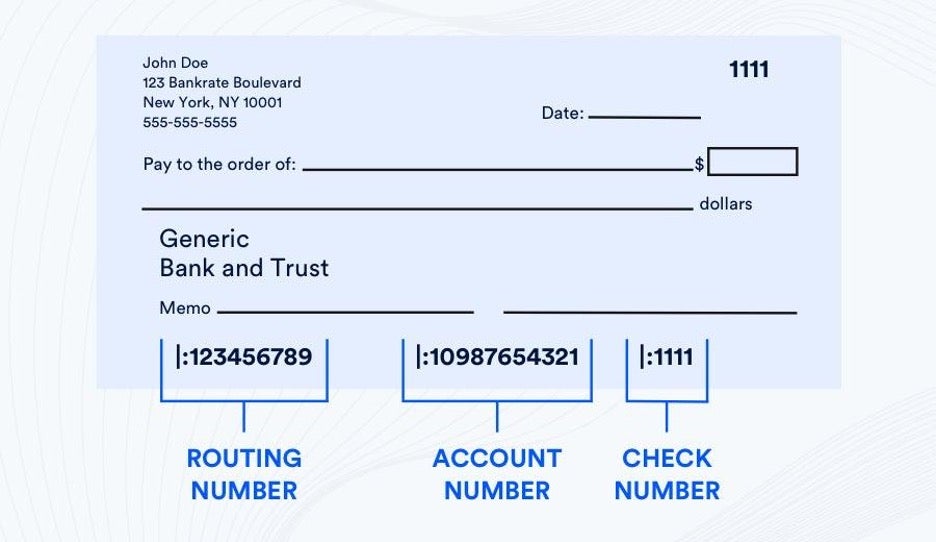
- Checkbooks: If you have a physical checkbook, your checking account number is printed at the bottom of each check, typically the middle set of numbers, positioned between the routing number (left) and the check number (right).
- Deposit Slips: Similar to checks, deposit slips also feature your account number.
- Loan Statements: Monthly statements for mortgages, auto loans, or personal loans will clearly show your loan account number.
- Investment Statements: Brokerage firms, mutual fund companies, and retirement plan administrators send out periodic statements (monthly, quarterly, annually) which list your investment account numbers.
- Welcome Kits/Initial Documents: When you first open an account, the welcome package, account agreement, or other initial paperwork will contain all your essential account details.
Navigating Online Banking Portals and Mobile Apps
For those who manage their finances digitally, online platforms are a quick and convenient option.
- Online Banking Website: Log into your bank’s official website. After authentication, navigate to the specific account you’re interested in (e.g., “Checking,” “Savings”). Most banks will display the full account number prominently on the account summary page or under a “Account Details,” “Account Information,” or “Statements” section. You might need to click on an icon (like an eye) to reveal the full number for security purposes.
- Mobile Banking App: Similar to the online portal, your bank’s mobile app will allow you to access account details. Open the app, log in, select the relevant account, and look for an option to view “Account Details” or “Show Account Number.” Again, it might be partially masked until you tap to reveal it.
- Digital Statements: If you’ve opted for paperless statements, you can access past statements through your online banking portal or mobile app. These digital versions are identical to their paper counterparts and will contain your account number.
Utilizing Your Checkbook and Debit Card
While primarily for transactions, these items offer clues to your bank account information.
- Checkbook: As mentioned, your checking account number is clearly printed on the bottom of your checks. This is arguably the quickest way to find your checking account number if you have a physical checkbook handy.
- Debit Card: Be cautious here. The 16-digit number on your debit card is not your bank account number. It is a unique card number tied to your account for payment processing. However, some banks might print a truncated version of your actual bank account number on the back of the card, often labeled “Account Number” or “Acct. No.” It’s usually only the last few digits. For the full number, refer to statements or online banking.
Direct Contact with Your Financial Institution
When all else fails, or if you prefer direct assistance, your financial institution’s customer service is there to help.
- Phone Support: Call the customer service number listed on your bank’s website, your debit card, or a recent statement. Be prepared to go through a verification process, which might include answering security questions, providing your Social Security number, or confirming recent transactions.
- Branch Visit: If you prefer in-person assistance, visit a local branch of your bank. Bring a valid form of identification (driver’s license, passport) and be prepared to confirm your identity. A teller or customer service representative can provide your account number.
Finding Account Numbers for Utility Services and Other Bills
Beyond core banking and investments, account numbers are also critical for managing household utilities and other recurring expenses.
Deciphering Utility Bills (Electricity, Water, Gas, Internet)
Utility bills are a prime source for their respective account numbers.
- Printed Bill: Every paper utility bill you receive will prominently display your account number. It’s usually located near your name and address, often at the top of the bill, sometimes labeled “Account No.,” “Customer Account,” or “Service Account.” The service address and billing period will also be present alongside it.
- Online Portal: Most utility providers offer online customer portals. Log in to your account, and your account number will typically be visible on the main dashboard, “My Account” page, or within the “Billing” section.
- Mobile Apps: Many utility companies also have dedicated mobile apps where you can view your bills and account details.
- Customer Service: If you can’t find a bill, call the utility company’s customer service. You’ll need to verify your identity, usually with your name, address, and potentially the last four digits of your Social Security number or a previous payment amount.
Loan and Insurance Document Specifics
Similar to bank and investment accounts, loan and insurance accounts have their own unique identifiers.
- Loan Payment Coupons/Statements: For personal loans, auto loans, or mortgages, your monthly statements or payment coupons will clearly list your loan account number. This is crucial for ensuring your payments are credited correctly.
- Insurance Policy Documents: Your health, auto, home, or life insurance policy documents (physical or digital) will contain your policy number. This number is essential when making claims, contacting your insurer, or reviewing your coverage.
- Online Portals/Apps: Most loan servicers and insurance providers offer online platforms where you can access your account details, including loan and policy numbers.
- Direct Contact: As always, reaching out to the loan servicer or insurance agent/company directly via phone can help you retrieve these numbers after a verification process.
Best Practices for Securing and Managing Your Account Information
While locating your account numbers is important, equally vital is understanding how to protect and manage this sensitive information securely.
Safeguarding Against Fraud and Identity Theft
Your account numbers are keys to your financial life. Protect them diligently.
- Be Skeptical of Unsolicited Requests: Never provide your account number (or other sensitive financial information) in response to unsolicited emails, texts, or phone calls. Legitimate organizations will rarely ask for full account numbers via insecure channels.
- Use Secure Websites: Always ensure you are on a legitimate, secure website (look for “https://” and a padlock icon in the URL bar) when entering account details online.
- Shred Old Documents: Don’t just toss old bank statements, utility bills, or credit offers in the trash. Shred them to prevent dumpster diving identity theft.
- Monitor Your Accounts: Regularly review your bank statements and online transaction history for any unauthorized activity. Report discrepancies immediately.
- Strong, Unique Passwords: Use complex and unique passwords for all your online financial accounts. Consider using a reputable password manager.
- Beware of Public Wi-Fi: Avoid accessing sensitive financial information over unsecured public Wi-Fi networks, as they can be vulnerable to eavesdropping.
Efficient Organization and Digital Access
Having a system for organizing your account numbers can save time and reduce stress.
- Secure Digital Storage: Consider using encrypted notes apps, secure document storage services, or password managers to store a list of your various account numbers. Ensure these tools are protected by strong master passwords and multi-factor authentication.
- Physical Filing System: For paper documents, maintain an organized filing system. Keep recent statements and essential documents in an easily accessible, secure location.
- Create a Master List (Securely): If you have many accounts, a securely stored master list (either encrypted digitally or in a locked physical binder) can be incredibly helpful, but only if its security is paramount. Never keep this list unsecured.
- Understand Different Numbers: As discussed, differentiate between your bank account number, credit card number, utility account number, etc., to avoid confusion.

When to Share (and Not Share) Your Account Numbers
Knowing when it’s appropriate to provide your account number is crucial for security.
- When to Share: You will need to provide your bank account and routing number for direct deposit with your employer, setting up automated bill payments with legitimate service providers, or initiating transfers to other accounts you own. Loan and utility account numbers are shared when making payments or contacting customer service.
- When NOT to Share: Be extremely cautious about sharing your full bank account number with anyone you don’t explicitly trust or who hasn’t initiated a legitimate transaction with you. Never provide it in response to lottery winnings, inheritance scams, or tech support scams. Credit card numbers should only be used on secure payment gateways for purchases you initiate.
In conclusion, account numbers are the bedrock of modern financial management. While they may seem like trivial strings of digits, their proper identification, use, and diligent protection are essential for maintaining financial order, preventing fraud, and ensuring the smooth flow of your personal and business transactions. By understanding where to locate these critical identifiers and adopting best practices for their security, you empower yourself to navigate the financial landscape with confidence and control.
aViewFromTheCave is a participant in the Amazon Services LLC Associates Program, an affiliate advertising program designed to provide a means for sites to earn advertising fees by advertising and linking to Amazon.com. Amazon, the Amazon logo, AmazonSupply, and the AmazonSupply logo are trademarks of Amazon.com, Inc. or its affiliates. As an Amazon Associate we earn affiliate commissions from qualifying purchases.