
In the intricate landscape of personal finance, the credit card stands as a ubiquitous and often indispensable tool. Far from being a mere piece of plastic, a credit card is a powerful financial instrument capable of building credit, offering rewards, providing convenience, and even serving as a financial safety net. However, with an overwhelming array of options, deciphering “what is a good credit card” can feel like navigating a labyrinth. There is no singular “best” credit card; instead, the ideal choice is deeply personal, aligning perfectly with an individual’s financial habits, goals, and creditworthiness. This article will demystify the process, guiding you through the essential considerations to help you identify the credit card that genuinely serves your unique financial narrative.
Understanding Your Financial Profile and Needs
Before diving into the myriad of credit card offers, the most crucial first step is to conduct an honest self-assessment of your current financial situation and future aspirations. A credit card is a reflection of your financial life, and choosing wisely requires a clear understanding of where you stand and what you aim to achieve.
Assessing Your Credit Score
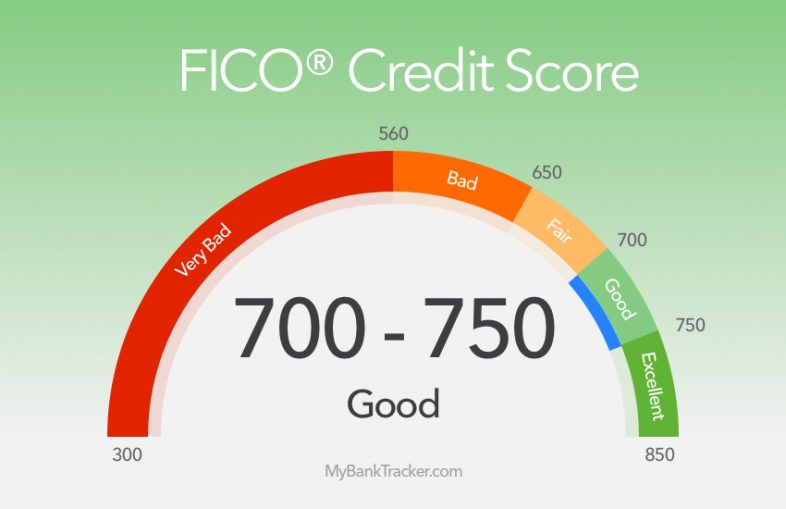
Your credit score is the gatekeeper to premium credit card offers. Lenders use this three-digit number to gauge your creditworthiness – your likelihood of repaying borrowed money. Generally, scores range from 300 to 850, with higher scores indicating lower risk. Excellent credit (750+) unlocks the most lucrative rewards, lowest interest rates, and best perks. Good credit (670-749) still provides access to a strong selection of cards, while fair credit (580-669) may necessitate looking at cards designed for rebuilding credit. If you have poor credit (below 580) or no credit history, secured credit cards or student cards are often the best starting point. Knowing your score, which you can typically obtain for free from credit bureaus or financial services, will narrow down your realistic options considerably.
Defining Your Spending Habits
The utility of a credit card is maximized when it complements your existing spending patterns. Take a close look at your monthly expenditures. Do you spend heavily on groceries, dining out, or gas? Are travel expenses a significant part of your budget, or do you prefer to keep discretionary spending low? Identifying your primary spending categories is vital because many credit cards offer accelerated rewards in specific areas. A card offering 5% back on groceries might be “good” for a family, while a card providing 3x points on travel might be ideal for a frequent flyer. Without this clarity, you risk choosing a card whose rewards structure doesn’t align with how you actually spend, rendering its benefits largely irrelevant.
Identifying Your Financial Goals
Beyond immediate spending, what do you hope to achieve with a credit card? Your financial goals heavily influence the type of card that will be most beneficial. Are you looking to earn cashback to supplement your income or offset daily expenses? Do you dream of discounted travel or free flights through points and miles? Perhaps your primary goal is to consolidate existing high-interest debt with a balance transfer offer, or to build a strong credit history from scratch. Some individuals prioritize a low Annual Percentage Rate (APR) because they anticipate carrying a balance occasionally, while others seek premium perks like airport lounge access or concierge services. Clearly defining these objectives will serve as a compass, guiding you toward cards specifically designed to help you reach them.
Decoding Credit Card Types and Their Benefits
Once you’ve assessed your financial profile and goals, you can explore the various categories of credit cards available. Each type is tailored to different needs and offers distinct advantages.
Cashback Credit Cards
Cashback cards are straightforward: you earn a percentage of your spending back as cash. This can be a flat rate on all purchases (e.g., 1.5% or 2% back) or tiered, with higher percentages in specific categories that rotate quarterly or remain fixed (e.g., 5% on gas and groceries, 1% on everything else). These cards are excellent for individuals who prefer simplicity and tangible savings that can be applied directly to their statement, deposited into a bank account, or used for gift cards. They are particularly “good” for those who don’t want to deal with the complexities of travel points or who prefer a direct financial return on their everyday spending.
Travel Rewards Credit Cards
For the globetrotter or even the occasional vacationer, travel rewards cards can unlock significant value. These cards typically offer points or miles that can be redeemed for flights, hotel stays, car rentals, or other travel-related expenses. Many come with lucrative sign-up bonuses that alone can fund a substantial trip. Beyond points, premium travel cards often provide benefits like airport lounge access, travel insurance, free checked bags, elite status upgrades, and statement credits for travel purchases. While these cards often carry annual fees, the value of their perks and rewards can far outweigh the cost for frequent travelers.
Low-Interest / Balance Transfer Credit Cards
These cards are designed for individuals who anticipate carrying a balance, either occasionally or as part of a debt consolidation strategy. Low-interest cards feature a lower-than-average APR, reducing the cost of interest accrual. Balance transfer cards typically offer an introductory 0% APR period (often 12-21 months) on transferred balances, allowing cardholders to pay down debt without accruing interest during that promotional window. A “good” balance transfer card has a long 0% APR period and a reasonable balance transfer fee (usually 3-5% of the transferred amount). These are crucial tools for managing and reducing high-interest credit card debt, provided the user commits to paying off the transferred balance before the promotional period expires.
Secured Credit Cards
For those with limited or poor credit history, a secured credit card is often the best pathway to establishing or rebuilding credit. Unlike traditional credit cards, a secured card requires a cash deposit, which typically becomes your credit limit. This deposit acts as collateral, mitigating risk for the issuer. As you use the card responsibly—making on-time payments and keeping your utilization low—the issuer reports your activity to credit bureaus, helping you build a positive credit history. After a period of responsible use (typically 6-12 months), many secured cards offer an upgrade to an unsecured card, and your deposit is returned.
Student Credit Cards
Specifically tailored for college students, these cards recognize that many young adults are just beginning their credit journey. Student credit cards typically have lower credit limits, often offer modest rewards (like cashback on dining or books), and may provide features to help students learn about credit management. They serve as an excellent bridge for students to build a solid credit history responsibly before graduating to more advanced cards. Lenders often have more lenient approval criteria, understanding that students may have limited income or credit history.
Key Features and Terms to Evaluate
Beyond the broad categories, the devil is in the details. A truly “good” credit card is one whose specific features and terms align perfectly with your financial strategy. Scrutinizing the fine print is paramount.
Annual Percentage Rate (APR)
The APR is the interest rate you’ll pay on any balance you carry over from month to month. It’s often expressed as a variable rate that can fluctuate with the prime rate. If you plan to pay your balance in full every month, the APR is less critical, as you won’t incur interest charges. However, if you anticipate carrying a balance, even occasionally, a lower APR can save you significant money. Introductory 0% APR offers for purchases can be beneficial, but be mindful of the regular APR that kicks in after the promotional period ends.
Annual Fees
Some credit cards charge an annual fee, ranging from modest amounts to several hundred dollars for premium cards. A “good” credit card with an annual fee is one where the value of the rewards, benefits, and perks you receive demonstrably outweighs the cost of the fee. For instance, a travel card with a $95 annual fee might offer a free checked bag ($60 value per round trip), travel insurance, and bonus points that easily justify the expense for frequent travelers. Many excellent cashback and low-APR cards have no annual fees, making them attractive for those seeking to minimize costs.
Rewards Programs
Understanding the rewards program is critical for cashback and travel cards. This includes the earning rate (e.g., 1x, 2x, 5x points per dollar), bonus categories, and how rewards can be redeemed. For travel cards, evaluate the value of points/miles, transfer partners, and redemption flexibility. Some points are worth more when redeemed for specific travel partners or through the card’s portal. For cashback, ensure the redemption process is simple and offers valuable options (e.g., direct deposit, statement credit). A “good” rewards program is one that provides maximum value for your typical spending and aligns with your redemption preferences.
Sign-Up Bonuses and Introductory Offers
Many credit cards entice new customers with generous sign-up bonuses, often awarded after meeting a specific spending threshold within the first few months. These can be a significant boost to your points, miles, or cashback earnings. Similarly, introductory offers like 0% APR on purchases or balance transfers for a set period can provide substantial financial relief. While attractive, these offers should not be the sole reason for choosing a card. Always evaluate the long-term value of the card beyond the introductory phase to ensure it remains “good” after the initial perks expire.
Foreign Transaction Fees
If you travel internationally or make purchases from foreign merchants online, foreign transaction fees are an important consideration. These fees, typically 2-3% of each transaction, can quickly add up. Many travel cards and some general cashback cards offer no foreign transaction fees, making them “good” choices for global spenders. If you rarely leave your home country, this feature might be irrelevant, but for frequent international travelers, it’s a must-have.
Late Payment Fees and Penalties
All credit cards come with potential fees for late payments, exceeding your credit limit, or returned payments. While responsible use should prevent these, it’s wise to be aware of the costs. A “good” credit card issuer will have transparent policies, and some may offer a grace period or waives a first-time late fee if you have an otherwise good payment history. Understanding these potential penalties reinforces the importance of diligent credit management.
Strategic Credit Card Management
Choosing a good credit card is only half the battle; managing it wisely is crucial to truly harness its benefits and avoid pitfalls. Responsible usage is the cornerstone of building a healthy financial future.
Paying Your Balance in Full
This is arguably the most fundamental rule of responsible credit card use. By paying your statement balance in full every month by the due date, you avoid interest charges entirely. This transforms your credit card into a convenient payment tool and a source of rewards, rather than a debt-accruing liability. It also prevents debt from spiraling out of control and ensures your credit score remains strong. For those who consistently pay in full, a credit card is essentially an interest-free loan for a short period.
Monitoring Your Credit Utilization Ratio
Your credit utilization ratio is the amount of credit you’re using compared to your total available credit (e.g., if you have a $1,000 balance on a $5,000 limit, your utilization is 20%). This ratio is a significant factor in your credit score. Lenders prefer to see this ratio below 30%, and ideally even lower (under 10%) for excellent scores. Keeping your utilization low demonstrates that you’re not overly reliant on credit. Even if you pay your balance in full, try to keep your reported balance low by making payments throughout the month or paying off large purchases before your statement closes.
Utilizing Rewards Effectively
A “good” credit card offers rewards that you actually use. Don’t let your hard-earned points or cashback expire or go unredeemed. Regularly check your rewards balance and understand the best ways to redeem them. For cashback cards, set up automatic redemption if available. For travel cards, strategize your redemptions to maximize value, whether it’s through transferring points to airline partners for premium travel or booking through the card’s portal during promotional periods. Proactive rewards management ensures you capture the full value of your card’s benefits.
Protecting Against Fraud
Credit cards come with robust fraud protection, but vigilance is key. Regularly review your statements for unauthorized transactions and report any suspicious activity immediately to your issuer. Utilize features like transaction alerts via email or text messages. Be cautious about sharing your card details online and ensure you’re using secure websites (look for “https://” and a padlock icon). Many cards also offer virtual card numbers for online shopping, adding an extra layer of security.
Reviewing Your Statement Regularly
Your monthly credit card statement is more than just a bill; it’s a comprehensive record of your spending and account activity. Beyond checking for fraud, reviewing your statement allows you to track your budget, identify spending patterns, ensure all charges are accurate, and verify that any payments or credits have been applied correctly. It’s a fundamental habit for sound financial management and helps you stay on top of your financial obligations.
The Application Process and Beyond
Once you’ve identified a “good” credit card that aligns with your needs, the final step is the application process and understanding what happens afterward.
Preparing Your Application
Before applying, ensure you have all necessary information readily available: your full name, address, date of birth, Social Security number, employment status, annual income, and possibly monthly housing payments. Be accurate and truthful. Avoid applying for too many cards in a short period, as multiple hard inquiries can temporarily ding your credit score.
Understanding Approval Criteria
Each credit card issuer has specific criteria for approval, primarily based on your credit score, income, and debt-to-income ratio. If you have excellent credit and a stable income, approvals are typically swift. For those with less-than-perfect credit, be prepared for potential requests for additional information or even denial. If denied, issuers are legally required to provide a reason, which can offer valuable insight for improving your credit profile.
What to Do After Approval (or Denial)
Upon approval, activate your card, read the cardholder agreement thoroughly, and immediately establish a plan for responsible use. If denied, don’t despair. Use the feedback to address any issues, such as paying down existing debt, disputing errors on your credit report, or focusing on building credit with a secured card first. A denial is an opportunity to strengthen your financial foundation for future success.
In conclusion, a “good credit card” is not a universal truth but a tailored solution. It’s a card that perfectly marries your financial reality with your aspirations, offering optimal rewards, manageable terms, and practical benefits. By understanding your financial landscape, deciphering card types, scrutinizing terms and features, and committing to diligent management, you can confidently choose and wield a credit card as a powerful asset in your personal finance toolkit.
aViewFromTheCave is a participant in the Amazon Services LLC Associates Program, an affiliate advertising program designed to provide a means for sites to earn advertising fees by advertising and linking to Amazon.com. Amazon, the Amazon logo, AmazonSupply, and the AmazonSupply logo are trademarks of Amazon.com, Inc. or its affiliates. As an Amazon Associate we earn affiliate commissions from qualifying purchases.