
For millions of Americans, the Electronic Benefits Transfer (EBT) card is a crucial tool for managing essential needs, primarily facilitating access to food assistance through the Supplemental Nutrition Assistance Program (SNAP). However, a lesser-known but equally vital component for many recipients is the ability to access cash benefits, often provided through Temporary Assistance for Needy Families (TANF) or similar state-specific general assistance programs. Understanding how to responsibly and effectively withdraw these cash funds is paramount for individuals and families relying on this support for non-food essentials like rent, utilities, transportation, or personal care items.
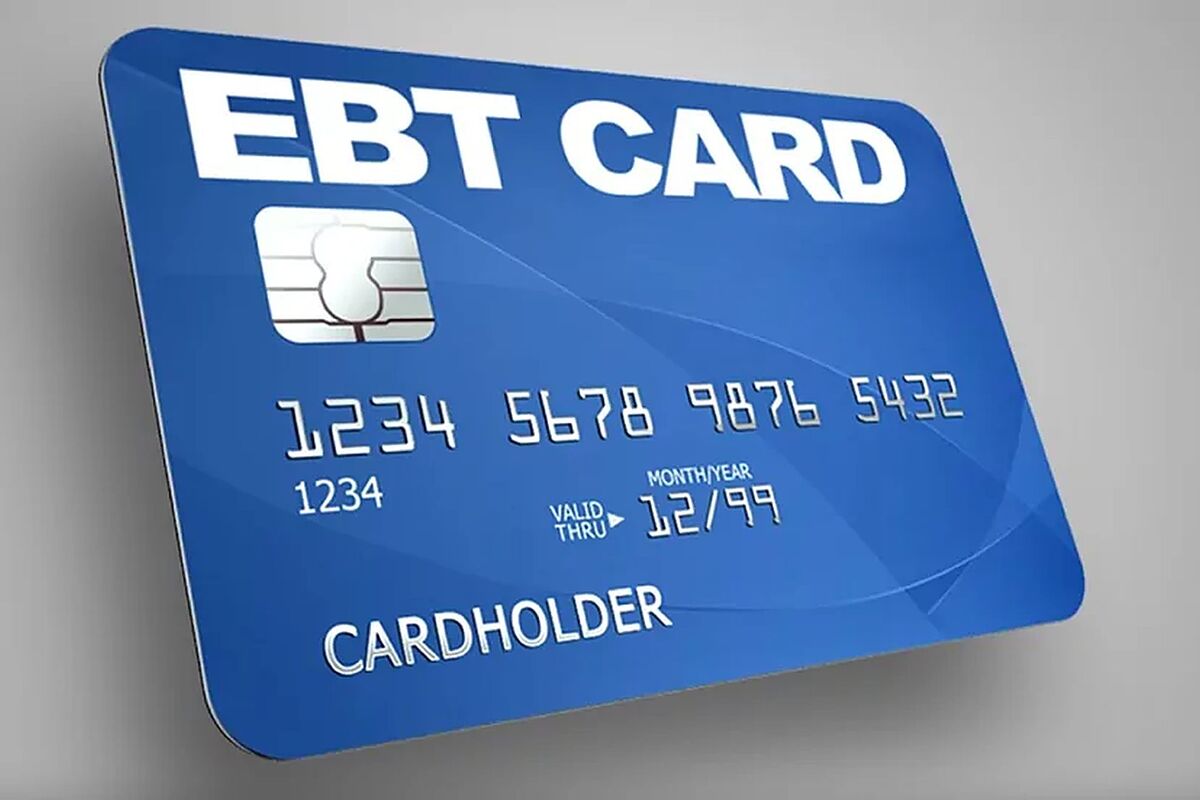
This comprehensive guide aims to demystify the process of accessing cash from your EBT card. We’ll delve into the fundamental differences between food and cash benefits, explore the various methods available for withdrawal, highlight important considerations like fees and limits, and provide practical advice for responsible management and security. By the end of this article, you will possess a clearer understanding of how to leverage your EBT cash benefits efficiently and securely, empowering you to better manage your household finances.
Understanding Your EBT Cash Benefits: Beyond Groceries
While EBT cards are most commonly associated with purchasing groceries, many beneficiaries also receive cash assistance. It’s crucial to understand that these are distinct benefit types, even though they are often delivered via the same EBT card. A clear grasp of their differences, how eligibility is determined, and how to monitor your balance is the first step toward effective cash management.
Differentiating Food (SNAP) and Cash (TANF) Benefits
The EBT card serves as an electronic debit card for two primary types of government assistance:
- SNAP (Supplemental Nutrition Assistance Program): Formerly known as food stamps, SNAP benefits are strictly for purchasing eligible food items at authorized grocery stores, farmers’ markets, and some online retailers. These funds cannot be converted into cash. When you make a purchase using SNAP benefits, the transaction is processed against your food benefit balance.
- TANF (Temporary Assistance for Needy Families) and General Assistance (GA): These programs provide financial assistance to help families with children achieve self-sufficiency, or for individuals facing specific hardships. The funds from TANF or state-specific GA programs are often loaded onto the same EBT card but are designated as “cash benefits.” Unlike SNAP, these funds can be used to withdraw actual currency from an ATM or get cash back at a point of sale. They can also be used to purchase non-food items directly at stores that accept EBT cash, such as clothing, household goods, or toiletries. It’s vital to recognize that your card will have two separate balances – one for food and one for cash – and you must select the correct benefit type during a transaction.
Eligibility and How Cash Benefits Are Disbursed
Eligibility for cash benefits, primarily through TANF, varies significantly by state and is determined based on factors such as income, family size, household composition, and specific state-mandated requirements. Unlike SNAP, which focuses on nutritional needs, TANF aims to provide temporary financial support to help families meet basic needs and move towards economic independence.
Once deemed eligible, cash benefits are typically disbursed monthly onto your EBT card. The specific day of the month benefits are loaded can vary depending on your state and, in some cases, the last digit of your case number. It is important to familiarize yourself with your state’s specific disbursement schedule to anticipate when funds will become available. These funds are not intended as a permanent income source but as a bridge during periods of hardship, often coming with work requirements or other participation mandates.
Essential Ways to Check Your EBT Cash Balance
Knowing your current balance is fundamental to managing your cash benefits effectively and avoiding transaction declines. There are several reliable methods to check your EBT cash balance:
- Online Portal: Most states operate a dedicated EBT cardholder website where you can log in with your card number and PIN to view your balance, transaction history, and benefit issuance dates. This is often the most comprehensive way to track your funds.
- Toll-Free Customer Service Number: Every EBT card has a toll-free customer service number printed on the back. By calling this number and following the automated prompts, you can typically access your current food and cash balances. Have your EBT card number and PIN ready.
- Mobile App: Some states and EBT processors offer dedicated mobile applications for smartphones. These apps provide convenient access to balance checks, transaction history, and sometimes even ATM locators. Check if your state has such an app available.
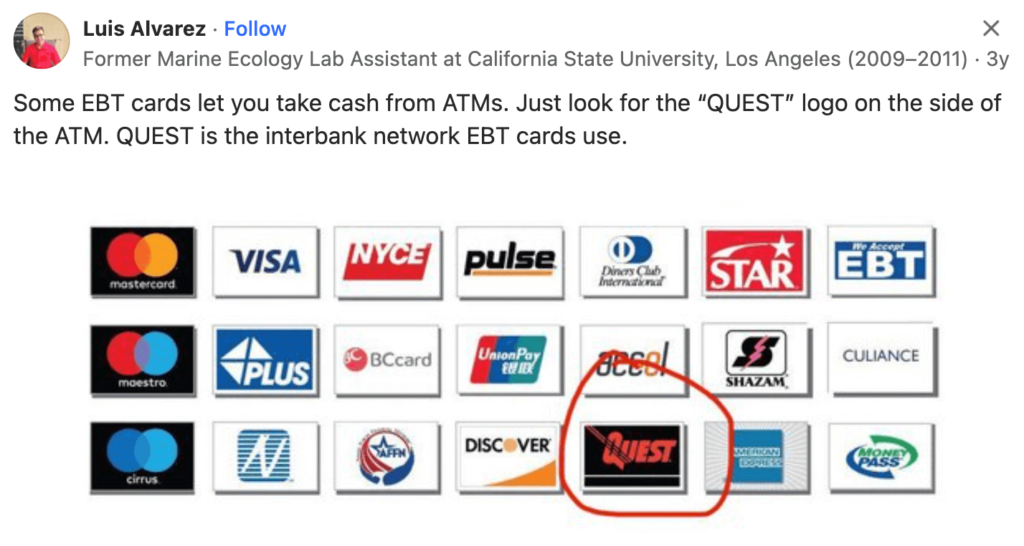
- ATM Inquiry: When using an ATM that accepts EBT cards (look for the QUEST logo or symbols like NYCE, Pulse, Cirrus), you can often perform a balance inquiry without withdrawing cash. While some ATMs may charge a fee for a cash withdrawal, a balance inquiry is usually free.
- Retail Store Receipt: If you make a purchase using your EBT card at a grocery store or other authorized retailer, your remaining balance (both food and cash, if applicable) is usually printed on the receipt. This is a convenient way to get an instant update after a transaction.
Regularly checking your balance prevents overspending and ensures you always know how much cash you have available for necessary expenses.
Primary Methods for Withdrawing Cash from Your EBT Card
Once you’ve confirmed your EBT cash balance, the next step is to understand the various avenues available for withdrawing those funds. The most common and accessible methods involve using ATMs or obtaining cash back at participating retail locations. Each method comes with its own set of considerations regarding convenience, fees, and limits.
ATM Withdrawals: Navigating Networks, Fees, and Limits
Using an Automated Teller Machine (ATM) is a straightforward way to get cash from your EBT card. However, it requires careful attention to avoid unnecessary fees and to understand the operational nuances.
- ATM Networks: EBT cards typically operate on major debit card networks such as STAR, PLUS, NYCE, or Cirrus. Look for ATMs displaying the QUEST logo or the logos of these networks. Most bank and credit union ATMs, as well as those found in convenience stores, often support EBT cash withdrawals.
- How to Use: Insert your EBT card into the ATM, select “Withdrawal” from “Checking” or “Cash Benefits” (the specific wording may vary), enter your Personal Identification Number (PIN), and then enter the desired cash amount. It’s crucial to know your PIN, as you cannot proceed without it.
- ATM Fees: This is arguably the most critical aspect of ATM withdrawals. You may encounter two types of fees:
- Surcharge Fees: These are fees charged by the ATM owner (e.g., a bank or independent ATM operator) for using their machine. They can range from $2.00 to $4.00 or more per transaction. The ATM should display a notice of this fee before you complete the transaction.
- EBT Program Fees: Some states may charge a small fee for excessive ATM withdrawals (e.g., after the first one or two withdrawals in a month). This varies by state, so consult your state’s EBT program rules.
- Finding Fee-Free ATMs: To minimize costs, look for ATMs that explicitly state “no surcharge” or are part of a network that your state EBT program has partnered with. Sometimes, credit unions or smaller banks might offer fee-free EBT access. Using the EBT customer service line or mobile app might also help locate fee-free ATMs in your area.
- Daily Limits: EBT cash withdrawals from ATMs usually have daily limits, which can range from $100 to $500 or more, depending on your state’s program rules and the specific ATM operator. Some ATMs may also have lower per-transaction limits. These limits are designed to prevent large-scale fraud and encourage responsible spending.
Retailer Cash Back: A Convenient Point-of-Sale Option
Many authorized retailers offer a “cash back” option when you make a purchase with your EBT card, similar to how you might get cash back with a debit card. This can be a convenient and often fee-free alternative to ATMs.
- How it Works: When paying for items at a participating store (e.g., grocery stores, discount retailers, some pharmacies), you’ll swipe your EBT card at the point-of-sale (POS) terminal. Select “Cash Benefits” or “Debit” as your payment type (not SNAP or Food), enter your PIN, and then indicate the amount of cash back you wish to receive. The amount will be added to your purchase total, and the cashier will hand you the cash along with your purchased items.
- Participating Stores: Look for stores that display the QUEST logo or have a sign indicating “EBT Cash Accepted” or “Cash Back Available.” Major supermarket chains, Walmart, Target, and many convenience stores commonly offer this service. It’s always a good idea to confirm with the cashier before starting your transaction.
- Advantages:
- Often Fee-Free: Unlike ATMs, retailers typically do not charge a separate fee for providing cash back with an EBT transaction. This makes it a cost-effective option.
- Convenience: You can get cash while making other essential purchases, saving a separate trip to an ATM.
- Limitations:
- Purchase Required: In most cases, you must make a purchase to receive cash back.
- Retailer Limits: Stores may have their own internal limits on the amount of cash back they can provide per transaction (e.g., $20, $50, or $100). These limits are often lower than ATM daily limits due to the cash available in the register.
- Cash Availability: The store must have sufficient cash on hand to fulfill your request. During busy periods or late at night, a store might run low on cash.
Other Potential Avenues: Bank Branches and Direct Deposit
While less common or applicable to all beneficiaries, there are a few other methods for accessing cash benefits that might be available depending on your state and program.
- Bank Branch Teller Withdrawal: In some states, especially for specific General Assistance programs, you may be able to present your EBT card and PIN to a bank teller at participating financial institutions to withdraw cash. This is less common for standard TANF programs but is worth inquiring about through your state’s EBT customer service or local benefits office. If available, this method is typically free of charge and allows for larger withdrawals than ATMs, up to your daily limit.
- Direct Deposit for TANF: For certain TANF or similar programs, some states may offer the option for beneficiaries to receive their cash benefits via direct deposit into a personal bank account, rather than solely relying on the EBT card. This is usually an option for those who have a stable bank account and wish to manage their funds through traditional banking channels. This method would entirely bypass the EBT card for cash access, delivering funds directly to your chosen account. You would need to inquire with your local benefits office about eligibility and the process for setting up direct deposit.
Navigating Fees, Daily Limits, and State-Specific Regulations
Effectively managing your EBT cash benefits extends beyond knowing how to withdraw them; it also involves understanding the financial parameters and rules that govern these transactions. Being informed about potential fees, daily limits, and the varying regulations across states can help you maximize your benefits and avoid unexpected costs.
Understanding ATM Surcharges and Transaction Fees
The most common financial hurdle when accessing EBT cash is the presence of fees. These can quickly erode a portion of your much-needed funds if not managed carefully.
- Third-Party ATM Surcharges: This is the fee charged by the owner of the ATM (not your EBT program) for using their machine. These fees are pervasive, especially at ATMs in convenience stores, gas stations, and non-bank locations. They are typically displayed on the ATM screen before you finalize the transaction, giving you an opportunity to cancel if you don’t wish to pay it. Always be vigilant for these notices.
- State EBT Program Transaction Fees: Some states impose a small fee on beneficiaries for what they deem “excessive” ATM withdrawals. For example, your state might allow the first two ATM withdrawals per month to be free, but charge a small fee (e.g., $0.50 or $1.00) for each subsequent withdrawal within that month. These fees are deducted directly from your cash benefit balance. It’s essential to review your specific state’s EBT cardholder agreement or contact their customer service to understand their policy on transaction fees.
- Minimizing Fees: The best strategy to minimize fees is to prioritize retailers for cash back, as these transactions are usually free. If an ATM is necessary, seek out ATMs that explicitly state “no surcharge.” Some EBT programs partner with specific ATM networks to offer fee-free access, so check if such partnerships exist in your area. Planning larger, less frequent withdrawals can also help if your state charges per-transaction fees after a certain limit.
Daily Withdrawal Limits and Transaction Frequency
Both state EBT programs and individual ATM operators impose limits on how much cash you can withdraw within a 24-hour period and, sometimes, on the number of transactions.
- Program-Imposed Daily Limits: Your state EBT program will set an overarching daily limit on cash withdrawals, which can range from approximately $100 to $500 or more. This limit applies regardless of which ATM or retailer you use. Once you hit this limit within a 24-hour cycle, you won’t be able to withdraw more cash until the next cycle begins.
- ATM/Retailer-Imposed Limits: Individual ATMs may have lower per-transaction limits (e.g., $200 per withdrawal), even if your state’s overall daily limit is higher. In such cases, you might need to perform multiple withdrawals at the same ATM to reach your daily program limit, potentially incurring multiple surcharge fees if it’s not a fee-free ATM. Similarly, retailers offering cash back often have their own, typically lower, limits (e.g., $20, $50, or $100 per transaction), determined by their internal cash management policies.
- Transaction Frequency: Some states might also impose limits on the number of ATM withdrawals you can make within a month before fees are applied. This encourages beneficiaries to consolidate their cash needs into fewer transactions.
Understanding these limits is crucial for planning your cash access. If you need a larger sum, you might need to spread your withdrawals over several days or utilize a method that allows for larger amounts, such as a bank teller if available and applicable.
The Importance of State-Specific EBT Program Rules
It cannot be overstated that EBT rules and regulations, especially concerning cash benefits, vary significantly from state to state. While the general mechanisms (ATMs, retailers) are similar, the specifics regarding fees, limits, eligible uses, and availability of certain features can differ dramatically.
- Benefit Use Restrictions: Some states may have specific restrictions on where TANF cash benefits can be used. For instance, some state laws prohibit the use of EBT cash benefits at places like liquor stores, casinos, strip clubs, or tattoo parlors. Using your card at these locations can lead to sanctions or disqualification from the program.
- Debit Card Usage: For cash benefits, your EBT card essentially functions like a standard debit card. You can use it at any merchant that accepts debit cards to purchase non-food items, as long as that merchant isn’t explicitly prohibited by state law.
- Staying Informed: It is your responsibility to stay informed about the specific rules of your state’s EBT cash program. The best resources for this information are:
- Your state’s EBT cardholder website.
- The toll-free customer service number on the back of your EBT card.
- Your local benefits office or caseworker.
By understanding and adhering to these state-specific guidelines, you can ensure proper use of your benefits and avoid potential issues.
Responsible Use, Budgeting, and Protecting Your EBT Cash Benefits
Accessing cash from your EBT card is a critical component of managing household finances for many, but it comes with the responsibility of prudent management and stringent security. Treating your EBT cash benefits like any other financial resource, with careful planning and protection, is key to making them last and serving their intended purpose.
Budgeting and Financial Planning for Cash Benefits
Cash benefits are designed to support essential non-food needs. Without careful planning, these funds can quickly dwindle, leaving you short for critical expenses.
- Identify Essential Needs: Before your benefits are issued, make a list of all the non-food necessities you need to cover for the month. This might include rent (if not covered by other aid), utility bills, transportation costs, toiletries, cleaning supplies, clothing, and medicine.
- Create a Simple Budget: Allocate specific amounts of your EBT cash to each of these categories. A simple budget could involve:
- Fixed Expenses: Rent portion, utility estimates.
- Variable Expenses: Transportation, personal care items.
- Savings (if possible): Even a small amount set aside for emergencies can be beneficial.
- Track Spending: Keep a record of your withdrawals and purchases. Use the EBT online portal, mobile app, or simply a notebook to track your balance and ensure you’re sticking to your budget.
- Prioritize: If funds are limited, prioritize the most critical expenses first. For example, ensuring your electricity bill is paid might take precedence over a new item of clothing.
- Avoid Impulse Buys: Just like with any cash, it’s easy to spend it impulsively. Adhere to your budget to ensure funds are used for their intended purpose.
Effective budgeting transforms your cash benefits from a fleeting resource into a powerful tool for financial stability, enabling you to stretch your funds further and cover all your essential needs.
Safeguarding Your EBT Card and PIN
Your EBT card and Personal Identification Number (PIN) are your keys to accessing your benefits. Protecting them is paramount to prevent fraud and unauthorized use.
- Treat it Like a Debit Card: Your EBT card functions much like a bank debit card. Keep it in a secure place, like your wallet, and avoid leaving it unattended.
- Memorize Your PIN: Never write your PIN on your card, on a piece of paper kept with your card, or share it with anyone, including friends, family members, or even someone claiming to be from the EBT program or the government. Legitimate representatives will never ask for your PIN.
- Create a Strong, Unique PIN: Avoid easily guessable PINs like birthdays, parts of your address, or sequential numbers (e.g., 1234). Choose a combination of numbers that is unique to you and hard for others to guess.
- Be Aware of Skimming Devices: When using an ATM or POS terminal, always inspect the card reader for anything that looks unusual, loose, or out of place. Criminals sometimes attach “skimming” devices to capture card information and hidden cameras to record PINs. Jiggle the card reader or keypad cover before use.
- Cover the Keypad: When entering your PIN, always cover the keypad with your other hand or body to prevent anyone from seeing it, whether they are standing nearby or using a hidden camera.
- Regularly Check Statements: Periodically review your transaction history online or via the app. This allows you to quickly identify any suspicious or unauthorized activity.
Vigilance and responsible card handling are your best defenses against theft and fraud.
What to Do in Case of Card Loss, Theft, or Transaction Issues
Despite your best efforts, problems can arise. Knowing the immediate steps to take if your card is lost, stolen, or if you encounter transaction issues can mitigate potential losses.
- Report Lost or Stolen Cards IMMEDIATELY: If your EBT card is lost or stolen, contact your state’s EBT customer service number (found on the back of your card or your state’s EBT website) as soon as possible. This line is typically available 24/7. When you report a card as lost or stolen, it will be deactivated, preventing further unauthorized use, and a replacement card will be mailed to you. Remember, any cash benefits spent before you report the card missing are generally not replaceable, so speed is crucial.
- Disputing Unauthorized Transactions: If you notice transactions on your statement that you did not make, report them to EBT customer service immediately. They will guide you through the dispute process, which may involve filling out forms and providing details. The process for investigating and potentially reimbursing stolen cash benefits varies by state, but timely reporting is always critical.
- Card Not Working or Transaction Declined:
- Check Your Balance: Ensure you have sufficient funds for the transaction.
- Verify PIN: Make sure you’re entering the correct PIN. After too many incorrect attempts, your card may be temporarily locked.
- Verify Merchant Acceptance: Confirm the merchant accepts EBT for the type of benefit you’re trying to use (e.g., if you’re trying to use cash benefits for a non-food item, ensure they process EBT cash).
- Contact Customer Service: If problems persist, call the EBT customer service number. There might be a temporary system issue, a block on your card, or an error that only they can resolve.
- Retain Receipts: Always keep your transaction receipts. They serve as proof of purchase and can be invaluable if you need to dispute a transaction or verify your balance.
Being proactive in these situations can significantly reduce stress and protect your valuable cash benefits.

Conclusion
Accessing cash from your EBT card is a fundamental aspect of financial stability for many individuals and families receiving cash assistance. By understanding the distinction between food and cash benefits, exploring the various withdrawal methods – from ATMs and retailer cash back to, in some cases, bank tellers – and meticulously navigating fees, daily limits, and state-specific regulations, beneficiaries can effectively manage their funds.
Beyond the mechanics of withdrawal, responsible use, comprehensive budgeting, and diligent card security are paramount. Treating your EBT card with the same care and foresight as any traditional bank card protects your benefits from fraud and ensures they are maximized to cover your essential needs. Stay informed by regularly checking your balance and understanding your state’s specific EBT program rules. With this knowledge, you can confidently and securely leverage your EBT cash benefits to support your household and move towards greater financial well-being.
aViewFromTheCave is a participant in the Amazon Services LLC Associates Program, an affiliate advertising program designed to provide a means for sites to earn advertising fees by advertising and linking to Amazon.com. Amazon, the Amazon logo, AmazonSupply, and the AmazonSupply logo are trademarks of Amazon.com, Inc. or its affiliates. As an Amazon Associate we earn affiliate commissions from qualifying purchases.