
Applying for a credit card, especially with a major issuer like Chase, can be a strategic move to manage personal finances, build credit, and unlock valuable rewards. Chase offers a diverse portfolio of credit cards, catering to various financial goals, from maximizing cash back and earning travel points to facilitating business expenses. Understanding the application process, eligibility criteria, and best practices is crucial for a successful outcome and for leveraging the benefits these financial tools provide. This guide provides a comprehensive walkthrough, enabling applicants to approach the process with confidence and clarity, ensuring they select the right card and present the strongest possible application.

Navigating Chase Credit Card Options and Their Value Proposition
Chase stands as a prominent figure in the credit card market, recognized for its robust rewards programs, extensive card selection, and comprehensive customer service. Before initiating an application, it is essential to explore the various categories of Chase credit cards to identify one that aligns perfectly with individual spending habits and financial objectives. Each card is designed with specific benefits in mind, offering unique value propositions to different types of consumers.
Diverse Card Categories to Consider
Chase’s offerings span several key categories, each with distinct features:
- Travel Rewards Cards: Cards like the Chase Sapphire Preferred® and Chase Sapphire Reserve® are highly sought after by frequent travelers. They offer accelerated points earning on travel and dining, flexible redemption options through Chase Ultimate Rewards®, and premium travel perks such as airport lounge access, travel insurance, and statement credits for travel expenses. These cards are ideal for individuals who spend significantly on travel and wish to maximize their rewards for future trips.
- Cash Back Cards: For those who prefer direct savings, Chase provides a range of cash back cards, including the Chase Freedom Unlimited® and Chase Freedom Flex℠. These cards offer various cash back rates on everyday spending categories, often with rotating bonus categories that provide elevated rewards. Cash back is straightforward to redeem, typically as a statement credit, direct deposit, or gift card, making them excellent choices for budgeting and general spending.
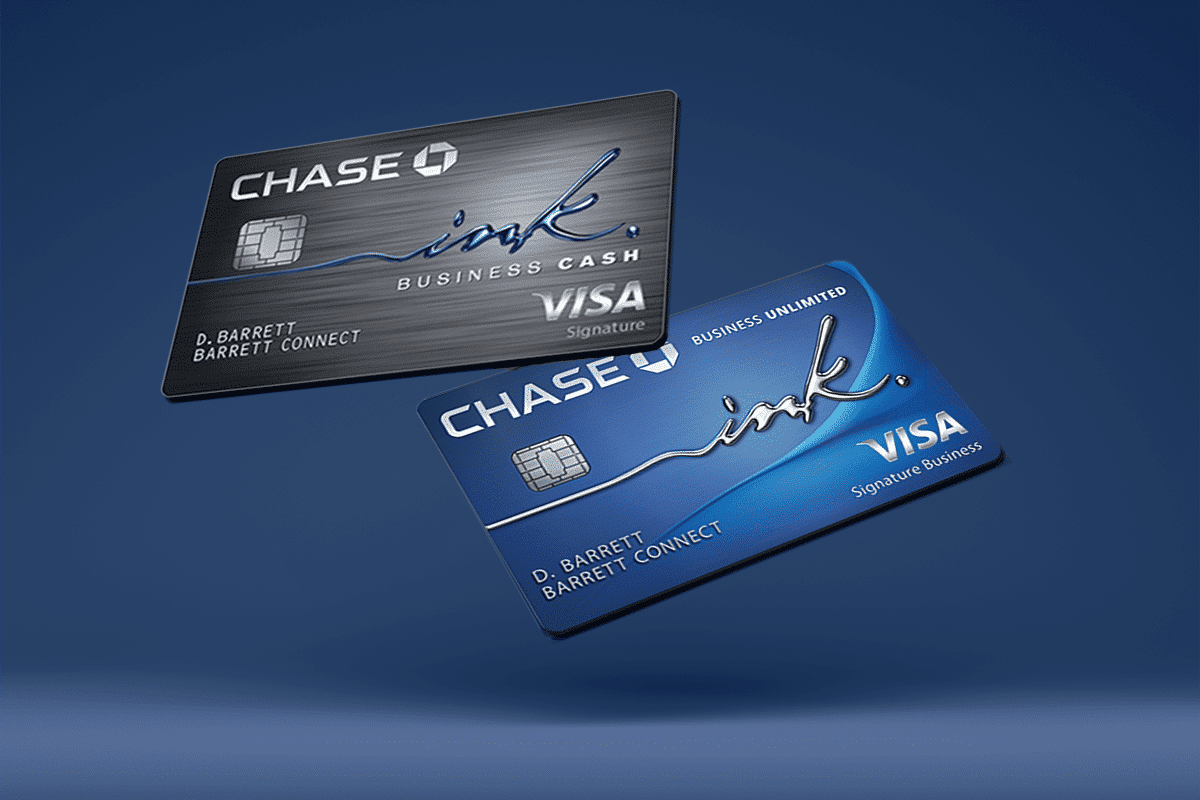
- Business Credit Cards: Chase also caters to small business owners with cards like the Ink Business Preferred® Credit Card and Ink Business Cash® Credit Card. These cards are tailored to business expenses, offering higher credit limits, rewards on business-related spending (e.g., internet, phone services, office supplies, advertising), and tools for expense tracking. They help entrepreneurs separate personal and business finances while earning valuable rewards.
- Co-branded Cards: Partnering with popular airlines, hotels, and retailers, Chase offers co-branded cards that provide loyalty benefits specific to those brands. Examples include cards with United Airlines, Southwest Airlines, Marriott Bonvoy, and IHG Rewards Club. These cards are particularly valuable for brand-loyal consumers who can leverage exclusive perks, free nights, or accelerated elite status.
Selecting the right card involves a careful assessment of annual fees, interest rates, welcome bonuses, and ongoing rewards structures. Understanding these elements ensures that the chosen card not only meets immediate needs but also provides long-term financial advantage.
Essential Eligibility Criteria for Chase Credit Cards
Gaining approval for a Chase credit card is contingent upon meeting specific eligibility requirements that demonstrate an applicant’s financial responsibility and capacity to manage credit. While specific criteria can vary slightly between different card products, several fundamental factors are universally assessed. A thorough understanding of these prerequisites can significantly enhance an applicant’s chances of approval.
Key Factors Influencing Approval
- Credit Score: A strong credit score is perhaps the most critical determinant. Most Chase credit cards, particularly those with premium rewards and benefits, require applicants to have a “good” to “excellent” credit score, typically defined as a FICO score of 670 or higher. Cards with more extensive perks often demand scores in the “excellent” range, usually 740+. A higher score signals a history of responsible credit management, making an applicant a lower risk.
- Income and Employment Status: Applicants must demonstrate a stable and sufficient income to comfortably make monthly payments. While there isn’t a strict minimum income requirement, Chase assesses an applicant’s stated income against their existing debts to determine their ability to repay. Proof of employment or other income sources (e.g., investments, retirement benefits) may be requested.
- Debt-to-Income (DTI) Ratio: Your DTI ratio is the percentage of your gross monthly income that goes towards paying your monthly debt payments. A lower DTI ratio indicates that you have more disposable income available to handle new credit obligations, making you a more attractive candidate for lenders. Chase typically prefers applicants with a low DTI.
- Credit History Length: A longer credit history with a consistent record of on-time payments and responsible credit utilization generally improves approval odds. Lenders prefer to see a sustained pattern of managing various types of credit.
- The Chase 5/24 Rule: This is a crucial unwritten rule specific to Chase that often catches new applicants off guard. If an applicant has opened five or more personal credit cards (from any issuer, not just Chase) in the past 24 months, their application for most Chase cards will automatically be denied. This rule aims to limit approvals for individuals perceived as “churning” cards solely for welcome bonuses. Before applying, it’s vital to count recently opened accounts.
- Existing Relationship with Chase: While not strictly required, having an existing banking relationship with Chase (e.g., checking or savings account) or holding another Chase credit card can sometimes be a positive factor, as it provides Chase with more data about an applicant’s financial behavior.
- Age and Residency: Applicants must be at least 18 years old (or 21 in some states, like Puerto Rico, for specific credit products) and typically must be a U.S. citizen or a permanent resident with a Social Security Number (SSN) or Individual Taxpayer Identification Number (ITIN).
Prior to applying, it is highly recommended to check your credit score, review your credit report for any inaccuracies, and understand your current credit obligations to ensure you meet these foundational requirements.
The Step-by-Step Application Process
Once you’ve identified the ideal Chase credit card and confirmed your eligibility, the application process itself is generally streamlined and straightforward, primarily conducted online. Preparing all necessary information beforehand will ensure a smooth and efficient submission.

Preparing for Your Application
Before you begin the online application, gather the following essential information:
- Personal Identification: Your full legal name, date of birth, Social Security Number (SSN) or Individual Taxpayer Identification Number (ITIN), and primary address.
- Contact Information: Your phone number and email address.
- Financial Information: Your total gross annual income (including salary, bonuses, investments, and any eligible household income you have reasonable access to), employer’s name, and employment status.
- Housing Information: Your monthly housing payment (rent or mortgage), and whether you own or rent.
Having these details readily accessible will prevent delays during the application form completion.
Submitting Your Online Application
- Visit the Official Chase Website: Always apply directly through Chase’s official website (Chase.com) or a reputable financial comparison site that securely redirects you to Chase’s application page. This safeguards against phishing scams.
- Select Your Desired Card: Navigate to the specific card product you wish to apply for and click on the “Apply Now” or similar button.
- Complete the Application Form: The online form will guide you through several sections requesting the information you’ve already gathered.
- Personal Information: Enter your name, date of birth, SSN/ITIN, and contact details.
- Residential Information: Provide your current address and housing details.
- Financial Information: Input your income, employment details, and monthly housing costs.
- Security Questions: You may be asked to answer security questions to verify your identity.
- Review Your Application: Before submitting, meticulously review all the information you’ve entered. Even small errors can lead to delays or denial. Ensure accuracy in your name, address, SSN, and particularly your income details.
- Read and Agree to Terms and Conditions: It is critical to read the cardholder agreement, including the APR, fees, and other terms, before ticking the box to agree and submit your application.
After Submitting Your Application
- Instant Decision: In many cases, Chase provides an instant decision on your application. If approved, you’ll receive confirmation and details about your credit limit and expected card arrival.
- Pending Review: Sometimes, applications are marked as “pending” or “in review.” This typically means Chase needs more time to verify information or conduct a deeper assessment. You may be asked to provide additional documents or information.
- Denial: If your application is denied, Chase is legally obligated to provide a reason for the denial in a written letter within a certain timeframe.
Tips for a Successful Application and Post-Approval Management
Maximizing your chances of approval and ensuring responsible credit card usage once approved involves strategic preparation and ongoing financial discipline. These insights can significantly impact your experience with a Chase credit card.
Enhancing Your Approval Odds
- Improve Your Credit Score: Before applying, focus on strategies to boost your credit score. This includes paying all bills on time, reducing existing credit card balances to lower your credit utilization ratio (ideally below 30%), and avoiding opening new credit accounts in the months leading up to your Chase application (especially if you are close to the 5/24 rule threshold).
- Accurately Report Income: Be truthful and thorough when reporting your income. Include all eligible sources of income, not just your primary salary, but ensure it is verifiable. Overstating income can lead to a denial for misrepresentation.
- Understand the 5/24 Rule: Seriously assess your recent credit card applications. If you are at or above 5/24, it’s generally advisable to wait until some accounts “fall off” the 24-month window before applying for most Chase cards.
- Consider a Strong Initial Offer: Chase frequently offers attractive welcome bonuses. Timing your application to coincide with a particularly generous offer can yield significant initial rewards, but only if you meet the spending requirements responsibly.
- Utilize the Reconsideration Line: If your application is initially denied, do not despair. Chase has a “reconsideration line” (a specific phone number for denied applicants). Calling this line allows you to speak with a credit analyst, explain any unique circumstances (e.g., recent pay raise, errors on your credit report, or a clear strategy for managing new credit), and potentially get the decision overturned. This can be particularly effective if the denial was based on a minor technicality or insufficient information.
Responsible Card Usage Post-Approval
Once approved and your Chase credit card arrives, responsible financial habits are paramount to leveraging its benefits without incurring unnecessary debt or damaging your credit score.
- Activate Your Card Immediately: Follow the instructions provided to activate your card securely.
- Understand Your Cardholder Agreement: Familiarize yourself with the APR, annual fee, late payment fees, and any other terms outlined in the agreement.
- Pay Your Bill On Time, Every Time: This is the single most important factor for building a positive credit history and avoiding late fees. Set up automatic payments to ensure you never miss a due date.
- Keep Your Credit Utilization Low: Aim to use less than 30% of your available credit limit on any card. High utilization can negatively impact your credit score.
- Avoid Carrying a Balance: Credit card interest rates can be high. Pay your statement balance in full each month to avoid interest charges and keep your personal finances healthy. If you must carry a balance, aim to pay it off as quickly as possible.
- Monitor Your Account: Regularly check your Chase online account for transactions, statements, and any suspicious activity.
- Utilize Rewards Wisely: Understand how to earn and redeem your Chase Ultimate Rewards points or cash back. Strategically using your card for categories that earn bonus rewards can maximize your benefits.
Applying for a Chase credit card can be a beneficial step in your financial journey, offering opportunities to earn rewards, build credit, and enhance financial flexibility. By thoroughly preparing, understanding the eligibility requirements, meticulously completing the application, and committing to responsible card management, you can successfully integrate a Chase credit card into your personal finance strategy.
aViewFromTheCave is a participant in the Amazon Services LLC Associates Program, an affiliate advertising program designed to provide a means for sites to earn advertising fees by advertising and linking to Amazon.com. Amazon, the Amazon logo, AmazonSupply, and the AmazonSupply logo are trademarks of Amazon.com, Inc. or its affiliates. As an Amazon Associate we earn affiliate commissions from qualifying purchases.