
Closing a bank account might seem like a straightforward task, but it’s a decision with various financial implications that demand careful consideration and methodical execution. For Chase bank account holders, understanding the precise steps and potential repercussions is paramount to ensuring a smooth transition without incurring unexpected fees or financial disruptions. This guide delves into the strategic financial planning required, the practical steps for account closure—including exploring online options—and the vital post-closure due diligence, all framed within the broader context of sound personal finance management. While the convenience of “online” actions is often sought, fully closing a bank account, especially with a major institution like Chase, typically involves a combination of digital preparation and direct communication to ensure all financial ties are properly severed.

The Strategic Decision to Close a Bank Account
Deciding to close a bank account is more than just an administrative task; it’s a strategic financial move that can have significant consequences for your personal finance ecosystem. Before initiating any steps, it’s crucial to understand why you’re considering this action and to weigh the full spectrum of pros and cons.
Why Account Closure Matters for Your Financial Health
Closing an account can be driven by a variety of financial motivations, each with its own set of implications. Perhaps you’re consolidating accounts to simplify your financial life, minimizing monthly maintenance fees on an underutilized account, or switching to a new bank that offers more competitive interest rates, superior customer service, or features better aligned with your current financial goals. For instance, if you’re paying monthly service fees on an account you rarely use, closing it can directly improve your cash flow. Similarly, moving to a bank with higher savings interest rates or better checking account perks can enhance your overall financial efficiency. Each of these reasons points to a desire to optimize your financial resources and management, making the decision process a key component of your broader financial strategy. A thoughtful closure can prevent financial drain from fees, reduce the complexity of managing multiple accounts, and free up mental bandwidth to focus on more productive financial activities.
Assessing the Pros and Cons Before You Act
Before proceeding, a comprehensive assessment of the advantages and disadvantages is essential. On the upside, closing an unnecessary account can simplify budgeting, reduce potential exposure to fraud across multiple platforms, and eliminate recurring fees. It’s also an opportunity to re-evaluate your banking needs and find a provider that better supports your financial aspirations. However, there are potential drawbacks. Closing an account that has been open for a long time, especially if it’s your primary checking account, might subtly affect your credit history, though typically less so than credit cards or loans. More immediately, you must consider the impact on any linked services: direct deposits from your employer or government benefits, automated bill payments, and subscriptions tied to the account. Failing to update these could lead to missed payments, late fees, and service interruptions, causing significant financial stress and potentially damaging your credit score. Therefore, a thorough inventory of all linked financial activities is non-negotiable before taking any action.
Essential Preparations Before Initiating Closure
Once the strategic decision is made, the next phase involves meticulous preparation. This stage is critical to prevent any financial disruptions and ensure a smooth, error-free account closure. Neglecting these preparatory steps can lead to significant headaches and financial penalties down the line.
Ensuring a Zero Balance and Transferring Funds
The cardinal rule of closing a bank account is to ensure it holds a zero balance. This means liquidating all funds and transferring them to another active account. This isn’t just about emptying the account; it’s also about anticipating and clearing all pending transactions. Any checks you’ve written must have cleared, and any recent deposits must be fully processed and available. This process may take a few days, depending on the nature of the transactions. It’s wise to cease using the account for new transactions several weeks before your intended closure date to allow ample time for all outstanding movements to settle. Transferring funds can often be done through online banking portals via ACH transfers or wire transfers to your new account. For smaller sums, withdrawing cash or obtaining a cashier’s check may also be options, though less convenient. The goal is to leave no lingering balance, whether positive or negative, that could complicate the closure process.
Updating Automated Payments and Direct Deposits
This is arguably the most crucial preparatory step. Nearly every active checking account is tied to a web of recurring financial activities. You must identify and update all direct deposits—such as your salary, Social Security benefits, or tax refunds—to your new or existing active account. Similarly, every automated payment, including utility bills, mortgage payments, loan installments, insurance premiums, and subscription services (e.g., Netflix, gym memberships), needs to be rerouted. Make a comprehensive list of all these connections, contact each service provider individually, and provide them with your new banking details. Start this process well in advance, as some companies require several billing cycles to update their records. Overlooking even one automated payment can lead to late fees, service interruptions, and potential damage to your credit score if critical payments are missed.
Reviewing Account Activity and Statements
Before fully severing ties, take the time to conduct a thorough review of your account’s recent activity. Verify that there are no unexpected charges, unfamiliar transactions, or pending issues that need resolution. This is also the opportune moment to download and save digital copies of your bank statements and transaction history for your records. Most financial experts recommend retaining financial records for at least seven years for tax purposes and dispute resolution. Having a complete history of your account activity, especially up to the point of closure, can be invaluable should any questions arise in the future regarding past payments or deposits. This due diligence ensures that you have a comprehensive financial paper trail, safeguarding your interests even after the account is closed.
Navigating the Chase Account Closure Process
With meticulous preparation complete, you’re ready to formally initiate the account closure. While the desire to “cancel online” is strong, major financial institutions like Chase often require direct interaction to confirm your identity and ensure all final details are handled correctly.
Exploring Online and Digital Options (If Available)
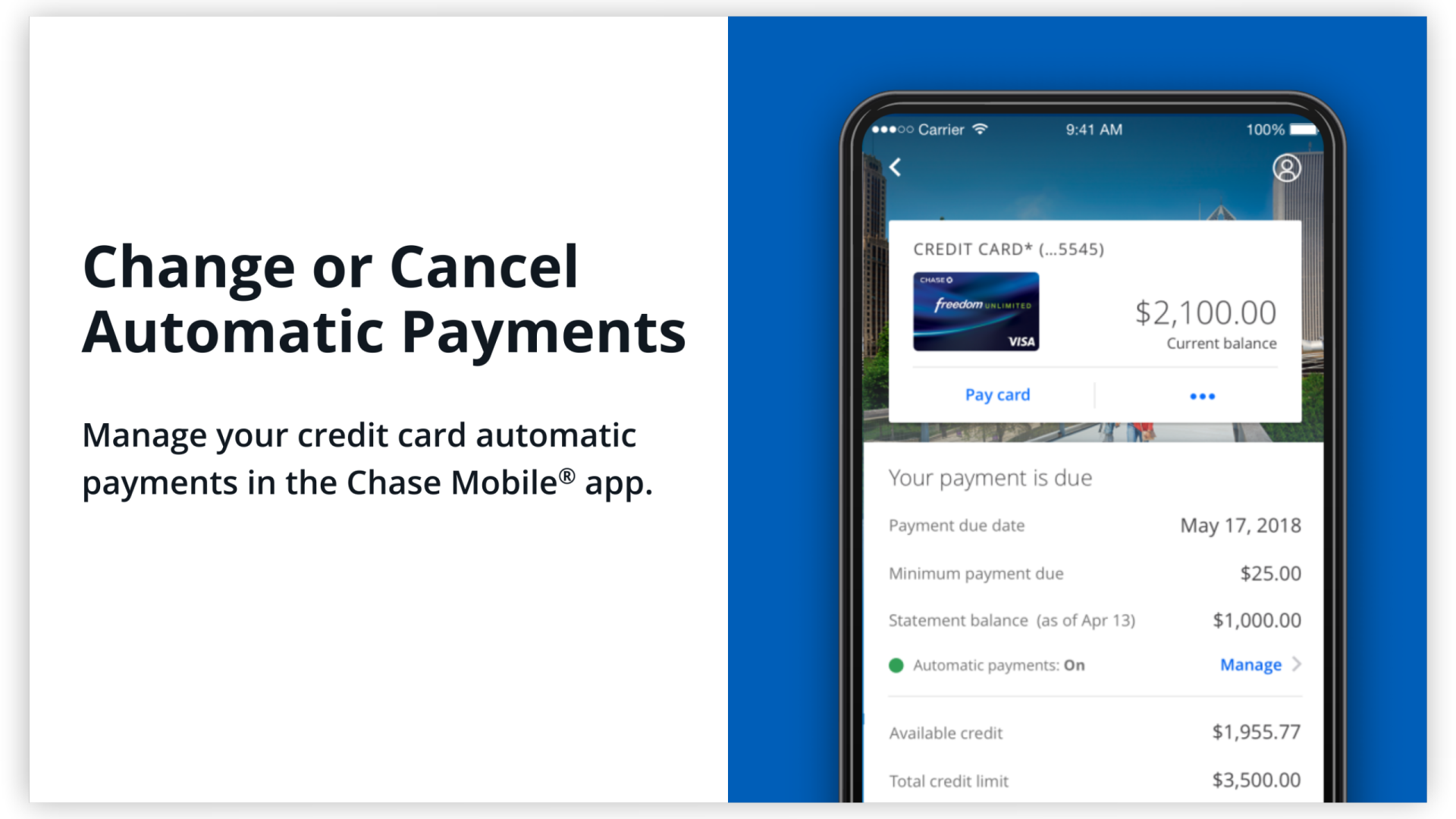
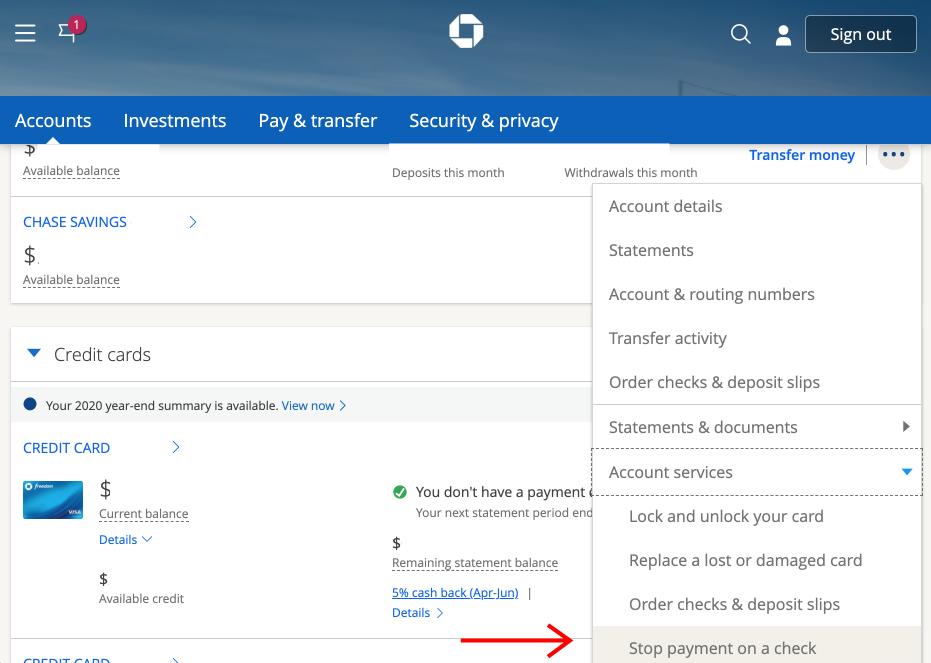
While the title suggests “online,” fully closing a Chase bank account directly through their online banking portal or mobile app is not typically an option for security and verification reasons. Banks prefer a more direct, verified interaction for such a significant action. However, you can often initiate the process or conduct preparatory steps online. For example, you can use your Chase online banking account to verify your balance, download statements, transfer funds to other accounts, and use their secure message center to inquire about the closure process or request specific forms. Chase’s official policy often directs customers to either call their customer service, visit a local branch, or send a written request by mail. The “online” aspect primarily pertains to managing your account leading up to the closure and monitoring its status, rather than a single click to close it.
Understanding Alternative Closure Methods
Given the limitations of a purely online closure, you’ll likely need to use one of Chase’s more traditional channels:
- Phone: Calling Chase customer service is often the most efficient direct method. Be prepared for security verification questions to confirm your identity. Have your account number, personal identification information, and possibly your online banking login details ready. You may be asked for a reason for closure, which can range from simply “I no longer need the account” to “I am moving my banking to another institution.”
- In-Branch Visit: For those who prefer face-to-face interaction or have complex situations, visiting a Chase branch is a reliable option. A bank representative can guide you through the process, ensure all forms are correctly filled out, and provide immediate confirmation of your request. Bring a valid government-issued ID (like a driver’s license or passport) and your debit card or checks associated with the account.
- Mail: As a less common but still viable option, you can send a written request to Chase. This letter should include your full name, account number, contact information, a clear statement requesting account closure, and your signature. It’s highly advisable to send this letter via certified mail with a return receipt requested to ensure proof of delivery. This method generally takes the longest to process.
Key Information Needed for Closure
Regardless of the method chosen, you will need to provide specific information to facilitate the closure:
- Account Number(s): The primary identifier for your account.
- Personal Identification: Your full name, address, date of birth, and Social Security Number (SSN) will be used to verify your identity.
- Valid ID: If closing in person, a government-issued photo ID is mandatory.
- Reason for Closure: While not always strictly required, providing a reason can sometimes streamline the process or lead to retention offers.
- New Banking Details (Optional but Recommended): If you’re consolidating funds, having the details of your destination account can be helpful.
Be prepared for Chase to attempt to retain your business by offering incentives or asking about your reasons. You are not obligated to accept any offers or provide extensive details if you simply wish to close the account.
Post-Closure Financial Due Diligence
Your responsibilities don’t end the moment you submit your closure request. A crucial final stage involves monitoring and verification to ensure the account is indeed closed and to prevent any lingering financial issues.
Verifying Account Closure and Obtaining Confirmation
Within a few business days to a couple of weeks after your request, you should receive formal confirmation from Chase that your account has been closed. This might come in the form of a letter by mail, an email, or an update visible in your online banking portal (though access may eventually be revoked). It’s imperative to keep this confirmation as proof of closure. If you don’t receive confirmation within a reasonable timeframe, proactively follow up with Chase customer service to inquire about the status. Accessing your online banking portal to verify that the account no longer appears or shows as closed is also a good final check, though temporary access might remain to view past statements.
Monitoring for Unexpected Activity
Even after receiving closure confirmation, it’s a wise financial practice to monitor your financial landscape for any unexpected activity related to the closed account for at least a few months. This includes checking your credit report for any inaccuracies that might arise from missed payments (if updates weren’t thorough) or lingering account details. Also, watch out for any residual direct deposits or automated payments that might mistakenly attempt to process on the closed account. If such an event occurs, funds would likely be returned to the sender, but it could trigger late fees from the service provider if you haven’t updated them correctly. Proactive monitoring helps you quickly identify and rectify any unforeseen issues.
Safekeeping Records for Future Reference
Just as you downloaded statements before closure, it’s equally important to safely store all documentation related to the account closure. This includes the initial closure request details, any communication with Chase, and especially the final confirmation of closure. These records serve as critical proof should any discrepancies or questions arise years down the line, whether from tax authorities, credit reporting agencies, or other financial institutions. Keeping these documents in a secure digital or physical archive is a fundamental aspect of sound financial record-keeping.
Common Pitfalls and Smart Financial Practices
Closing a bank account should be a financially savvy move, not one that leads to new problems. Being aware of common pitfalls and integrating smart financial practices throughout the process can save you time, money, and stress.
Avoiding Unforeseen Fees and Charges
One of the primary reasons people close accounts is to avoid fees, yet ironically, fees can be incurred during the closure process itself. Be aware of potential “early closure” fees that some banks impose if an account is closed within a certain period (e.g., 90-180 days) of opening. While less common for established accounts, it’s worth checking your account terms. Furthermore, if you don’t zero out your balance and leave a small amount, some banks might charge monthly maintenance fees, eventually draining the account and leaving a negative balance, which could then incur overdraft fees. Ensure all outstanding checks have cleared and no automated debits are pending. A little due diligence here can prevent frustrating and unnecessary costs.
The Importance of a Smooth Transition to a New Bank
If you’re closing a Chase account to move to another bank, the transition period is critical. Overlapping accounts for a short period is often a wise strategy. This means keeping both your old Chase account and your new bank account open simultaneously for a few weeks, or even a month, after you’ve updated all direct deposits and automated payments. This overlap provides a buffer, allowing you to confirm that all financial flows have successfully migrated to the new account before fully closing the old one. A seamless transition prevents any interruption in your income, bill payments, or access to funds, maintaining your financial stability and peace of mind.
When to Seek Professional Financial Advice
For most straightforward account closures, the steps outlined above are sufficient. However, if your financial situation is complex—perhaps involving large sums of money, multiple linked investment accounts, business accounts, or estates—it might be beneficial to consult with a financial advisor. A financial professional can help you navigate intricate financial webs, assess potential tax implications, and ensure that closing one account doesn’t inadvertently disrupt other crucial financial arrangements. While closing a basic checking or savings account is a common personal finance task, recognizing when your situation warrants expert guidance is a hallmark of sophisticated financial management. Taking this proactive step can safeguard your assets and ensure all decisions align with your long-term financial objectives.
aViewFromTheCave is a participant in the Amazon Services LLC Associates Program, an affiliate advertising program designed to provide a means for sites to earn advertising fees by advertising and linking to Amazon.com. Amazon, the Amazon logo, AmazonSupply, and the AmazonSupply logo are trademarks of Amazon.com, Inc. or its affiliates. As an Amazon Associate we earn affiliate commissions from qualifying purchases.