
Renting a car often seems like a straightforward transaction: pick a vehicle, pay a daily rate, and drive off. However, the seemingly simple question, “How much for a rental car?” unravels a complex tapestry of variables, hidden fees, and optional add-ons that can significantly inflate the final bill. For the financially savvy traveler or business professional, understanding these intricacies is paramount to budgeting effectively and avoiding unwelcome surprises. This comprehensive guide will dissect the various components that contribute to the overall cost of a rental car, offering insights and strategies to help you navigate the market and secure the best possible value for your money.
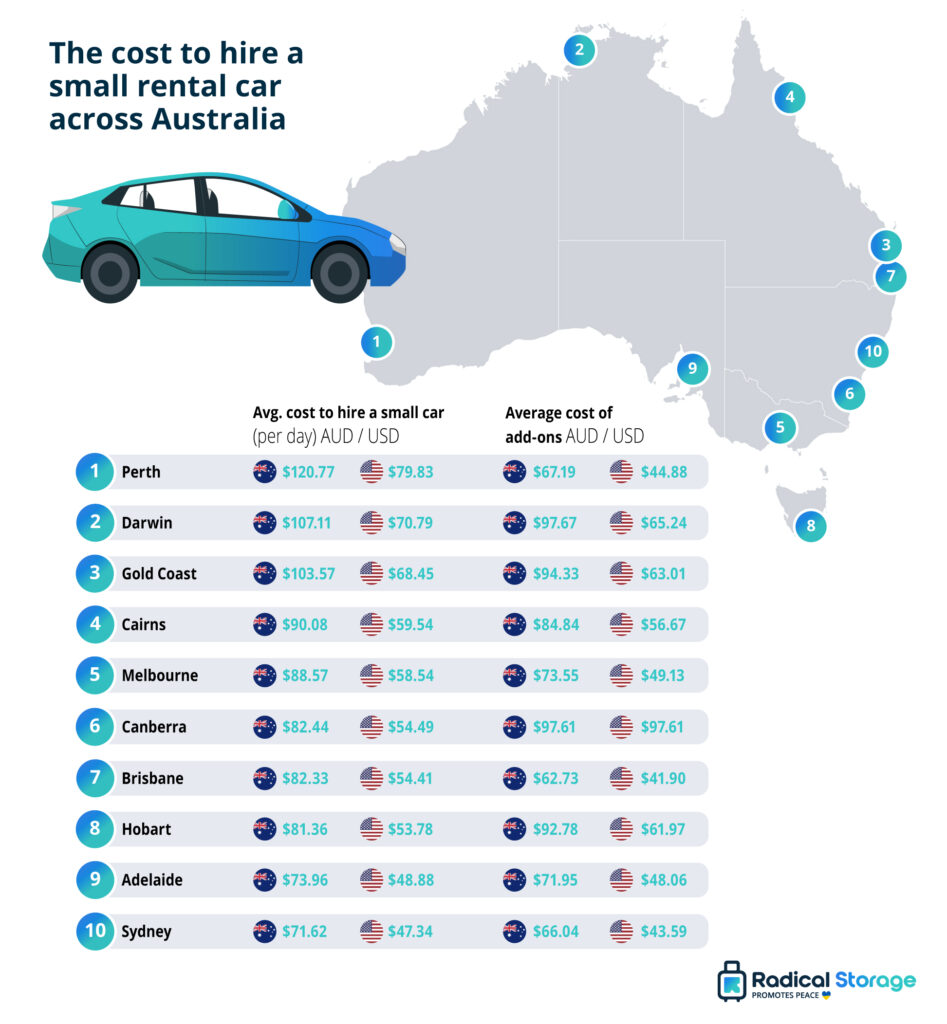
Decoding the Base Rental Rate: What Drives the Price?
The advertised daily or weekly rate is merely the foundation upon which your total rental car cost is built. Several factors influence this initial figure, and understanding them is key to predicting your expenses.
Vehicle Type and Size
Unsurprisingly, the type of vehicle you choose has the most significant impact on the base rate. Economy cars, compact sedans, and small SUVs are typically the most affordable options, offering fuel efficiency and lower rental costs. As you move up to standard, full-size, luxury, or specialty vehicles like vans and convertibles, the daily rate will climb commensurately. Consider your actual needs: do you require extensive luggage space, seating for many passengers, or a particular level of comfort and performance? Often, opting for a slightly smaller or less prestigious model can yield substantial savings without compromising your travel plans.
Rental Duration
Rental car companies often offer tiered pricing based on the length of your rental. Daily rates can be quite high for short-term rentals (1-2 days). Weekly rentals, however, frequently come with a reduced average daily rate, making them more economical for longer trips. Some companies even offer discounts for monthly rentals. It’s wise to compare the cost of, say, a 6-day rental versus a full week, as the latter might sometimes be cheaper due to weekly rate structures.
Location, Location, Location
Where you pick up and drop off your rental car plays a pivotal role in its cost. Renting from major airport locations is almost always more expensive than renting from downtown or suburban branches. This is due to airport concession fees, operational costs, and the convenience factor for travelers flying in. While convenient, these airport surcharges can add a significant percentage to your bill. Conversely, renting from a city location might require an extra taxi or ride-share fare to get there, so factor in that trade-off when comparing prices. Demand in specific regions can also dictate pricing; popular tourist destinations or cities hosting major events will likely see higher rental rates.
Time of Year and Demand
Rental car pricing operates on a dynamic model, much like airline tickets or hotel rooms. High-demand periods, such as peak holiday seasons (e.g., Christmas, New Year’s, Easter), summer vacation months, and major sporting events or festivals, will invariably lead to higher rates. Conversely, traveling during the off-season or shoulder seasons (spring and fall in many areas) can result in considerably lower rental costs due to reduced demand. Flexibility with your travel dates, if possible, can be a powerful tool for cost savings.
Booking Lead Time
Generally, booking your rental car further in advance tends to secure better rates, especially during peak seasons. This allows you to lock in a price before demand drives it up. However, the market can be somewhat unpredictable. Occasionally, last-minute deals might emerge if rental agencies have surplus inventory. For optimal savings, a good strategy is often to book well in advance but keep an eye on prices and be prepared to re-book if a better deal appears, especially if your initial booking has a free cancellation policy.
Unmasking the Hidden Costs: Fees and Surcharges to Watch Out For
Beyond the base rate, an array of additional fees and surcharges can quickly escalate the total cost of your rental car. Being aware of these potential charges is crucial for accurate budgeting.
Mandatory Taxes and Fees
Like most purchases, rental cars are subject to various local, state, and national taxes. These are non-negotiable and vary by location, often appearing as a percentage of the base rate or as fixed daily fees. Additionally, some states or cities impose specific tourism or transportation surcharges. Always check the “estimated total” that includes these mandatory charges, rather than just the base daily rate.
Airport Surcharges and Concession Fees
As mentioned, picking up at an airport often incurs a substantial “airport concession recovery fee” (ACRF) or similar charge. This is a fee paid by the rental company to the airport authority for the privilege of operating on airport grounds and is passed directly to the consumer. These fees can range from 10% to over 20% of the rental cost, making off-airport locations financially appealing.
Age Surcharges (Under 25)
Most rental car companies impose a daily “young driver fee” for renters under the age of 25, and some even have a minimum age requirement of 21 (or even 25 for certain vehicle categories). This surcharge is due to the perceived higher risk associated with younger drivers. The fee can be significant, often ranging from $25 to $50 per day, so factor this into your budget if you fall into this age bracket.
Additional Driver Fees
If more than one person will be driving the rental car, most companies charge a daily fee for each additional driver. This fee can vary but typically ranges from $10 to $15 per day per driver. Some loyalty programs or memberships (e.g., AAA, AARP) may waive this fee, so it’s worth checking if you qualify. In some states, like California, this fee is prohibited by law.
Fuel Options and Refueling Charges
Rental companies offer various fuel policies. The most common are:
- Full-to-Full: You pick up the car with a full tank and return it full. This is usually the most cost-effective option if you’re diligent about refueling.
- Pre-paid Fuel: You pay for a full tank upfront at a rate set by the rental company. This can be convenient but is often more expensive than filling up yourself, as the company’s per-gallon price might be higher than local gas stations, and you get no refund for unused fuel.
- Company Refills: You return the car with less than a full tank, and the company refills it, charging you a premium price per gallon plus a service fee. This is almost always the most expensive option.
Always clarify the fuel policy before driving off.
One-Way Rental Fees
Renting a car in one location and dropping it off in another (a “one-way rental”) almost always incurs a substantial surcharge. This is because the company has to recover the cost of returning the vehicle to its original location or repositioning it for another rental. These fees can range from a modest $50 to several hundred dollars, depending on the distance and demand.
Late Return and Cleaning Fees
Returning a vehicle even slightly late can trigger an extra hourly or full-day charge. Read your agreement to understand the grace period. Similarly, returning a car excessively dirty or with pet odors might result in a cleaning fee. Treat the rental car with the same care you would your own vehicle to avoid these charges.
The Insurance Conundrum: Understanding Your Coverage Options
Perhaps one of the most confusing and costly add-ons is rental car insurance. Understanding what you need, what you already have, and what the rental company offers can save you hundreds of dollars.

Collision Damage Waiver (CDW) / Loss Damage Waiver (LDW)
This waives your financial responsibility for damage to or theft of the rental vehicle. It is not technically insurance but a waiver of the rental company’s right to pursue you for damages. It often has a deductible. While optional, without it, you are fully liable for the vehicle’s value. This is typically the most expensive add-on.
Supplemental Liability Insurance (SLI)
This provides additional liability coverage beyond the basic minimum required by law (which is usually included in the rental). If you’re at fault in an accident, SLI covers damages to other vehicles or property and medical expenses for third parties. Your personal auto insurance policy might already provide this.
Personal Accident Insurance (PAI) / Personal Effects Coverage (PEC)
PAI covers medical expenses for you and your passengers in case of an accident, regardless of fault. PEC covers personal belongings stolen from or damaged in the rental car. Your personal health insurance, travel insurance, or homeowner’s/renter’s insurance might already cover these.
Leveraging Existing Coverage (Personal Auto, Credit Card)
Before purchasing any insurance from the rental company, check your existing coverage:
- Personal Auto Insurance: Many personal auto policies extend collision and liability coverage to rental cars, especially for rentals within your home country. Call your insurer to confirm your specific coverage details, deductibles, and any limitations.
- Credit Card Benefits: Many premium credit cards offer secondary (or sometimes primary) collision/loss damage waiver benefits when you use the card to pay for the rental. This often excludes liability coverage but can save you significantly on the CDW/LDW. You typically need to decline the rental company’s CDW to activate this benefit. Always check with your credit card issuer for their specific terms, conditions, and exclusions.
- Travel Insurance: If you purchased a travel insurance policy, it might include rental car coverage.
By understanding what you already have, you can confidently decline unnecessary coverage from the rental agency, which is often sold at inflated daily rates.
Smart Strategies for Saving Money on Your Rental Car
Navigating the financial landscape of rental cars doesn’t have to be a guessing game. Employing smart strategies can significantly reduce your overall expenditure.
Compare Across Multiple Platforms
Don’t settle for the first price you see. Utilize online travel agencies (OTAs) like Expedia, Kayak, or Priceline, alongside direct booking websites for major rental companies (Hertz, Enterprise, Avis, Budget, National, Alamo, Thrifty, Sixt). Aggregator sites can provide a quick overview, but sometimes direct bookings or specialized discount codes offer better rates. Be sure to compare the “all-in” price, including taxes and fees.
Book in Advance (But Stay Flexible)
As noted, early booking often secures better rates, especially during peak travel times. However, keep monitoring prices. Many reservations allow free cancellation up to 24-48 hours before pickup. If prices drop, don’t hesitate to cancel and re-book.
Utilize Loyalty Programs and Discounts
Join loyalty programs with your preferred rental companies. These often offer member-exclusive rates, free upgrades, or even waived fees (like additional driver fees). Check for corporate discount codes, AAA, AARP, Costco, or other membership discounts you might qualify for. These can provide substantial savings.
Consider Off-Airport Locations
While less convenient, renting from a non-airport location can save you significantly by avoiding airport surcharges and concession fees. Factor in the cost of a taxi, ride-share, or public transport to reach the off-airport branch; often, the combined cost is still lower.
Reassess Your Insurance Needs
This is where the biggest savings can often be found. By leveraging your personal auto insurance, credit card benefits, or travel insurance, you can often decline the expensive CDW/LDW and other supplementary coverages offered by the rental company, provided you understand the scope of your existing protection.
Pay Attention to Fuel Policies
Opt for the “full-to-full” fuel policy whenever possible. This gives you control over where and at what price you refuel. Budget time to fill up the tank near the drop-off location to avoid exorbitant refueling charges from the rental company.
Avoid Unnecessary Add-ons
Declining GPS devices (use your smartphone), satellite radio, or toll pass devices (unless absolutely necessary and you’ve compared their cost to buying a local pass or paying tolls directly) can shave off daily charges. Always question any item added to your reservation during the pickup process.
Check for Bundled Deals
Sometimes, booking a flight and hotel package that includes a rental car can yield better overall savings than booking each component separately. Evaluate these options if they fit your travel plans.
Final Considerations Before You Drive Off
The process of picking up and dropping off your rental car is just as important as the booking itself in terms of managing costs and avoiding disputes.
Read the Rental Agreement Thoroughly
Before signing, take a few minutes to review the entire rental agreement. Confirm the daily rate, included mileage (if any), fuel policy, insurance selections, and any additional fees. Ensure that what you were quoted matches what’s on the contract. This is your last chance to spot discrepancies or unnecessary charges.
Inspect the Vehicle Before and After
Before leaving the lot, thoroughly inspect the car for any existing damage (scratches, dents, cracks in the windshield, tire condition). Take photos or videos as timestamped evidence, and ensure all existing damage is noted on the rental agreement before you drive off. Do the same upon return. This practice can protect you from being charged for pre-existing damage.

Understand the Cancellation Policy
Life happens, and plans change. Be aware of the cancellation policy for your reservation. Many allow free cancellation up to a certain point, but some non-refundable rates offer deeper discounts with the trade-off of no flexibility. Knowing this upfront prevents unexpected cancellation fees.
In conclusion, the true cost of a rental car extends far beyond its advertised daily rate. By meticulously understanding the various pricing factors, scrutinizing potential hidden fees, making informed decisions about insurance, and employing strategic booking tactics, you can confidently answer the question, “How much for a rental car?” and ensure your temporary ride aligns perfectly with your financial expectations and travel budget. A little preparation and vigilance can translate into significant savings, making your journey smoother and more affordable.
aViewFromTheCave is a participant in the Amazon Services LLC Associates Program, an affiliate advertising program designed to provide a means for sites to earn advertising fees by advertising and linking to Amazon.com. Amazon, the Amazon logo, AmazonSupply, and the AmazonSupply logo are trademarks of Amazon.com, Inc. or its affiliates. As an Amazon Associate we earn affiliate commissions from qualifying purchases.