
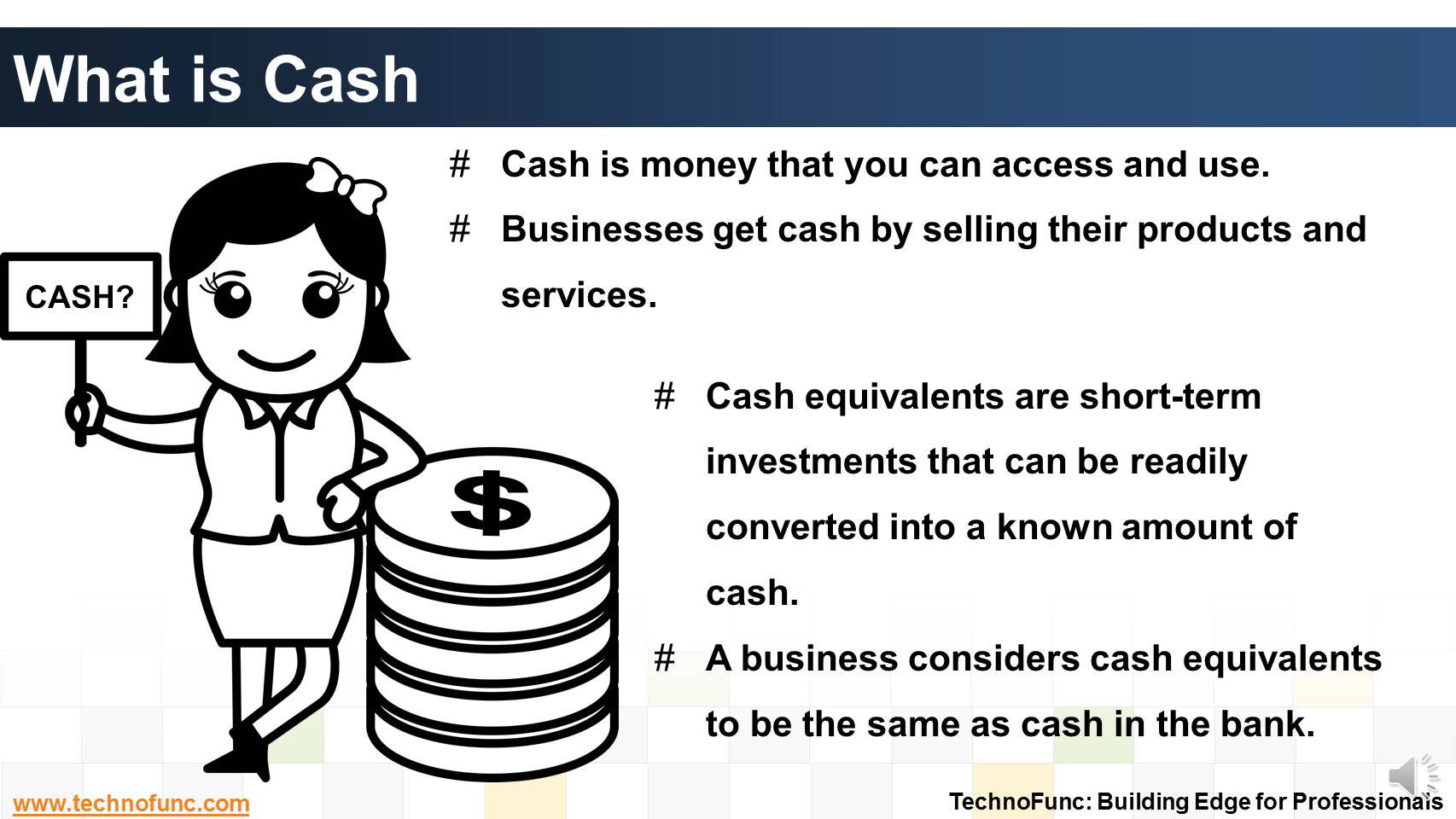
Cash, at its most fundamental, refers to physical currency—banknotes and coins—that can be immediately used for transactions. It is the most liquid asset, universally accepted as a medium of exchange, a store of value, and a unit of account. However, in the broader financial landscape, the definition of “cash” extends far beyond the bills in your wallet to encompass highly liquid assets that can be quickly converted into physical currency without significant loss of value. Understanding these nuances is critical for both personal financial management and robust business operations.
Defining Cash: Beyond Physical Bills
The concept of cash is foundational to any economy, serving as the lubricant for commerce. While most people instinctively think of dollar bills or euro coins, financial professionals and economists often employ a more expansive definition that includes various forms of easily accessible wealth.
The Traditional View: Currency in Hand
Historically, and still today, cash primarily means the physical money issued by a government’s central bank. This includes all the paper notes and metal coins in circulation. This form of cash offers immediate purchasing power, requires no intermediary for transactions, and provides a level of anonymity not found in electronic payments. It’s the simplest and most direct form of payment, allowing individuals and businesses to settle debts and make purchases without the need for bank accounts, credit cards, or digital wallets. Its tangibility provides a psychological sense of security and control, which remains a key factor in its continued use even in increasingly digital economies.
Cash Equivalents: Highly Liquid Assets
Beyond physical currency, the term “cash” in a financial context frequently refers to “cash equivalents.” These are short-term, highly liquid investments that are readily convertible to known amounts of cash and are subject to an insignificant risk of changes in value. To qualify as a cash equivalent, an investment generally must have a short maturity period, typically three months or less from the date of acquisition.
Common examples of cash equivalents include:
- Demand Deposits: Funds held in checking accounts that can be withdrawn or transferred immediately.
- Savings Accounts: Though sometimes subject to withdrawal limits, many savings accounts offer high liquidity.
- Money Market Accounts: These interest-bearing accounts offer check-writing privileges and typically require higher minimum balances than checking accounts. They invest in short-term government securities, certificates of deposit (CDs), and other low-risk investments.
- Treasury Bills (T-Bills): Short-term debt obligations issued by governments with maturities of a few days to 52 weeks. They are considered extremely safe and highly liquid.
- Commercial Paper: Short-term, unsecured promissory notes issued by corporations, typically for financing accounts receivable and inventories.
- Short-term Certificates of Deposit (CDs): Time deposits with fixed interest rates and maturities, provided the maturity is short enough to meet the cash equivalent criteria.
These cash equivalents are vital for managing liquidity, ensuring that individuals and organizations have immediate access to funds for operational needs, emergencies, or opportunistic investments without having to liquidate long-term assets.
The Fundamental Roles of Money
Regardless of its specific form, cash (and cash equivalents) fulfills the three essential functions of money in an economy:
- Medium of Exchange: It simplifies transactions, eliminating the need for barter by providing a universally accepted item for goods and services.
- Store of Value: It allows wealth to be saved and retrieved for future use. While inflation can erode its purchasing power over time, cash holds its nominal value.
- Unit of Account: It provides a common measure of value for goods, services, and debts, making it easier to compare prices and calculate economic activity.
The Indispensable Role of Cash in Personal Finance
For individuals, understanding and managing cash is the cornerstone of sound personal finance. It impacts daily life, long-term security, and financial independence.
Building an Emergency Fund
One of the most critical applications of cash in personal finance is the creation of an emergency fund. This is a dedicated pool of readily accessible funds, typically held in a savings account or money market account (i.e., cash equivalents), designed to cover unexpected expenses such as job loss, medical emergencies, or unforeseen home repairs. Financial experts often recommend having three to six months’ worth of living expenses saved in such a fund. This cash reserve provides a crucial financial safety net, preventing individuals from incurring high-interest debt or liquidating long-term investments during crises. It offers peace of mind and resilience against life’s unpredictable events.
Budgeting and Daily Transactions
Cash plays a direct role in everyday budgeting and transactions. While digital payments are increasingly prevalent, physical cash remains a popular tool for controlling spending. The “cash envelope system,” for instance, involves allocating specific amounts of physical cash for different budget categories (e.g., groceries, entertainment) at the beginning of each pay period. Once the cash in an envelope is gone, spending in that category stops. This tangible method helps individuals visualize their spending and adhere to budgetary limits more effectively than simply swiping a card. For smaller, spontaneous purchases, physical cash offers convenience and can prevent overspending often associated with the ease of credit.
Privacy and Control
In an era of ubiquitous digital tracking, physical cash offers a degree of privacy that electronic transactions do not. When you pay with cash, there is no digital record tied to your identity, no transaction data collected by banks or payment processors, and no digital footprint left behind. This anonymity can be appealing to those who value their financial privacy. Furthermore, holding physical cash gives individuals direct control over their funds, independent of banking systems or internet connectivity. In situations where digital systems fail (e.g., power outages, natural disasters), physical cash can be the only viable means of conducting transactions, underscoring its enduring utility.

Cash in Business: Fueling Operations and Growth
For businesses, cash is more than just money; it’s the lifeblood that sustains operations, enables investment, and measures financial health. Effective cash management is paramount to a company’s survival and growth.
Managing Working Capital and Liquidity
Working capital management is a critical aspect of business finance, and cash is at its heart. Working capital is the difference between current assets (which include cash and cash equivalents) and current liabilities. Adequate cash and cash equivalents ensure that a business can meet its short-term obligations, such as paying suppliers, employees, and utility bills. Without sufficient liquidity, even a profitable business can face insolvency, a situation known as a “liquidity crisis.” Businesses maintain operating cash to bridge gaps between receiving payments from customers and making payments to vendors, ensuring continuous operations. They also use cash equivalents to generate a modest return on otherwise idle funds while preserving liquidity.
Cash Flow: The Lifeblood of a Business
While profit indicates a business’s long-term viability, cash flow represents its immediate financial health. A business can be profitable on paper but still run out of cash if its customers pay slowly or if it has significant capital expenditures. The cash flow statement, a core financial report, tracks the movement of cash into and out of a business, categorized into operating, investing, and financing activities. Positive cash flow from operations is essential for sustainability, indicating that the core business activities are generating enough cash to cover expenses. Managers constantly monitor cash flow to identify potential shortages or surpluses, enabling timely adjustments to spending, investment, or financing strategies.
Strategic Financial Decisions
Cash reserves provide businesses with strategic flexibility and resilience. Companies with strong cash positions can seize opportunities, such as acquiring competitors, investing in new technologies, or expanding into new markets, without immediately resorting to debt or equity financing. Furthermore, robust cash reserves act as a buffer against economic downturns, market volatility, or unexpected challenges, allowing the company to weather storms without drastic measures like layoffs or asset sales. Cash also facilitates dividend payments to shareholders, demonstrating financial strength and rewarding investors. Conversely, poor cash management can severely restrict a company’s ability to innovate, expand, or even survive.
Advantages and Disadvantages of Holding Cash
While cash is indispensable, holding excessive amounts can also present drawbacks. A balanced approach to cash management involves weighing its benefits against its costs.
Benefits: Liquidity, Security, and Simplicity
The primary advantage of cash is its liquidity. It’s instantly accessible and universally accepted, allowing for immediate transactions. This characteristic is invaluable for emergencies, daily spending, and business operations that require quick payments. Physical cash also offers a degree of security in specific contexts, particularly during system failures or in areas with limited digital infrastructure, as it operates independently of electronic networks. For many, the simplicity of cash is appealing; it requires no complicated technology, no passwords, and no potential for data breaches, offering a straightforward transaction method that fosters a sense of direct control over one’s money.
Drawbacks: Inflation, Opportunity Cost, and Risk
Despite its advantages, holding large amounts of cash, especially physical currency, comes with significant disadvantages. The most prominent is the erosion of purchasing power due to inflation. Over time, the same amount of cash will buy fewer goods and services. Unlike investments that can grow in value, cash generally loses value relative to inflation. This leads to an opportunity cost—the lost potential for earnings that could have been realized if the cash had been invested in assets like stocks, bonds, or real estate. These investments, while carrying higher risk, typically offer returns that can outpace inflation. Furthermore, holding large amounts of physical cash carries risk of theft or loss, and it doesn’t earn interest, meaning its real value diminishes over time. Storing substantial physical cash securely can also be inconvenient and potentially costly.
The Evolving Landscape of “Cash” in a Digital World
The definition and perception of cash are continually evolving in response to technological advancements. While physical cash remains relevant, digital forms of payment are reshaping how we interact with our money.
The Rise of Digital Payments
The 21st century has witnessed an explosion in digital payment methods, fundamentally altering consumer and business transaction habits. Credit and debit cards, mobile payment apps (like Apple Pay, Google Pay, and PayPal), online bank transfers, and digital wallets have become commonplace. These methods offer convenience, speed, and often enhanced security features like encryption and fraud protection. For businesses, digital payments streamline reconciliation, reduce cash handling costs, and provide valuable data analytics. The ongoing trend towards a “cashless society” in many parts of the world reflects the growing preference for these electronic alternatives due to their efficiency and integration into digital lifestyles.

The Enduring Relevance of Physical Cash
Despite the rapid proliferation of digital options, physical cash continues to play a significant role globally. For many unbanked populations, cash is the only accessible form of money. It provides immediate settlement in peer-to-peer transactions and offers resilience during technological outages or natural disasters when digital systems may fail. Furthermore, the psychological comfort and privacy associated with physical cash ensure its continued use by a substantial segment of the population. While its prevalence may diminish in certain high-tech environments, the fundamental utility and unique advantages of physical cash mean it is unlikely to disappear entirely. Instead, its role is shifting, becoming one option among a diverse array of payment methods, each serving distinct needs and preferences within the broader financial ecosystem.
aViewFromTheCave is a participant in the Amazon Services LLC Associates Program, an affiliate advertising program designed to provide a means for sites to earn advertising fees by advertising and linking to Amazon.com. Amazon, the Amazon logo, AmazonSupply, and the AmazonSupply logo are trademarks of Amazon.com, Inc. or its affiliates. As an Amazon Associate we earn affiliate commissions from qualifying purchases.